Libya Seeks $30-40 Billion Investment to Revive Oil and Gas Industry
en.Wedoany.com Reported - Wedoany, August 18 - Masoud Suleiman, Chairman of Libya's National Oil Corporation (NOC), stated that the country needs between $30 billion and $40 billion in foreign investment to develop its oil and gas resources and boost crude oil production from the current level of approximately 1.4 million barrels per day to 2 million barrels per day by 2030.
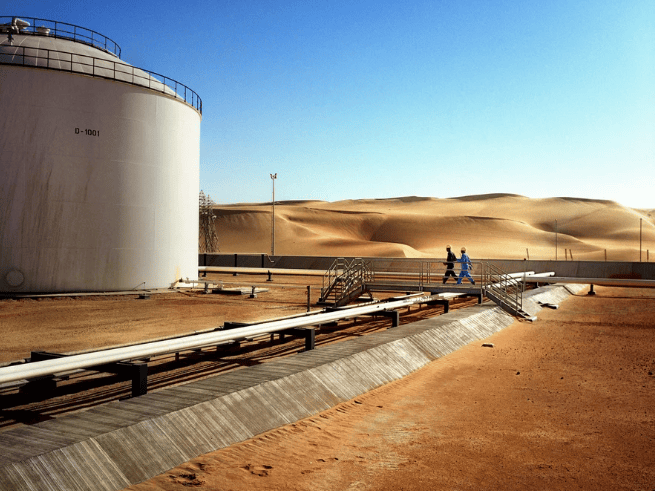
In an interview with the UK's Financial Times, Suleiman said Libya has discovered more than 60 undeveloped oil and gas fields with further potential for production growth. He noted that current output remains below the pre-2011 level of 1.8 million barrels per day before the fall of Gaddafi's regime, and that years of underinvestment have led to widespread aging of oil fields, pipelines, storage facilities, and export terminals.
The key variable in changing this situation is funding. In 2026, after Libya's parliament approved a unified budget plan, the NOC received over $2 billion in operating funds. The company received no allocations in the 2025 budget. Earlier this month, Suleiman told Bloomberg: "The era of delayed funding is over, which had caused problems and concerns for both us and our partners."
Under the current production-sharing agreements, the NOC is required to bear its share of development costs, and delays in government funding disbursement have previously stalled multiple projects. Suleiman stated that the NOC is considering a return to the concession agreement model, where international investors bear more of the upfront capital expenditure.
International oil companies are already positioning themselves. In June this year, the NOC signed exploration and production-sharing agreements for the 2025 bidding round with Repsol, Eni, QatarEnergy, Turkish Petroleum, and Hungary's MOL, marking the country's first major bidding round in 17 years. BP, Shell, ExxonMobil, and Chevron have also qualified to return to Libya once the security situation improves.
Analysts point out that the natural gas sector is no less important than crude oil. Increasing domestic gas production could supply Libya's power plants, reduce associated gas flaring at oil fields, and potentially boost exports to Europe. However, investors will closely watch whether agreements signed in Tripoli can be consistently implemented amid Libya's fragmented political landscape.
Related Products


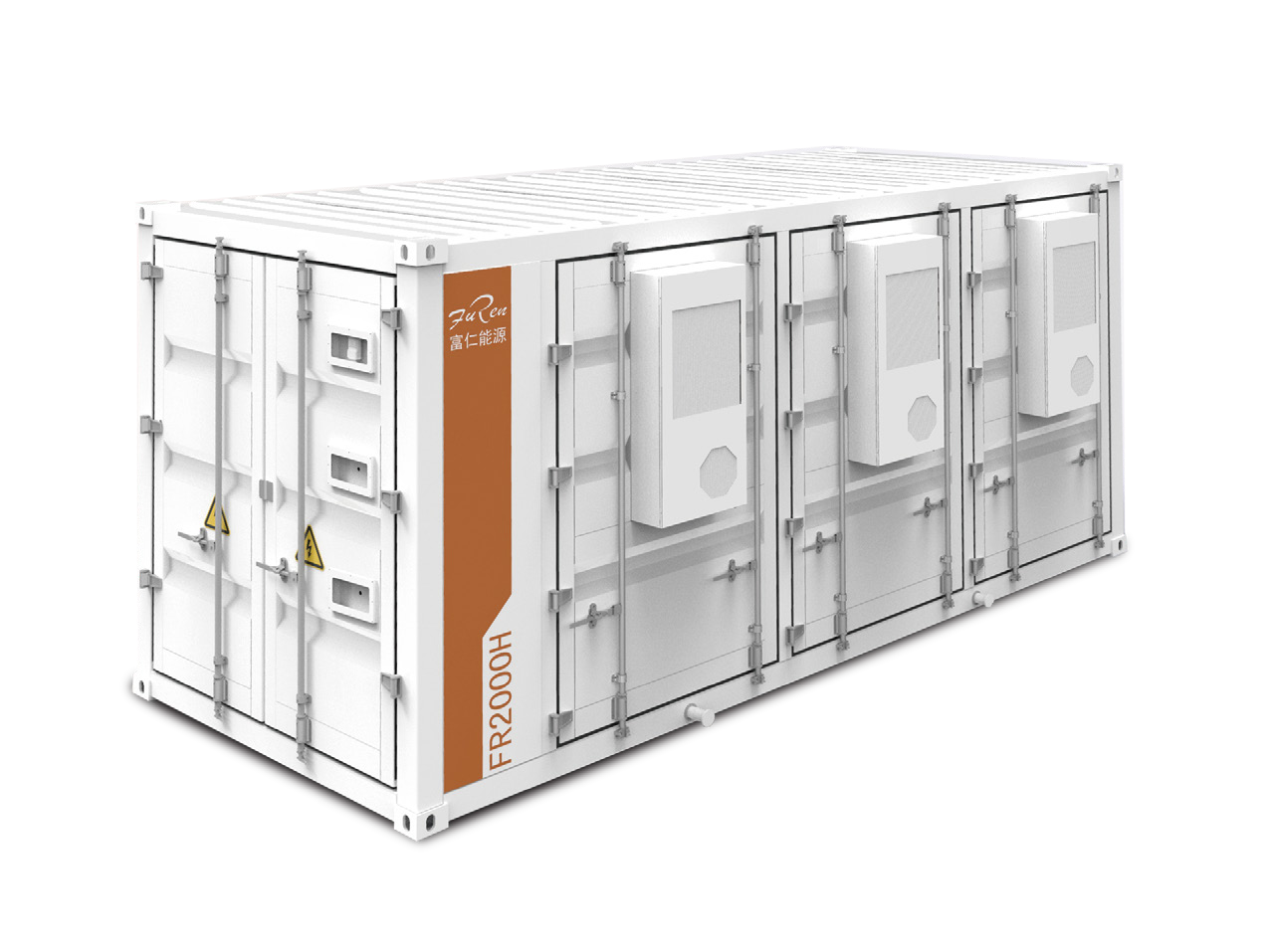
FR2000H 2.15MWh (Air-cooled) 20-foot Containerized Energy Storage System
Jiangyin Furen High-tech Co., Ltd.
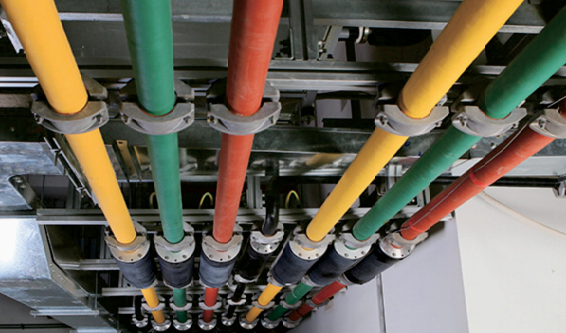

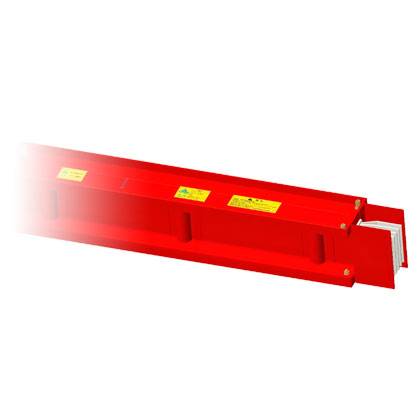
Mineral-insulated Compact Busway (Fire-resistant Busduct)
Zhuhai Guangle Electric Busway Co., Ltd.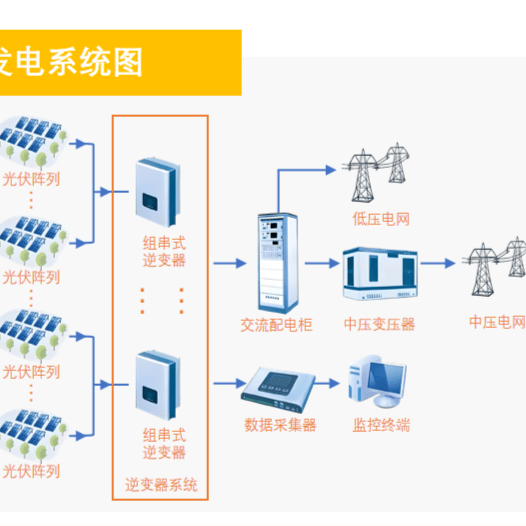
Photovoltaic and Wind Power Generation Technology
Beijing Boqi Electric Power SCI-TECH Co., Ltd.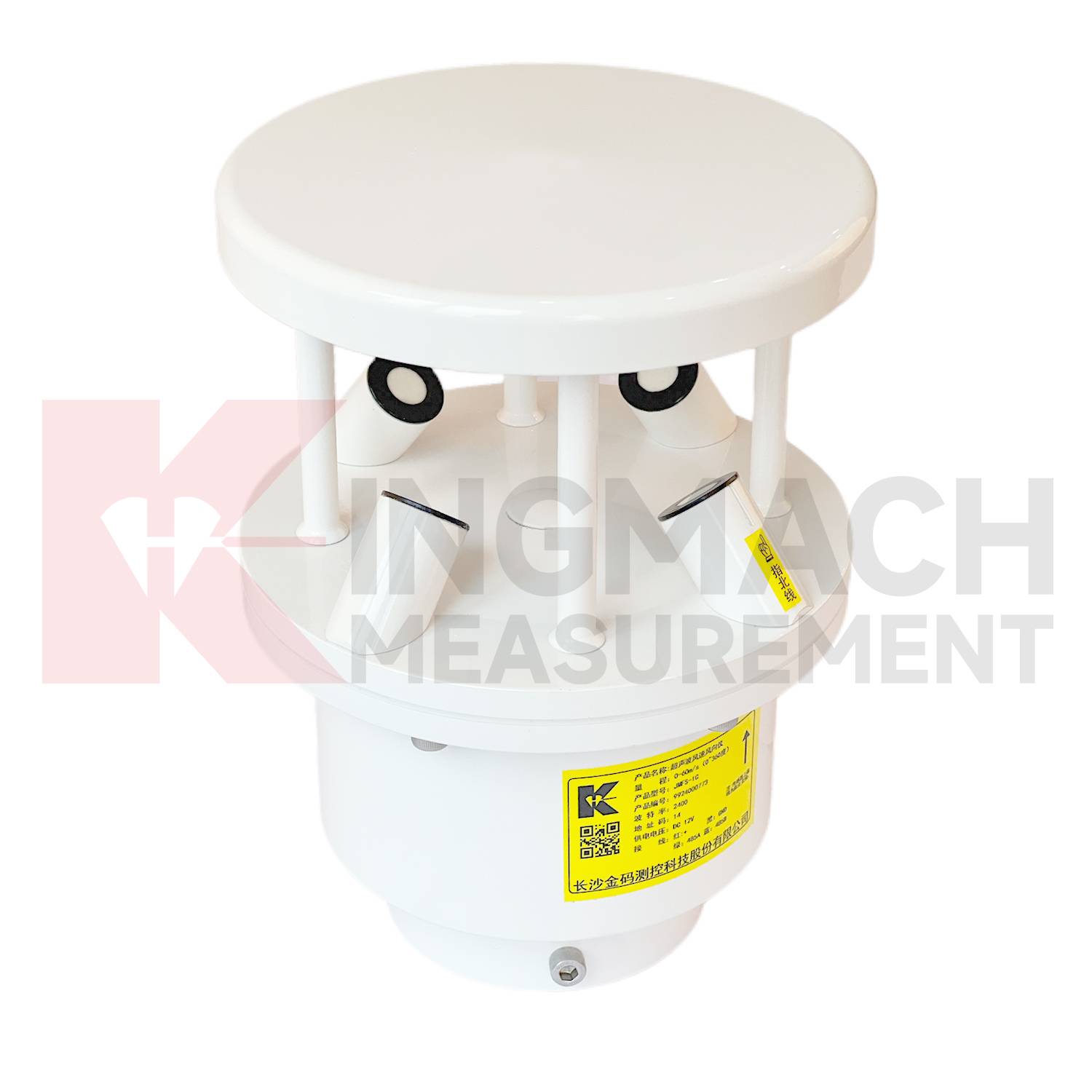
Ultrasonic Wind Speed and Direction Instrument
Kingmach Measurement & Monitoring Technology Co., Ltd.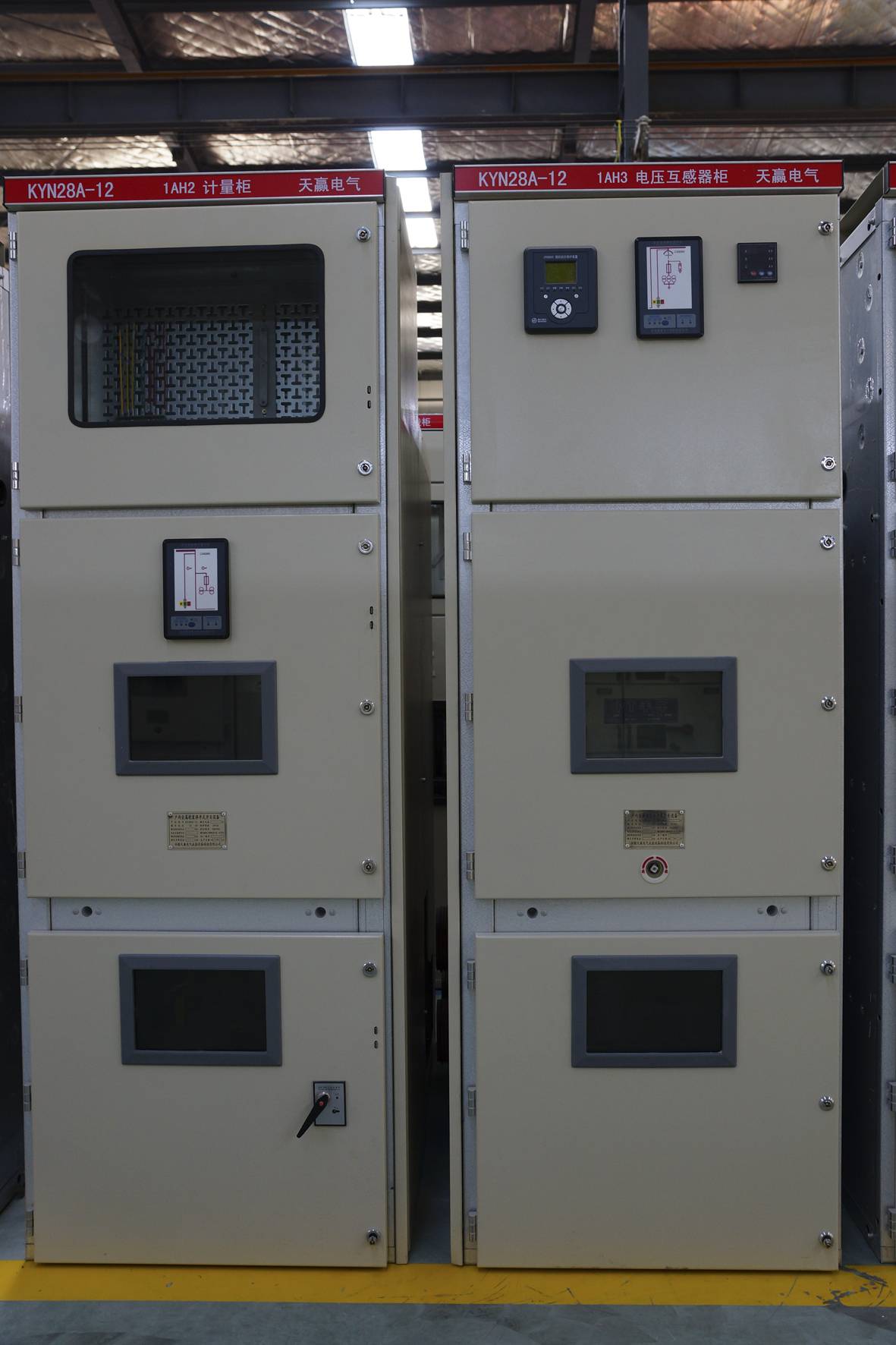
KYN28 - High Voltage Switchgear
Anhui Tianying Electrical Equipment Manufacturing Co., Ltd.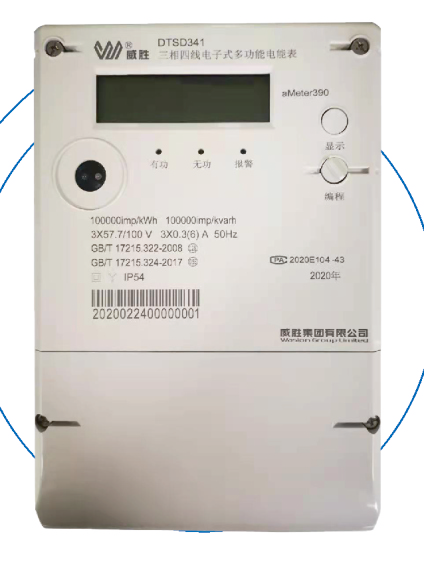
Overseas IEC Gateway Energy Meter - DTSD341/DSSD331-aMeter390
Wasion Group Limited Co., Ltd.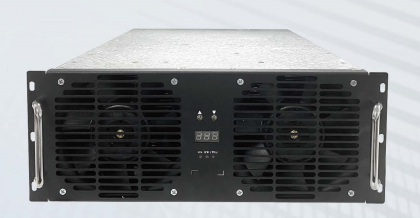
80kW Megawatt Supercharging Module TH80F10030C9
Shijiazhuang Tonhe Electronics Technologies Co., Ltd.