Herrenknecht Wins Order for UK Thames Cable Tunnel TBM
en.Wedoany.com Reported - Herrenknecht AG has received an order from the Ferrovial Bemo joint venture to supply a specialized tunnel boring machine (TBM) for the construction of the Thames Cable Tunnel, part of National Grid's "Great Grid Upgrade" project. The project aims to address an expected doubling of electricity demand by 2050 and enhance energy security by connecting more low-cost domestic power.
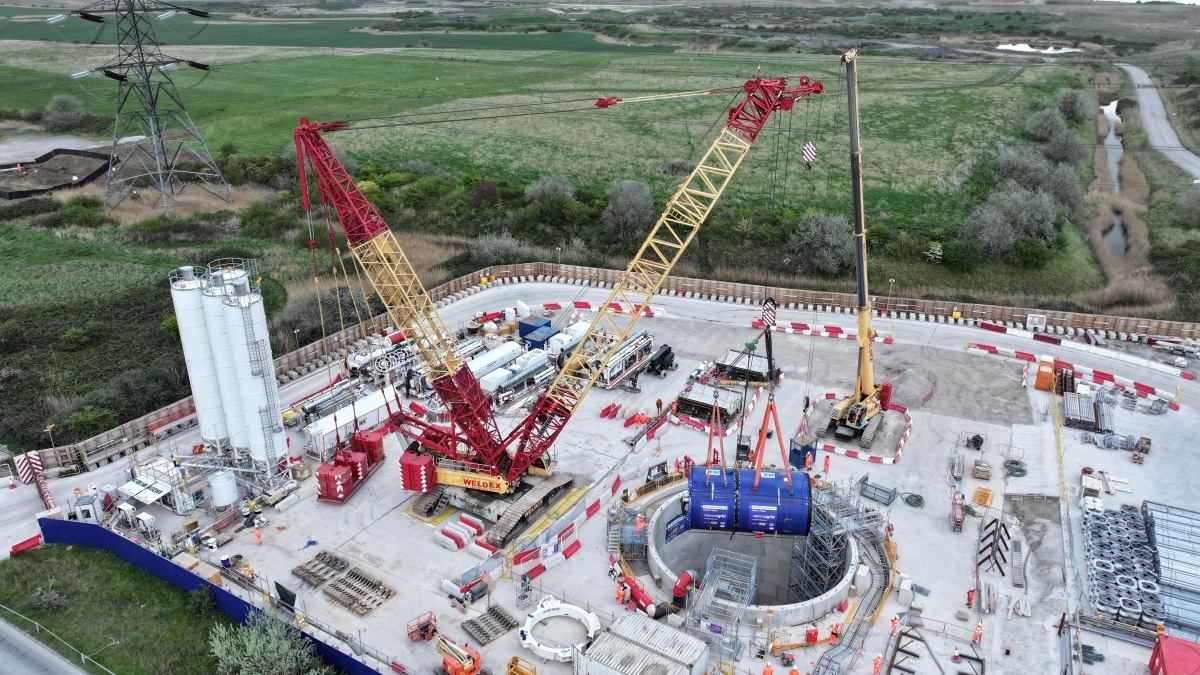
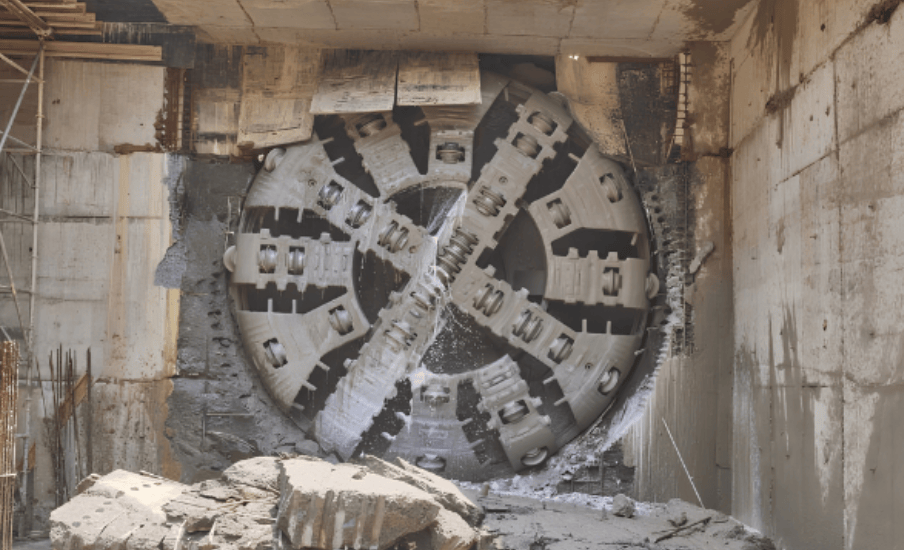
The Mixshield TBM has a diameter of 4,730 mm, a length of 108 m, and a total weight of 464 tons, specifically designed for the complex geology beneath the River Thames. The ground conditions consist mainly of a mixture of chalk and flint, with a maximum compressive strength of up to 1,000 MPa. Due to the project's location near the North Sea at the river estuary, tidal variations cause high water pressure. The TBM is designed to withstand a water pressure of 4.5 bar, sealing against high-pressure water at a depth of 41 m below the riverbed using multiple sealing systems. While the cutterhead face is subjected to water and earth pressure, the rest of the machine remains at atmospheric pressure. To facilitate face operations such as tool changes, the TBM is equipped with a personnel airlock, allowing workers to gradually adapt to pressure changes like divers. The tunnel will be lined with precast concrete segments, with an inner diameter of 4 m and an outer diameter of 4.50 m, and a curve radius of 350 m. Hydraulic overcutters can increase the excavation diameter to assist with turning and route correction. For complex geology, the Mixshield integrates micro-grippers and anti-roll fins to retract the cutterhead when necessary. Additionally, it is equipped with a pre-drilling rig and a retractable camera to inspect the tunnel face without entering the high-pressure zone, detecting obstacles in advance. The delivery package includes separation equipment, navigation technology from Herrenknecht subsidiary VMT, and multi-service vehicles for transporting segments from the launch shaft into the tunnel.
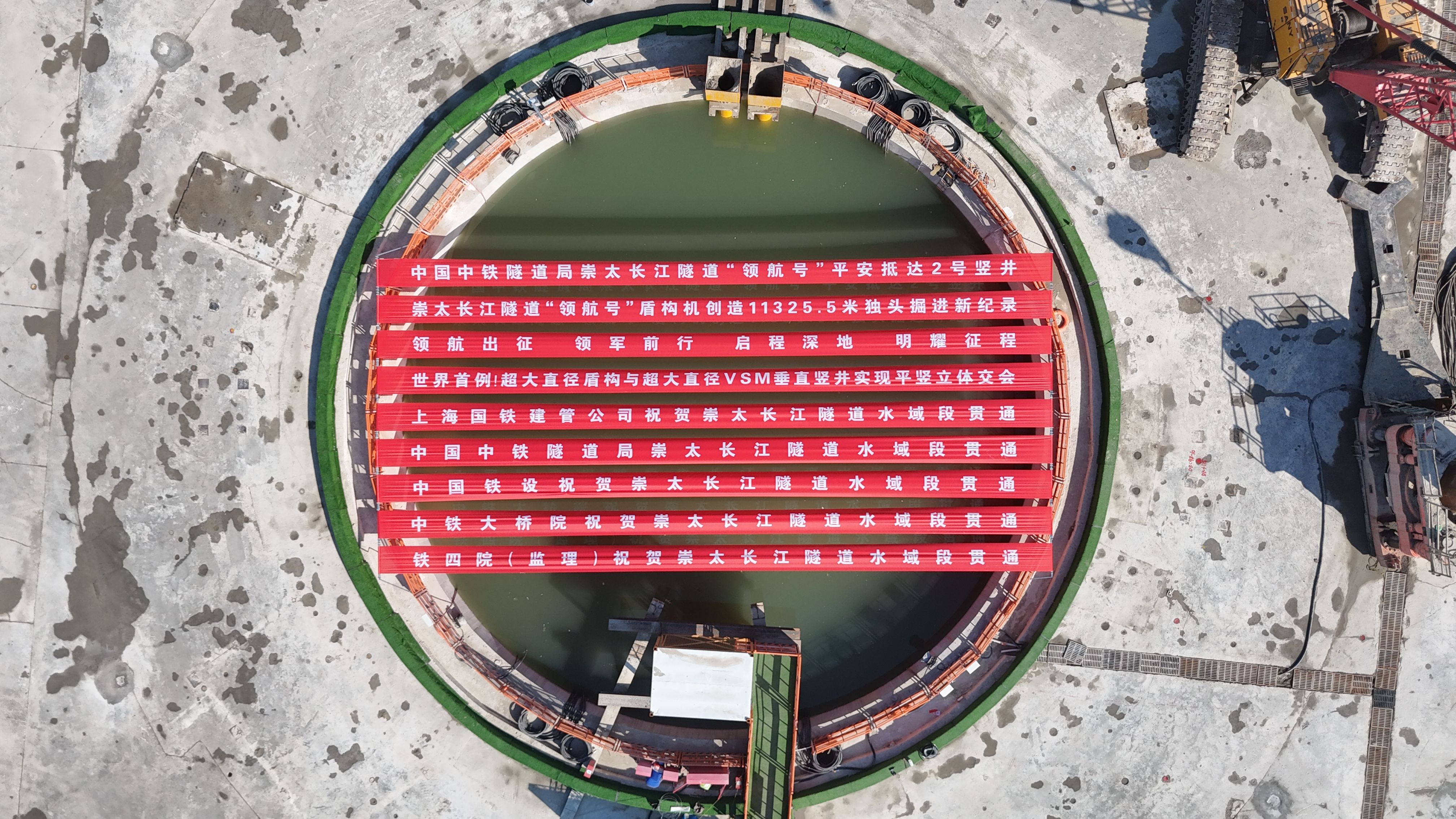
The launch shaft on the north bank of the Thames at Tilbury and the reception shaft on the south bank at Gravesend are being constructed using Europe's largest vertical shaft sinking machine (VSM). This VSM excavated the 45 m deep launch shaft at Tilbury over four weeks from mid-November to mid-December 2025, simultaneously sinking the shaft wall and installing ring linings at a rate of 2.7 m per day. VSM technology is suitable for soft ground with high groundwater levels, eliminating the need for costly dewatering operations. The entire process is controlled from the surface, enhancing safety and shortening construction time. After completing the launch shaft, the VSM was dismantled and transported to Gravesend, where it will construct the 48 m deep reception shaft from mid-March to early May 2026. The TBM will break through the shaft wall at predetermined locations without reinforcement.
Related Products


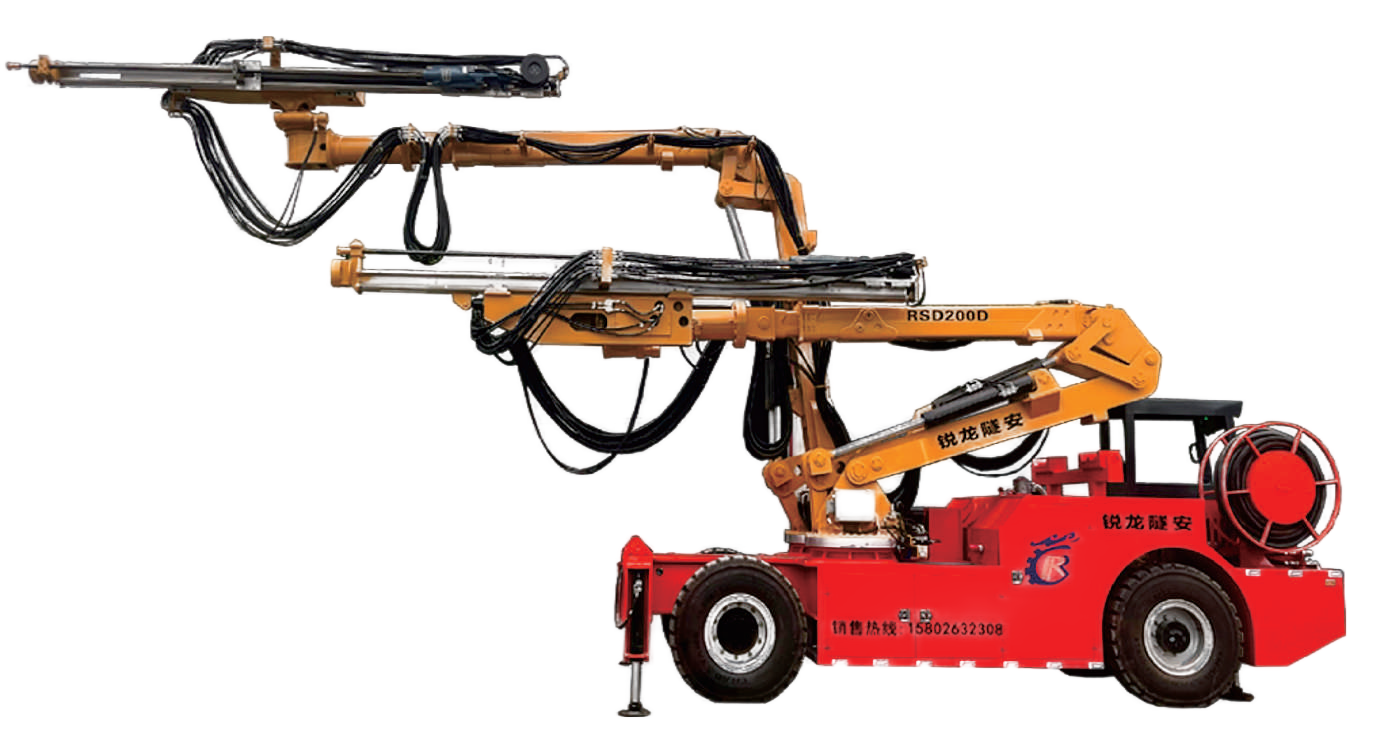
Dual-curved Arm Rock Drilling Trolley RSD200D
Chengdu Ruilong Machinery Manufacturing Co., Ltd.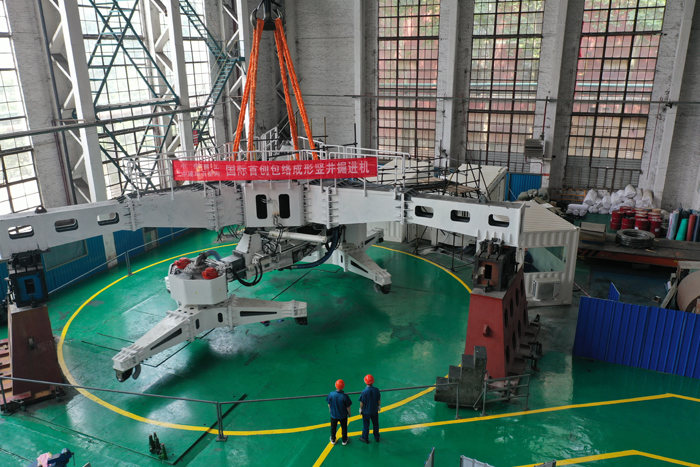
CITIC Heavy Industries Tunneling Equipment Tunnel Engineering Shield Machine
CITIC Heavy Industries Co., Ltd.
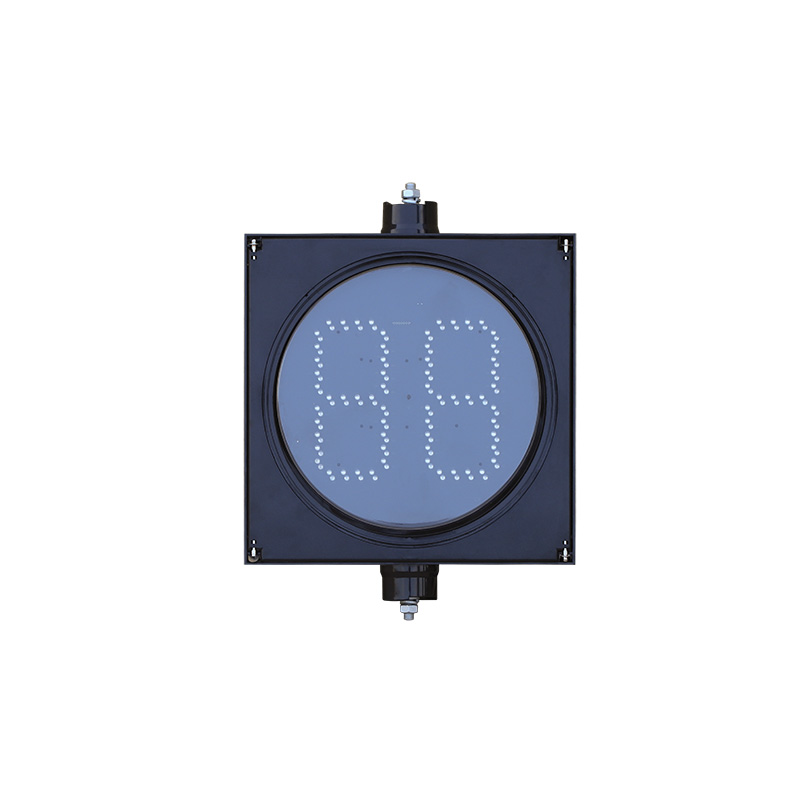
300mm Segment Type Countdown Traffic Light (Core Type)
Yangzhou FAMA Intelligent Equipment Co., Ltd.
ERW Welded Pipe (Black Pipe and Hot-dip Galvanized Steel Pipe)
Handan Zhengda Steel Pipe Co., Ltd.
Acoustic Mineral Fiber Ceiling Tile 595x595x12mm
Shanxi Pano Trading Co., Ltd
YHTank8400N Solvent-Free Liquid Epoxy Coating
JIANGSU YUNHU NEW MATERIAL TECHNOLOGY CO., LTD.
Bidirectional Metal Hard Sealed Seawater Butterfly Valve
Henan Quanshun Flow Control Science & Technology Co., Ltd.
Ceiling light | led Ceiling Light | LED Indoor light | LED Ceiling lighting
Queendom Group Technology Co., Ltd.