Iran Develops Prototype of Artificial Brain Using Living Human Neurons, Potentially Reducing Energy Consumption by a Million Times
en.Wedoany.com Reported - Iran has developed a laboratory prototype of an artificial brain made from living human neurons, capable of forming neural networks with learning abilities, laying the groundwork for building faster and more energy-efficient biological processors. This information was announced by Ataollah Pour-Abbasi, Secretary of the Iranian Cognitive Sciences and Technologies Development Headquarters (Quartel-General de Desenvolvimento de Ciências e Tecnologias Cognitivas).
According to Pour-Abbasi, Iran has mastered the technology to culture nerve cells outside the body. These cells can create synapses (connections between neurons) and form networks that follow the operational principles of the human brain. This advancement is seen as a key step toward developing computer processors made from brain cells, a technology known as organoid intelligence or biological computing.
Pour-Abbasi stated that a high-tech company has produced an experimental prototype of the device. The released materials did not disclose the company's name or provide detailed information on the current technological stage of the prototype. The goal of this initiative is to build computing systems using living human neurons that mimic the brain's information processing methods, aiming to combine learning capabilities with low energy consumption.
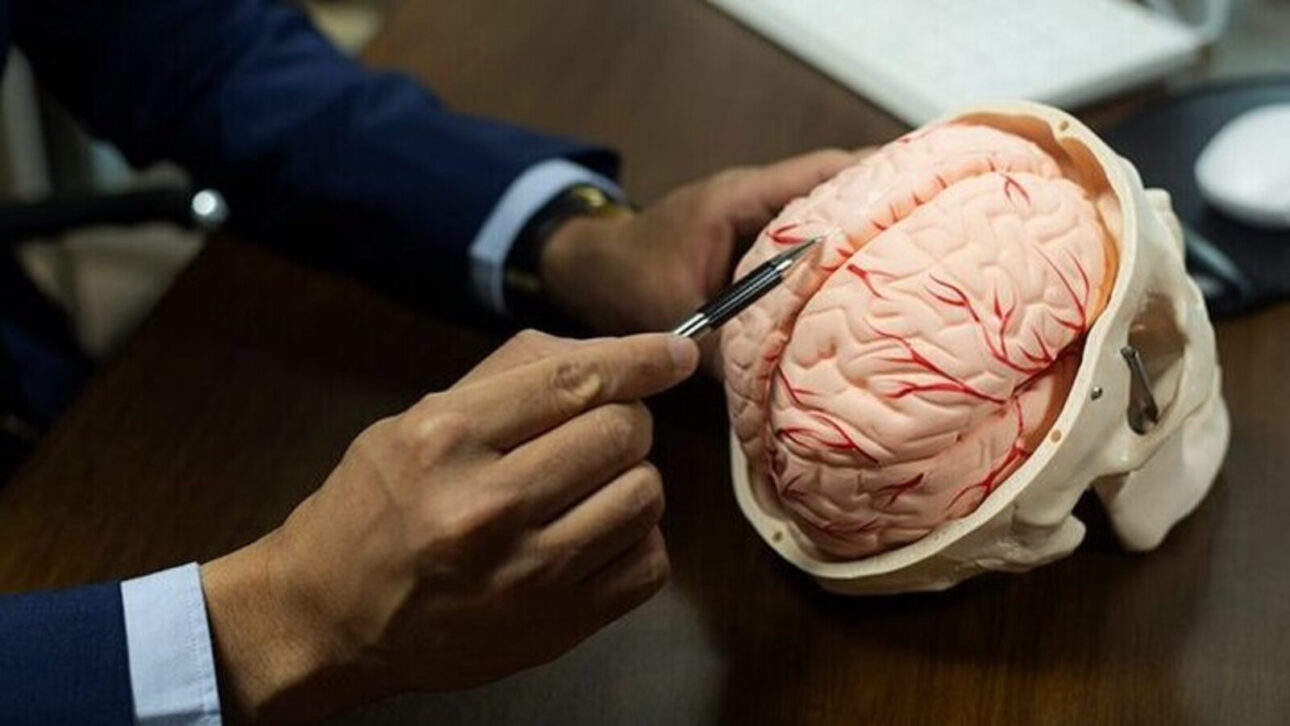
Pour-Abbasi emphasized that the two main advantages of this artificial brain are significantly improved information processing speed and the potential to reduce energy consumption by up to one million times compared to traditional silicon chips. He stated that these advantages make the transition to cellular processors a global necessity and priority.
Despite the development of the prototype, Pour-Abbasi acknowledged that Iran still needs to make progress to bring this technology to a commercial level. According to him, Iran has independently developed the entire set of technical knowledge from research to application. He assessed that Iran's development pace in this field is on par with other leading countries in cellular processors and biological computing.
Related Products


Hot Selling 10 Inch Intel N5100 I5 I7 FHD 8 +128GB 16+256GB Win10 Pro Win11 Pro 4G 5G Rugged Tablet PC Pad with NFC Barcode
Highton Electronics Co., Ltd.
MUX Series Communication Interface Device for Security and Stability Control System
Nanjing NR Electric Co., Ltd.


Multi-function Marine Monitoring Low-altitude Detection Radar Sea-air Boundary Ocean Dynamic Environment Measurement
Chengdu Dixin Technology Co., Ltd.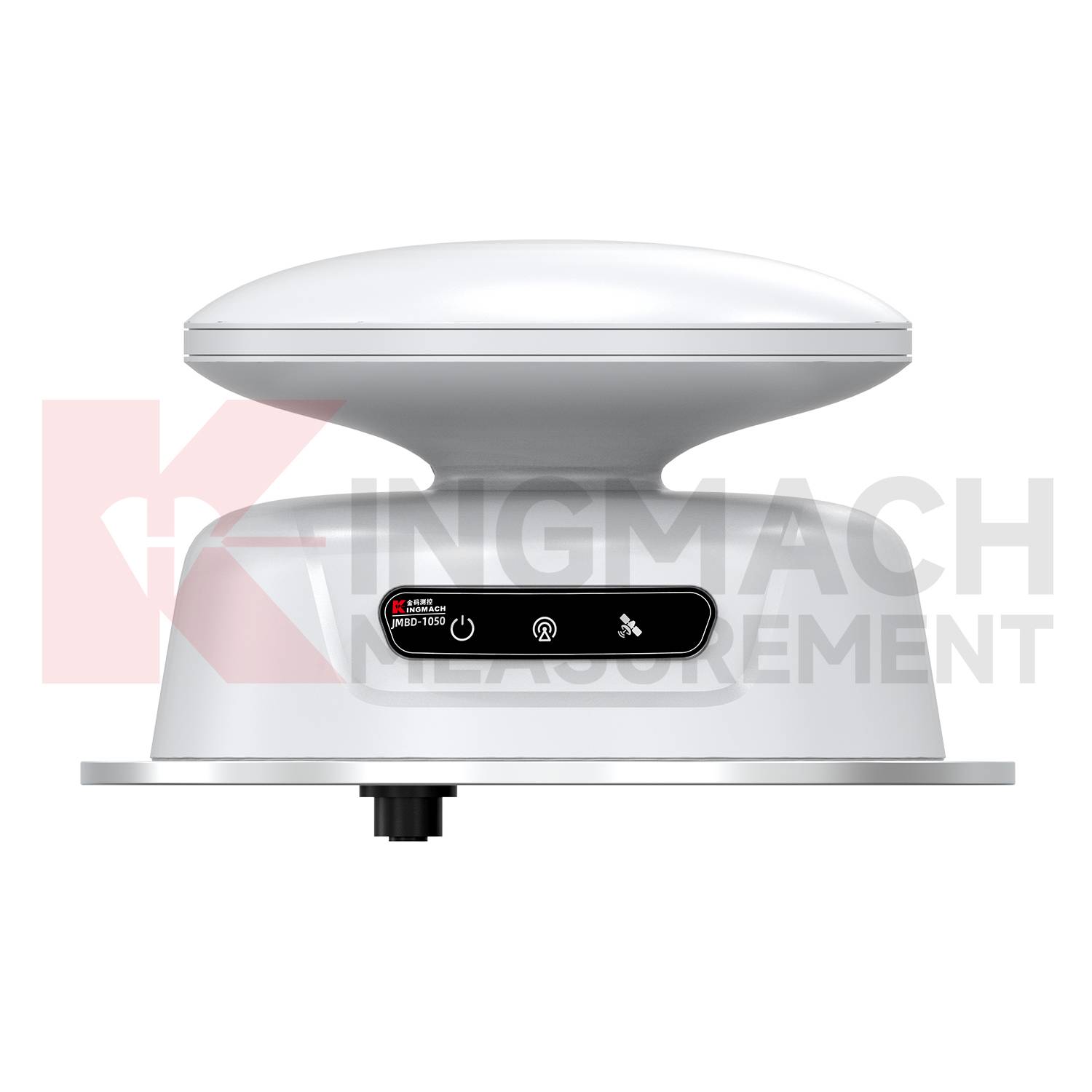

Conveyor Belt Intelligent Monitoring System
LUO YANG WIRE ROPE INSPECTION TECHNOLOGY CO., LTD.