First 21.4 Tons of Persian Lime from Veracruz, Mexico Exported to Russia
en.Wedoany.com Reported - Producers from the Papantla de Olarte region in Veracruz, Mexico, have completed the first export of Persian limes to Moscow, Russia, as a result of the commercialization strategy promoted by the Mexican government through the "Sembrando Vida" program.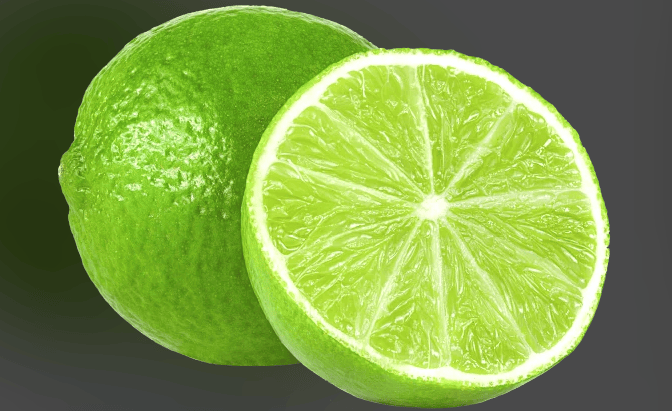
Members of the "Bioproductores del Llano Alto" cooperative, responsible for this commercial operation, stated that the first shipment totaled 21.4 tons, with exports expected to increase to 257.4 tons over the next six months, thereby expanding the presence of Mexican citrus in the Russian market.
This fruit, grown in Veracruz, stands out among international buyers due to its long shelf life, enabling it to withstand over 30 days of maritime transport, as well as its excellent physical characteristics, including a deep green color, size meeting European market requirements, and ideal peel texture. The fruit comes from orchards aged between 3 and 5 years.
The Mexican Ministry of Agriculture and Rural Development (SADER) stated that technical assistance and commercial support provided through the "Sembrando Vida" program have enabled growers to add value to their harvests and negotiate directly with international buyers at major global trade fairs such as Biofach in Nuremberg and Fruit Logistica in Berlin. Participation in these events was made possible through certification and the adoption of sustainable agroecological production practices.
Veracruz remains one of Mexico's main lemon-producing states. In 2024, Mexico's national lemon production reached 3.2 million tons, consolidating its position as a leading global supplier. Veracruz ranked second nationally with a production of 866,862 tons, accounting for 26% of the national total, trailing only Michoacán's 1,004,000 tons. Colima, Oaxaca, and Tamaulipas followed with 315,562 tons, 310,220 tons, and 113,884 tons, respectively.
According to data from the Food and Agriculture Organization of the United Nations (FAOSTAT, 2024), Mexico is the world's second-largest producer of lemons and limes, after India and ahead of China. Over 70% of Mexico's citrus exports are destined for the United States, followed by European markets such as the United Kingdom and the Netherlands, as well as Canada, Japan, and South Korea.
To further enhance the competitiveness of the citrus industry and maintain access to export markets, the National Service for Agri-Food Health, Safety and Quality (SENASICA) held a "Comprehensive Citrus Management" course in Boca del Río, Veracruz, bringing together over 100 experts, technicians, and producers from 22 citrus-producing states.
The training focused on improving phytosanitary management while promoting more sustainable production models. SENASICA encouraged growers to transition from traditional practices based on heavy use of agrochemicals to agroecological approaches that reduce chemical inputs, employ digital monitoring technologies, expand biological pest control, and use low-impact agricultural inputs.
One of the main topics discussed was Huanglongbing (HLB), widely considered the most destructive citrus disease globally. As part of the control strategy, SENASICA highlighted the operation of two specialized laboratories producing Tamarixia radiata. This parasitic wasp is a natural enemy of the Asian citrus psyllid (Diaphorina citri), the insect vector of the disease. This biological control program aims to reduce reliance on insecticides while promoting more sustainable orchard management.
Federal and state government authorities emphasized that close coordination among growers, researchers, state plant health committees, and government agencies is crucial to curbing pests and diseases threatening citrus production. These efforts help protect orchard health, increase productivity, and ensure compliance with phytosanitary standards required by international markets.
In 2025, Yucatán consolidated its position as an emerging lemon-producing state, ranking sixth nationally with a production of 111,500 tons. Over the past five years, the state's lemon industry has expanded steadily, with a nominal growth of 14.9%, driven by an increase in planted area and growing investor interest in export-oriented citrus production.
Despite this positive momentum, the sector still faces challenges, including price volatility, phytosanitary risks, and the need to improve mechanization levels and packaging plant certifications to meet the quality and food safety standards demanded by international buyers.
According to SENASICA data, as of January 2026, Yucatán had 16 certified packaging plants authorized to export Persian limes. Several of these already supply the U.S. market, while others are preparing to enter Asian and European markets. Authorities expect this expansion to support regional economic growth by attracting investment, creating jobs, and generating additional income opportunities for local producers.
Private investment is also accelerating the sector's expansion. Citrus Patrimonial announced the acquisition of a new 150-hectare property in southern Yucatán, near the border with Quintana Roo, named Jaguar 5, where Persian lime orchards will be established, primarily to supply the U.S. and Asian markets.
Rodrigo Castilla, Vice President of Citrus Patrimonial, stated that this investment reflects the sustained international demand for Mexican Persian limes. He noted that the United States still purchases approximately 98% of Mexico's lime exports, while the global lime market is valued at around $19 billion and continues to expand. He added that one of the crop's main advantages is its year-round production cycle, with trees capable of being harvested up to 14 times within 12 months.
The company indicated that the project will operate under an agricultural investment model based on participation certificates backed by Persian lime orchards. Citrus Patrimonial will oversee the entire production process, including planting, orchard management, harvesting, and commercialization in domestic and international markets.
In addition to production, the company stated that the expansion has already created approximately 300 new jobs in communities across southern Yucatán. The company has also launched initiatives to protect pollinators and support local beekeeping, recognizing the importance of healthy bee colonies for sustainable citrus production while contributing to broader rural development in the region.
Related Products


4HS-8 High-efficiency Peanut Inverted-laying Harvester
Hebei Yongfa Hongtian Agricultural Machinery Manufacturing Co., Ltd.


Industrial and Commercial Point-Type Gas Detector
Jinan Benan Technology Development Co., Ltd.
714CD Series C-Band Weather Radar
Chengdu Zhongdian Jinjiang Information Industry Co., Ltd.