University of Miami Develops Multispectral AI Technology to Detect Unexploded Ordnance Underwater at Depths of 10 Meters
en.Wedoany.com Reported - A research team at the Rosenstiel School of the University of Miami has developed an imaging technology that can detect unexploded ordnance underwater from the air, suitable for shallow waters up to 10 meters deep near the coast, enabling precise location and removal.
Numerous global conflicts have left large quantities of unexploded ordnance (UXO) in the oceans, including bombs, mines, and shells that have yet to be recovered, dismantled, or disposed of. Unexploded ordnance located just a few meters below the sea surface near the coast is particularly dangerous, threatening beachgoers and marine life, and posing risks to nearshore navigation channels.
The technology employed by the research team is based on two innovations developed by NASA: Fluid Lensing and MiDAR (Multispectral Imaging, Detection, and Active Reflectance). MiDAR uses multispectral sensors to emit light at different wavelengths into the water, better illuminating the ocean depths; Fluid Lensing addresses distortions caused by water and its movement, eliminating wave-induced image interference in real time to produce clearer images captured from above the water surface. The images are taken by drones flying along the coastline and used to create maps.
High-resolution drone imagery is analyzed by a trained artificial intelligence model to identify the distinctive structures of bombs and munitions. According to the researchers, the system can distinguish these structures from rocks and coral, even when the unexploded ordnance is partially covered by sediment and natural growths.
The researchers believe that, compared to traditional detection methods, this system can map large stretches of coastline in a short time at low cost. Preliminary tests have been successful, and the system now needs to be tested in more environments, such as deep bays and turbid waters. The relevant study was published in Frontiers in Marine Science under the title "Automated airborne detection of underwater munitions using NASA multispectral passive and active MiDAR Fluid Lensing." Ved Chirayath, Vetlesen Chair Professor of Earth Sciences at the Institute of Ocean Sciences, stated that the results indicate a scalable airborne deployment approach can improve detection accuracy and help ensure safer coastal areas.
Related Products

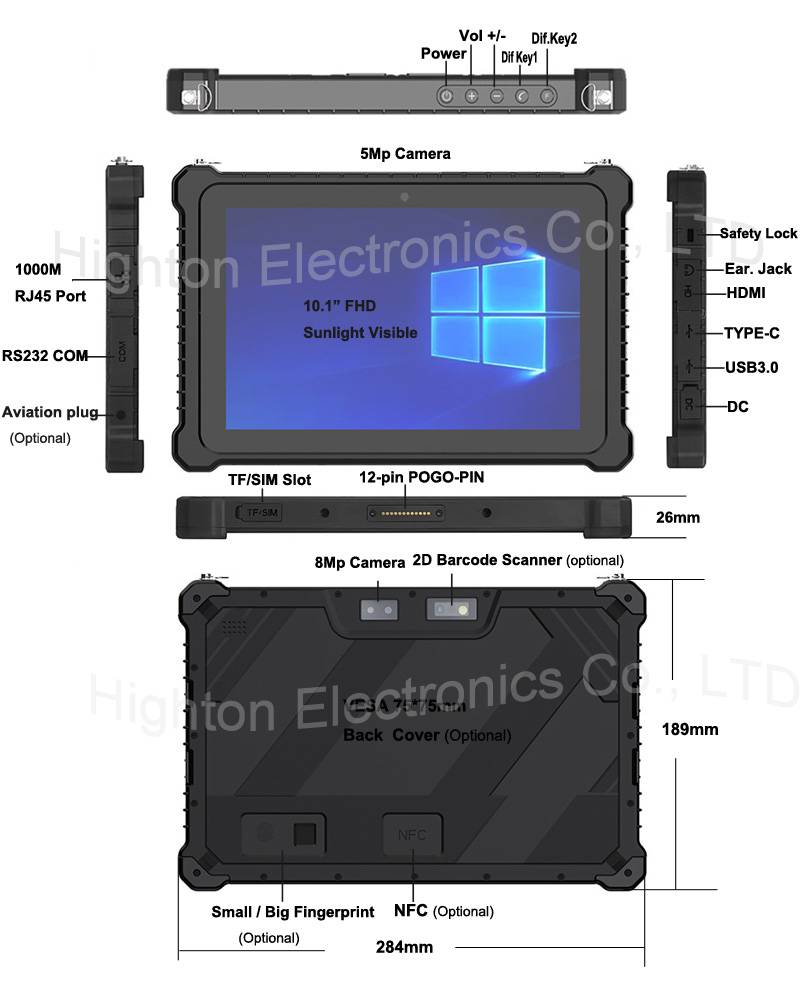
Hot Selling 10 Inch Intel N5100 I5 I7 FHD 8 +128GB 16+256GB Win10 Pro Win11 Pro 4G 5G Rugged Tablet PC Pad with NFC Barcode
Highton Electronics Co., Ltd.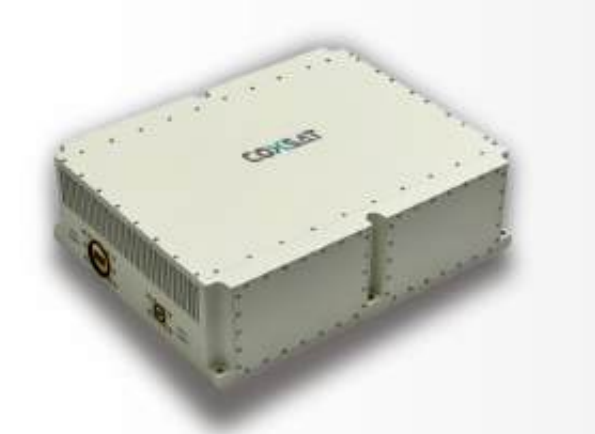


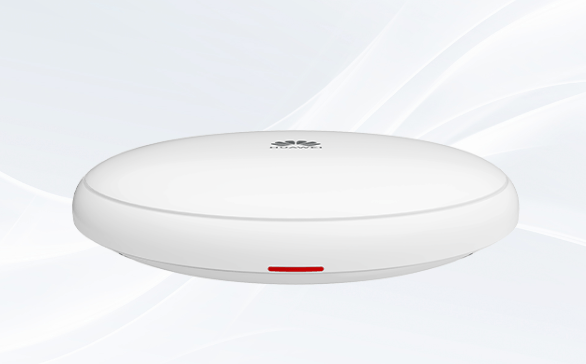


Multi-function Marine Monitoring Low-altitude Detection Radar Sea-air Boundary Ocean Dynamic Environment Measurement
Chengdu Dixin Technology Co., Ltd.
G.652.D Wavelength-extended Non-dispersion Shifted Single-mode Optical Fiber
HONGAN GROUP CO., LTD.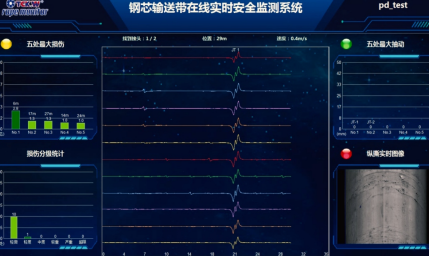
Conveyor Belt Intelligent Monitoring System
LUO YANG WIRE ROPE INSPECTION TECHNOLOGY CO., LTD.