Wedoany.com Report-May 2, The development of the U.S. stationary battery energy storage system (BESS) industry is facing significant uncertainty due to high tariffs on imports. Currently, BESS imports are subject to a 145% tariff, prompting developers to rely on existing inventories to complete projects. However, the future remains unclear once these stockpiles are depleted.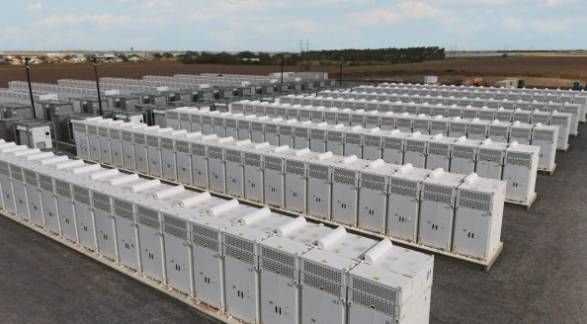
Great Kiskadee Project in Texas
The tariff situation is further complicated by conflicting information. On April 14, 2025, the White House issued a fact sheet outlining tariff policies, stating: “China faces up to a 245% tariff on imports to the United States as a result of its retaliatory actions.” The document detailed a breakdown, including a 125% reciprocal tariff, a 20% tariff related to addressing the fentanyl crisis, and Section 301 tariffs ranging from 7.5% to 100% on specific goods. It remains uncertain whether BESS imports will be subject to the higher 245% rate or remain at the 145% level.
During a Roth Capital Partners webinar on April 17, 2025, Daniel Finn-Foley from Clean Energy Associates (CEA) addressed the issue, noting: “My team was still trying to ascertain whether BESS would be hit with the absurdly high rate.” This lack of clarity continues to challenge industry stakeholders as they navigate the evolving tariff landscape.
The high tariffs are creating hurdles for the U.S. BESS sector, which relies on imported components to meet growing demand for energy storage solutions. Developers are currently drawing on available inventories, but the absence of a clear long-term tariff policy complicates planning for future projects. The uncertainty surrounding the applicable tariff rate—whether 145% or potentially 245%—adds further complexity to cost projections and supply chain management.
The White House’s fact sheet emphasized that the tariff measures are part of a broader strategy, but the lack of specificity regarding BESS has left industry experts seeking clarification. As the U.S. pushes to expand its clean energy infrastructure, resolving these tariff uncertainties will be crucial to ensuring the BESS industry can continue to grow efficiently and meet market needs.