Uzbekistan's TMK Lists 31 Critical Raw Materials to Advance Mineral Strategy
en.Wedoany.com Reported - Amir Abidov, a senior executive at the Uzbekistan Technological Metals Complex (TMK), stated this month that the modernized mining and green metal technology industrial park is a key industrial component of "New Uzbekistan," which he described as a "flagship industry" within the country's 2030 economic growth strategy, a strategy advancing at a remarkable pace.
Abidov, TMK's Deputy General Manager for New Technology Development, Innovation, and Artificial Intelligence, said the country has listed 31 critical raw materials. The critical raw materials strategy was formulated by President Shavkat Mirziyoyev. Abidov stated that he is the executor of this strategy, with the goal of transforming these raw materials into finished products.
Uzbekistan is investing billions of dollars in a national development plan aimed at elevating the country, classified by the World Bank as lower-middle income with a population of approximately 39 million, to an upper-middle-income nation. Near-term targets include expanding the GDP from $145 billion to over $240 billion by 2030 and increasing per capita GDP by 160%. Earlier this year, the World Bank ranked Uzbekistan as one of the fastest-growing emerging economies in Europe and Central Asia. Real GDP grew a record 7.7% in 2025, and the World Bank projects 6.4% growth this year.
Like neighboring Kazakhstan, Uzbekistan is resource-rich. Abidov stated that the focus is not only on increasing output of minerals such as tungsten, gold, silver, copper, molybdenum, rhenium, selenium, lithium, cadmium, and rare earths, but more importantly on building a vertical value chain that delivers "finished products" and integrating them with domestic manufacturing and other industries. The national strategy has accelerated engagement with international manufacturers, financiers, governments, and technology companies. Abidov noted that in one of only two doubly landlocked countries globally, adopting a "multi-vector" approach to attract partners, capital, and innovation is crucial for sustainable economic development. He believes that building internal capacity—from scientific and engineering skills to viable industries at the top of the value chain—is the true key to the nation's long-term prosperity.
The multi-vector policy means not relying on a single source. China is adept at and quick to build factories and provide financing, doing so very rapidly. Europe excels in technology, with international European standards being very high-quality and green. The United States is strong in financing and offtake contracts. However, the drawback of a single approach is inconsistency. For example, the Chinese are good at building factories quickly, but technology transfer is limited. The technology is viable, but human capital is also needed. Engineers need to design new factories based on the best knowledge. It's not just about money and proven technology; it also involves advanced technology and a complete value chain. For instance, to produce semiconductor-grade selenium, one cannot simply purchase and use technical-grade selenium directly; that is variable technology. One must start upstream and build the entire chain to match the final product. The U.S. has cooperation in technology, but rare earth technology is more developed in Europe and China, so all gaps need to be filled. The multi-vector approach means obtaining inputs from the entire value chain to improve the mining and metals industry and other sectors.
TMK was established in 2024, originating from the state-owned Almalyk Mining and Metallurgical Combine, serving as a national vehicle to drive growth in raw material output and build a vertical value chain. Abidov stated that the centralized structure enables TMK to plan and execute strategically and rapidly. The company is keen to leverage Uzbekistan's aggressive renewable energy buildout: the country, historically reliant on natural gas, now generates one-third of its electricity from renewables. He said, "You cannot produce green metals without green technology. So we are producing green metals and using the energy transition to achieve this."
TMK has established three "technology industrial parks" centered on metal processing in Chirchik, Ohangaron, and Jizzakh. These industrial zones are seeking to increase residents or tenants and expand deep processing, advanced manufacturing, and R&D capabilities. All tax incentives and regulations have already been established for this purpose. Internal demand is also being created, with electric vehicles currently being produced in the Jizzakh region. China's BYD is exploring expanding electric vehicle production at its factory opened in 2024 in partnership with Uzbekistan's state-owned Uzavtosanoat JSC. The Jizzakh plant currently employs around 1,200 people and could eventually provide up to 10,000 jobs. TMK will also launch a new factory in November producing powder metallurgy-based powertrain components, resulting from a technology transfer with South Korean partner Korea Powder Metallurgy.
Related Products
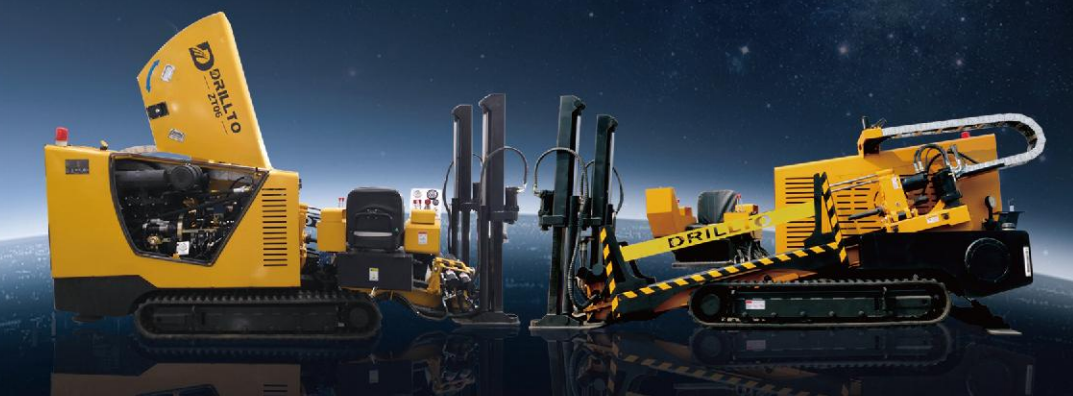

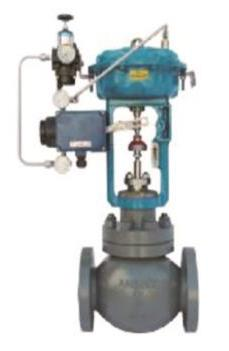
Quick-Change Single-Seat Control Valve / Quick-Change High-Pressure Single-Seat Control Valve
Beijing Consen Automation Technology Co., Ltd.
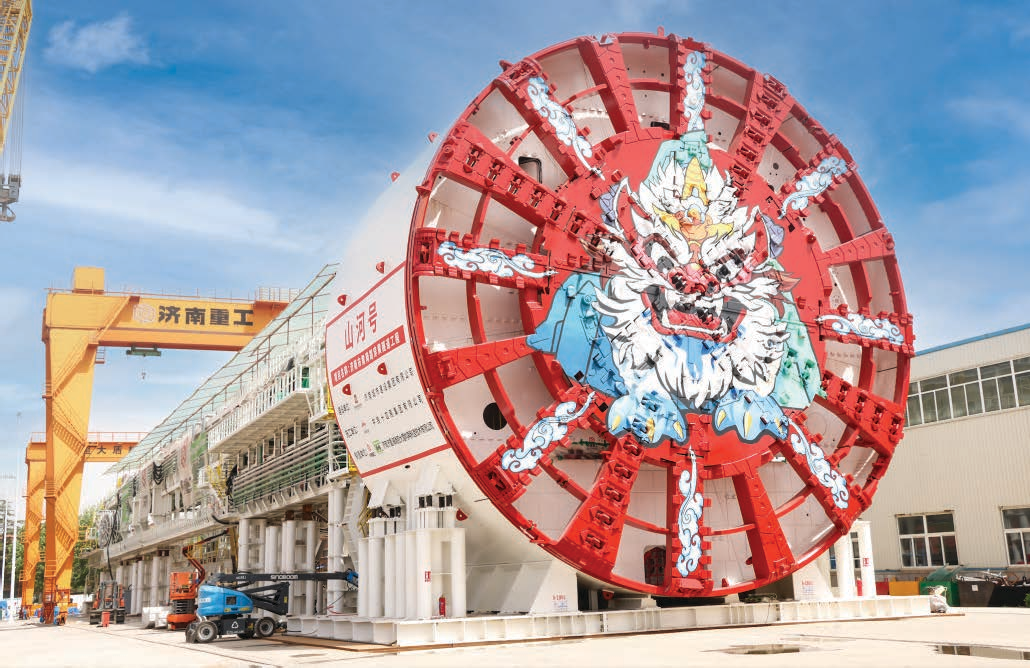
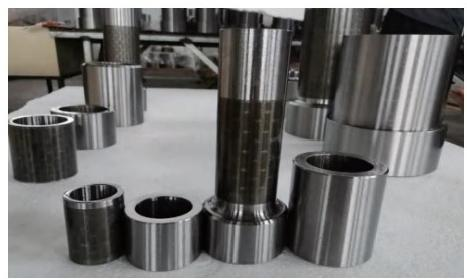
High-temperature Equal Wall Thickness High-power Screw Drilling Tool
Orient Energy & Technologies Co., Ltd.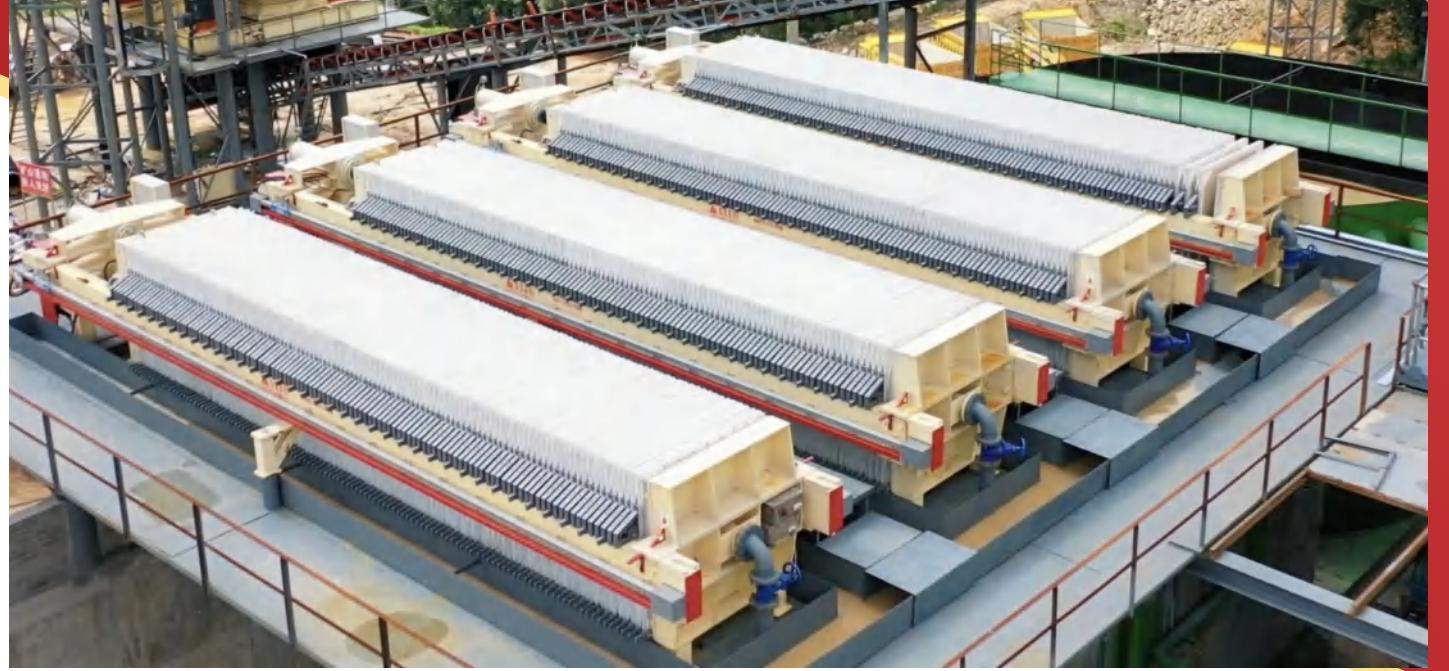
Hydraulic Plate and Frame Filter Press
Guangdong Leimeng Intelligent Equipment Group Co., Ltd.
New Environmentally Friendly Green Potassium Salt Collector
Chonfar Engineering and Technology Co., Ltd.

Comprehensive Mining Automation Control System
Beijing Tianma Intelligent Control Technology Co., Ltd.