Over 350 Architectural Practices Showcased at China Pavilion of the 2026 UIA Barcelona Congress
en.Wedoany.com Reported - The 2026 International Union of Architects (UIA) World Congress of Architects is being held in Barcelona under the theme "Becoming: Architectures for a Planet in Transition." The China Pavilion, with the Architectural Design and Research Institute of Tsinghua University (THAD) as the chief curator, presents the theme "DVCA—A Dynamic View of Contemporary Chinese Architecture," bringing together over 350 architectural practices. These are showcased through self-developed digital interactive displays, AI experiences, and an online virtual exhibition hall. The online exhibition portal is: https://uia2026.thad.com.cn/.
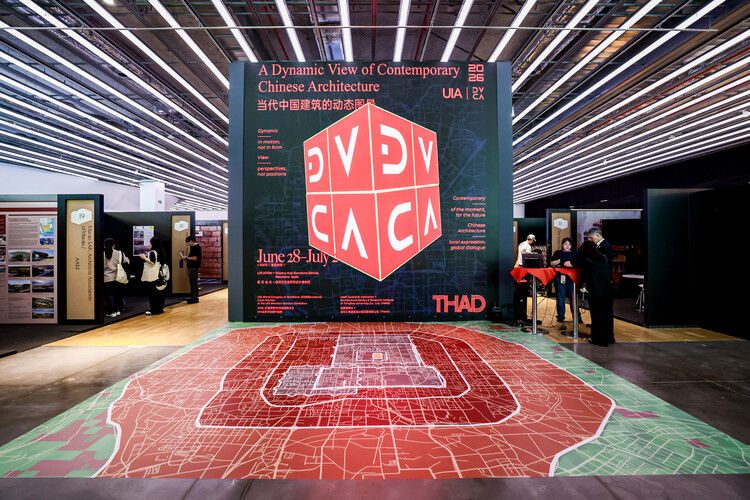
The curation process spanned three years of preparation, involving an academic committee of approximately 130 experts from the architectural field both domestically and internationally. This committee includes academicians, master designers, chief architects of major design institutes, university professors and deans, as well as foreign principal architects practicing in China. For instance, Wolf D. Prix of Coop Himmelb(l)au and Patrik Schumacher of Zaha Hadid Architects (ZHA) are among the participants. The evaluation system was based on 11 classification categories and an understanding of the exhibition theme. Each committee member independently scored the entries, and the final exhibition list was determined through algorithmic comprehensive calculation.
The exhibition engages in ongoing discussion of the over 350 selected projects, distilling seven keywords as observational dimensions: Memory, Humanity, Vernacular, Harmony, Innovation, Craftsmanship, and Nature. Liu Yulong points out that through these keywords, trends in Chinese architectural practice can be observed, including a shift from grand narratives to everyday scenes, and a return to the fundamental issues of architecture. An increasing number of works appear in community renewal, rural construction, industrial heritage renovation, and public service facilities. Architects' reflections on materials, structure, and spatial perception have become one of the most creative fields.
Liu Yulong states that the scope of architects' work has undergone significant changes over the past three years, shifting from a design-centric approach to participating in full lifecycle services, including project pre-planning and post-operation management. Currently, the relationship between this new working model and the industry's reward mechanisms has not yet been fully established. Regarding the impact of artificial intelligence on architectural design, Liu Yulong believes it should not be avoided but actively embraced. Institutions such as the American Institute of Architects (AIA) and the Royal Institute of British Architects (RIBA) have been continuously monitoring the application of AI in architectural design, demonstrating efficiency advantages from data organization to content creation. The exhibition features a digital display module and an online exhibition platform, encouraging participating teams to use AI in content creation to preserve an authentic record of the era's exploration.
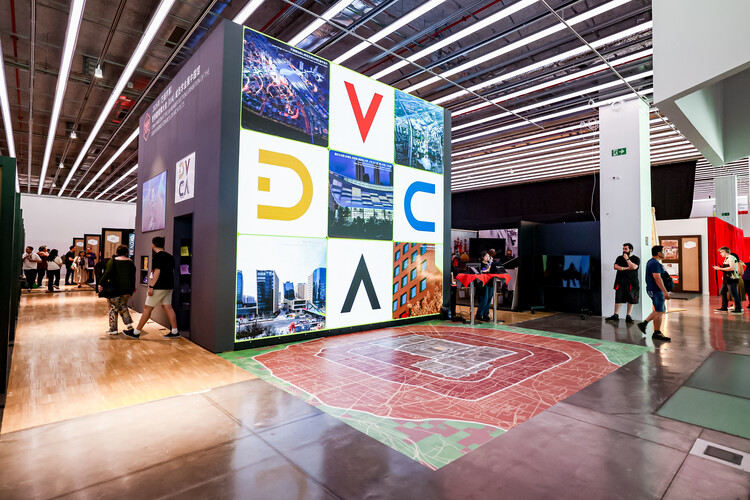
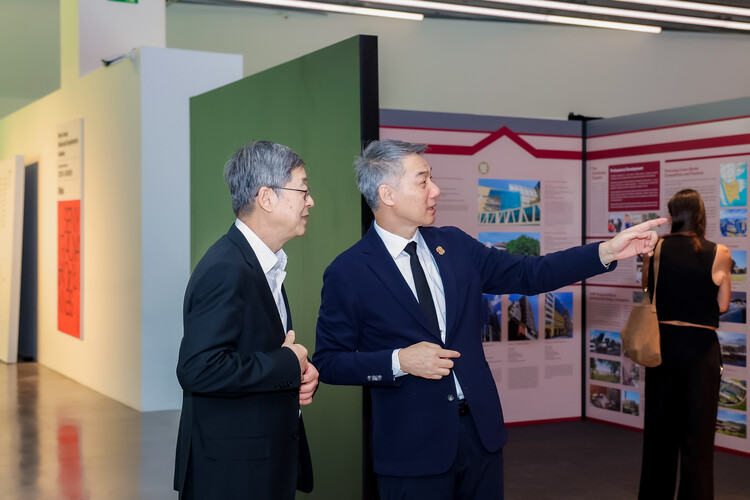
In elaborating on the curatorial concept, Liu Yulong notes that the term "dynamic" is defined on three levels: echoing the congress theme "Becoming," aligning with contemporary shifts in culture and communication methods, and accurately describing the ongoing developmental reality of Chinese architecture. He cites Vermeer's masterpiece "View of Delft" as an example, explaining that the choice of sunlight position in the seemingly static painting reflects the changes of an era. The fragmented narrative in Kazuo Ishiguro's novel "A Pale View of Hills" reveals the process of piecing together the truth of an era through numerous fragments. From art to literature and contemporary communication, people increasingly rely on dynamic information to understand the world.
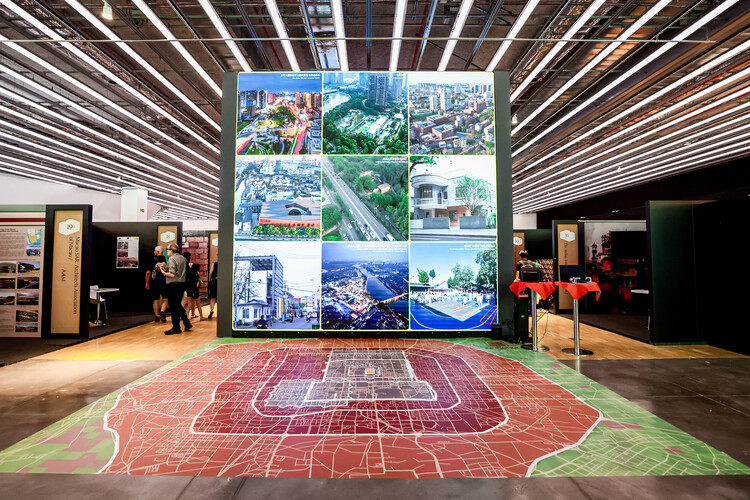
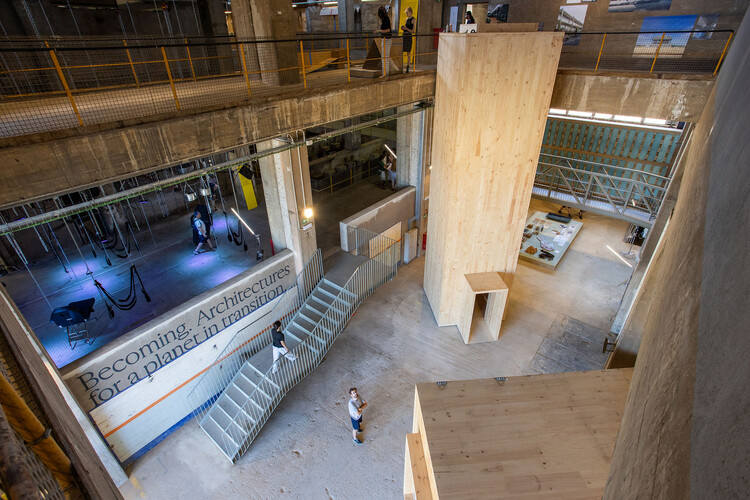
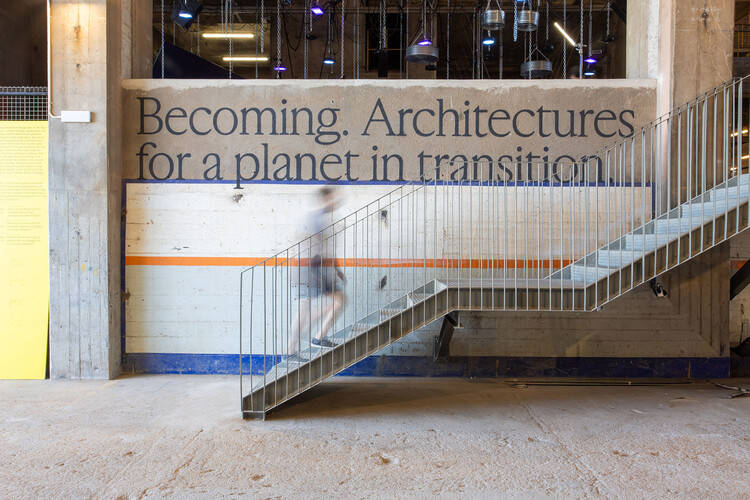
Regarding the value of Chinese architecture, Liu Yulong believes that "dynamic" and "transformation" are key to understanding this process. Chinese architectural practice is shifting from large-scale, rapid advancement to small-scale, incremental development, and from focusing on major landmark projects to everyday issues like community renewal and public services. This shift in developmental logic reflects a deep-seated change from incremental construction to stock optimization, and from high-speed growth to high-quality development.
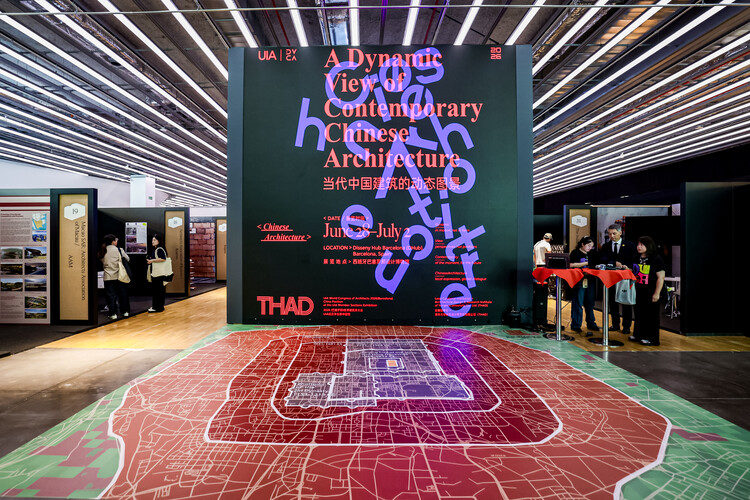
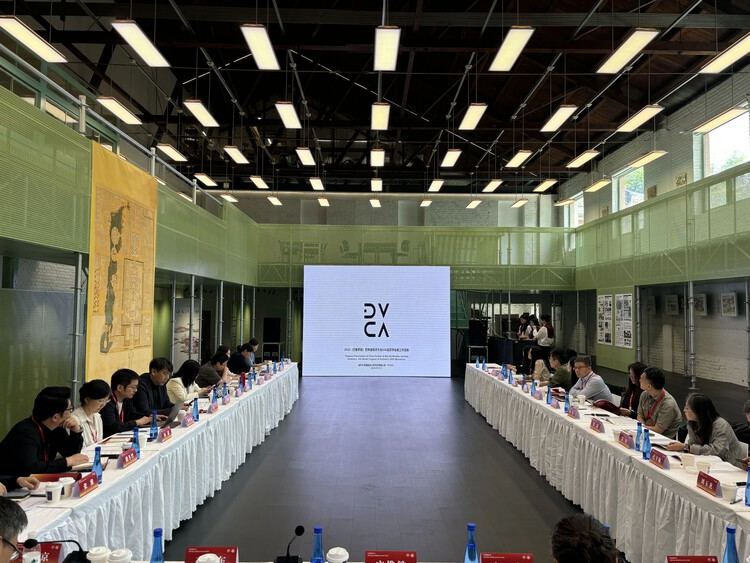
In comparison with the development of architecture in other countries, Liu Yulong points out that the characteristics of Chinese architecture—large volume, numerous projects, and vast scale—remain prominent, presenting both challenges and advantages. This exhibition utilizes six exhibition venues, whereas many countries typically use only one. Chinese architecture is contributing experience to global architectural transformation: on one hand, it demonstrates large-scale construction capabilities and development experience; on the other hand, a multitude of small-scale, refined, and site-specific projects have emerged, such as the renovation of the former residence of Lin Keming in Guangzhou, showcasing the practice of sustaining architectural cultural value under resource constraints.
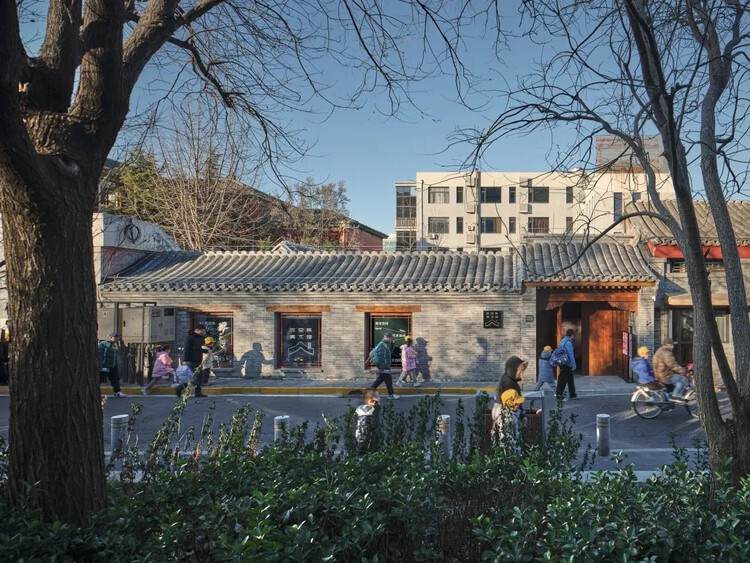
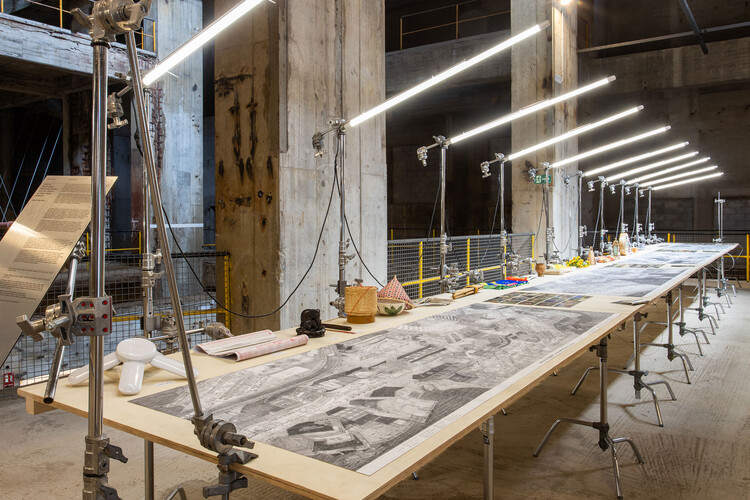
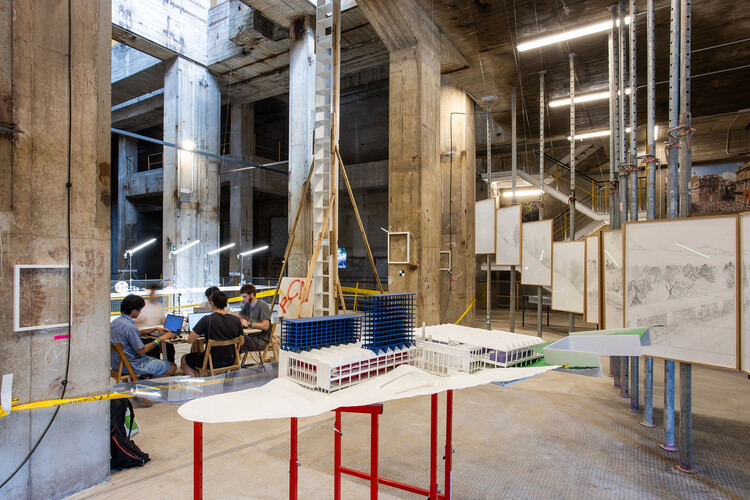
The China Pavilion exhibition features 11 thematic sections, adding new categories such as people's livelihood, healthcare, and high-quality education compared to previous editions. An online exhibition platform has also been established concurrently. The exhibition themes "dynamic" and "transformation" not only describe the current state of Chinese architecture but also reveal the profound changes underway in the overall development of Chinese society.
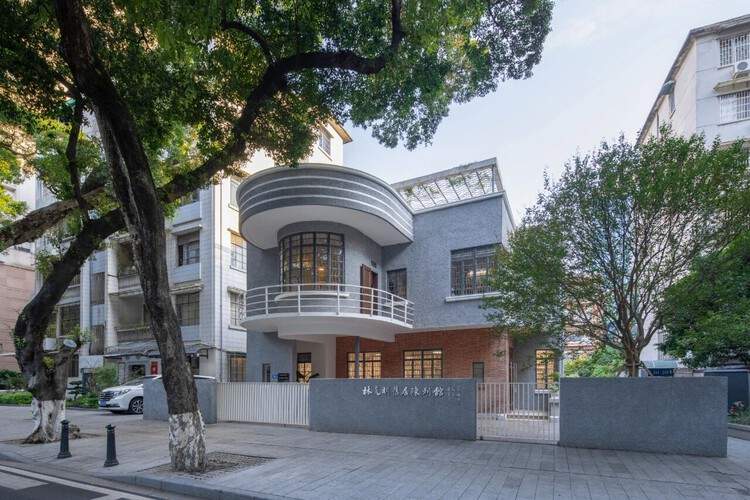
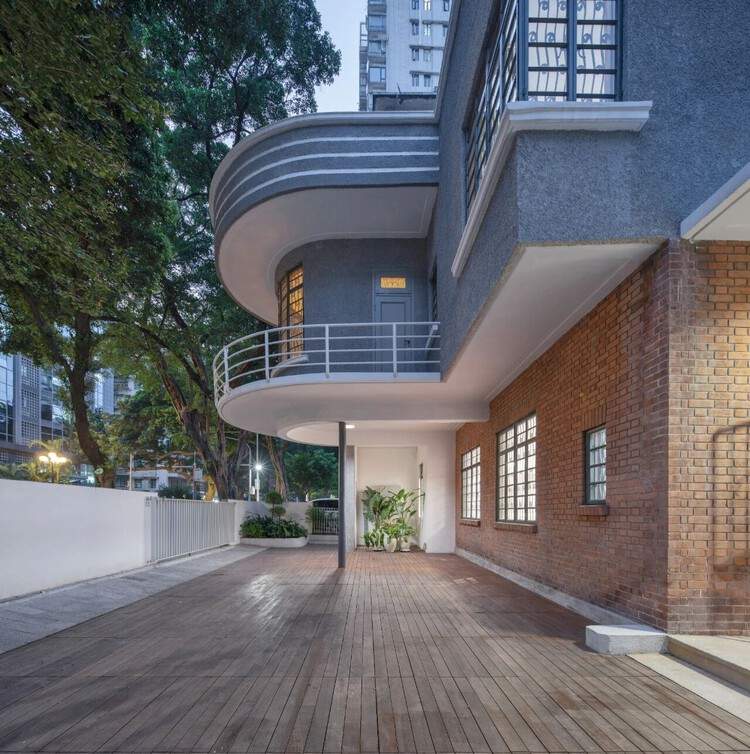
The China Pavilion exhibition features 11 thematic sections, adding new categories such as people's livelihood, healthcare, and high-quality education compared to previous editions. An online exhibition platform has also been established concurrently. The exhibition themes "dynamic" and "transformation" not only describe the current state of Chinese architecture but also reveal the profound changes underway in the overall development of Chinese society.

Related Products

Pure Polyurethane Wall Panel BD-AEF-PIR-01
Baodu International Engineering Technology Co., Ltd.
Acoustic Mineral Fiber Ceiling Tile 595x595x12mm
Shanxi Pano Trading Co., Ltd
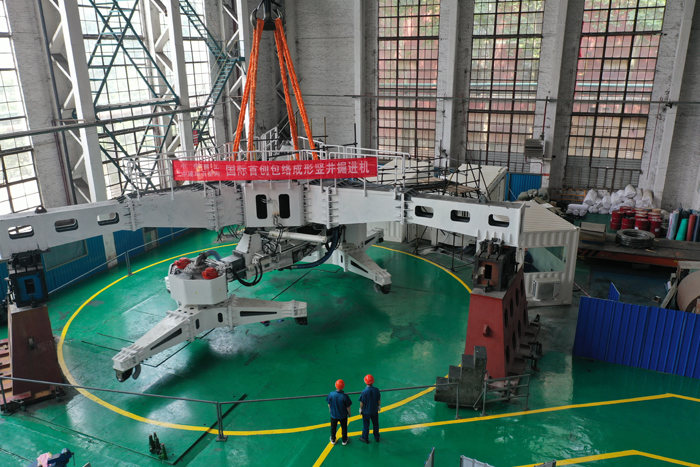
CITIC Heavy Industries Tunneling Equipment Tunnel Engineering Shield Machine
CITIC Heavy Industries Co., Ltd.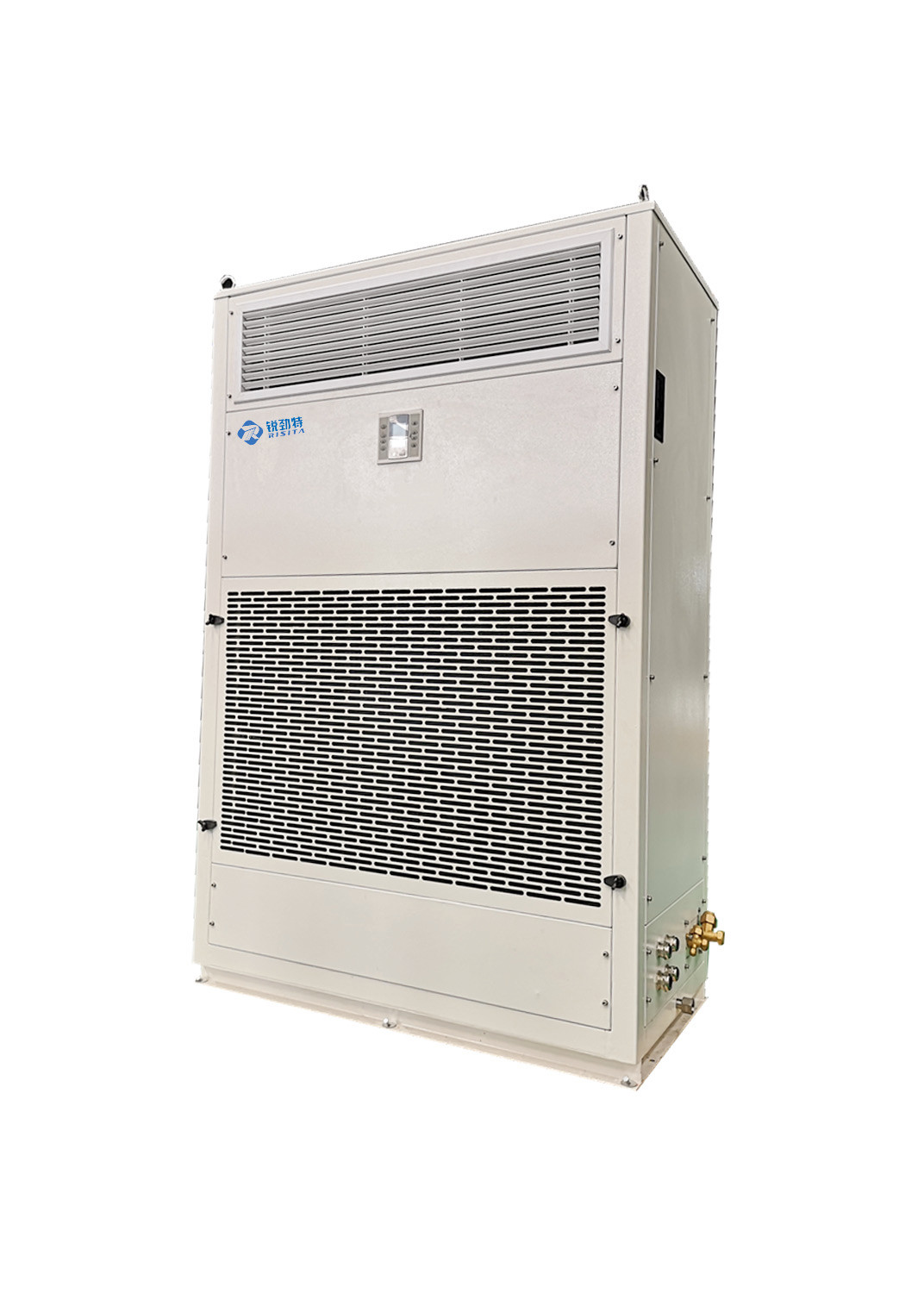
RISITA explosion-proof air conditioning
Guangdong RISITA Air Conditioning Equipment Co.,Ltd.
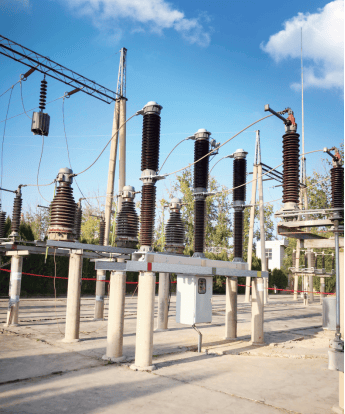
145kV Porcelain Column Type Sulfur Hexafluoride Circuit Breaker
TBEA ZONFA Shanghai High Voltage Switchgear Co., Ltd.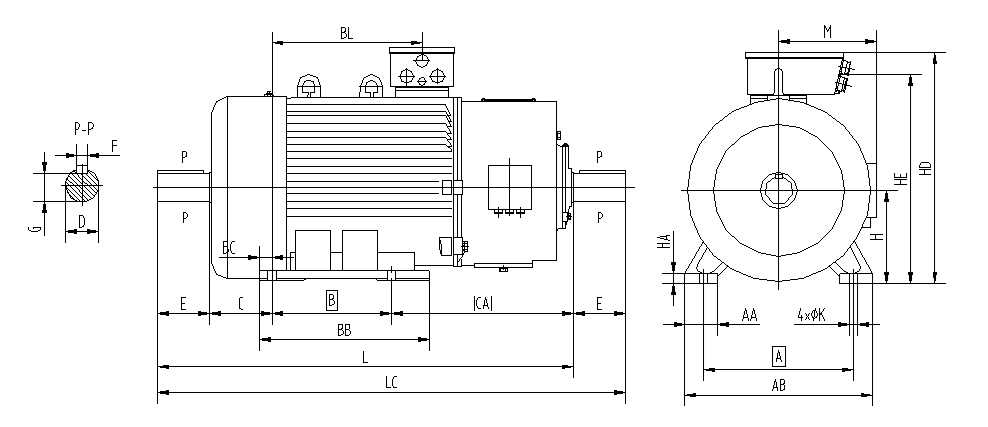
YZR (450-560) Series Wound Rotor Three-Phase Asynchronous Motors for Crane and Metallurgical Applications
Jiamusi Electric Machine Co., Ltd.