New York City Launches $184 Million Reconstruction of 70 Mulberry Street in Chinatown
en.Wedoany.com Reported - On November 9, the New York City government launched the reconstruction of the historic building at 70 Mulberry Street in Manhattan's Chinatown. The project, with an investment of $184 million, will rebuild the original five-story building—severely damaged by fire—into an eight-story community and cultural center, with completion expected in 2030. The new building will retain part of the original historic façade and stair structures, increase public space by approximately 30% compared with the original facility, and provide permanent homes for five community and cultural organizations that were displaced by the fire.
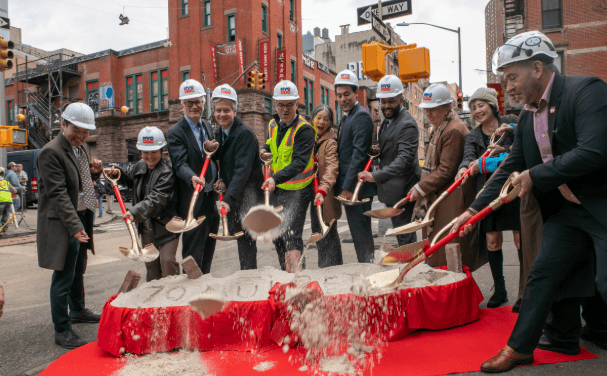
The original building on the site was constructed in 1892 and designed by architect C.B.J. Snyder. It was initially used as a public school and later became an important community activity venue in New York's Chinatown. On January 23, 2020, a severe fire broke out in the building, damaging the original facilities and forcing five long-term tenant community organizations to relocate to temporary spaces to continue their services. The reconstruction will preserve the two-story façade and historic staircase of the original building while constructing a modern main structure on that foundation.
The rebuilt building will have eight stories and will include six community activity rooms, with the two rooms on the top floor able to be combined. The sixth floor will feature a multifunctional space facing Columbus Park, suitable for performances, sports activities, cultural exchanges, lectures, and community banquets, directly connected to landscaped terraces along Mulberry Street and Bayard Street. The building's activity spaces are expected to accommodate up to 475 people, and a kitchen and supporting facilities serving elderly residents will also be provided.
The five original tenant organizations will regain permanent spaces: the Chinatown Senior Center, the United East Athletic Association, the Chen Dance Center, the Museum of Chinese in America, and the Chinatown Manpower Project. The rebuilt facility will provide spaces for cultural exhibitions, senior services, sports activities, arts education, and employment support, replacing the services that have been scattered across temporary locations since the fire.
The building's mechanical and electrical systems will be fully upgraded, including HVAC, mechanical, electrical, plumbing, fire alarm, and security systems. The project includes three elevators, a new entrance lobby, and accessible restrooms, with accessibility improved in accordance with the Americans with Disabilities Act (ADA). The building will use an all-electric system and will be equipped with emergency backup power generation facilities.
The project plans to install a solar canopy on the roof and integrate photovoltaic components into the building façade. Together, the two components are expected to generate up to 410 megawatt-hours of electricity per year, meeting up to 30% of the building's annual electricity demand. The project also plans to use reused and locally sourced building materials to reduce embodied carbon emissions, with the goal of achieving LEED Platinum certification from the U.S. Green Building Council.
The project is being advanced by the New York City Department of Design and Construction (DDC), with Grimshaw as the architectural design firm and Hunter Roberts Construction Group as the construction manager. The project uses the Construction Manager-Build (CM-Build) delivery model, bringing the design team and construction team into the project implementation process early. New York City has previously used this model mainly for library projects and emergency construction projects; this is the first time the department has applied it to routine public building reconstruction projects outside those two categories.
In addition to the reconstruction of the main building, the project also includes a three-part public art installation titled Wings of Everchange by artist Jennifer Wen Ma. The work will use metal, glass, and other objects recovered from the 2020 fire site, combining a suspended sculpture, ink paintings on glass, and community oral history materials. The main suspended sculpture will be approximately 33 feet long, and amber glass spheres will be used to preserve memory materials related to the building and the community.
Related Products


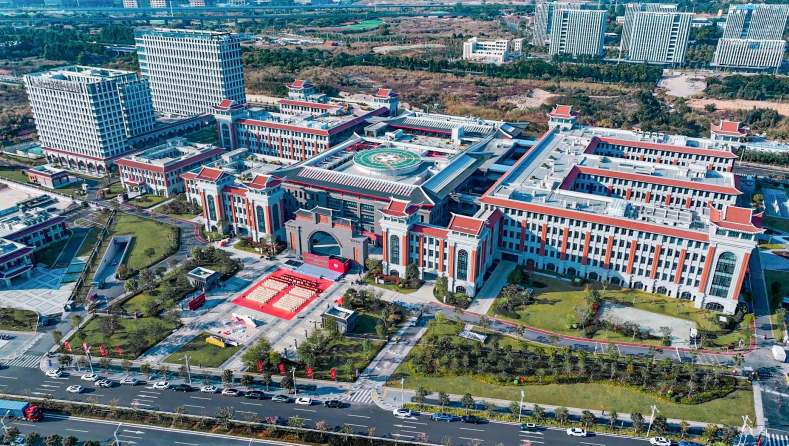
West China Xiamen Hospital of Sichuan University
Wuhan Huakang Century Clean Technology Co., Ltd.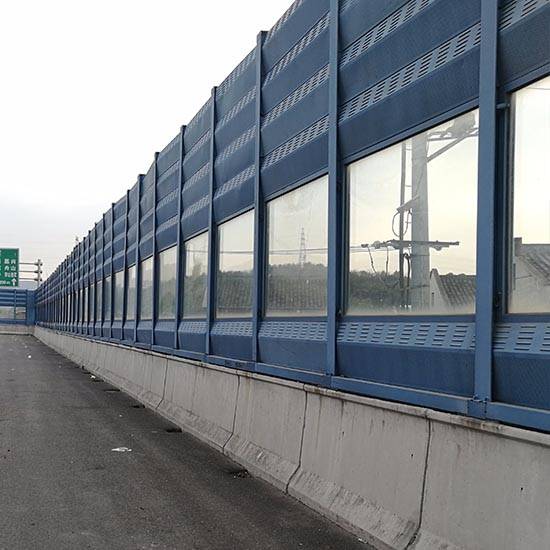
Metal sound barriers that can reduce the transmission of road noise
Hebei Jinbiao Construction Materials Tech Corp., Ltd.

ERW Welded Pipe (Black Pipe and Hot-dip Galvanized Steel Pipe)
Handan Zhengda Steel Pipe Co., Ltd.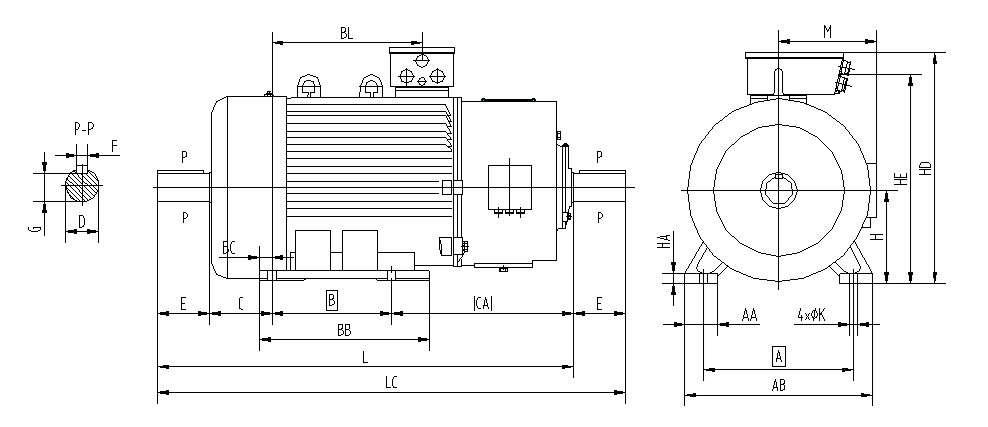
YZR (450-560) Series Wound Rotor Three-Phase Asynchronous Motors for Crane and Metallurgical Applications
Jiamusi Electric Machine Co., Ltd.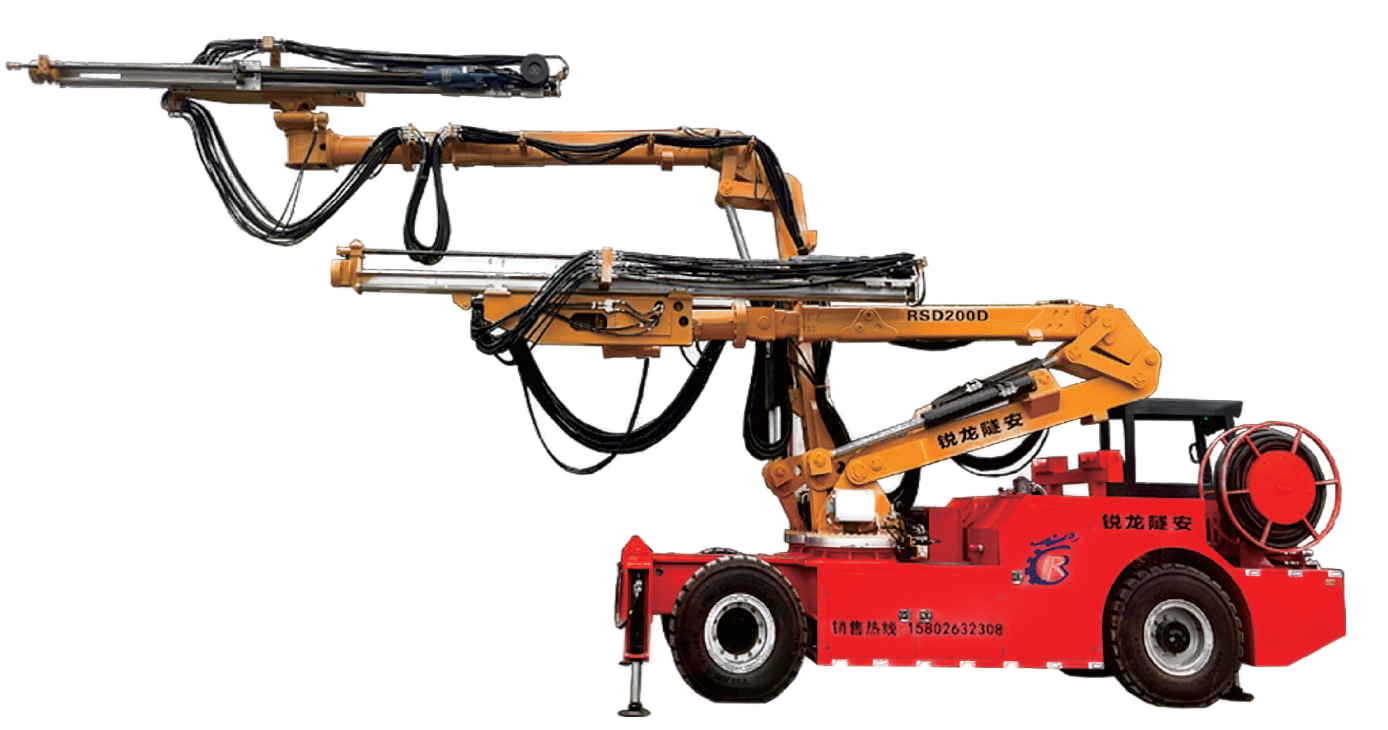
Dual-curved Arm Rock Drilling Trolley RSD200D
Chengdu Ruilong Machinery Manufacturing Co., Ltd.
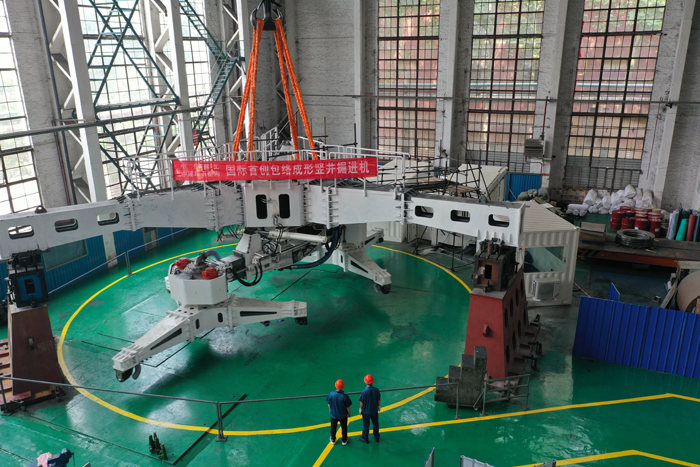
CITIC Heavy Industries Tunneling Equipment Tunnel Engineering Shield Machine
CITIC Heavy Industries Co., Ltd.