Vietnam's Cai Mep LNG Terminal Begins Gas Supply to Phu My Power Plant
en.Wedoany.com Reported - AG&P LNG announced on Friday that its Cai Mep LNG terminal in Vietnam has delivered regasified natural gas to the Phu My power plant for the first time via the newly built Cai Mep-Phu My natural gas pipeline and distribution station. This marks the completion of commissioning for the pipeline system connecting the terminal with Vietnam's largest gas-fired power complex—the 4 GW Phu My Center.
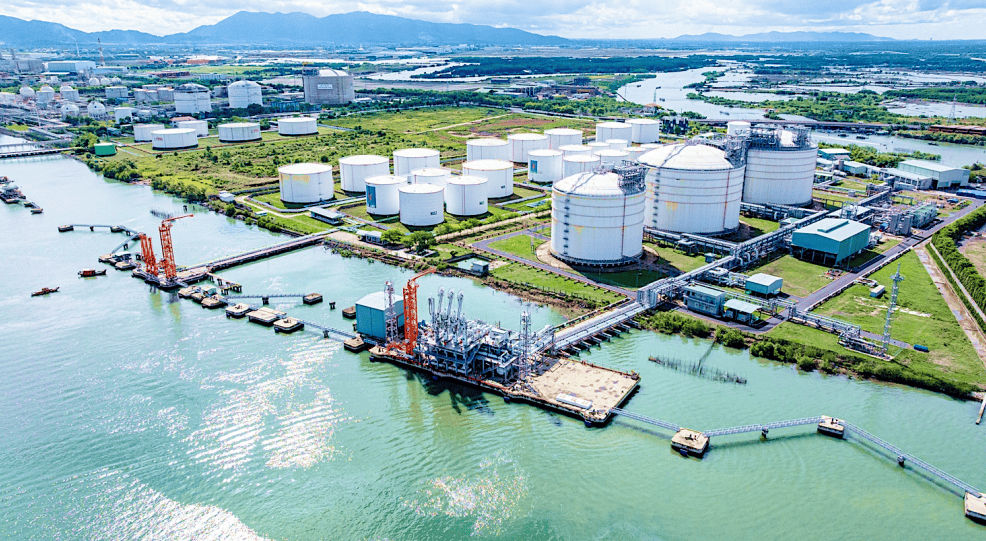
This gas delivery is carried out under the gas sales agreement between the Cai Mep LNG terminal (CM LNG) and EVNGENCO3, covering the commissioning and reliability testing phases of the new pipeline infrastructure. AG&P LNG stated that this phase of delivery will enable the Phu My 2.1 and 2.1E power plants to begin consuming regasified LNG, integrating the terminal, pipeline, and power complex before entering long-term commercial operations.
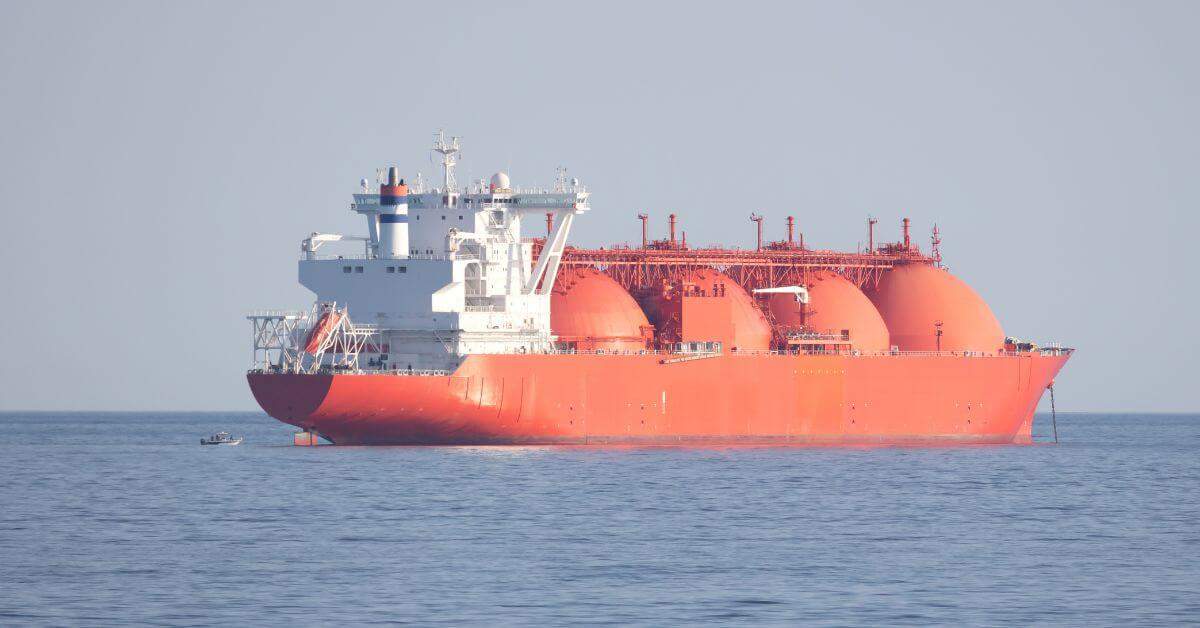
With the start of gas supply, CM LNG becomes the first private terminal in Vietnam to deliver regasified LNG to the Phu My power complex. The facility is equipped with three onshore storage tanks, with a total LNG storage capacity of 220,000 cubic meters, capable of handling LNG bulk cargo, and features 14 truck loading bays—7 for LNG and 7 for compressed natural gas (CNG).
AG&P LNG noted that the pipeline connection to the 4 GW Phu My power complex has now been commissioned, positioning CM LNG as a key node in Vietnam's emerging LNG-to-power supply chain, complementing its established truck loading and bulk distribution network serving industrial customers nationwide.
The Cai Mep facility is Vietnam's second LNG import terminal, the other being the Thi Vai LNG terminal operated by PetroVietnam Gas, both located in Ba Ria-Vung Tau Province. Last year, AG&P LNG and Vietnam's Hai Linh Company received the first commissioning cargo at this terminal. In April, AG&P LNG, a subsidiary of Nebula Energy, agreed to acquire all shares of the LNG import terminal, following its 2024 announcement to acquire a 49% stake from Hai Linh. CM LNG currently has a capacity of 3 million tons per year, with the potential to double its capacity.
Related Products

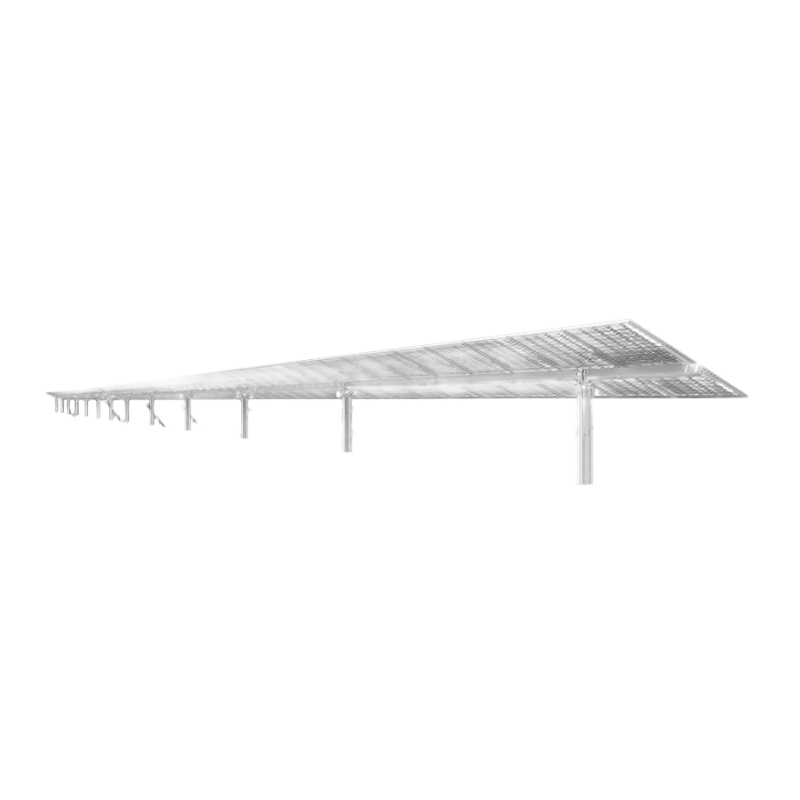
TAI Slew-drive Single-axis Independent 1P Tracking Bracket System
ANTAI TECHNOLOGY CO., LTD.

Off-Grid Fuel Cell Supercharging Station (180kW Configuration)
Shanghai REFIRE Group Limited
Forest and Grassland Heat Source Infrared Monitor
China Huayun Meteorological Technology Group Co., Ltd.