SDIC Yalong River Company Releases China's First Integrated Hydro-Wind-Solar Large Model
en.Wedoany.com Reported - On July 16, 2026, SDIC Yalong River Basin Hydropower Development Co., Ltd. officially released China's first integrated intelligent operation large model for hydro-wind-solar systems. This model integrates massive heterogeneous data from satellite remote sensing, ground meteorological stations, basin hydrological stations, and wind and solar farms, establishing a comprehensive forecasting and prediction system covering the entire basin, all elements, multiple time scales, and the full chain.
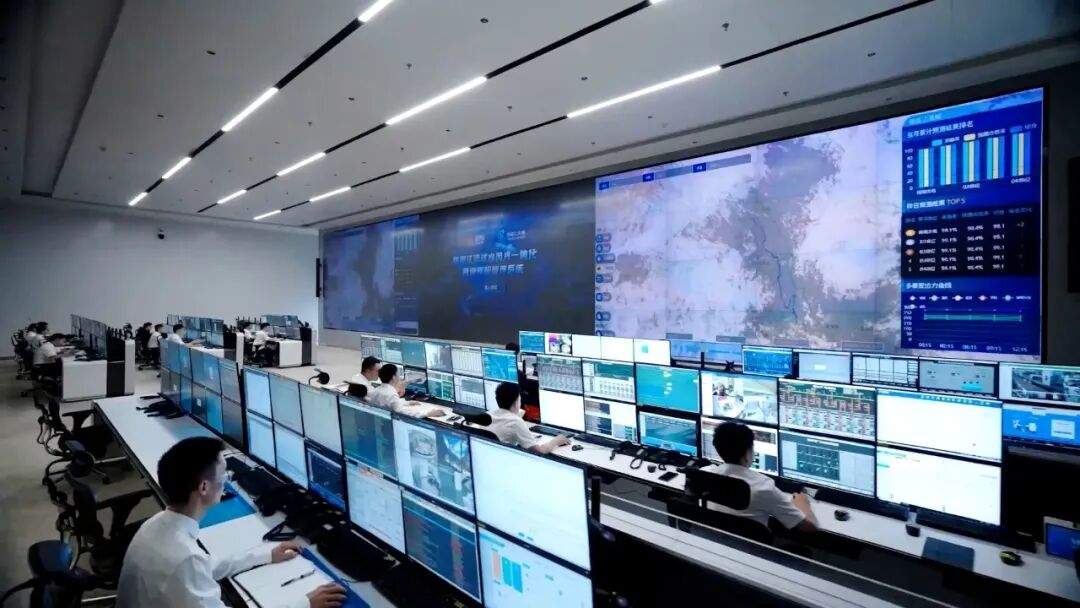
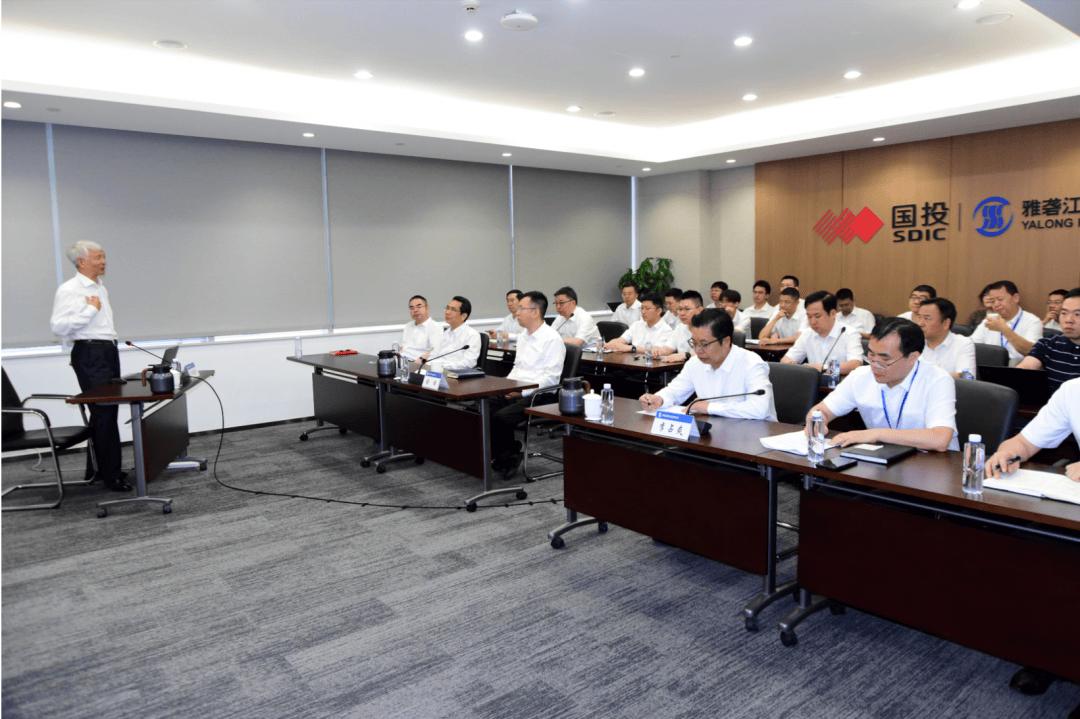
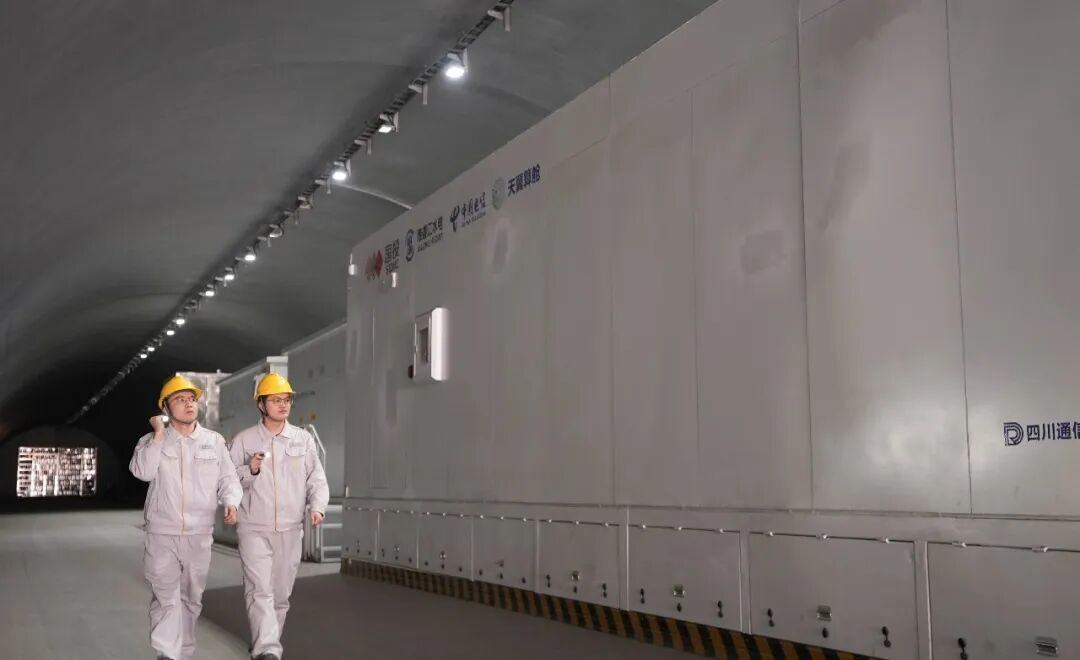
This large model represents a phased achievement of one of the five key annual tasks identified by the SDIC Party Group for integrated breakthroughs: "Deepening the application of AI to drive industrial advancement." To complete the development task, the Party Committee of SDIC Yalong River Company established a joint task force led by technical backbone party members. The company's top leadership personally took charge, while technical leaders Zhou Yu, Ding Renshan, Su Jianbo, and other party members spearheaded the large model's technical architecture and overall technical plan. The task force collaborated with institutions including Tsinghua University, the National Meteorological Center, Huaneng Clean Energy Research Institute, and Huairou Laboratory, and exchanged ideas with internationally renowned climatologist and foreign academician of the Chinese Academy of Sciences, Chen Deliang. They focused on data governance, model training, intelligent agent development, and scenario validation, ultimately achieving full-chain localization. The large model is supported by computing power from China's first high-altitude cave-type intelligent computing center, fully integrating the four core business scenarios of forecasting and prediction, power dispatch, production operations, and marketing.
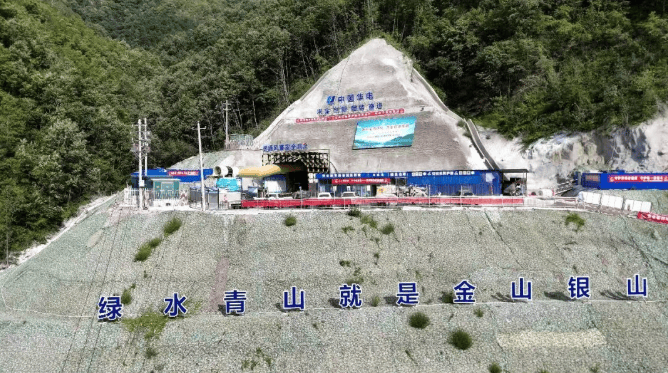
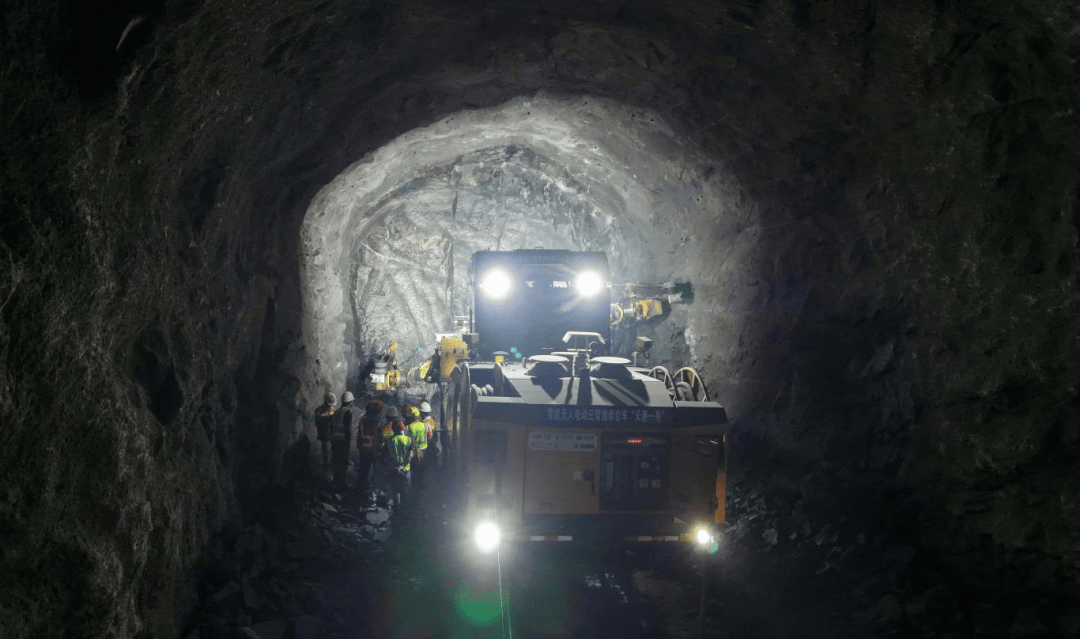
In the field of intelligent construction, the company's self-developed intelligent unmanned electric rock drilling rig, "Tianlong No. 1," has achieved autonomous driving and unmanned drilling operations, with remote control capabilities. The rig was jointly developed by the "Lianghekou Pumped Storage Youth Commando Team" from the Lianghekou Pumped Storage Power Station, in collaboration with Tianjin University, China Agricultural University, and XCMG. Team technical leader and party member Wang Pengsheng led the team to overcome challenges such as smoke interference, multi-drill arm interference, and sudden changes in rock layer hardness. After over 30 rounds of system debugging and hundreds of on-site drilling verifications, they conquered difficulties including precise rock identification in complex dusty environments, coordinated control of multiple drill arms, and dynamic self-adaptation of drilling parameters. As of January 2026, "Tianlong No. 1" had completed over 3,000 drill holes with a total drilling footage exceeding 80 meters, reducing high-risk on-site drilling personnel from 15 to 2, improving operational efficiency by over 30%, and helping complete the excavation of the project's underground powerhouse three months ahead of schedule.
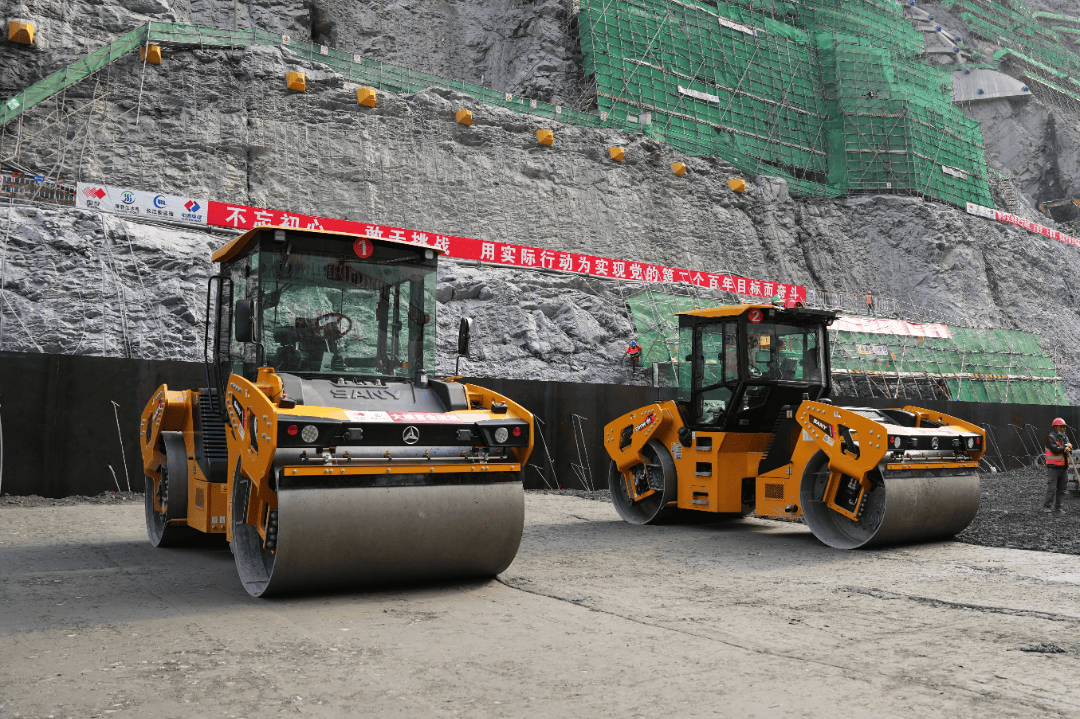
At the Mengdigou Hydropower Station, engineering technicians repeatedly experimented and optimized algorithms for blasting operations under complex geological conditions, overcoming challenges in irregular body blasting design and automatic acquisition of geological parameters, achieving one-click generation of blasting design, simulation, and evaluation. At the dam placement area of the Kala Hydropower Station, intelligent paving, intelligent rolling, and intelligent vibrating equipment worked in coordination. In February 2026, the first placement area exceeding 10,000 cubic meters was completed after 60 hours of continuous operation, with an average placement efficiency of 200 cubic meters per hour, reducing on-site personnel by 25% to 30%.
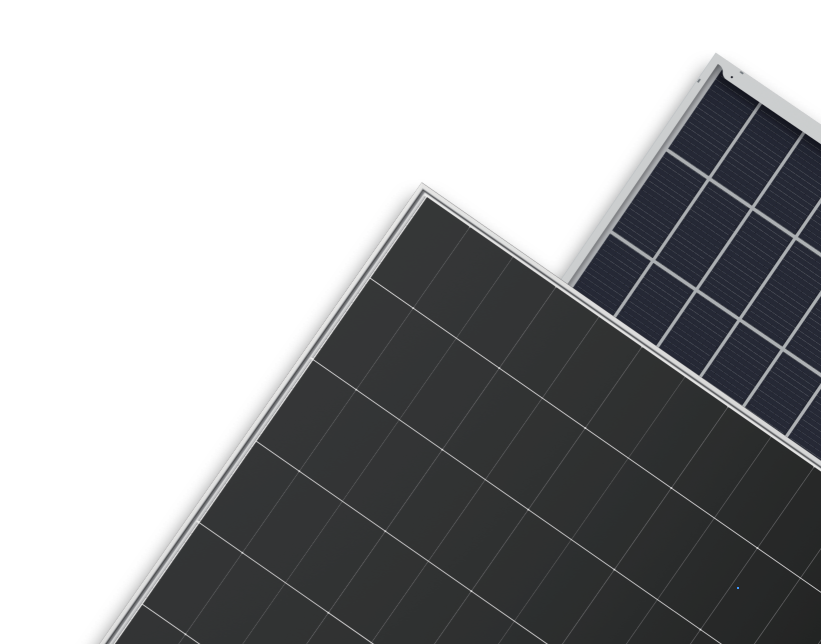
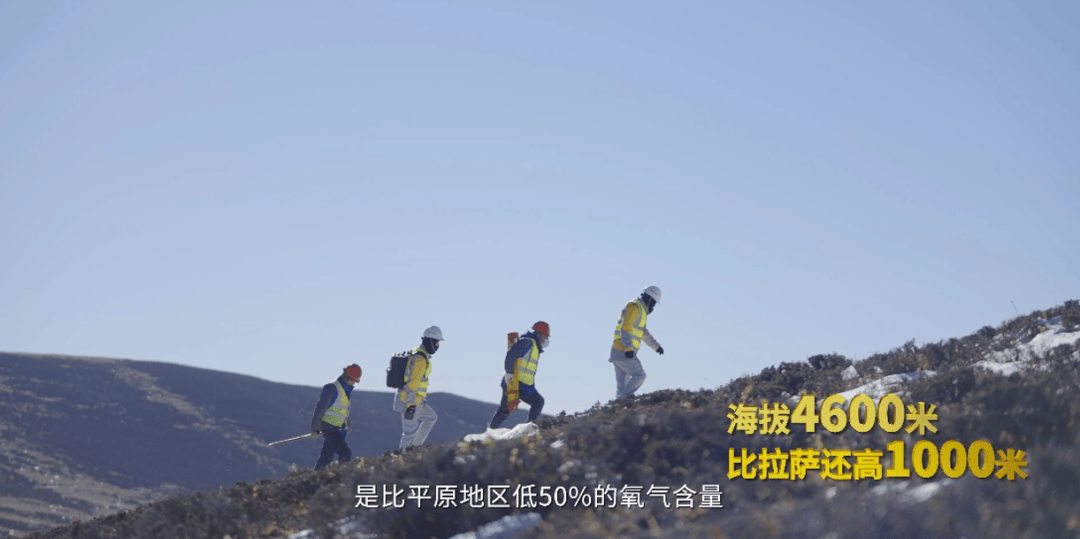
In the area of intelligent operations and maintenance, to address the challenges of photovoltaic (PV) operations and maintenance in high-altitude, cold mountainous regions, the "Plateau Sun Chaser" Party Member Vanguard Team, composed of young backbone members, collaborated with equipment experts over 15 months to develop an intelligent operations and maintenance management system suitable for ultra-large PV stations in complex mountainous terrain. This system integrates large model capabilities to dynamically optimize inspection routes and assist in equipment fault diagnosis. Since its deployment, operations and maintenance efficiency has improved by 50%, and the accuracy of PV module fault diagnosis has increased to over 96%.
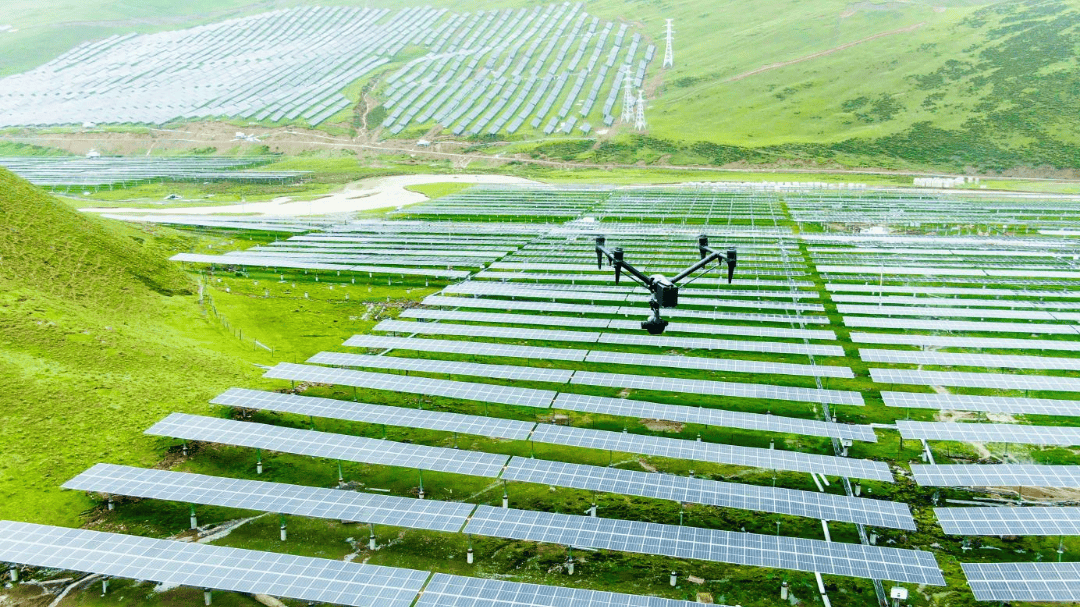
At the Kela Photovoltaic Power Station, drones equipped with infrared cameras, zoom lenses, and other detection devices scan PV modules one by one, with anomaly information transmitted in real-time to the intelligent operations and maintenance system. Jiang Yijie, the leader of the Kela "Plateau Sun Chaser" Party Member Vanguard Team and an SDIC "Outstanding Communist Party Member," explained that the system can accurately identify module anomalies. The "Lifecycle Intelligent Management and Control of High-Altitude Large-Scale Photovoltaic Power Stations" has been selected as an "Excellent Construction Achievement of Central Enterprise AI Strategic High-Value Scenarios" and included among 100 "AI+" energy and electricity promotion cases.
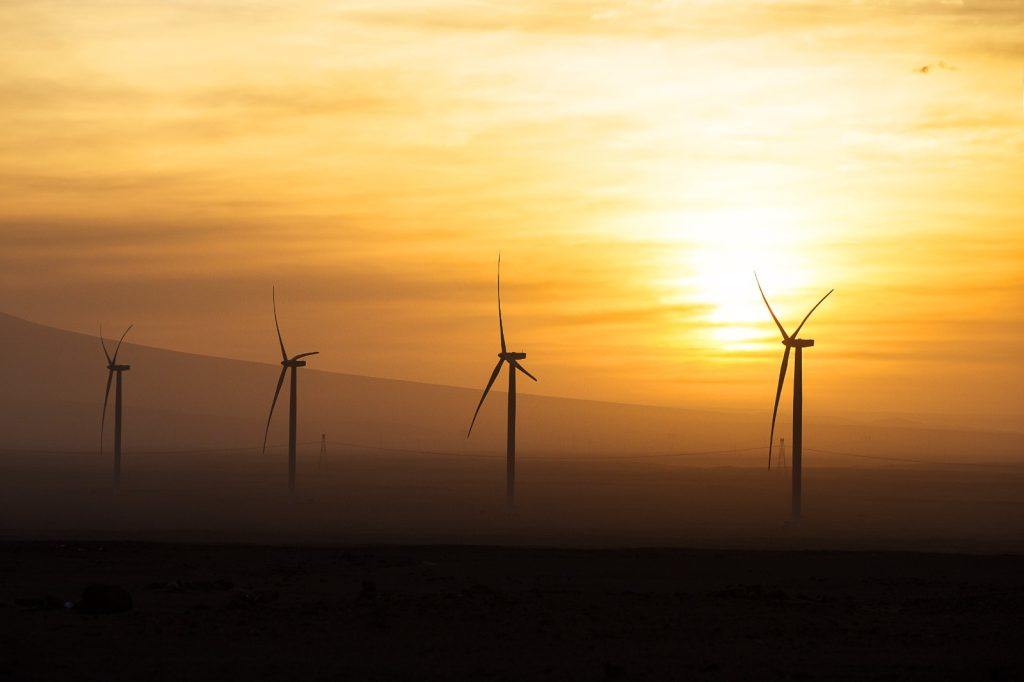
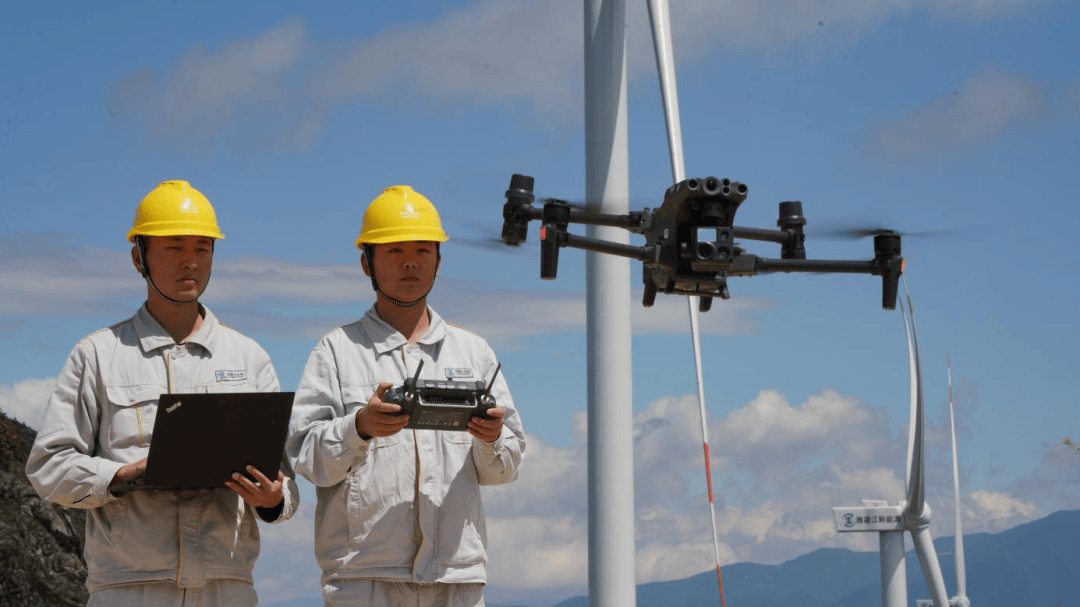
At the Labashan Wind Farm, the company collaborated with Dongfang Electric to advance the intelligent upgrade of wind turbine equipment. The intelligent control system of the smart wind farm can adjust turbine operation strategies based on real-time wind conditions and identify potential equipment hazards in advance. Since its deployment, the system has issued 283 early warnings for equipment defects, reducing power loss from faults by 3.05 million kWh and increasing the average turbine availability rate by 2%.
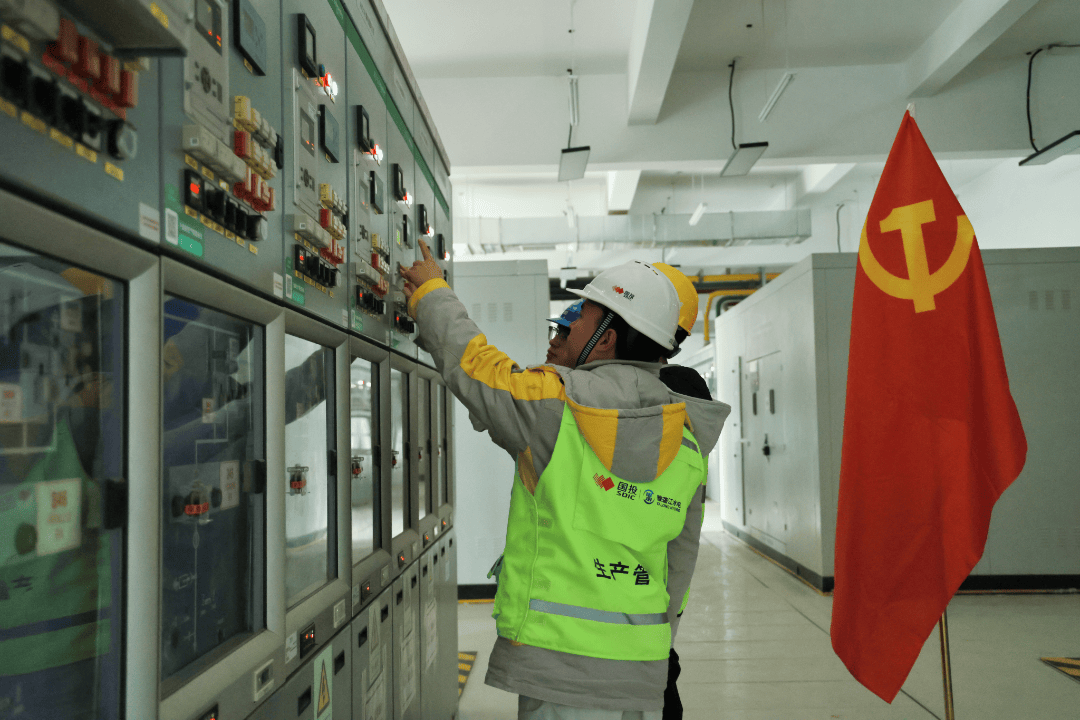
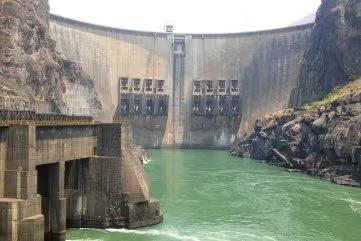
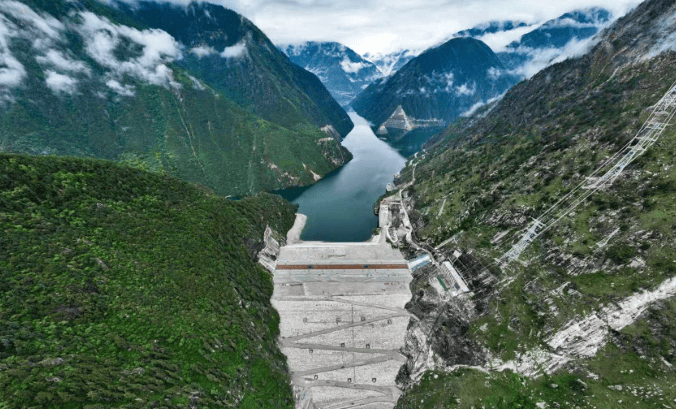
At the Yangfanggou Hydropower Station, thousands of high-precision sensing devices and edge computing nodes form a perception system that feeds data in real-time into an intelligent monitoring and decision support system. This system can assess equipment status, trace fault causes, and match response plans, improving fault response speed by an average of over 60%.
Related Products
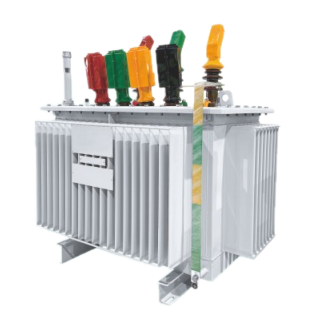

IS(B)□-M·RL Series Oil-immersed 3D Transformer (Planar / 3D Wound Core)
Guangdong Kehua Electric Power Technology Co., Ltd.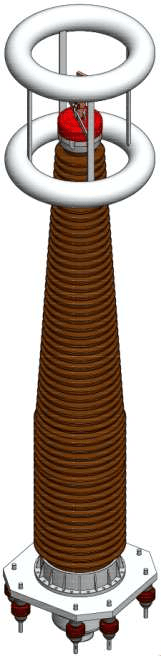
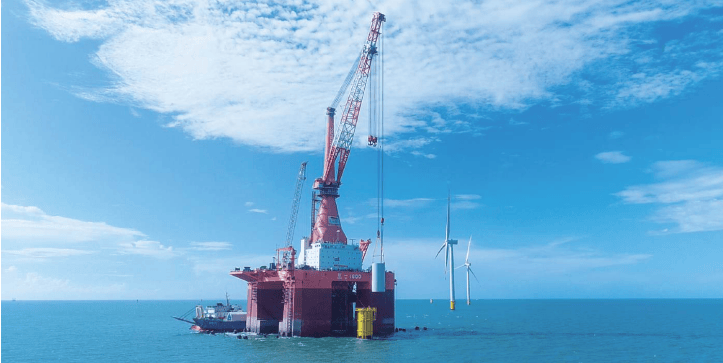
"Shunyi 1600" Deep-submerging Bottom-sitting Multi-functional Wind Power Engineering Vessel
Zhengli Offshore Engineering Co., Ltd.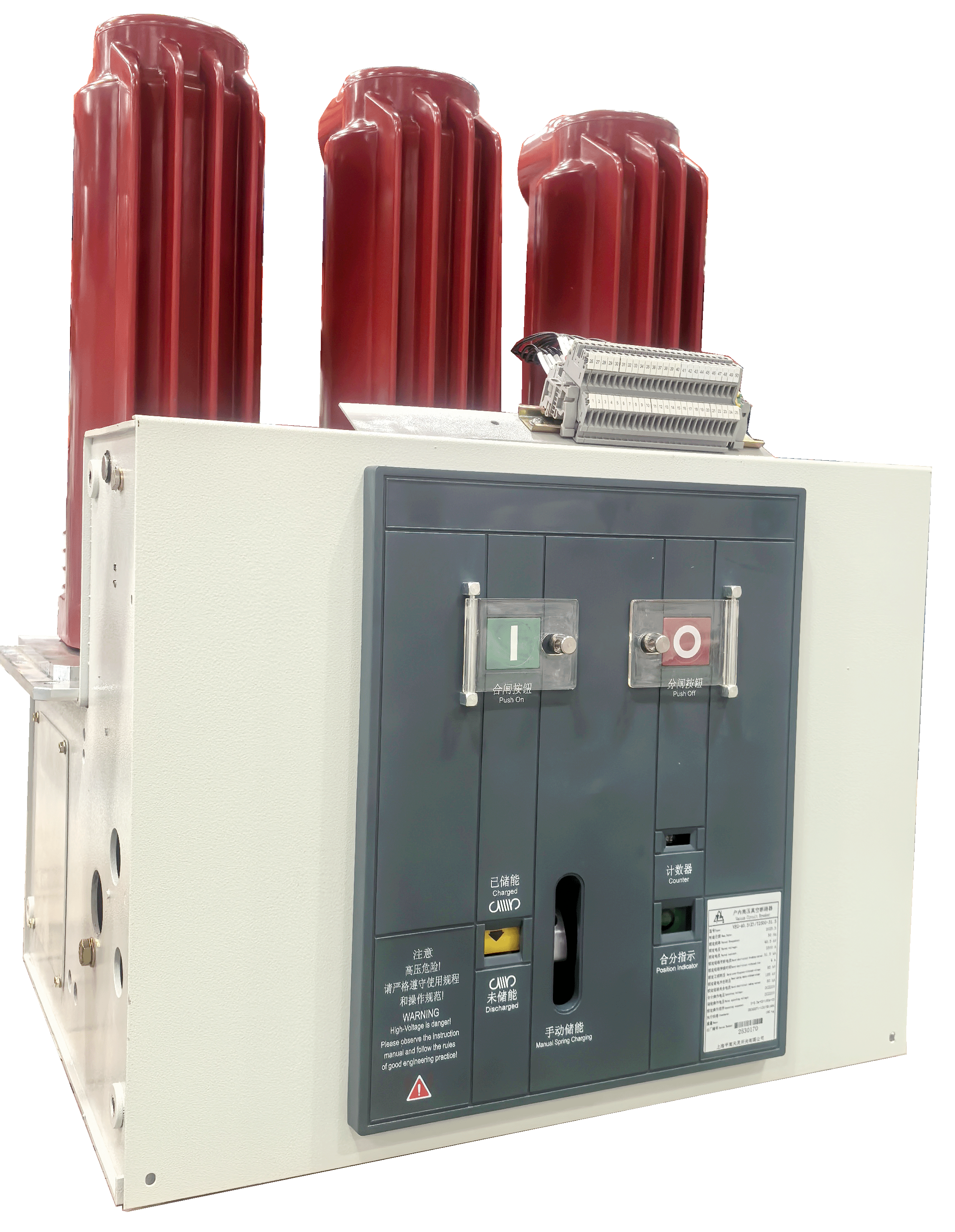
VEG-12/24/40.5 Series Vacuum Circuit Breaker
SHANGHAI PINGGAO TIANLING SWITCHGEAR CO., LTD.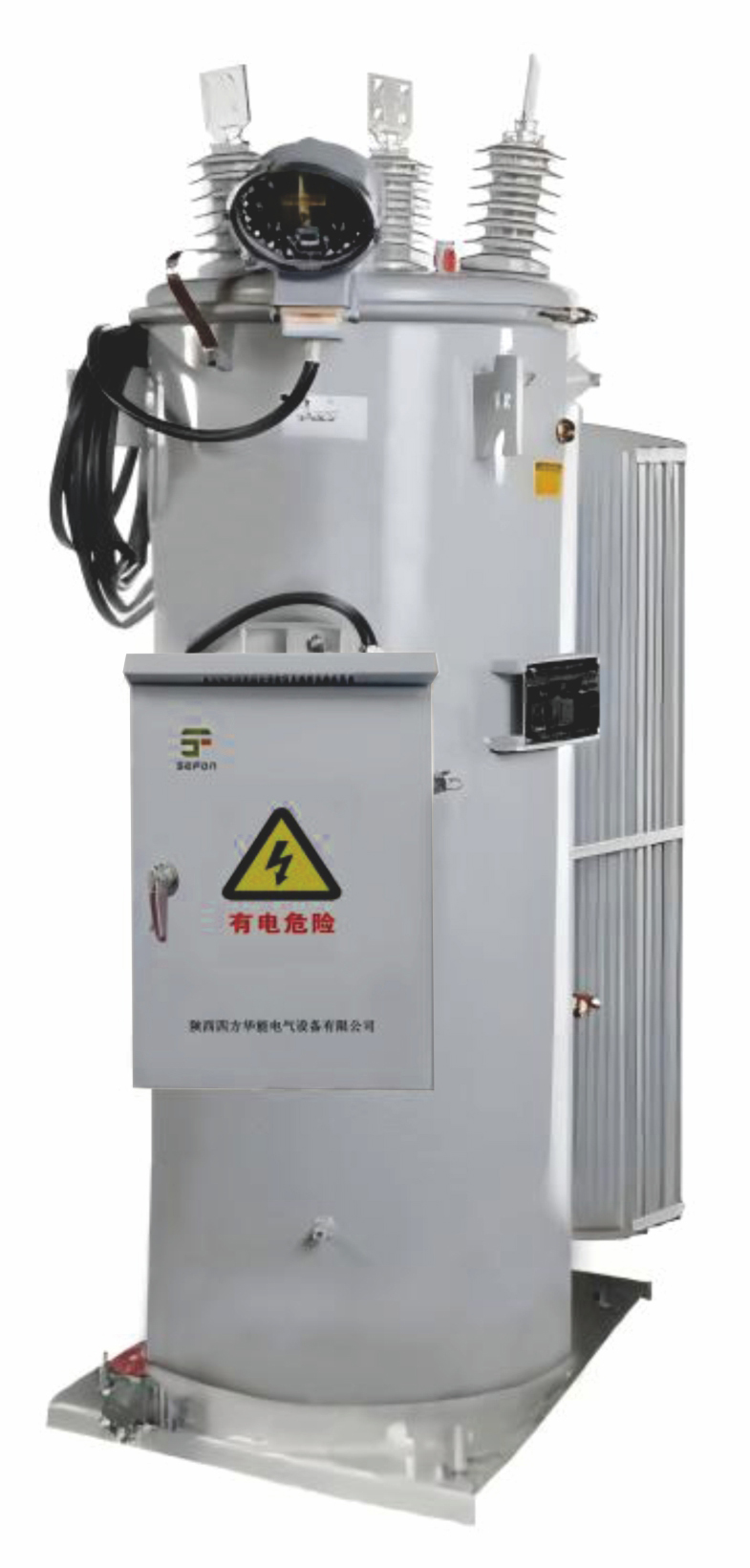
Single-Phase Automatic Voltage Regulator(AVR)
Shaanxi Sefon Electrical Equipment Co.,Ltd.
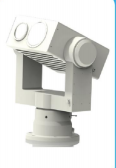
Forest and Grassland Heat Source Infrared Monitor
China Huayun Meteorological Technology Group Co., Ltd.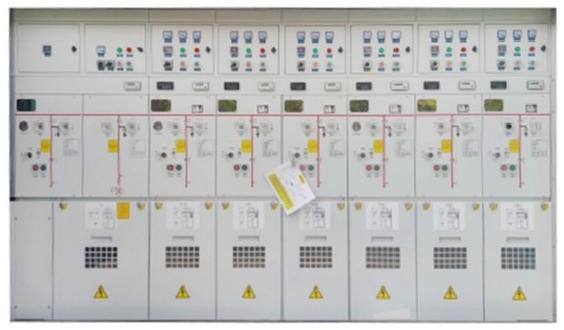
NISELA Series Environmentally Friendly Gas-Insulated Ring Main Unit
XJ DELISHIER ELECTRIC CO., LTD.