U.S. Smart Plastic Technologies Company Obtains Patent for Bio-Assimilation Polyolefin Technology
en.Wedoany.com Reported - Smart Plastic Technologies LLC has been granted a patent by the United States Patent and Trademark Office (USPTO), Patent No. 12,668,672 B2, titled "Bio-Assimilation Masterbatch Composition, Method for Producing Polymer Bio-Assimilation Material from the Composition, and Products Made Therefrom."
The granted patent claims cover specific SPTek Eclipse masterbatch formulations for polyolefins, including formulations targeting functional life applications of approximately 18 months and 24 months. This grant marks the transition of the company's SPTek Eclipse technology platform from a patent application status to a protected patent, serving as a key milestone in its intellectual property strategy. Continuation and continuation-in-part applications for other aspects of the technology are still pending before the USPTO.
In a market filled with various claims about end-of-life plastic solutions, Smart Plastic believes that a U.S. patent granted after prior art examination provides a publicly verifiable milestone for the industry. The granted claims focus on the specific chemical composition of the SPTek Eclipse masterbatch reviewed by the USPTO, which referenced test literature related to microbial colonization and biodegradation of plastics during the examination process. The company also supports its technical claims through testing based on ASTM D5526 and D6954 standards.
Yaman Peksenar, Technical Director of Smart Plastic Technologies, stated that after years of USPTO review, the company now has granted claims for the specific masterbatch chemical composition at the core of the SPTek Eclipse platform. Combined with a third-party verified technical testing program, this provides manufacturers and brand owners with a clearer basis for evaluating the technology.
The SPTek Eclipse technology modifies traditional polyethylene and polypropylene (including resin types 2, 4, and 5) via a masterbatch approach, aiming to promote bio-assimilation after the product reaches its intended service life. Smart Plastic states that the technology is designed to convert plastic materials into carbon dioxide, water, and biomass, rather than leaving behind microplastic fragments. The new patent includes formulations optimized for different applications: an HDPE/LLDPE blend formulation for flexible packaging, designed for a service life of approximately 18 months; and a polypropylene formulation for rigid articles (including food-contact consumer tableware), designed for a service life of approximately 24 months. The granted claims specify that the masterbatch addition rate is 1% for the approximately 18-month formulation and 1.5% for the approximately 24-month polypropylene formulation. Smart Plastic evaluates recyclability and food contact compliance for applicable products on a case-by-case basis.

Smart Plastic notes that this granted patent addresses a common concern among processors and brand owners when evaluating emerging end-of-life plastic technologies. Robin Misir, Vice President of Operations, stated that manufacturing partners ask at every meeting whether the technology is real and effective. Now, they can provide an answer that includes a granted patent number for independent review, along with technical data. This changes the communication landscape with processors and brand owners who were previously on the fence, prompting them to consider dedicating production lines to SPTek Eclipse.
Alongside the patent announcement, Smart Plastic is promoting its proposed Smart Standard, a framework for end-of-life treatment and labeling of bio-assimilation plastics. The company believes that traditional recycling can only handle a limited amount of plastic waste, and many regions lack industrial composting facilities, leaving a significant volume of polyolefin packaging without viable end-of-life solutions. Smart Plastic invites brand owners, processors, and regulators to visit its website changetheplastic.com to review the Smart Standard and patent documents.
Related Products
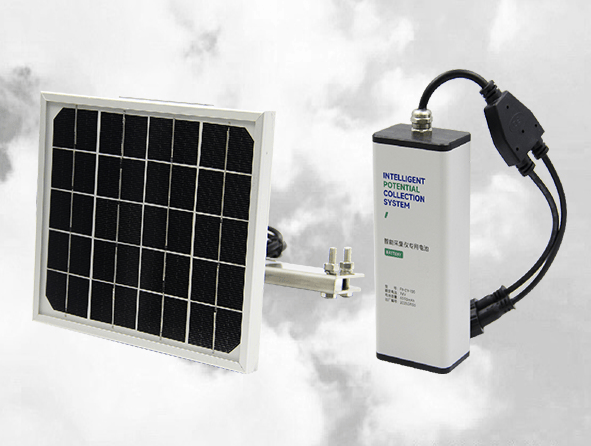

Inductive Power Harvesting Self-Powered Device - Safuneng
SELF ENERGY TECHNOLOGY (SHENZHEN) CO., LTD.
Hydraulic Turbine Genset
Dongfang Electric Corporation Dongfang Electric Machinery Co., Ltd.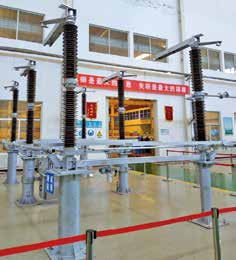
GW4-40.5/72.5/126/145/170/252/363/420 Series Double-column Horizontal Rotary High-voltage AC Disconnect Switch
SHANDONG TAIKAI DISCONNECTORS CO., LTD.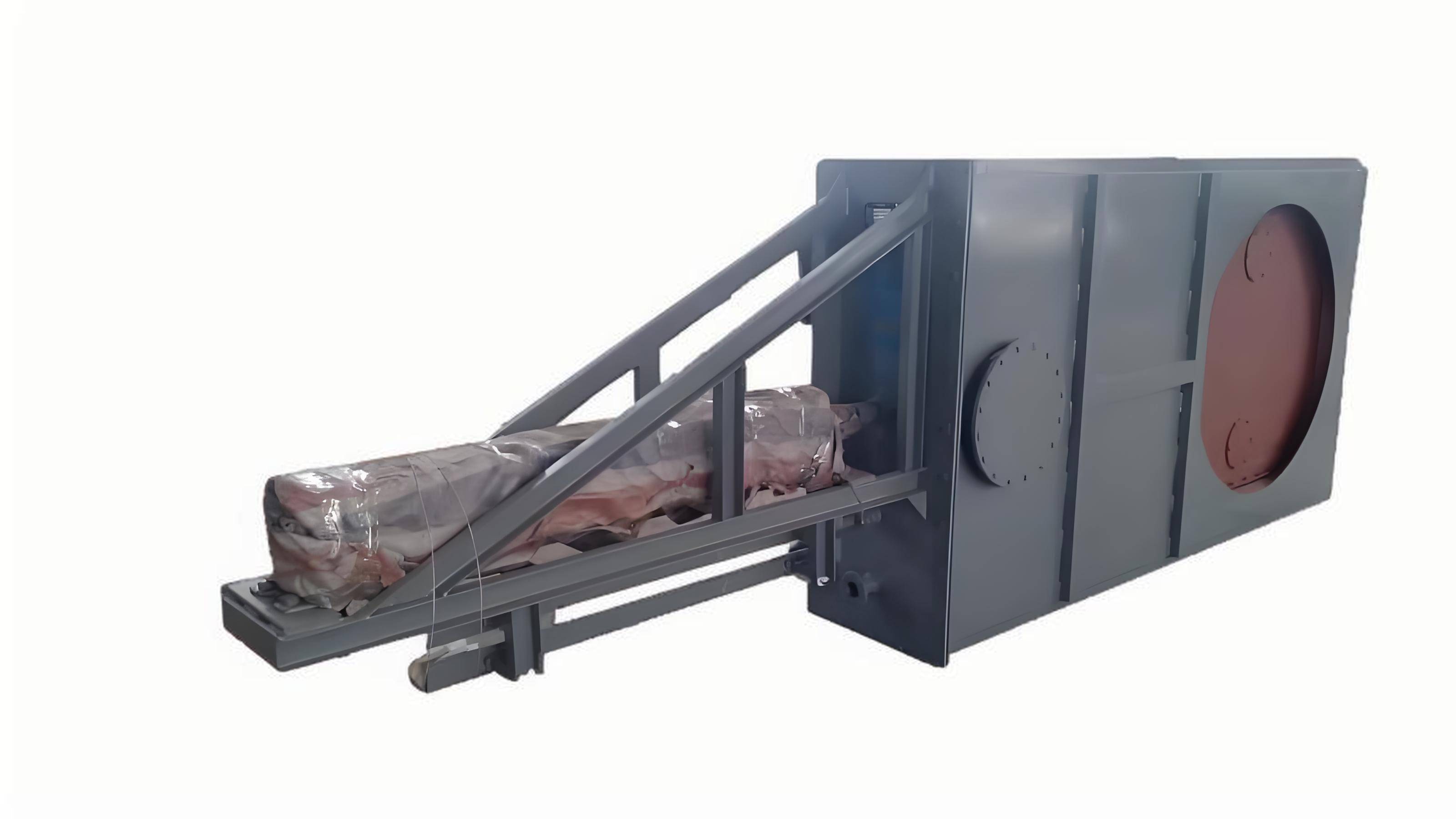
Double-slide Triple-sealed Hot Air Isolation Door
Xi'an Yingchuan Electric Power Equipment Co., Ltd.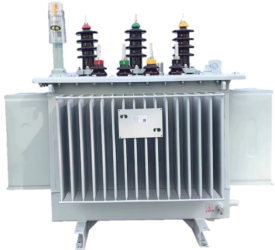
Oil-immersed Amorphous Alloy Core Distribution Transformer
Pinggao Group Smart Electric Co., Ltd.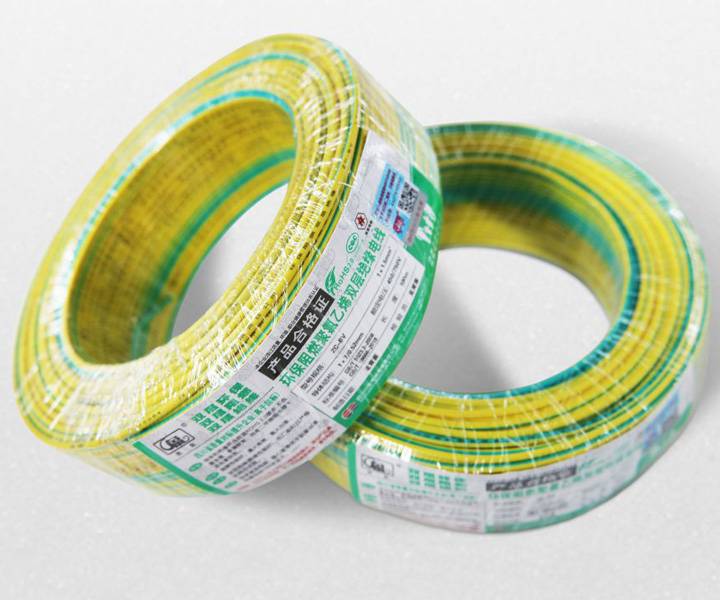
Environmentally Friendly Flame-retardant PVC Double-layer Insulated Wire
Sichuan Chndo Cable Co., Ltd.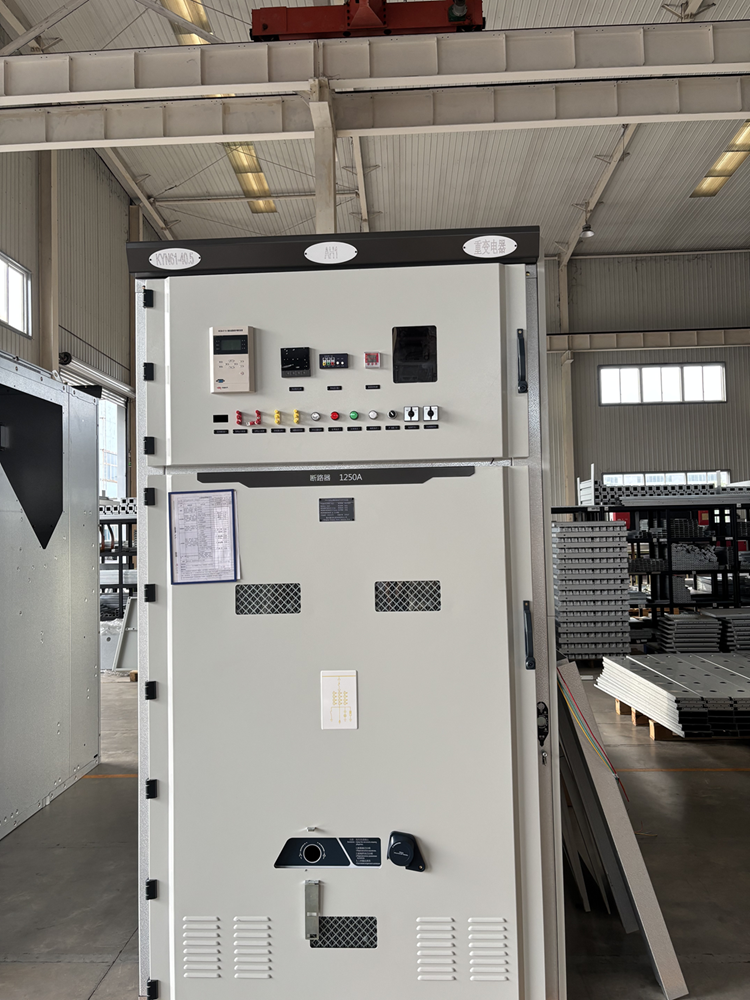
KYN61-40.5 Indoor AC Metal-clad Removable Switchgear
Chongqing Transformer Co., Ltd.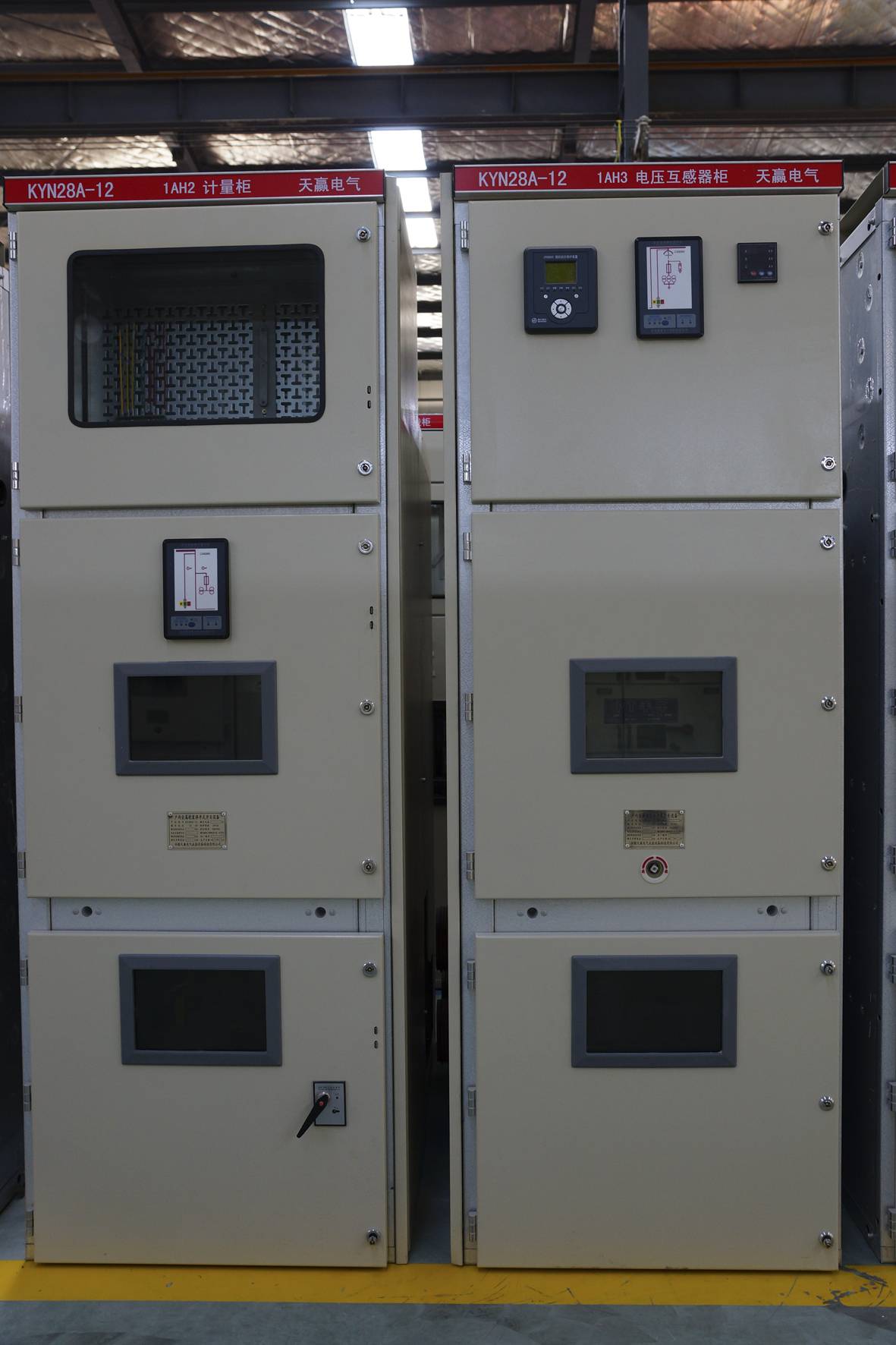
KYN28 - High Voltage Switchgear
Anhui Tianying Electrical Equipment Manufacturing Co., Ltd.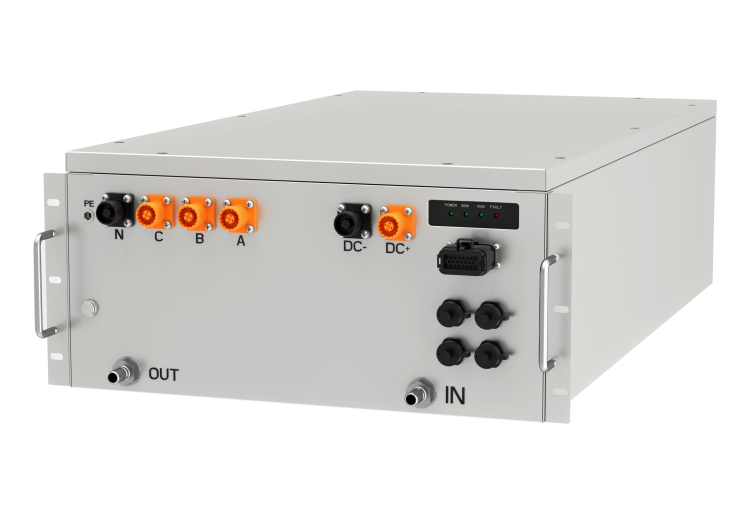
Mars (Liquid Cooling) Series Industrial and Commercial Energy Storage Converter High Protection Module
Shenzhen Winline Technology Co., Ltd.
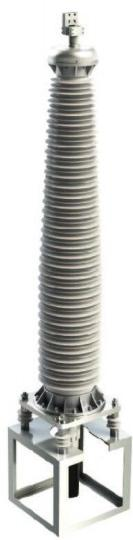
220kV Composite Outdoor Cable Terminal
Shenyang Guolian Cable Accessories Manufacture Co., Ltd.