Mexico Invests $1.147 Billion to Clean Up Three Polluted Rivers
en.Wedoany.com Reported - The Mexican government will allocate 20 billion pesos ($1.147 billion) over its six-year term to clean up and restore the Atoyac, Lerma-Santiago, and Tula rivers, the country's three most polluted waterways. President Claudia Sheinbaum announced at a press conference on July 16 that nearly 2.5 billion pesos ($143 million) had already been invested between 2025 and 2026.
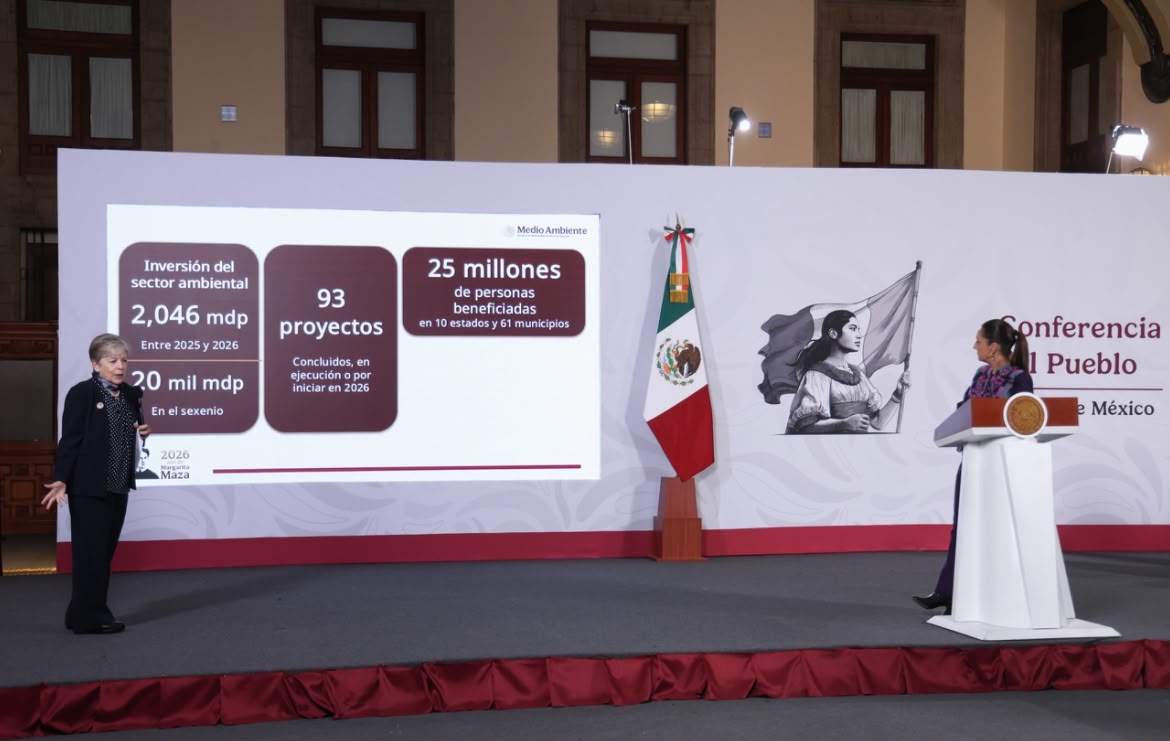
The three rivers have a total riverbed length of 1,713 kilometers, benefiting 25.9 million residents in the states of Mexico, Querétaro, Guanajuato, Michoacán, Jalisco, Nayarit, Hidalgo, Tlaxcala, and Puebla. According to Environment and Natural Resources Secretary Alicia Bárcena, the Lerma-Santiago River is 1,360 km long, the Tula River is 191 km, and the Atoyac River is 162 km. The project shifts focus from "gray infrastructure" to nature-based solutions, coordinating joint actions by the National Water Commission (Conagua), the National Commission of Natural Protected Areas (Conanp), the National Forestry Commission (Conafor), and the Federal Attorney's Office for Environmental Protection (Profepa). Assessments detected 3,202 pollution discharges, 479 illegal dumping sites, 460 potentially polluting industries, and 22% of land at risk of deforestation.
Between 2025 and 2026, environmental investments totaled 2.046 billion pesos ($117 million), distributed across 93 projects in 61 municipalities across 10 states. The projects are divided into four objectives: water quality improvement, ecosystem restoration, flood control, and rebuilding the social connection between people and rivers.
On the Atoyac River, the first 63-kilometer section is 85% complete, including four treatment plants, 40 km of collection pipelines, and 12 km of agricultural reuse pipelines. National Water Commission Director Efraín Morales stated that 110 garbage dumping sites have been eliminated and 371 drainage outfalls have been regulated.
The first 74-kilometer section of the Tula River is 62% complete. Works include removing 110,000 cubic meters of water hyacinth from the Endhó Dam and rehabilitating the Federal Electricity Commission (CFE) treatment plant. Morales also highlighted fumigation efforts against Culex mosquitoes in riverside communities.
The Lerma-Santiago River is leading progress, with the first 65-kilometer section 90% complete, including six treatment plants, backup solar panels for seven additional plants, and 26 km of collection pipelines.
The plan also extends to other waterways. In Tijuana, a total investment of 3.404 billion pesos ($195 million, 84% federal and 16% state funds) is 44% complete, with eight projects underway, including sewage systems for the Arturo Herrera and La Morita treatment plants. In Nogales, Sonora, 775 million pesos ($44 million) is being invested to build a treatment plant and relocate 13 km of collection pipelines to prevent contaminated discharges from entering the United States. On the Sonora River, 2026 investments amount to 352.8 million pesos ($20 million) for water treatment plants and disinfection systems.
Regarding the turbid water crisis in Guadalajara, the El Zapotillo Dam project involves an investment of 8.9 billion pesos ($511 million) to supply 3,000 liters per second to the metropolitan area. The National Water Commission is working with the Jalisco state government to find technical alternatives for the aging Chapala aqueduct.
Bárcena summarized the environmental diagnostic assessment: over 340 km of walking surveys, sampling at 322 sites, 60 detailed industrial inspections, and monitoring of 3,404 industrial facilities. The government expects that 10 new treatment plants and 23 upgraded treatment plants will ensure the long-term restoration of the three priority rivers.
Related Products

Microcomputer Protection and Substation Automation
Beijing Agent Devote Power Technology Development Co., Ltd.
Standard Nozzle Flowmeter
Jinggong Automatic Control Instrument Complete Technology Development Company
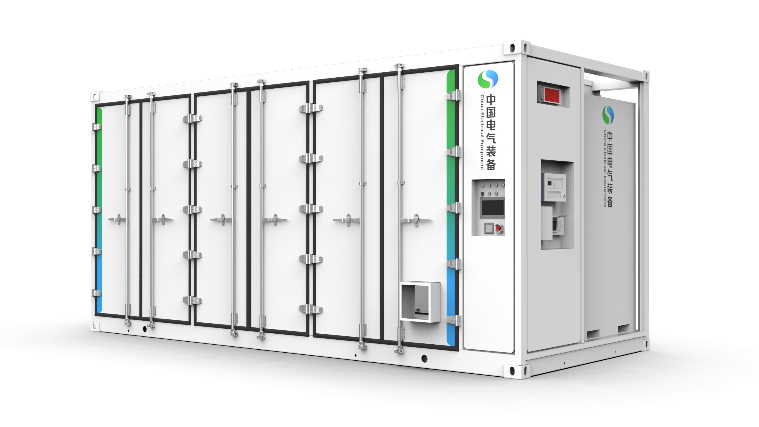
MESS8201-2507/5015-BN Prefabricated Liquid-cooled Energy Storage Battery Container
Xuchang Xuji Electric Science Energy Storage Technology Co., Ltd.
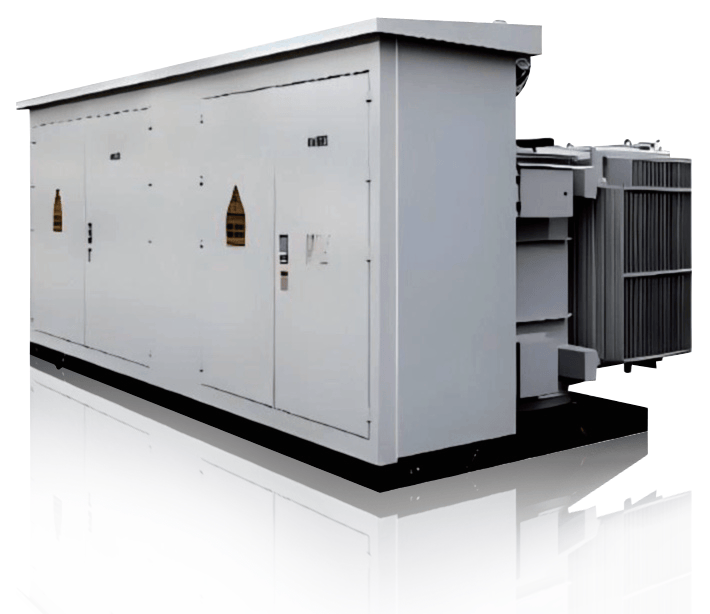
H-40.5/0.4~1.14kV New Energy Power Generation Dedicated High Voltage/Low Voltage Prefabricated Substation
XJ (Xiamen) Intelligent Power Equipment Co., Ltd.
Off-Grid Fuel Cell Supercharging Station (180kW Configuration)
Shanghai REFIRE Group Limited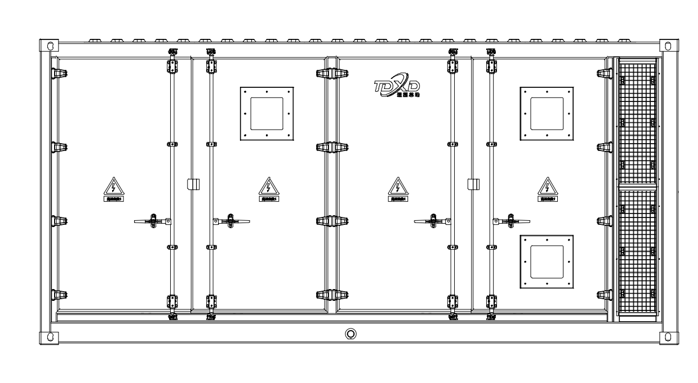
5012kWh DC Energy Storage System TD-EES-5012kWh
Suzhou Tongding Xindong Energy Storage Technology Co., Ltd.