US FCC Selects Three License-Exempt D2D Frequency Bands
en.Wedoany.com Reported - The U.S. Federal Communications Commission (FCC) has further clarified a proposal aimed at introducing direct-to-device (D2D) connectivity to license-exempt wireless devices, potentially including laptops, smartphones, and Internet of Things (IoT) devices that are accustomed to connecting via license-exempt technologies such as Wi-Fi and Bluetooth.
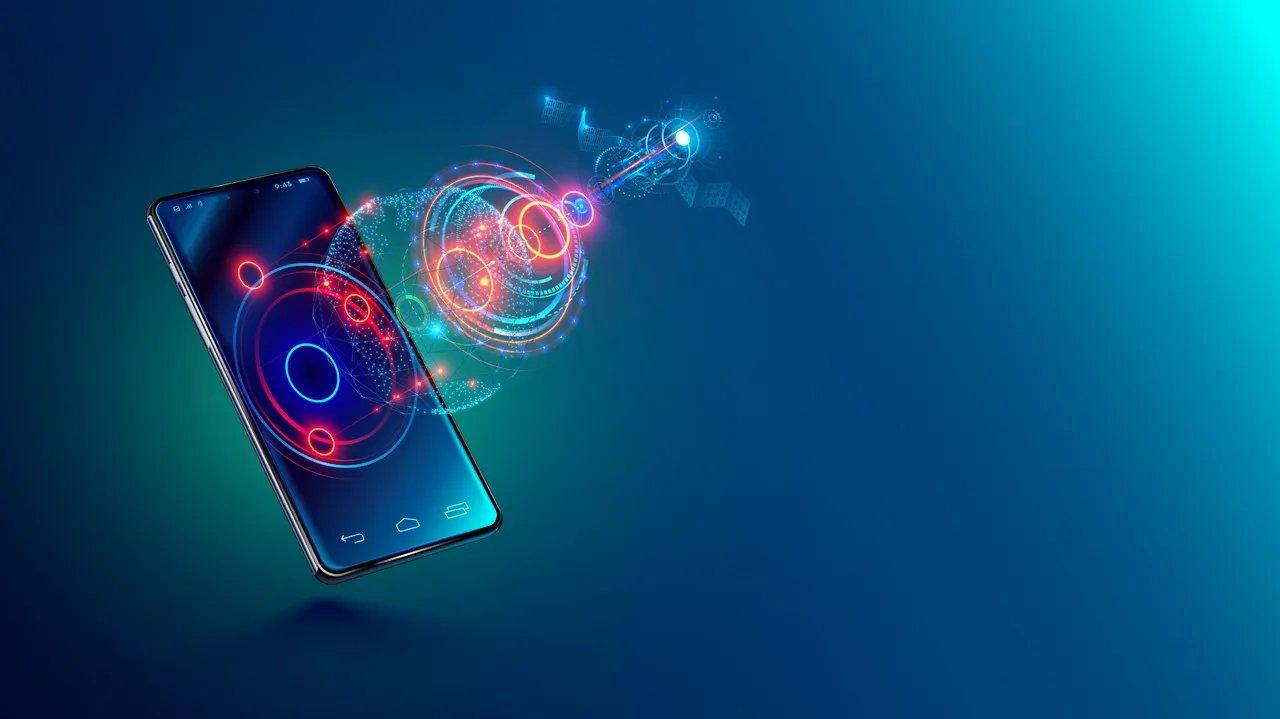
The proposal, announced by the FCC last week, includes seeking over 225 MHz of license-exempt spectrum for D2D connectivity. A subsequent 38-page draft order lists specific spectrum bands and retains the option to study additional bands. The FCC plans to vote on the procedure at its August 6 meeting.
The Earth-to-space operation bands proposed in the draft include 902 MHz-928 MHz, 2400 MHz-2483.5 MHz, and 5725 MHz-5850 MHz. The draft notes that these bands are currently governed by Part 15 rules and are available for license-exempt devices, such as those supporting Wi-Fi and Bluetooth connectivity.
These bands are currently used for various industrial, scientific, and medical (ISM) use cases and technologies, including LoRaWAN, ZigBee, and amateur radio. The FCC explains that these bands generally have no satellite allocations, but the 5830 MHz-5850 MHz band is allocated for amateur satellite downlink use.
The proposal will seek comment on a licensing framework for new satellite operations, aiming to establish a record on how operations can be conducted without affecting other users, as well as a possible authorization framework. Tim Farrar, head of TMF Associates, expects no significant interference issues between existing use cases and proposed D2D use, as most license-exempt usage occurs indoors.
The FCC states that the costs of modifications to Part 15 rules are expected to be minimal or non-existent, as is the potential interference to existing users within the bands. The FCC believes that license-exempt D2D can complement licensed spectrum D2D connectivity provided by companies such as SpaceX, AST SpaceMobile, and Amazon, which is launching its foray into the D2D space through its acquisition of Globalstar.
If the proposal is approved and enters the regular comment and reply period, relevant companies will have the opportunity to provide input. In the draft order, the FCC states that the surge in interest and investment in D2D communication services indicates a need for more spectrum resources to support these services, and allowing satellite communications within bands available for Part 15 license-exempt devices could provide an opportunity to alleviate this spectrum shortage.
Additionally, the proposal aims to allow license-exempt devices for use in space. The FCC notes that Part 15 rules do not explicitly prohibit or permit the use of Wi-Fi or Bluetooth in crewed space missions, but astronauts on the International Space Station use them through coordination with NASA. The draft proposes amending the rules to confirm that operating certified license-exempt devices within spacecraft is permitted.
Hubble Network has already obtained a satellite license to receive signals from Bluetooth low-energy devices on the ground in a portion of the 2400 MHz-2483.5 MHz band. The FCC states that simplifying rules to allow satellites to receive signals from ground devices will promote the development of innovative wireless communication products and services.