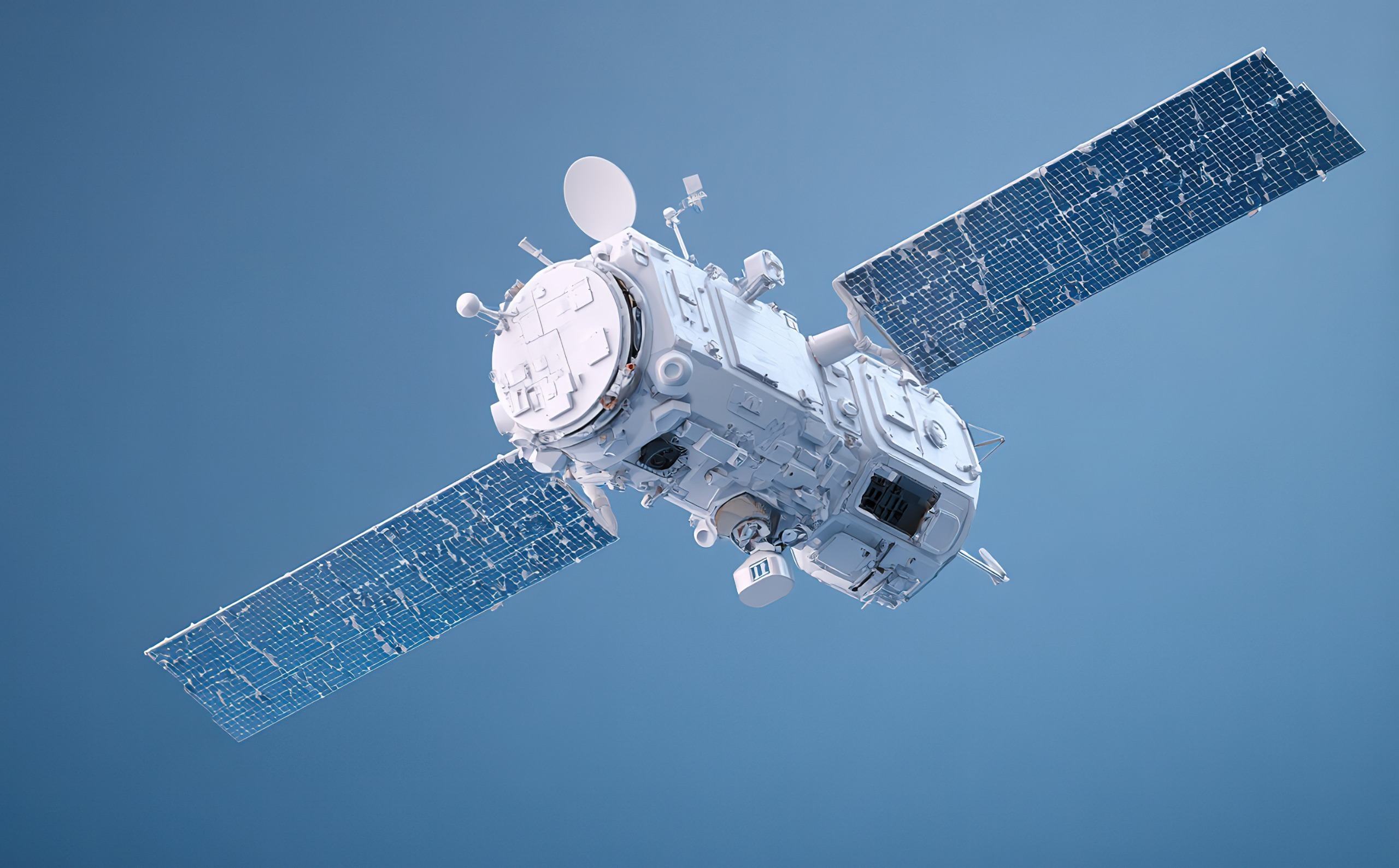
Astrogate develops India's first indigenous inter-satellite laser communication terminal, targeting flight readiness by 2027
en.Wedoany.com Reported - On September 8, India's Astrogate Labs unveiled its Optical Inter-Satellite Link (OISL) terminal development plan at the Bengaluru Space Expo, targeting flight readiness by 2027. The company also demonstrated the AstroLink Micro space-to-ground laser communication terminal on-site, which supports a maximum data transmission rate of 10 Gbps and is designed for high-speed downlink communications from small low-Earth-orbit (LEO) satellites. Astrogate has previously supplied indigenous satellite-to-ground laser communication terminals to the Indian Space Research Organisation (ISRO) and completed flight qualification of the relevant equipment.
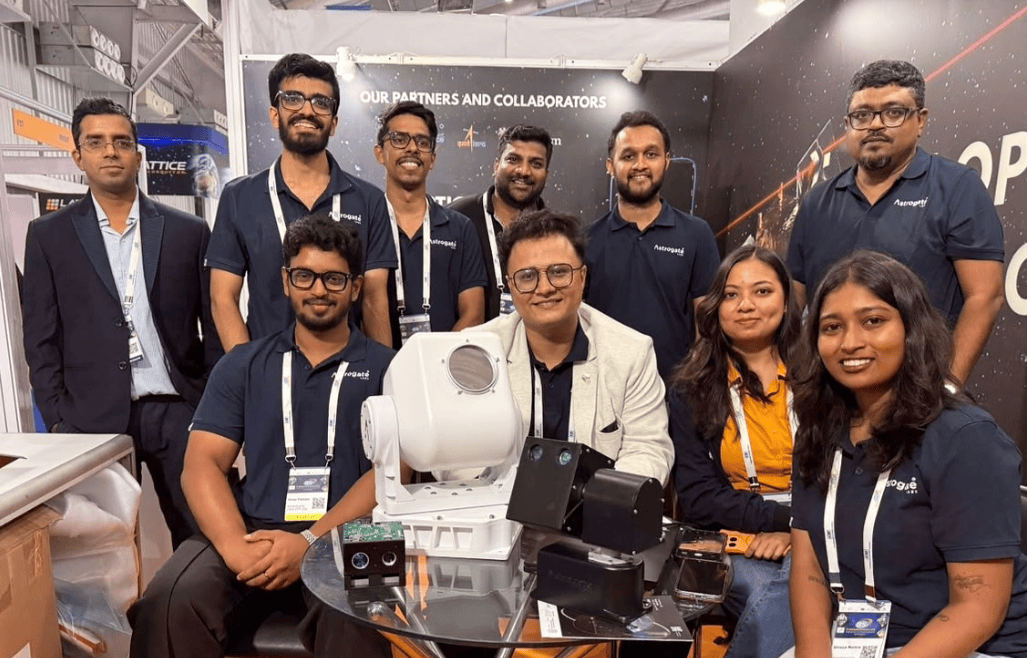
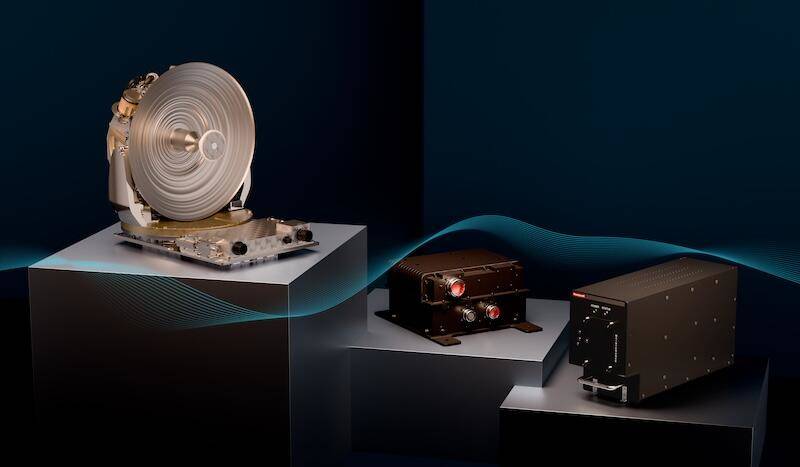
The AstroLink Micro supports laser downlink communication from LEO satellites to optical ground stations, with a maximum slant range of approximately 1,000 kilometers. It employs a 1550-nanometer downlink wavelength and is compatible with 850/888-nanometer beacons. The terminal integrates autonomous coarse and fine pointing systems to complete optical link acquisition and tracking. The device measures approximately 217 × 126 × 236 mm, weighs no more than 5 kilograms, and has an average downlink communication power consumption of approximately 45 watts. The data interface uses 10 Gigabit Ethernet and is equipped with dual RS-422 telemetry and telecommand interfaces.
The terminal's coarse pointing range covers an azimuth of ±110° and an elevation of ±45°, and it adopts an optical communication architecture compliant with the CCSDS O3K framework. The product is designed for LEO microsatellite missions and can be used for data return from remote sensing, synthetic aperture radar (SAR), imaging, and other high-data-volume payloads. Astrogate has completed full flight qualification of this space-to-ground optical communication terminal, achieving a Technology Readiness Level (TRL) of 8.
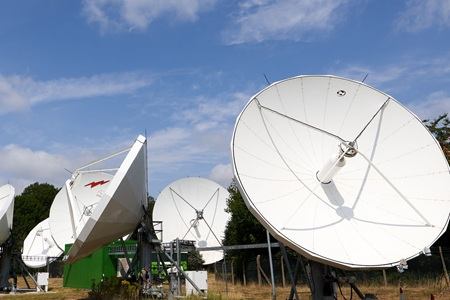
Astrogate has also previously completed cross-compatibility testing with the TeraNet mobile optical ground station at the University of Western Australia. TeraNet consists of three optical ground station nodes, among which TeraNet-3 employs a 43-centimeter-aperture mobile optical ground station that can be rapidly deployed at different locations. Astrogate completed interface testing with this system to verify the interoperability between its space laser communication terminal and external optical ground infrastructure.
Following the qualification of its space-to-ground terminal, Astrogate is now extending the same optical communication technology architecture to satellite-to-satellite direct communication. The newly announced OISL terminal is intended for inter-satellite data transmission in LEO satellite constellations. The company has set 2027 as its flight-readiness target and has not yet disclosed the first host satellite, in-orbit verification mission, initial number of terminals, or specific launch timeline.
At the expo, the company also showcased the AstroLink Micro in live operation and demonstrated its OISL capabilities. At this stage, the AstroLink Micro corresponds to the space-to-ground laser communication product that has completed qualification, while the OISL remains in the inter-satellite link terminal development phase. The two types of equipment correspond to "satellite-to-ground" and "satellite-to-satellite" communication scenarios, respectively.
Related Products

Automatic Aiming Laser Remote Obstacle Removal Robot
Pinggao Group Weihai High-Voltage Apparatus Co., Ltd.


Conveyor Belt Intelligent Monitoring System
LUO YANG WIRE ROPE INSPECTION TECHNOLOGY CO., LTD.
Industrial and Commercial Point-Type Gas Detector
Jinan Benan Technology Development Co., Ltd.

D12 Humanoid Robot
Automation Research Institute Co., Ltd. of China South Industries Group Corporation