Viasat Launches Satellite to Validate NASA's $81 Million Communications Project
en.Wedoany.com Reported - On October 21, U.S. satellite communications company Viasat announced that the Maxwell experimental spacecraft it developed for the National Aeronautics and Space Administration (NASA) communications services project was successfully launched at 7:04 a.m. Eastern Time on October 20 aboard a SpaceX Falcon 9 rocket from Cape Canaveral Space Force Station in Florida. The mission is part of two NASA contracts awarded to Viasat with a total value of $81 million, and plans to conduct five months of in-orbit validation of multi-band, multi-orbit satellite communications, with testing continuing until March 2027.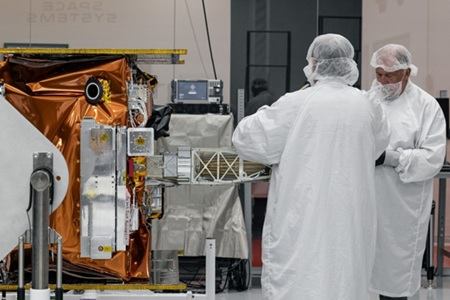
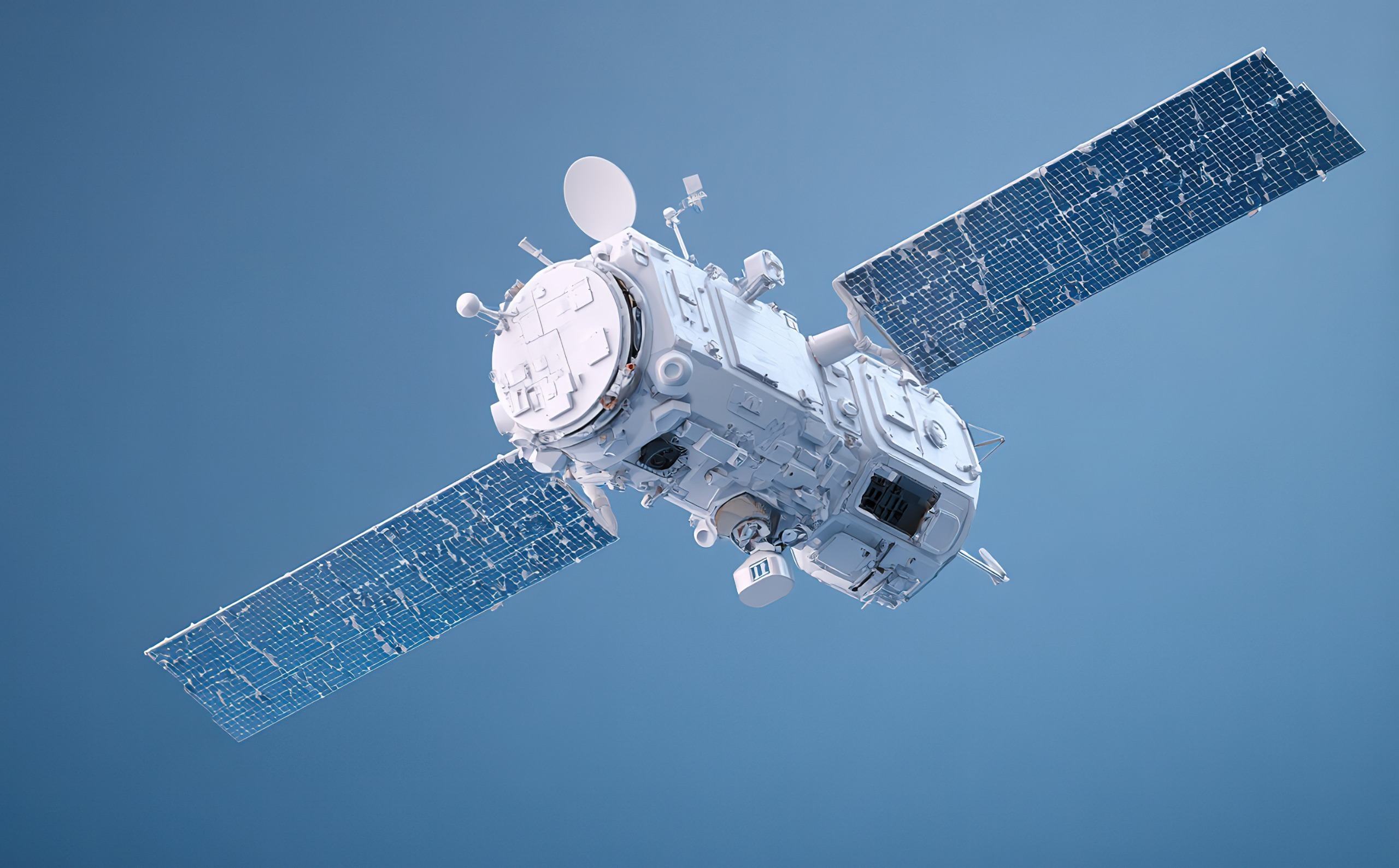
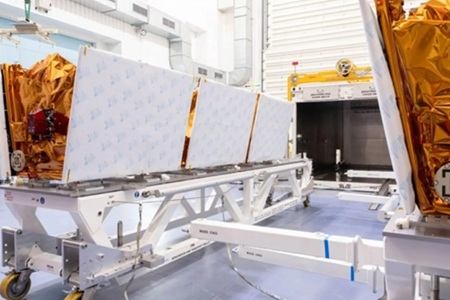
Maxwell was manufactured by U.S. company Rocket Lab in Long Beach, California, and is equipped with solar panels, reaction wheels, star trackers, a propulsion system, and flight and ground control software. Rocket Lab also provided a new L-band radio system for the mission to validate the spacecraft's telemetry, tracking and command transmission functions via Viasat's L-band satellite network.
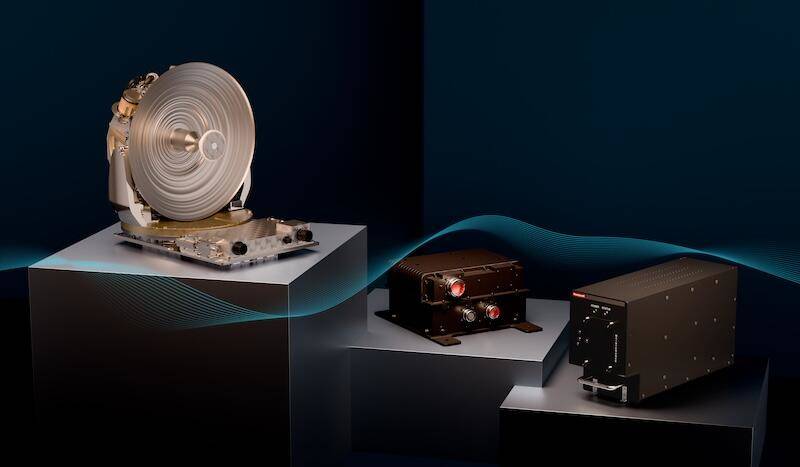
The spacecraft carries Ka-band and L-band communications payloads developed by Viasat, with the Ka-band terminal capable of connecting to the ViaSat-3 high-capacity satellite network and the L-band terminal accessing Viasat's global L-band network. The experiment will use geostationary orbit communications satellites to provide data relay, telemetry, tracking and command transmission services for low Earth orbit spacecraft, and validate the ability of LEO spacecraft to communicate via satellite relay at different orbital positions.
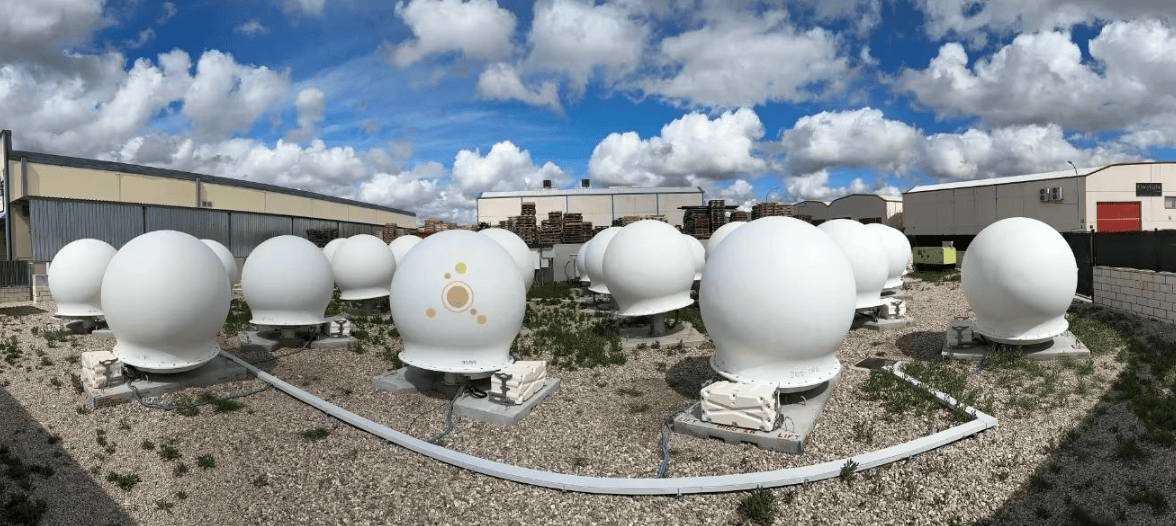
In addition to space relay links, Viasat will also use the Real-Time Earth global ground station service platform to conduct S-, X- and Ka-band direct-to-Earth communications tests. NASA's published test plan includes the use of intelligent autonomous routing technology to transmit mission data among the Maxwell spacecraft, geosynchronous orbit satellites and the global ground station network, covering high data rate transmission, low rate control signals and switching between different communication paths.
This mission is Viasat's second demonstration under NASA's communications services project. In November 2025, the company validated a launch telemetry relay solution during a Blue Origin New Glenn rocket launch mission. NASA is advancing validation of commercial satellite communications services to conduct technical testing for the eventual replacement of the existing Tracking and Data Relay Satellite System. The October 20, 2026 Bandwagon-5 mission also carried a communications validation spacecraft from another NASA partner, SES Space and Defense, and both missions have entered the post-launch in-orbit experiment preparation phase.
Related Products



20 Inch 1600*900 Full HD 60Hz TFT LED Monitor with VGA and DP Interfaces for Desktop Computers-Business Use
Guangzhou Zanying Optoelectronics Technology Co., Ltd.



Comprehensive Mining Automation Control System
Beijing Tianma Intelligent Control Technology Co., Ltd.

Multi-function Marine Monitoring Low-altitude Detection Radar Sea-air Boundary Ocean Dynamic Environment Measurement
Chengdu Dixin Technology Co., Ltd.

One-Stop Steward Service for the Entire Logistics System Integration Chain
Zhongding Intelligent (Wuxi) Technology Co., Ltd.
KJD127(A) Mining Explosion-Proof and Intrinsically Safe Computer
Taiyuan Xiangming Intelligent Control Technology Co., Ltd.