Nokia and NVIDIA Join Forces to Advance Commercial Deployment of AI-RAN
en.Wedoany.com Reported - On October 21, Finnish communications equipment manufacturer Nokia announced in Berlin, Germany, an expansion of its artificial intelligence radio access network (AI-RAN) technology collaboration with NVIDIA of the United States, adding 5G signal processing, edge AI, and autonomous network management capabilities. BT, Deutsche Telekom, Finland's Elisa, and France's Orange are participating in related network trials. Among them, Deutsche Telekom's laboratory tests showed a typical uplink throughput improvement of 10% to 15%, and some operators plan to conduct live network trials and commercial service evaluations in 2027.

The expanded technology solution from Nokia is based on its native AI anyRAN software and NVIDIA's Aerial RAN Computer accelerated computing platform, applying AI algorithms to the 5G radio signal processing chain, including channel estimation, beamforming, multi-user multiple-input multiple-output pairing, and resource scheduling. Radio access network and AI inference tasks can run on shared computing infrastructure, while also supporting data processing and real-time applications at the wireless network edge.
In Helsinki, Finland, Elisa has used the same AI-RAN platform to simultaneously run voice communications, mobile data, and video analytics services in its 5G network, and plans to carry out distributed deployment in 2027 and evaluate customer-facing commercial services. BT plans to conduct live network trials in Birmingham in 2027. Deutsche Telekom and Nokia are further developing AI channel estimation algorithms, with additional spectral efficiency algorithm validation and field testing to follow; Orange of France plans to continue advancing laboratory and real-network environment testing.
In addition to operator trials, Nokia is also opening real-time network data to distributed radio access network applications through the E3 interface. DeepSig is developing spectrum sensing software that uses existing wireless infrastructure to identify radio frequency interference, anomalous emission sources, and radio frequency threats. ZaiNar, meanwhile, is integrating its positioning software with Nokia's Cloud AI-RAN platform to develop network positioning capabilities that require no changes to end devices or wireless hardware.
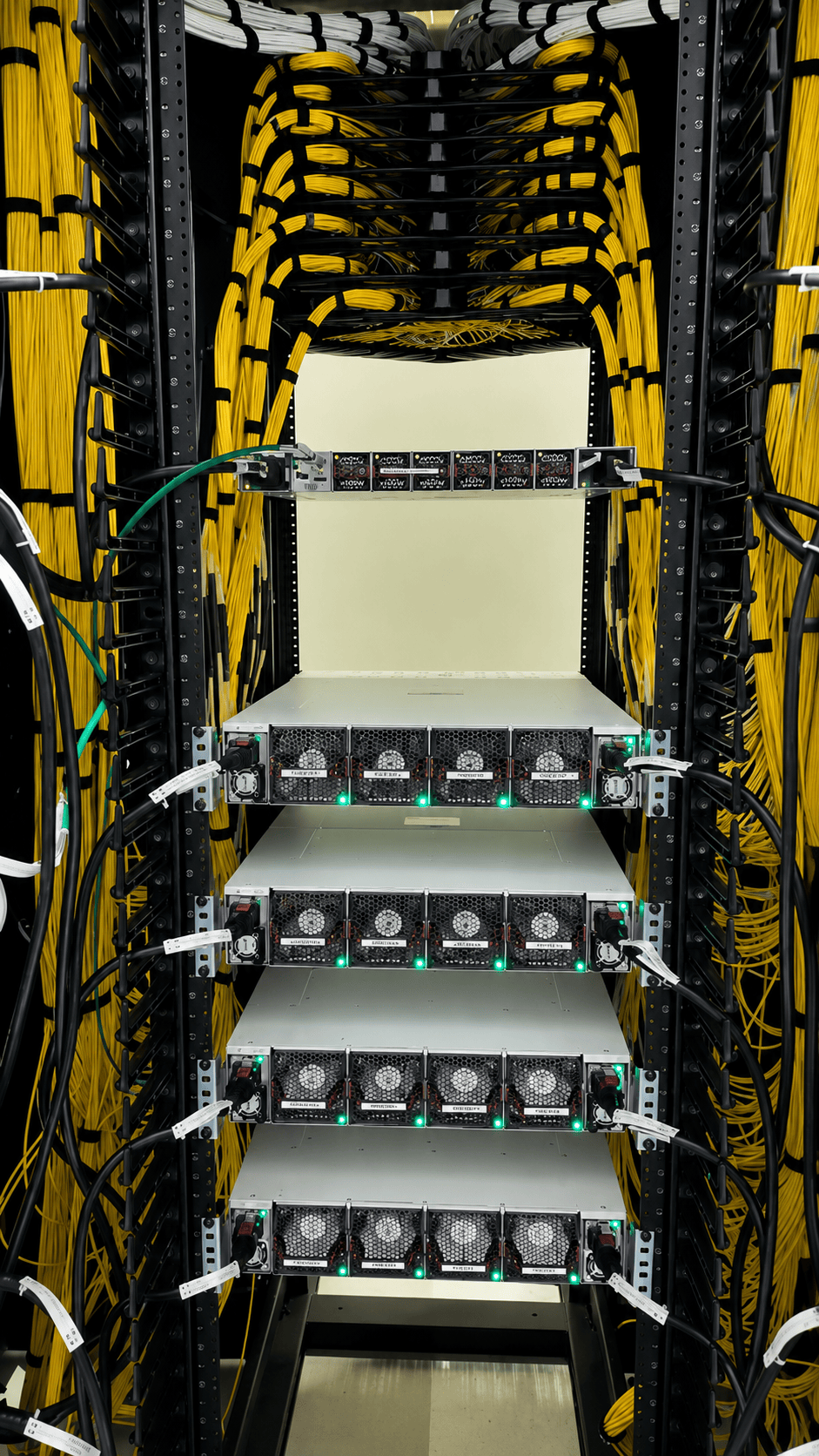
On the computing infrastructure side, Dell, Quanta, and Supermicro support centralized and distributed deployment configurations of NVIDIA's Aerial RAN Computer, allowing operators to run Nokia's 5G radio access software and AI inference tasks on the same platform. Red Hat is working on cloud-native integration through its OpenShift platform. Nokia and NVIDIA are also incorporating NVIDIA Nemotron models and AI Enterprise software into the autonomous network management platform, covering radio access, core network, transport network, and cloud network, and supporting on-premises, cloud, and hybrid deployments.
Related Products
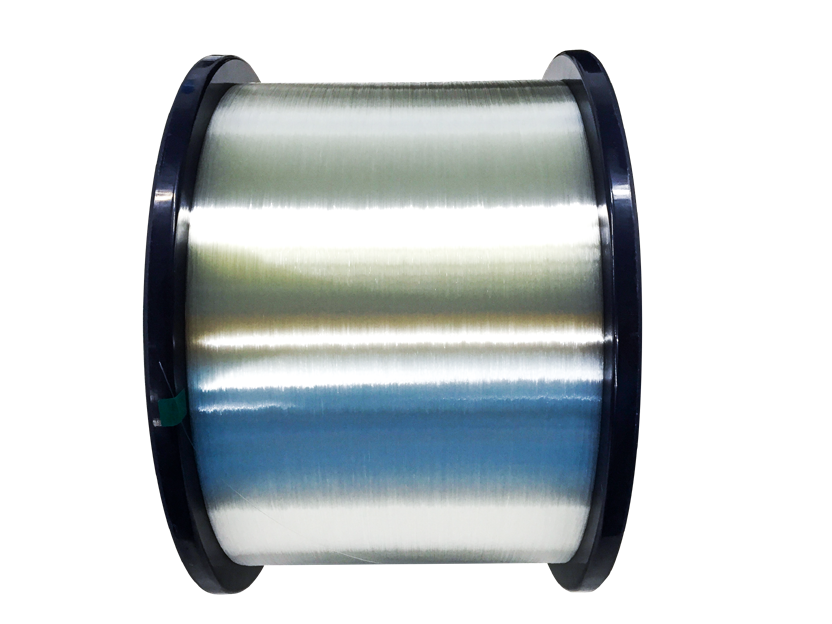


GYTA Type Non-Self-Supporting Aerial/Duct Optical Cable
TONGDING INTERCONNECTION INFORMATION CO., LTD.
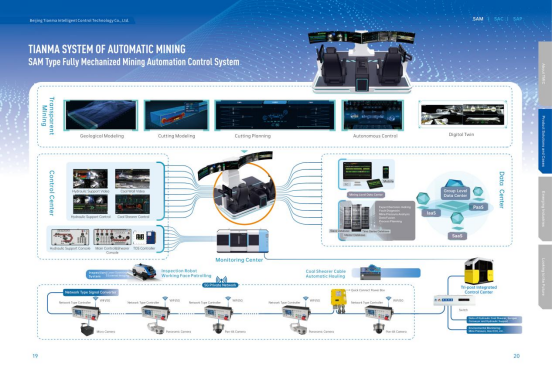
Comprehensive Mining Automation Control System
Beijing Tianma Intelligent Control Technology Co., Ltd.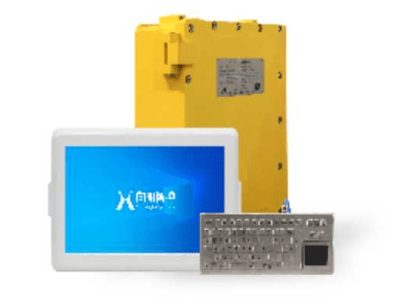
KJD127(A) Mining Explosion-Proof and Intrinsically Safe Computer
Taiyuan Xiangming Intelligent Control Technology Co., Ltd.
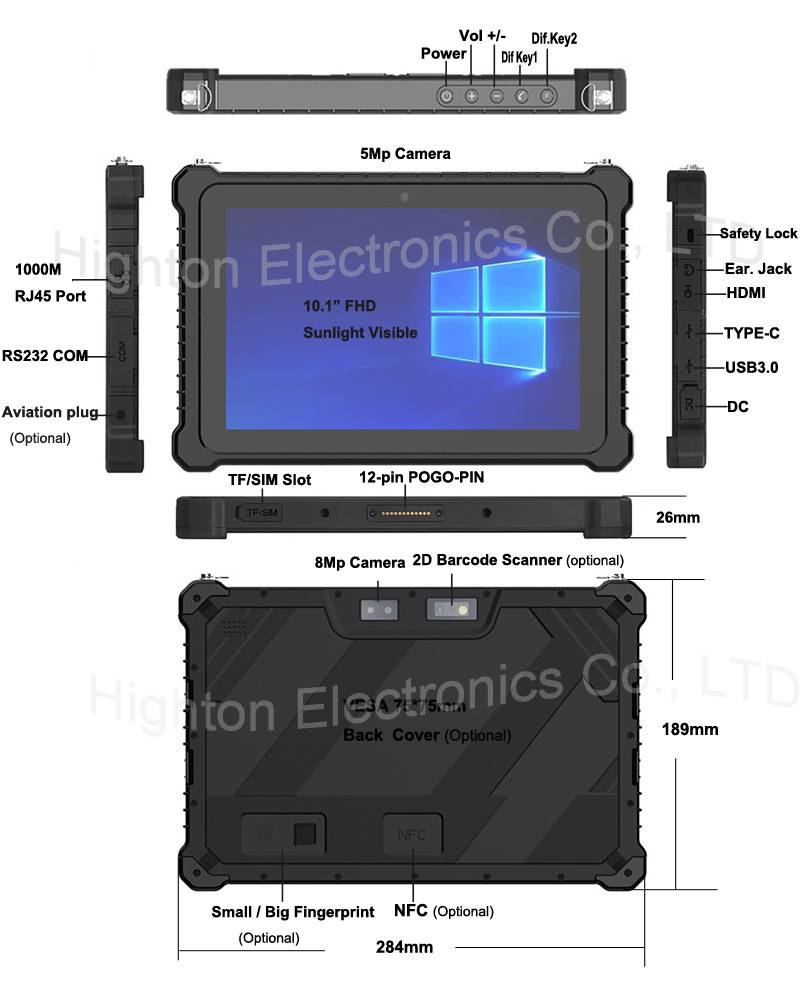
Hot Selling 10 Inch Intel N5100 I5 I7 FHD 8 +128GB 16+256GB Win10 Pro Win11 Pro 4G 5G Rugged Tablet PC Pad with NFC Barcode
Highton Electronics Co., Ltd.
20 Inch 1600*900 Full HD 60Hz TFT LED Monitor with VGA and DP Interfaces for Desktop Computers-Business Use
Guangzhou Zanying Optoelectronics Technology Co., Ltd.