Italy's Prysmian and Molex Sign €5.5 Billion AI Data Center Fiber Optic Agreement
en.Wedoany.com Reported - Prysmian has signed a 10-year, €5.5 billion agreement with Molex, a connector and cable manufacturer owned by Koch Industries, to supply optical cables for AI data centers.
As part of the agreement, Molex will make an upfront payment of €550 million. This guaranteed cash payment is rare in a market environment where most supply commitments are only in the form of forecasts.
Wiring that transmits data between racks and chips has become one of the most hidden bottlenecks in AI construction, which is why Nvidia has separately invested billions of dollars in photonic technology to bypass copper cable limitations. Prysmian is tackling the same problem from the other end of the cable—fiber optic transmission after data leaves the chip.
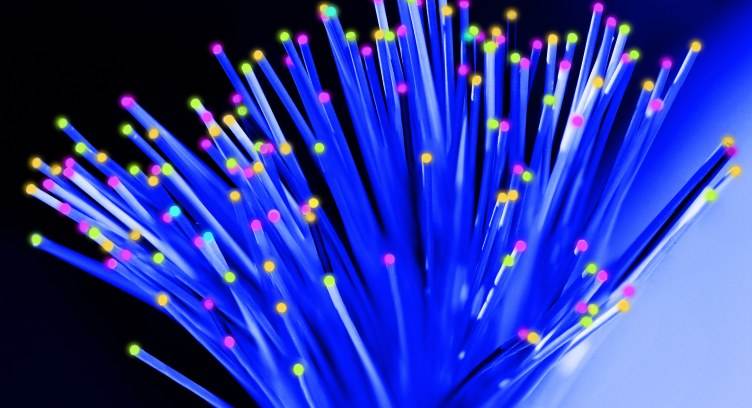
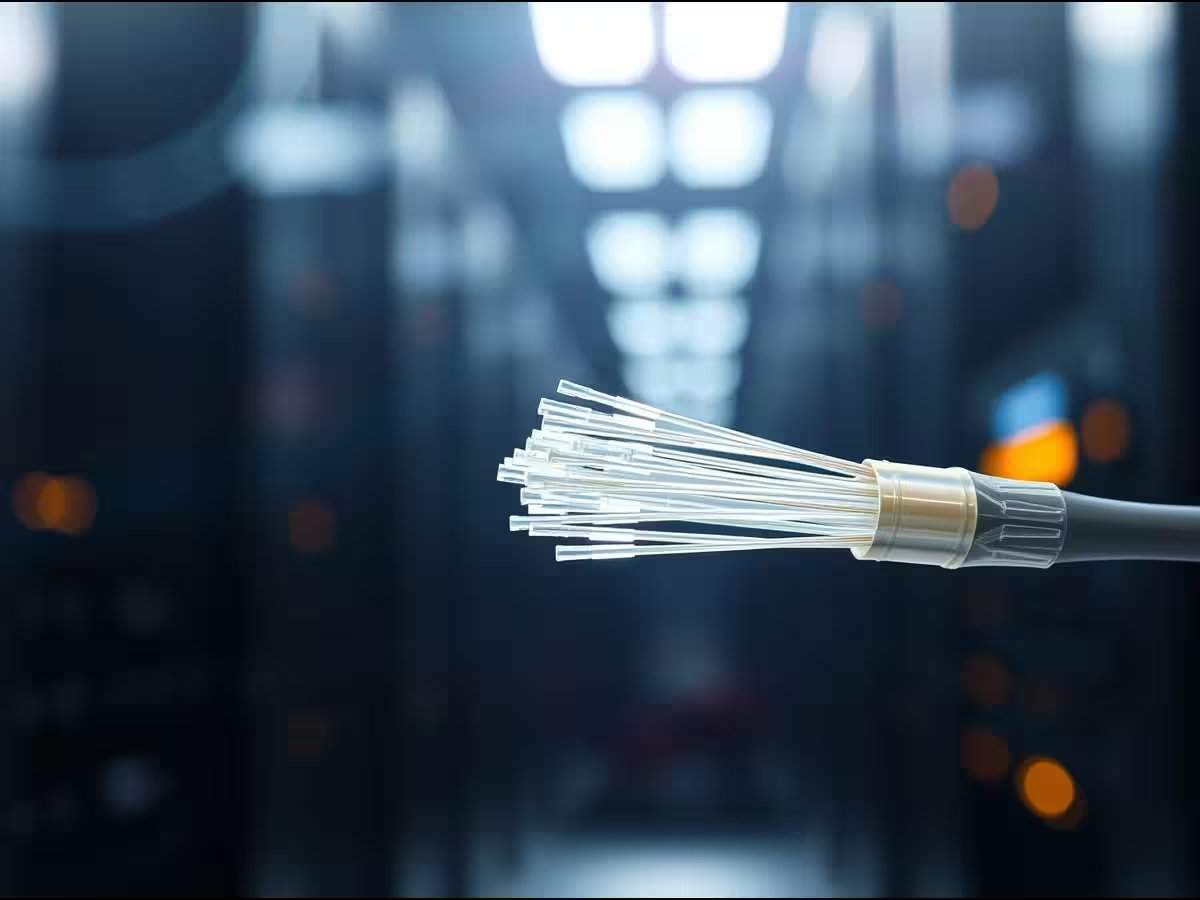
The optical cables covered by the agreement will be deployed inside data centers as dense internal wiring connecting servers and switching equipment, not for long-haul networks linking different sites. Prysmian stated that its Digital Solutions division will supply optical cables to Molex under this agreement to meet the demand for more wiring with each additional AI hardware rack.
The Milan-based group views this arrangement as a cornerstone of a larger strategy. The company expects cumulative incremental revenue from hyperscalers and data center providers to reach €10 billion by 2035, with annual revenue reaching €1.1 billion by 2031 after new capacity comes online. These figures represent ceilings rather than commitments, while the €5.5 billion Molex agreement serves as the floor. The upfront payment of €550 million provides Prysmian with a payment received before forecast demand materializes—a condition most AI construction suppliers lack.
To achieve its goals, Prysmian plans to invest €1.25 billion in capacity expansion by 2031. The company said this spending will more than double its fiber optic production capacity in the United States, the market with the most urgent demand for data centers globally. Capacity expansion also comes with workforce growth; Prysmian expects the project to create over 1,000 jobs worldwide, including 600 in the U.S., distributed across new cable and fiber production lines planned at its factories on both sides of the Atlantic.
This European positioning is crucial as Europe attempts to build its own computing infrastructure and researchers continue to warn that sovereign AI ambitions could stall due to physical constraints in data center supply. Prysmian positions itself as a supplier to this expansion, not a data center builder itself. It is chasing the same demand driving record capital expenditures among hyperscalers. The company notes that AI infrastructure modernization, energy efficiency pressures, and increased fiber density within data halls are driving forces for more wiring in new buildings. Higher fiber density scales directly with AI; as operators integrate more accelerators within a single hall and transmit more traffic between them, the number of optical connections increases, and each connection requires cable manufacturing.
CEO Massimo Battaini said in a statement that this is a transformative moment for Prysmian's Digital Solutions business, linking the agreement to the company's strategy of deepening its presence in the data center connectivity space. Molex CEO Joe Nelligan said the company is excited about the long-term agreement as it enables better support for shared customers. The two companies did not disclose the customer distribution behind the €10 billion revenue ceiling or which hyperscalers are driving the forecasts. Prysmian's guidance indicates that new fiber production lines are expected to reach full capacity by 2031, while the upfront €550 million payment from Molex will be received before that.
Related Products


Mine Explosion-proof and Intrinsically Safe Industrial Ethernet Ring Network (10 Gigabit/Gigabit)
Chongqing Mas Sci&Tech Co., Ltd.


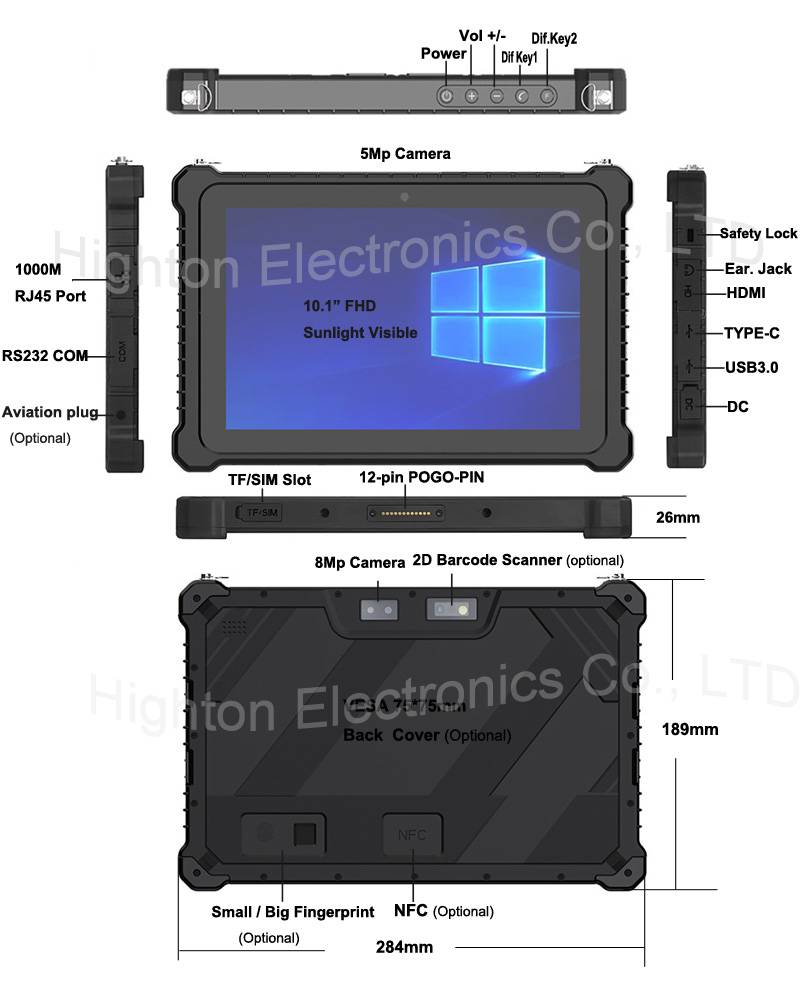
Hot Selling 10 Inch Intel N5100 I5 I7 FHD 8 +128GB 16+256GB Win10 Pro Win11 Pro 4G 5G Rugged Tablet PC Pad with NFC Barcode
Highton Electronics Co., Ltd.
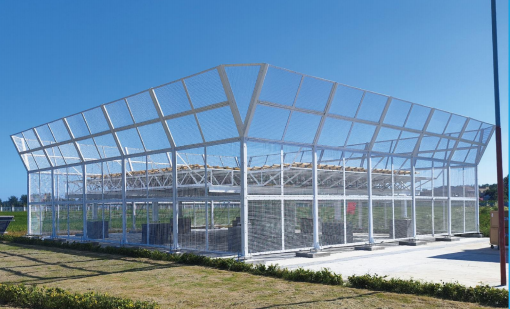
TWP16 P-Band Tropospheric Wind Profile Radar
China Huayun Meteorological Technology Group Co., Ltd.