2026 World Artificial Intelligence Conference Concludes in Shanghai, China, with Intended Procurement Amount Reaching 20.36 Billion Yuan
en.Wedoany.com Reported - The 2026 World Artificial Intelligence Conference and High-Level Meeting on Global AI Governance concluded at the Shanghai World Expo Center. The conference hosted 158 forums, with 180 outstanding domestic and international startup projects participating in roadshows and exhibitions, attracting 1,030 global young AI talents and 11 Turing Award, Nobel Prize, and Fields Medal winners. The exhibition area exceeded 100,000 square meters, with a total of 4,486 exhibits, 351 products making their global debut, over 400,000 offline visitors, and global online traffic surpassing 3 billion.
As of July 20, the conference organized 177 important global procurement delegations, with an estimated intended procurement amount of approximately 20.36 billion yuan, a year-on-year increase of 25%.
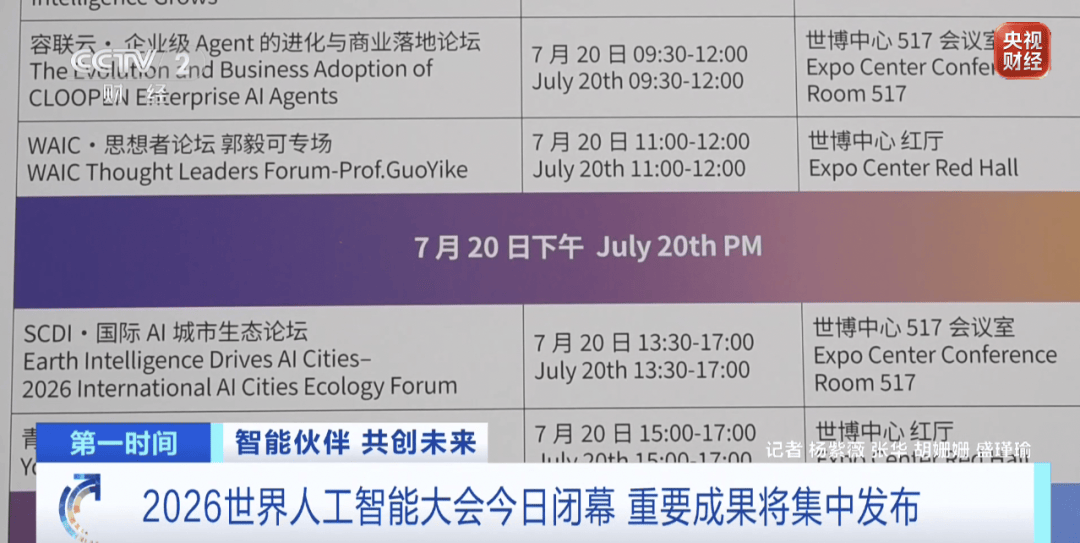
This conference is a major international event in the global AI field and the first high-level home diplomacy activity hosted by China in the realm of artificial intelligence.
Intelligent agents and robots became one of the focal points of this conference. Practical applications have emerged in the medical field. Huang Wei, founder of Unisound, introduced that its intelligent agent completed 450,000 consultations at a hospital in Beijing last year, where a large model diagnosed patients' conditions and provided treatment plans, with doctors only performing confirmation tasks. Cai Guoxiang, co-founder of Rokid, depicted application scenarios for intelligent agents: users directly express their needs to AI, which presents services through a graphical interface, bypassing the need for app intermediaries.
Various robot products have entered home services and retail scenarios, capable of tasks such as folding clothes, cleaning, stocking, sorting, and packaging.
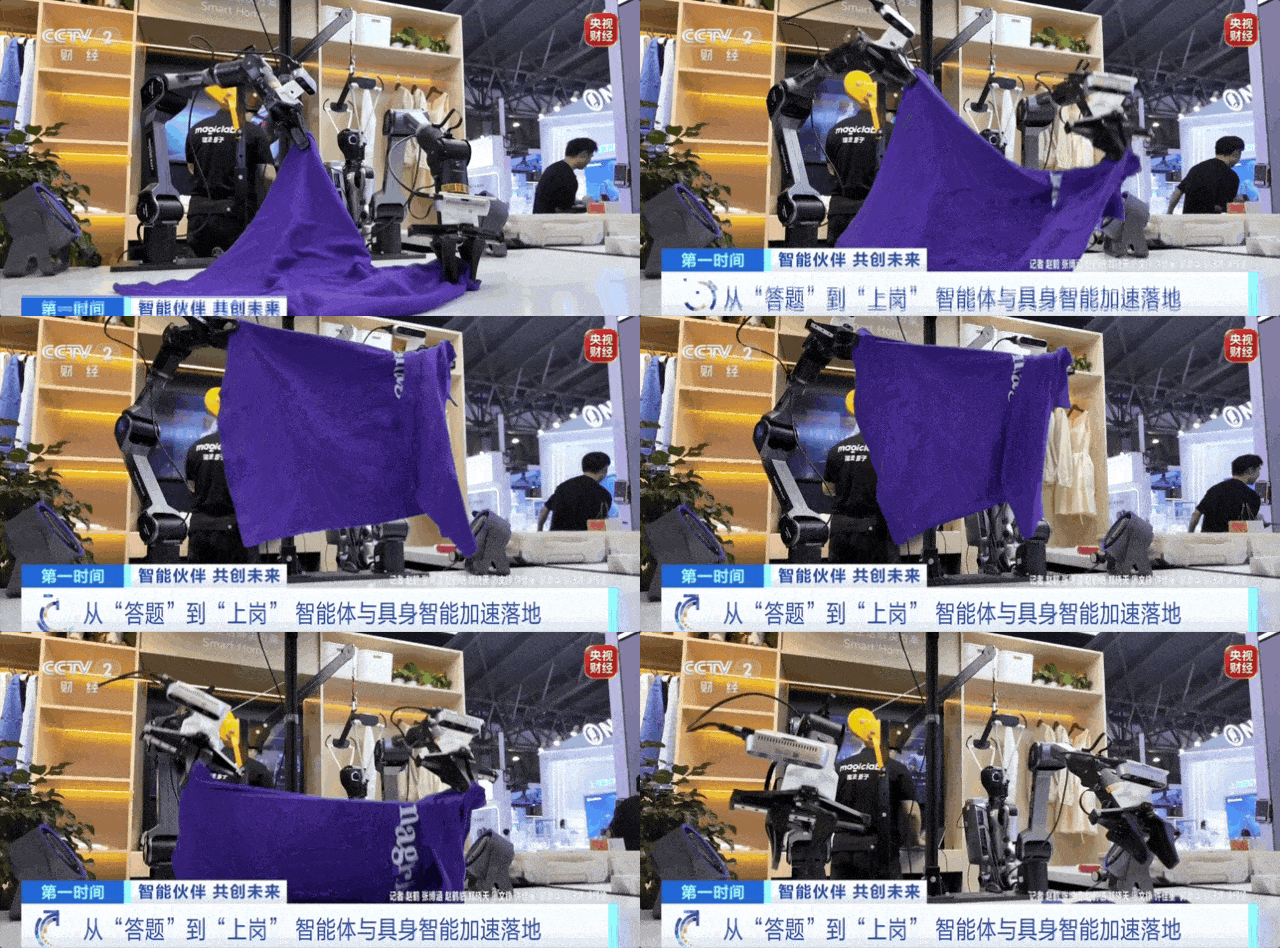
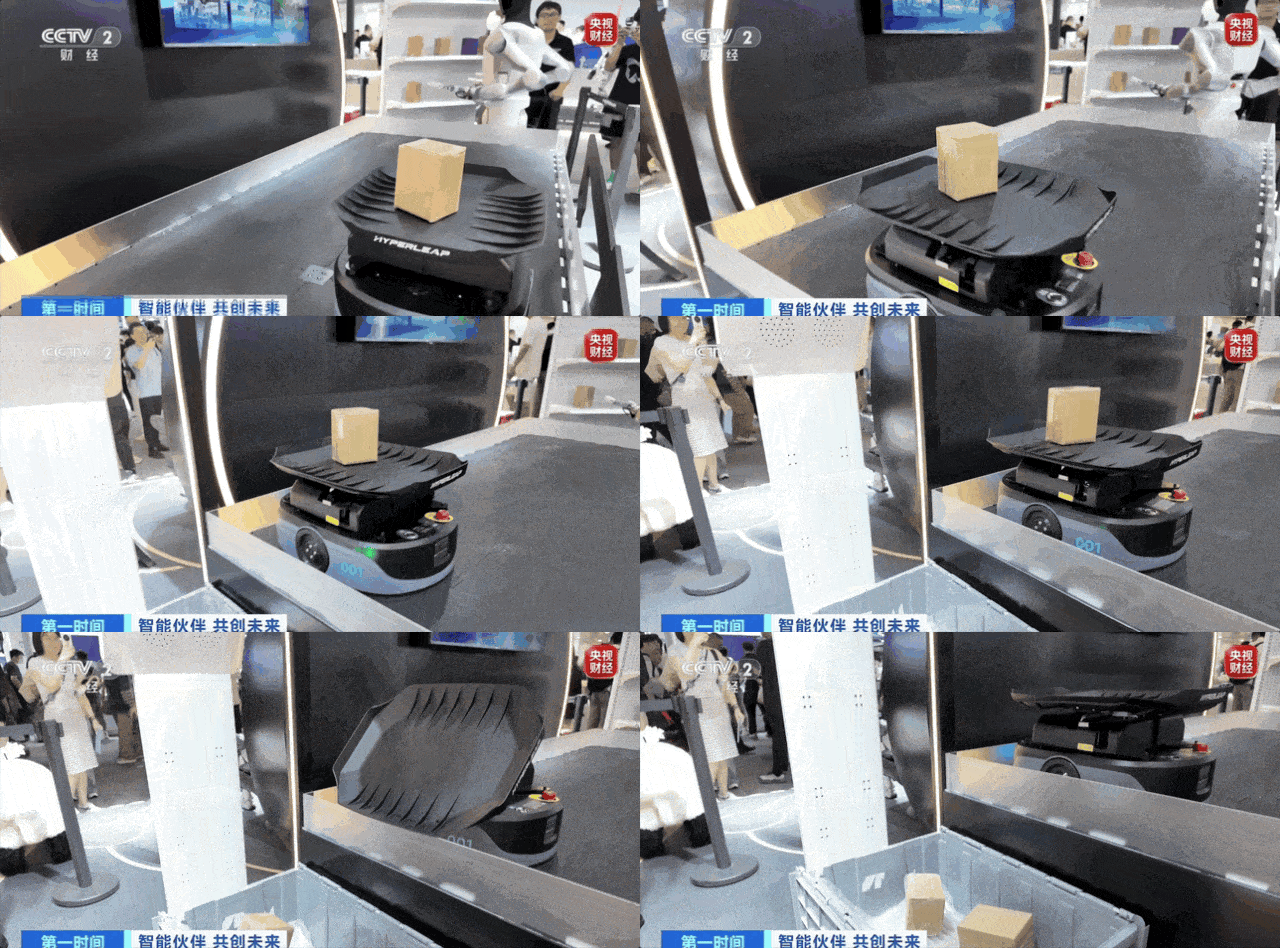
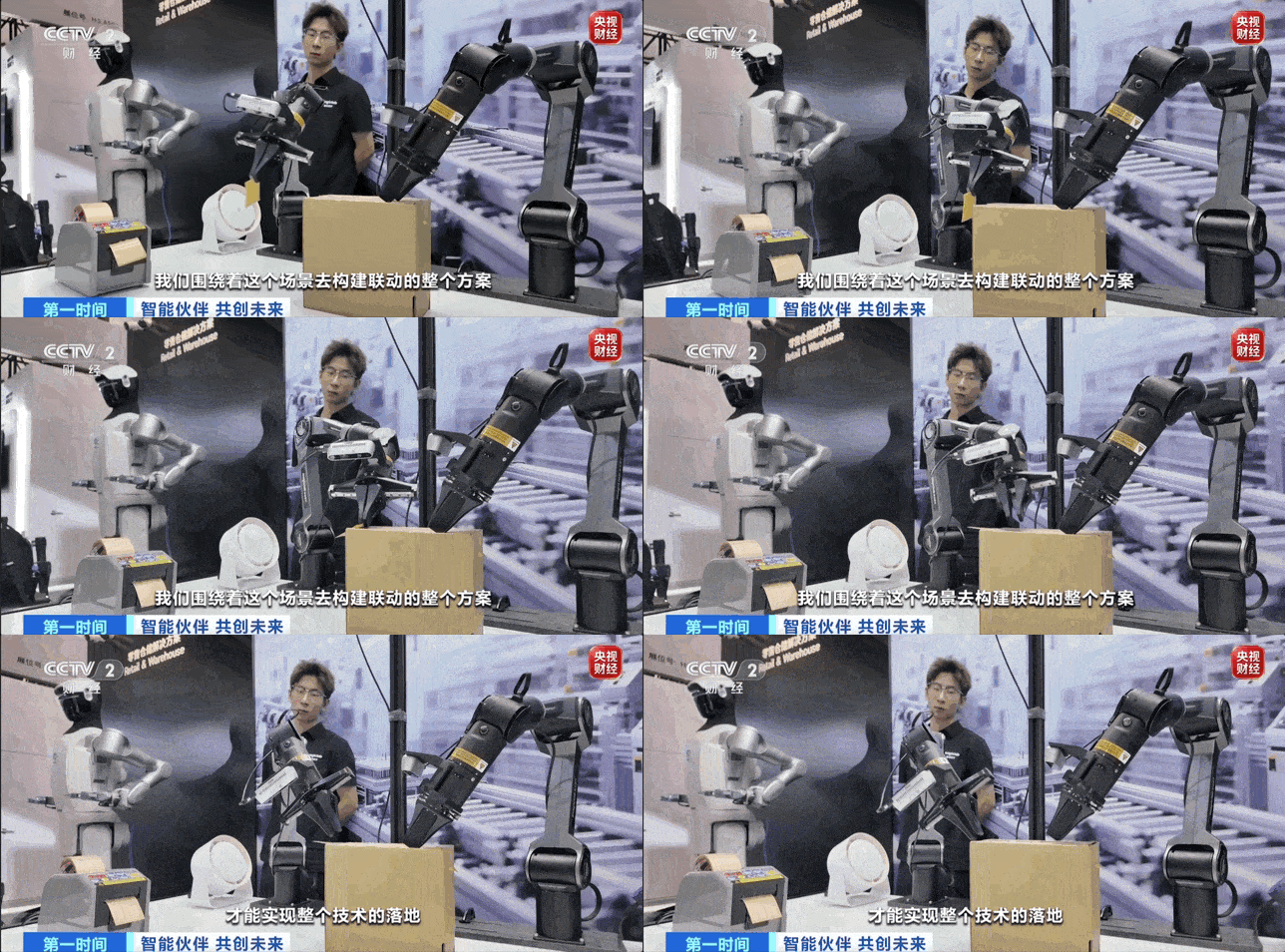
Chen Chunyu, a research and development engineer at Magic Atom, introduced his team's practices in robot operation workflows—completing item sorting followed by processes such as boxing, folding cartons, and applying tape. He also pointed out that only by building complete linkage solutions around specific scenarios can technology be truly implemented.
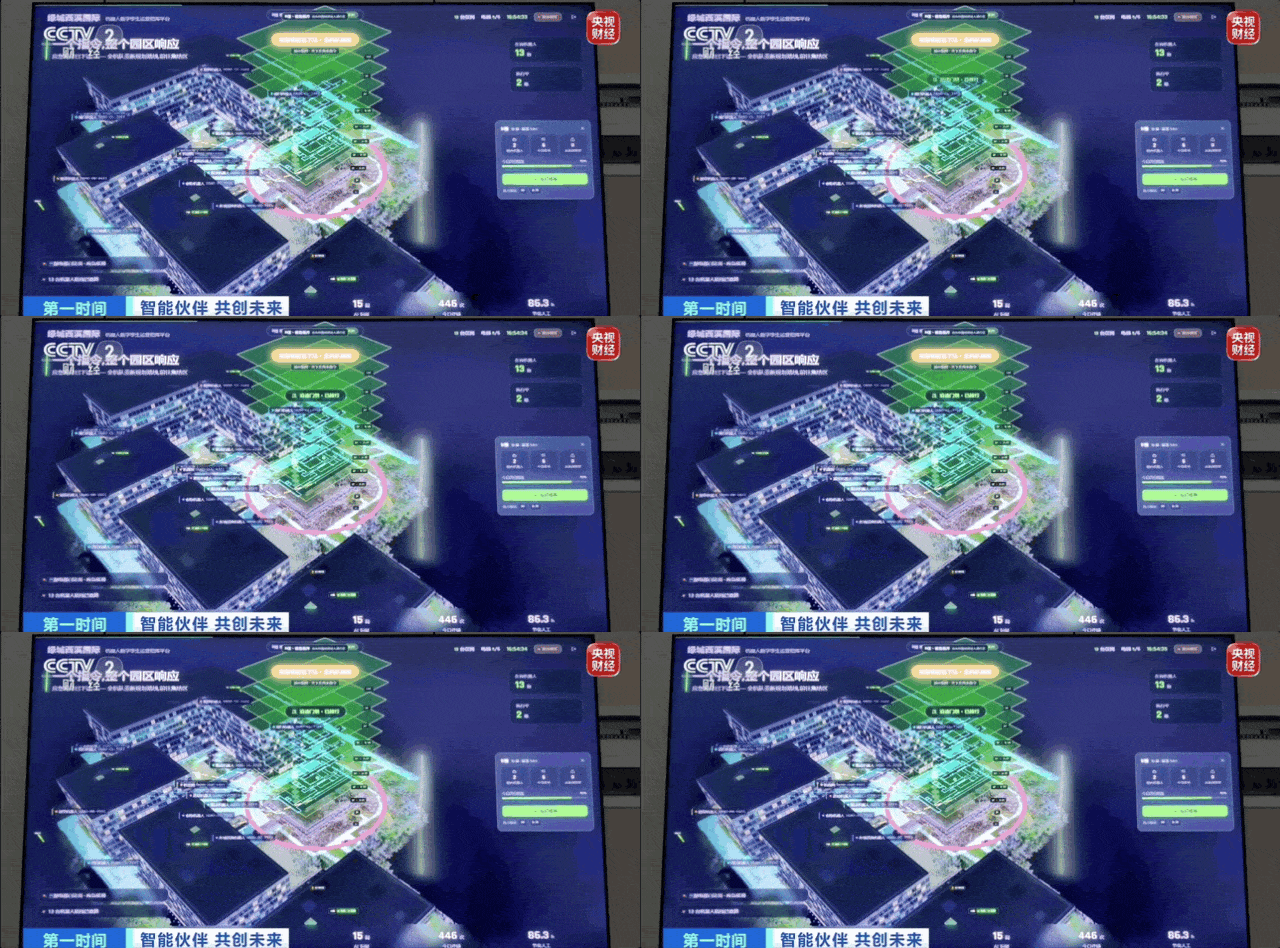
Robot operating companies are also accelerating the establishment of robot dispatch and management networks. Li Jingwen, vice president of AIROBO, introduced the operational approach of its third-party platform: by integrating access control, elevator control, and other facilities in a one-time process and collecting basic community data, a unified operational facility network is built, enabling unified access, dispatch, and management of various robots on a single platform.
From intelligent agents to robots, related technologies are accelerating their practical application in daily life and industrial scenarios.
Related Products



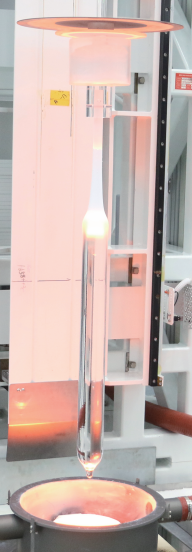
G.652.D Wavelength-extended Non-dispersion Shifted Single-mode Optical Fiber
HONGAN GROUP CO., LTD.
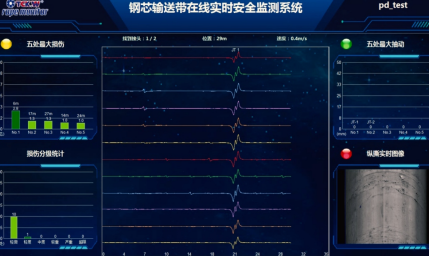
Conveyor Belt Intelligent Monitoring System
LUO YANG WIRE ROPE INSPECTION TECHNOLOGY CO., LTD.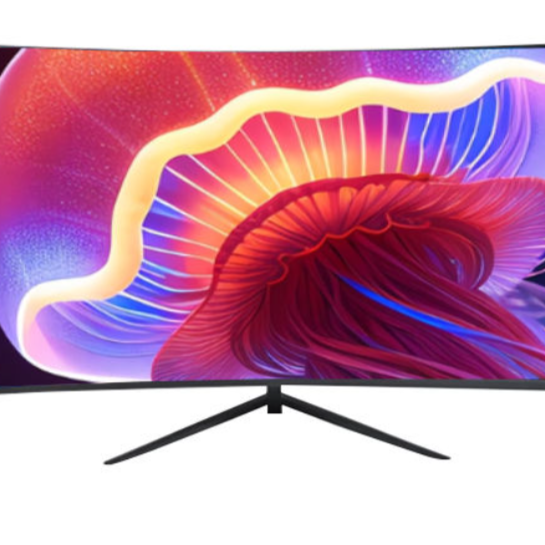
20 Inch 1600*900 Full HD 60Hz TFT LED Monitor with VGA and DP Interfaces for Desktop Computers-Business Use
Guangzhou Zanying Optoelectronics Technology Co., Ltd.

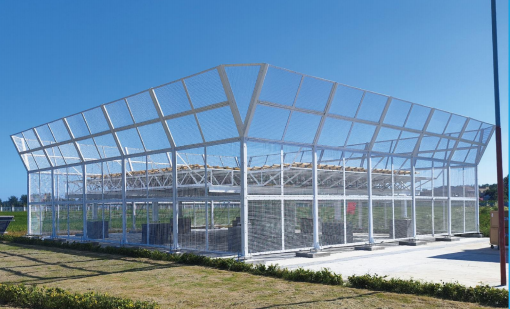
TWP16 P-Band Tropospheric Wind Profile Radar
China Huayun Meteorological Technology Group Co., Ltd.