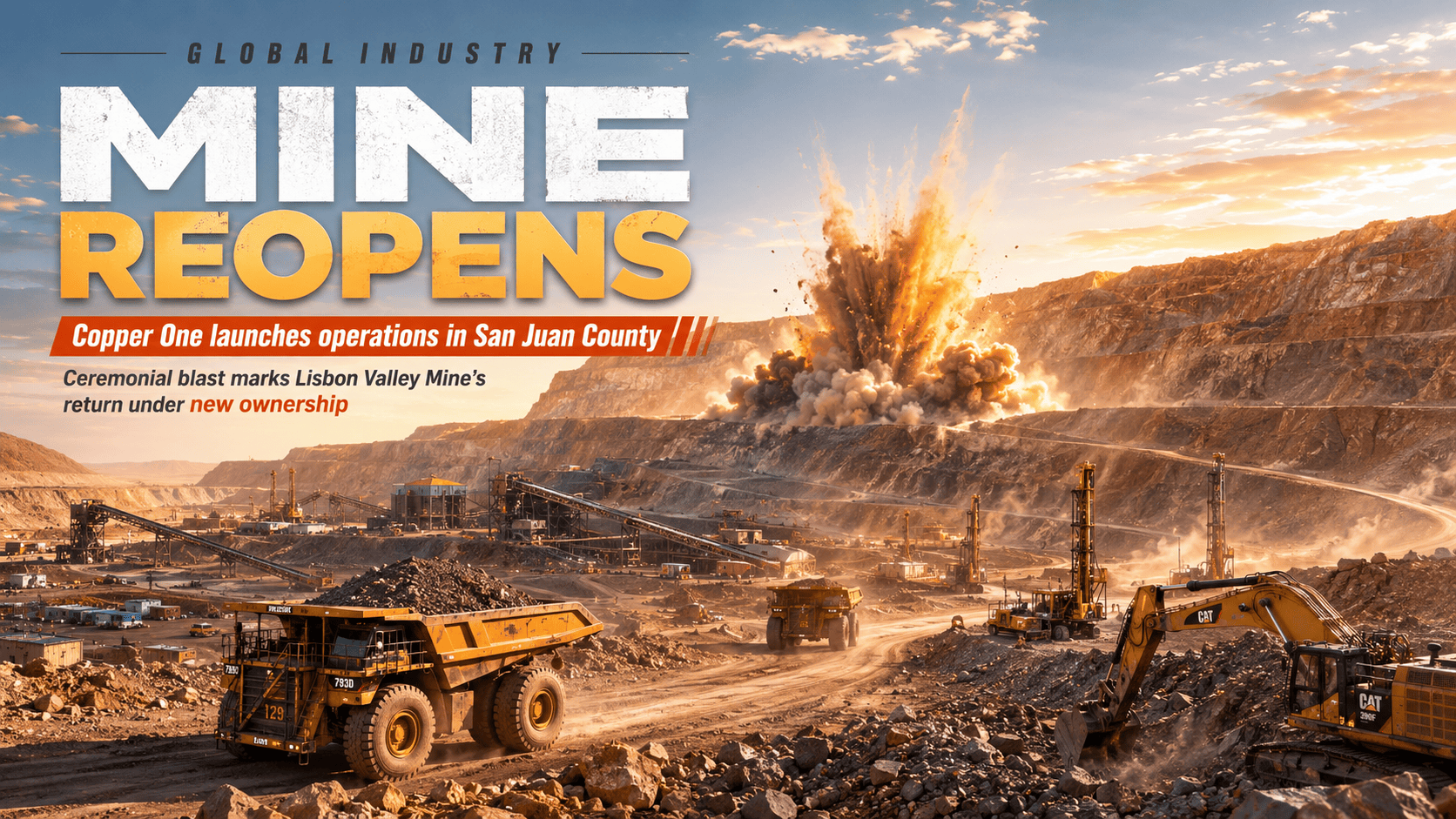
Environmental Control and Energy Recovery Are Becoming Essential in Metallurgical Projects
en.Wedoany.com Reported - The metallurgical industry is shifting from high-intensity production toward cleaner manufacturing and refined energy management. Steel, non-ferrous smelting and metal processing projects usually involve high temperature, heavy dust, high energy consumption and complex gas, wastewater and solid waste streams. For this reason, Metallurgical Complete Equipment must be designed with environmental control, energy recovery and resource circulation as part of the complete system.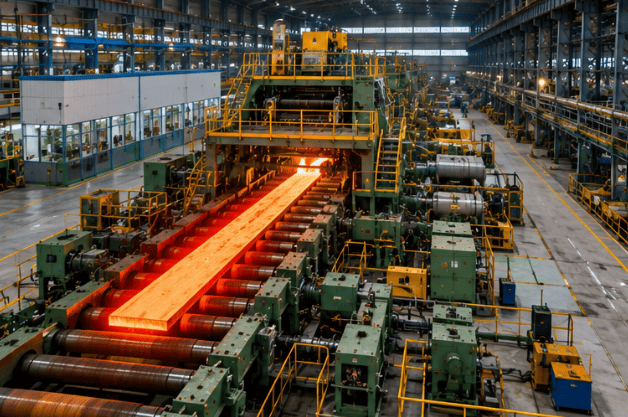
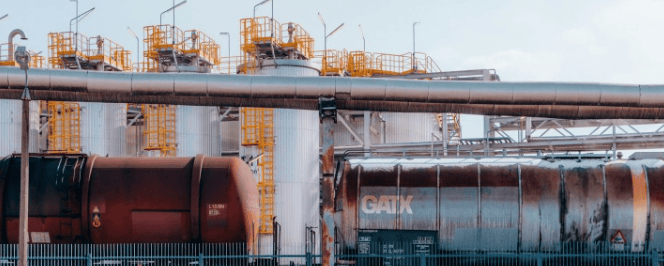
In steel production, sintering, coking, blast furnace operation, converter steelmaking, electric furnace melting, refining, casting and rolling all generate different emissions and by-products. Sintering flue gas may require desulfurization, denitrification and dust removal. Blast furnace gas must be cleaned and recovered. Converter primary and secondary fumes need different treatment routes. Electric furnace dust fluctuates sharply, so the dust collection system must respond quickly. Reheating furnaces require combustion optimization, waste heat recovery and nitrogen oxide control.
Environmental equipment is no longer an optional auxiliary package. Bag filters, electrostatic precipitators, wet dust collectors, desulfurization and denitrification systems, VOC control, wastewater treatment, circulating water systems, solid waste treatment and online monitoring platforms must be designed together with the main process equipment. If environmental systems are added later or undersized, plants may face production limits, retrofit pressure and compliance risks after commissioning.
Energy recovery is also critical for cost reduction and efficiency improvement. Blast furnace gas, coke oven gas, converter gas, waste heat steam, hot charging, top-pressure recovery turbines, sintering waste heat power generation and reheating furnace heat recovery can all reduce energy consumption. Modern metallurgical systems need coordination among the main process, gas networks, steam systems, power systems and energy management platforms.
Future evaluation of complete metallurgical equipment will be more comprehensive. Owners will consider not only capacity and investment cost, but also energy use per tonne, emission performance, resource recovery, availability and environmental stability. Suppliers that integrate main process equipment, environmental systems, energy recovery and automation monitoring will be better positioned in green retrofit projects for steel and non-ferrous metallurgy.
Related Products

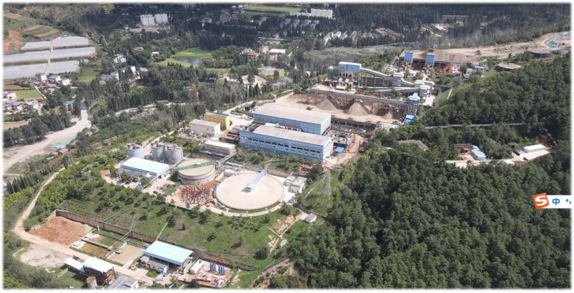
Yunnan Phosphorus Chemical Group Co., Ltd. 2 Million t/a Phosphorus Ore Mining and Beneficiation Project
China Bluestar Lehigh Engineering Corporation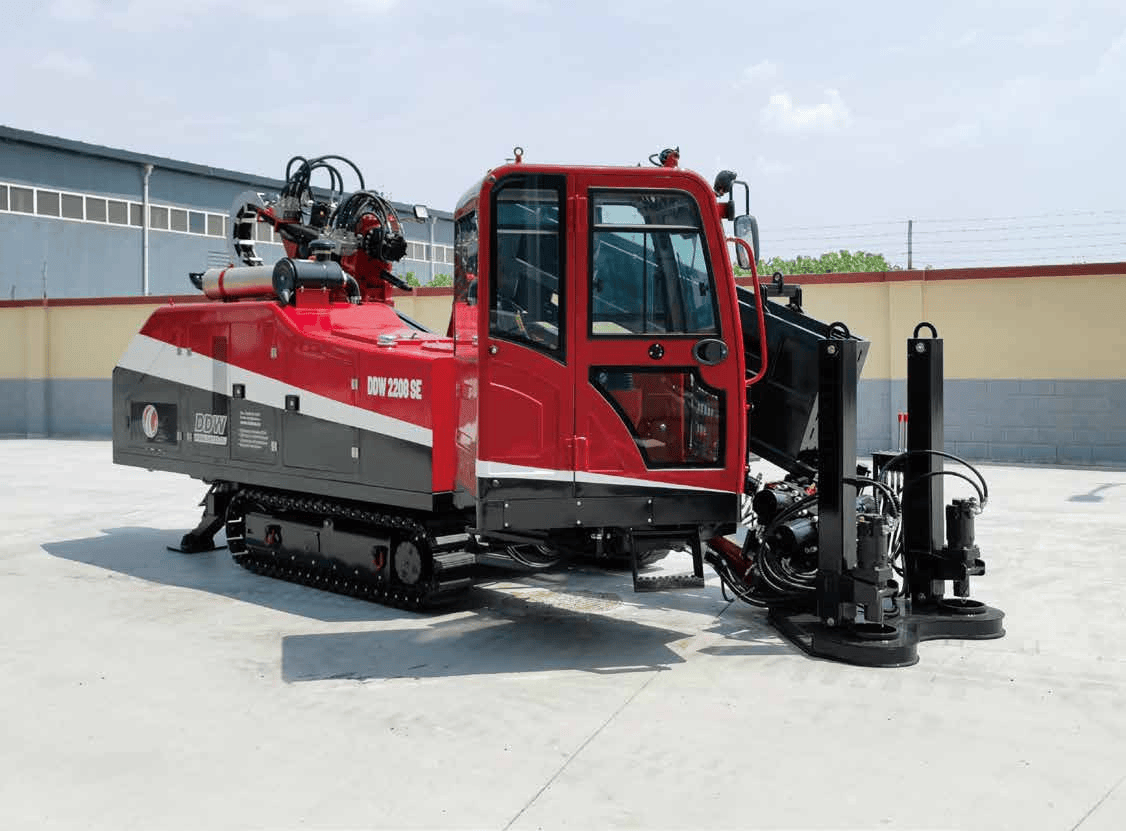
DDW22/08SE-HORIZONTAL DIRECTIONAL DRILL
DW/TXS Construction Equipment (Beijing) Co., Ltd.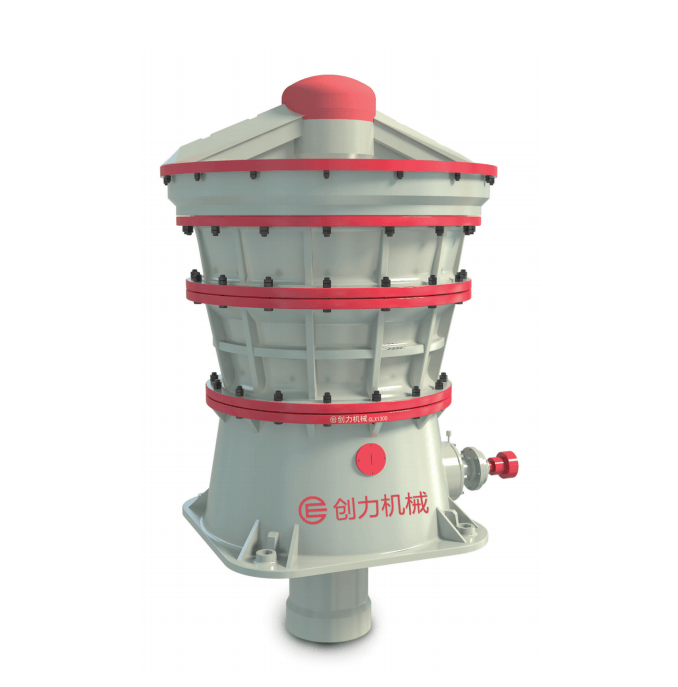
CLX Series Intelligent Hydraulic Gyratory Crusher
Guangdong CHUANGLI intelligent machinery Equipment Co., LTD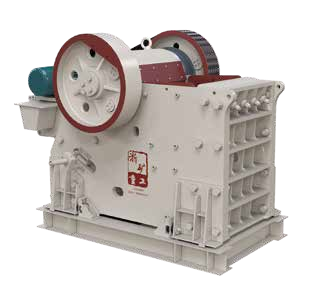

Comprehensive Mining Automation Control System
Beijing Tianma Intelligent Control Technology Co., Ltd.