Non-Ferrous Metallurgy Requires Process Adaptation and Material Understanding
en.Wedoany.com Reported - Metallurgical Complete Equipment is not limited to the steel industry. It is also widely used in copper, aluminum, nickel, zinc, lead, cobalt, lithium, rare earth and precious metal smelting and processing. As renewable energy, electric vehicles, energy storage, power grids and advanced manufacturing increase demand for critical metals, non-ferrous metallurgical projects require stronger process adaptation.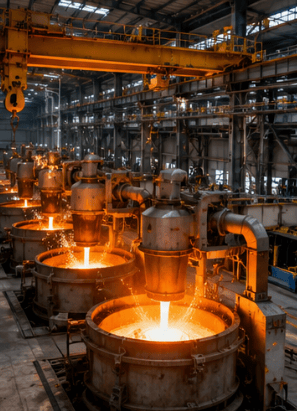
Non-ferrous metallurgy differs significantly from steelmaking. Ore grade, mineral occurrence, impurity composition, melting point, volatility, corrosiveness and process route vary greatly among metals. Copper smelting may involve flash smelting, converting, fire refining and electrorefining. Aluminum production requires alumina, electrolytic cells, anode systems and gas cleaning. Nickel and cobalt processing may involve leaching, solvent extraction, precipitation and electrowinning. Lithium processing may require roasting, acid leaching, impurity removal, lithium precipitation and refining.
These routes require very different equipment combinations. The core of non-ferrous complete equipment is not simply manufacturing furnaces, tanks or conveyors. It is understanding material properties and reaction processes. High-temperature furnaces, leaching tanks, filtration equipment, extraction systems, electrolytic cells, crystallizers, drying and roasting equipment, off-gas treatment and wastewater systems must be designed according to the metal type and process conditions.
If equipment materials, anti-corrosion structures, agitation methods, temperature control or sealing design are not suitable, projects may face corrosion, blockage, lower recovery or unstable product purity. This makes process testing and equipment verification especially important in non-ferrous projects.
Environmental control and resource recovery are also critical. Smelting gas may contain sulfur, fluorine, chlorine, heavy metals and acidic components. Hydrometallurgical systems may generate high-salt, high-acid or heavy-metal-containing wastewater. Solid residues may still contain recoverable metals. Complete equipment solutions need to consider product recovery, by-product recovery, gas treatment, water recycling and safe residue handling at the same time.
In the future, non-ferrous metallurgical equipment will increasingly serve critical mineral processing and resource localization projects. Suppliers with mineralogical knowledge, metallurgical process capability, corrosion-resistant materials, automation, environmental control and pilot testing will be better positioned in overseas copper, aluminum, lithium, nickel, cobalt and rare earth projects. For non-ferrous producers, complete equipment should improve not only plant construction speed, but also metal recovery, product stability and long-term operational safety.
Related Products

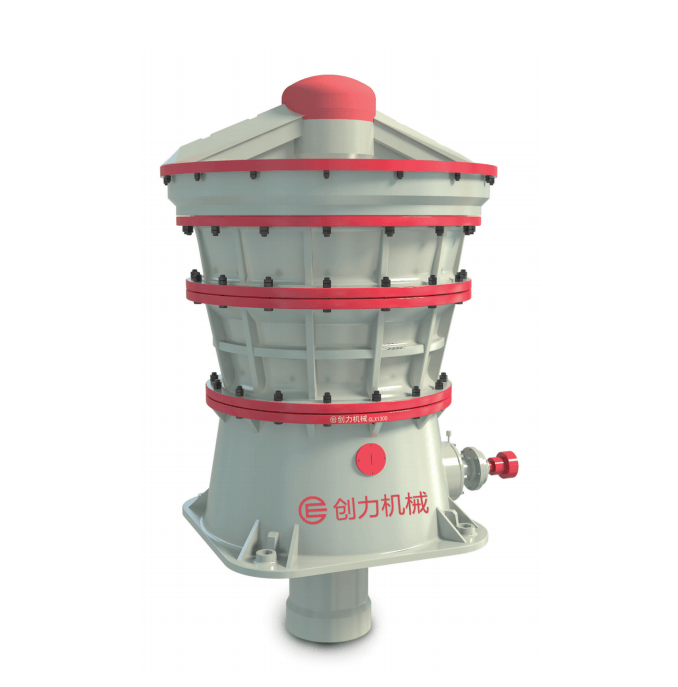
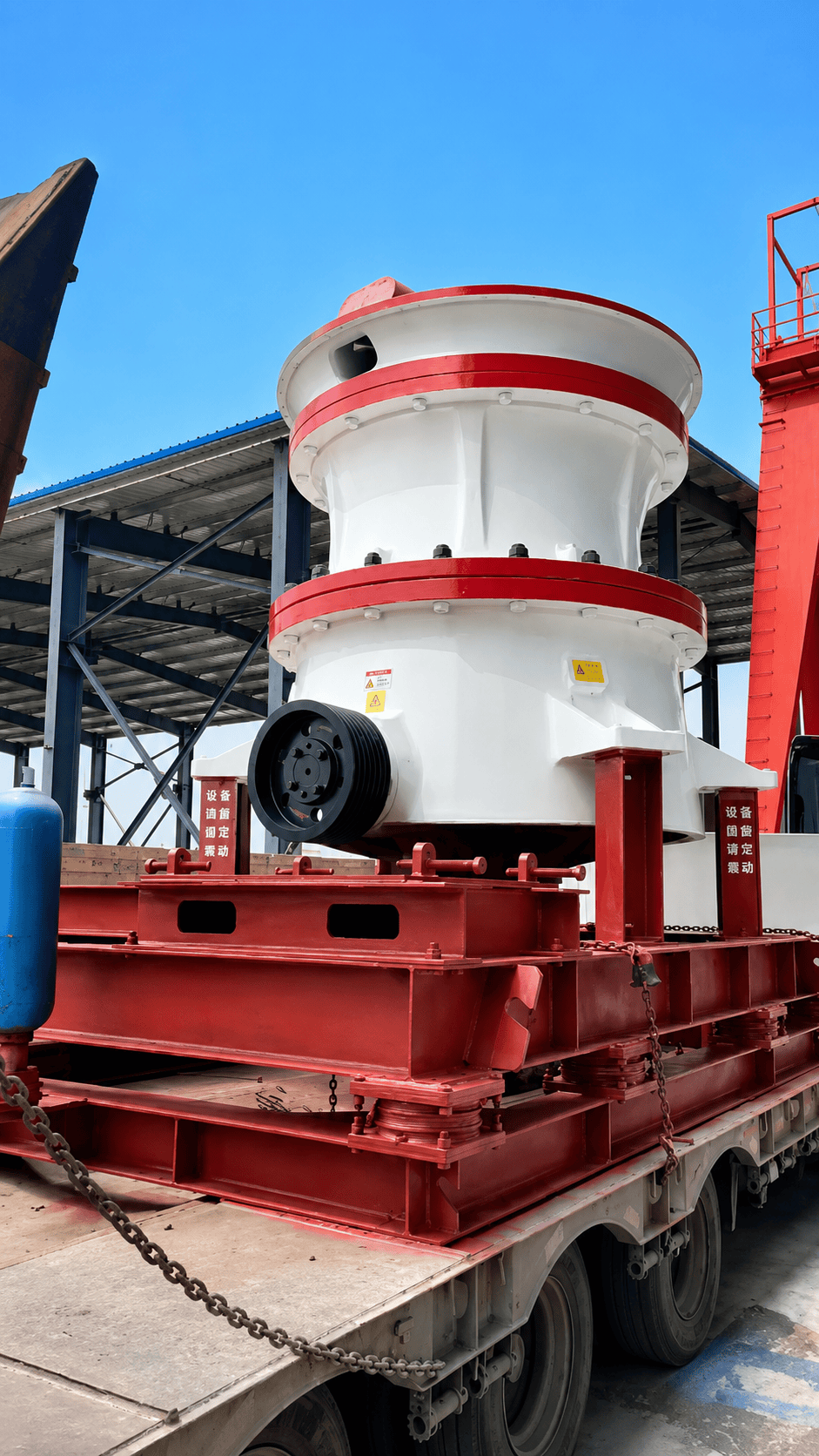
CLX Series Intelligent Hydraulic Gyratory Crusher
Guangdong CHUANGLI intelligent machinery Equipment Co., LTD
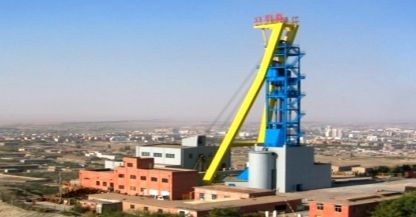
Core Technologies of the Mining Technology and Equipment Business Unit: Efficient Mining Methods and Processes
CHANGSHA INSTITUTE OF MINING RESEARCH CO., LTD.
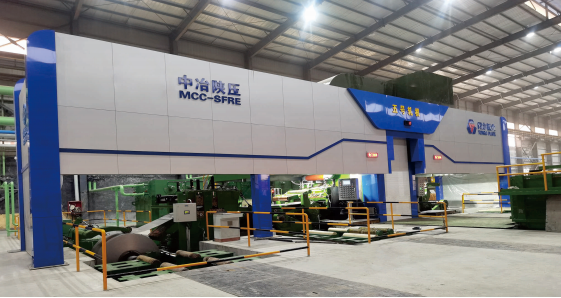
1050-1750mm Steel Strip Single-stand Reversible Cold Rolling Production Line
MCC-SFRE HEAVY INDUSTRY EQUIPMENT CO., LTD.