China Drives Over 60% Growth in Global LNG Bunker Vessels in Three Years
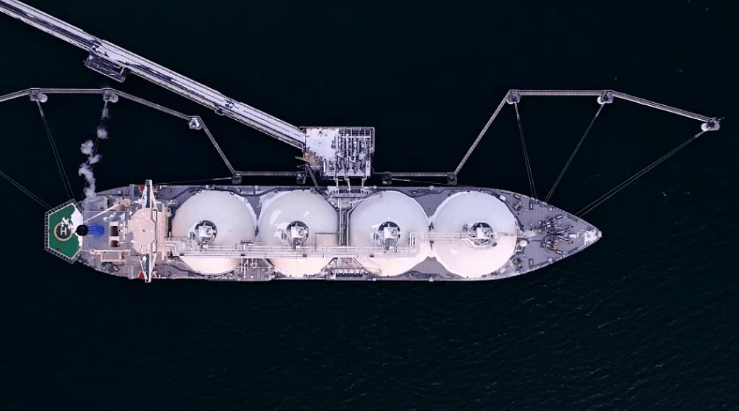
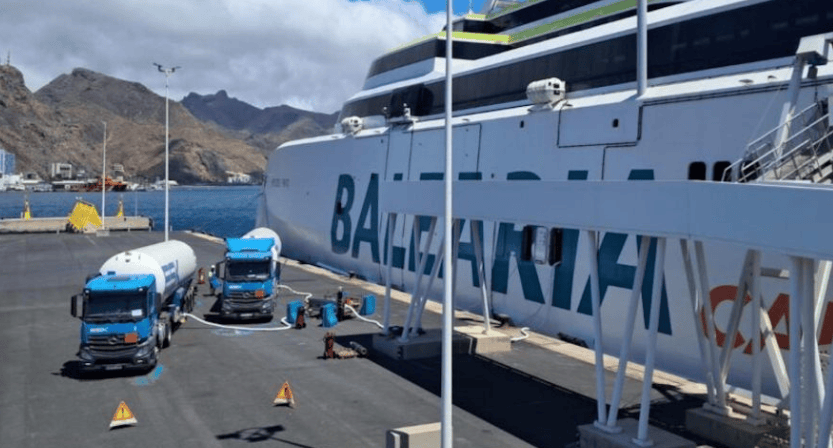
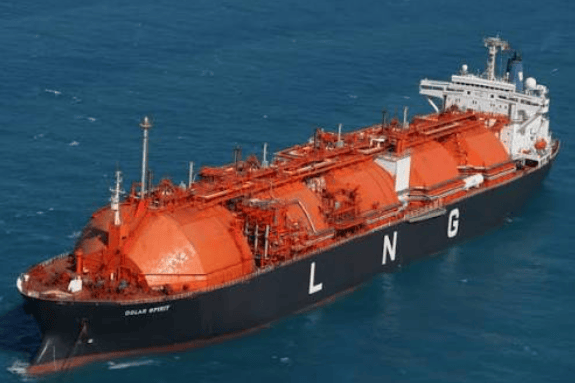
en.Wedoany.com Reported - SEA-LNG noted in its mid-year report that the number of LNG bunker vessels in operation globally has expanded from 9 in 2017 to 67, with an additional 42 under construction and scheduled for delivery by 2029. If these vessels are delivered on schedule, the global fleet of LNG bunker vessels will increase by 62.7% in less than three years.
In 2025, orders for LNG bunker vessels totaled 23, with an additional 7 orders placed in the first half of 2026. According to the SEA-LNG report, as more LNG-fueled vessels enter service, the average monthly LNG bunkering volume from January to May 2026 reached 770,000 cubic meters, an increase of approximately 13% compared to the same period in 2025. The over 60% growth in LNG bunker vessels over the next three years is closely linked to LNG's continued dominance in alternative fuel vessel orders. Data shows that in the first half of 2026, global shipowners ordered 73 LNG dual-fuel vessels, accounting for nearly 90% of all alternative fuel vessel orders.
Orders for LNG bunker vessels are no longer dominated by European shipowners. The seven new orders signed in the first half of 2026 indicate that China is increasing investment and building bunkering capacity in this sector to serve its growing LNG-fueled fleet.
On July 15, Nantong CIMC Pacific Offshore Engineering Co., Ltd. signed a construction contract with Sinopec (Beijing) Clean Energy Co., Ltd. for one 12,000-cubic-meter LNG bunker vessel, scheduled for delivery in 2028. Once this LNG bunker vessel enters commercial operation, it will further improve the LNG bunkering service network along China's coastal regions, promoting the green and low-carbon transformation of China's domestic shipping industry.
The construction contract for a 20,000-cubic-meter LNG bunker vessel signed last year between Shanghai International Port (Group) Co., Ltd. (SIPG) and Jiangnan Shipyard (Group) Co., Ltd. (Jiangnan Shipyard) marks a new phase in the green transformation of the Shanghai International Shipping Center. This vessel uses LNG boil-off gas as fuel and is equipped with a variable-frequency energy-saving system, two full-rotation thrusters, and one high-power bow thruster, enabling autonomous berthing and unberthing, in-situ turning, and lateral translation during port bunkering operations. It is also equipped with the latest intelligent ship system, covering crew safety management, equipment health management, intelligent cargo management, and shore-based remote collaborative management, meeting the requirements of the "Technical Guide for Ship Intelligent Monitoring System 1.0" issued by the China Maritime Safety Administration.
Related Products

Microcomputer Protection and Substation Automation
Beijing Agent Devote Power Technology Development Co., Ltd.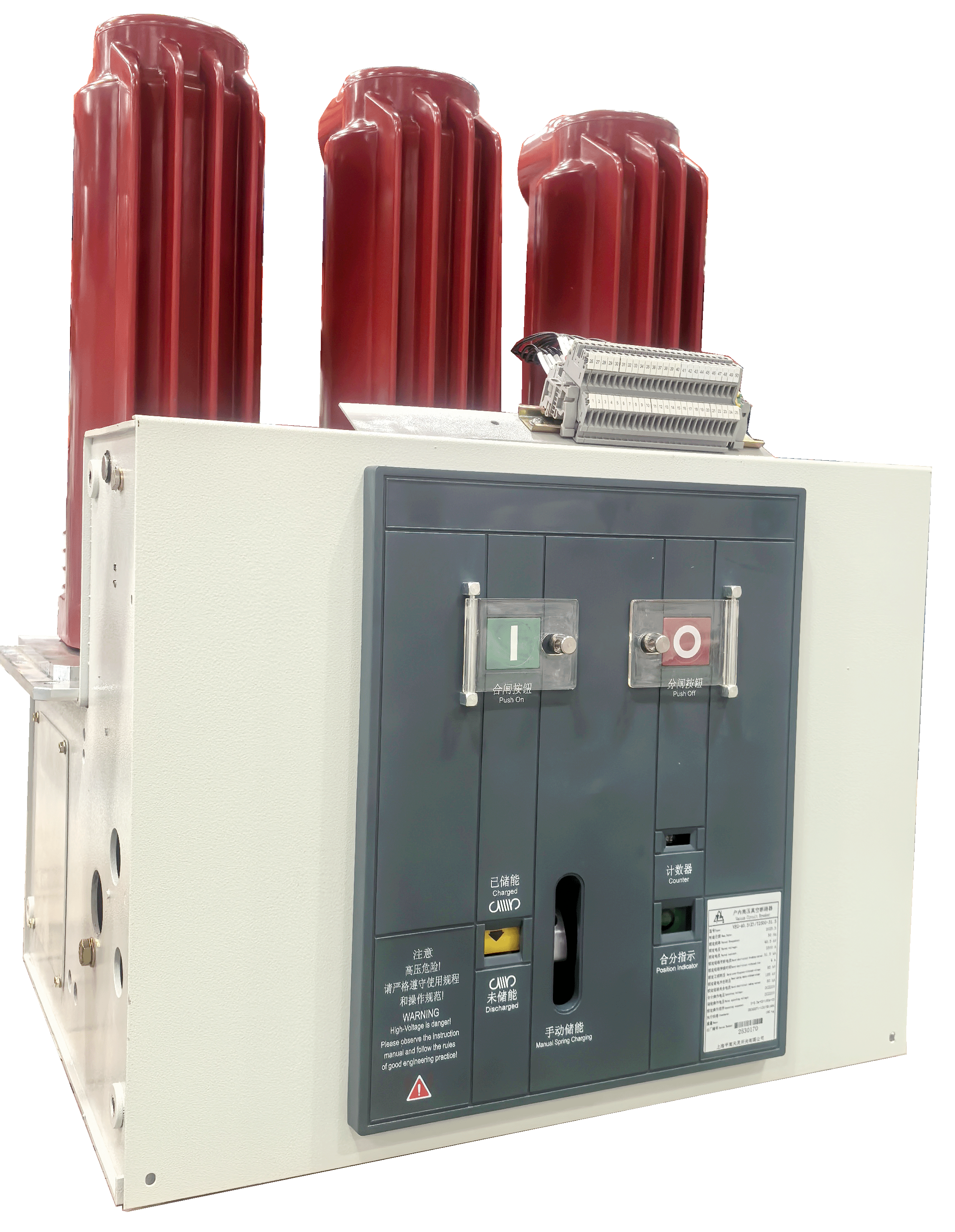
VEG-12/24/40.5 Series Vacuum Circuit Breaker
SHANGHAI PINGGAO TIANLING SWITCHGEAR CO., LTD.
Forest and Grassland Heat Source Infrared Monitor
China Huayun Meteorological Technology Group Co., Ltd.
Standard Nozzle Flowmeter
Jinggong Automatic Control Instrument Complete Technology Development Company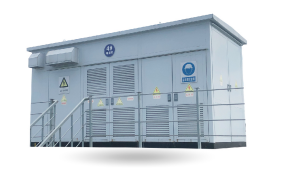
Smart Photovoltaic Prefabricated Substation
Shanghai Jinyou Jinhong Intelligent Electric Co., Ltd.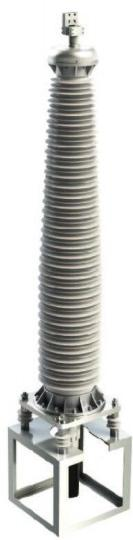
220kV Composite Outdoor Cable Terminal
Shenyang Guolian Cable Accessories Manufacture Co., Ltd.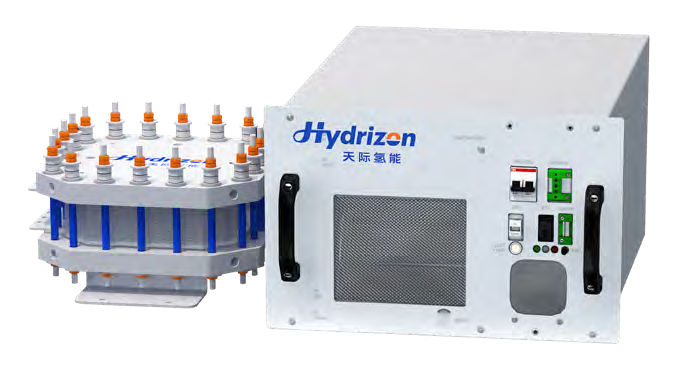
HI-Pro Green Hydrogen High-efficiency Production System-HI-PRO-AEM
Hydrizon Technology (Beijing) Co., Ltd.
Pneumatic high-pressure wear-resistant ball valve
Zhejiang Deca Control Valve Meter Co., Ltd.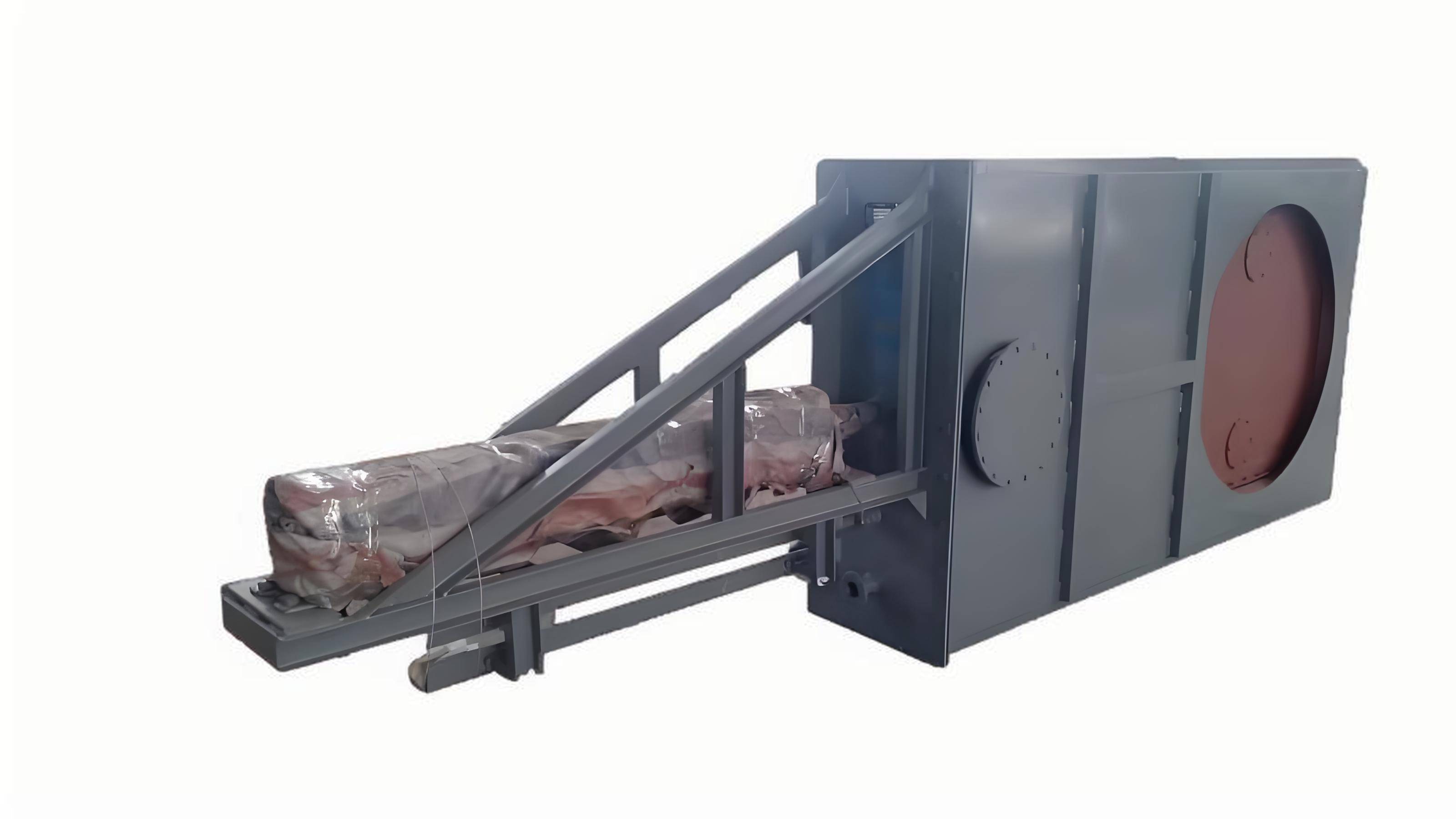
Double-slide Triple-sealed Hot Air Isolation Door
Xi'an Yingchuan Electric Power Equipment Co., Ltd.