Brazil Includes Critical Minerals and Fertilizers in R$18.5 Billion Plan to Tackle Tariffs
en.Wedoany.com Reported - Brazilian President Luiz Inácio Lula da Silva signed a provisional measure on July 22, providing R$18.5 billion in credit lines to support companies affected by the 25% tariff imposed by U.S. President Donald Trump on Brazilian producers and by international conflicts, and included critical minerals and the fertilizer sector in the plan's scope.
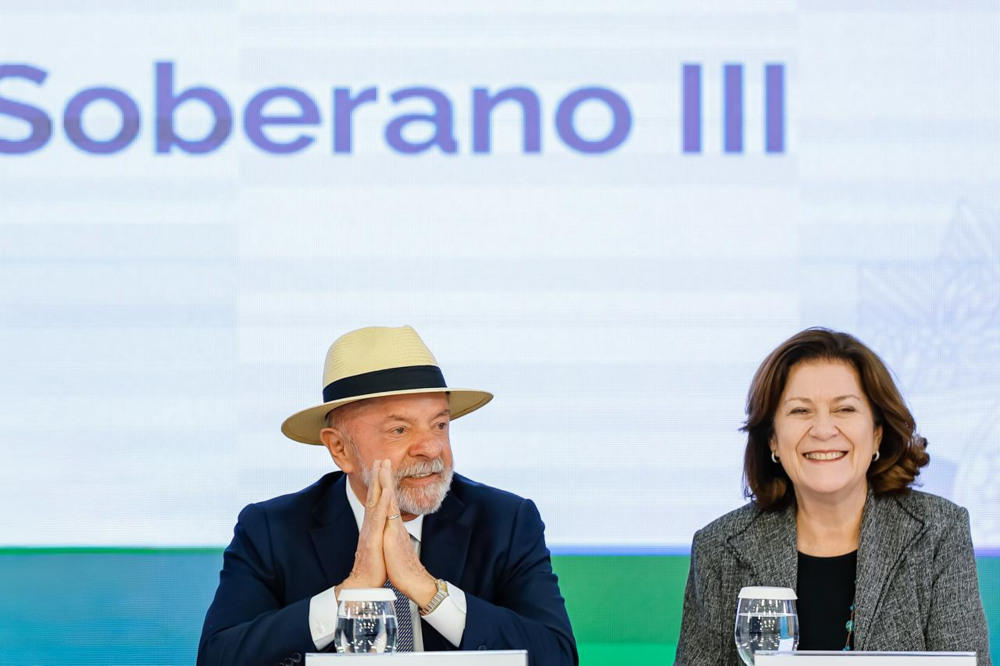
Named "Brasil Soberano 3," the provisional measure allocates R$13.5 billion from the National Treasury and an additional R$5 billion from the Brazilian Development Bank (BNDES). The measure establishes six credit lines, which can be used for working capital, capital goods acquisition, production investment, technological innovation, product and process adjustments, and new market development.
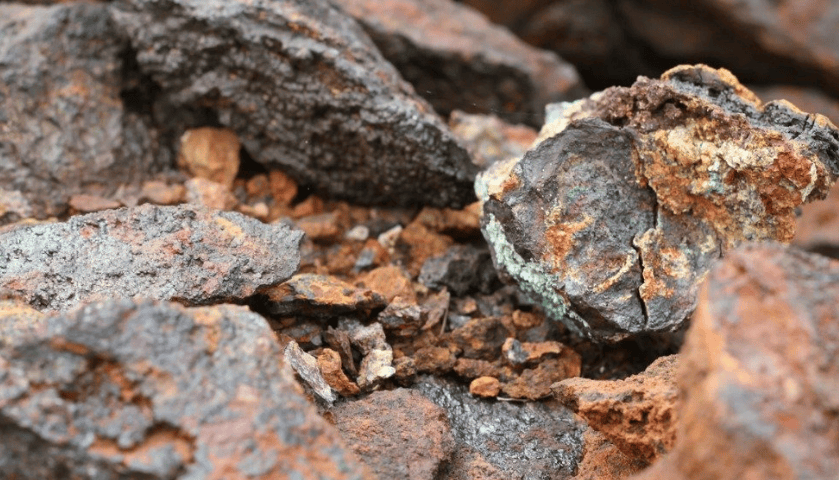
The government divided the beneficiary sectors into three groups. The first group involves companies affected by trade tariffs under Sections 232 and 301 of U.S. law, including the steel, aluminum, automotive, furniture and wood, coal, electromechanical equipment, ceramics, plastics, footwear, paper, and sugar sectors. The second group includes fertilizers, critical and strategic minerals, and other sectors strategic for the trade balance and national production security. The third group serves companies affected by international conflicts, particularly those exporting to Persian Gulf countries such as Saudi Arabia, Bahrain, Qatar, the United Arab Emirates, Iraq, Iran, Kuwait, and Oman.
Groups one and three can access all six credit lines, with financial costs ranging from 3% to 9.8%. Group two can only use the investment line (6.5%) and the capital goods line (8%), which includes a specific line for critical minerals with a minimum cost of 3% for mineral processing. The provisional measure will be submitted to Congress this Wednesday.
At the signing ceremony, Lula stated that in times of crisis, one should not cry but seek solutions, and criticized the "sudden decisions" of the U.S. government. He also mentioned that Brazil will not abandon the negotiating table and that Brazil has a trade deficit with the United States.
According to a survey released on July 21 by the Brazilian Institute of Petroleum, Gas, and Biofuels (IBP), the crude oil export tax generated an additional R$9.6 billion in royalties in the first half of 2026 and reduced Petrobras' foreign sales in May. The average price of Brent crude rose to $92.56 per barrel, and Brazil distributed R$36.5 billion in royalties in the first half of the year, 35% higher than initially forecast. However, Brazil's crude oil shipments in May fell 28.3% compared to April, with total exports dropping from 62.8 million barrels to 45 million barrels.
On the same day, President Lula signed a law releasing R$15 billion under the "Brasil Soberano 2" project, expanding the scope of financing policies. The new law originated from Provisional Measure 1345, which, after congressional review, was expanded to include exporters in agriculture, livestock, planted forests, fisheries, aquaculture, and mining, as well as related cooperatives and associations. According to government data, the first phase of Brasil Soberano 2, launched in 2025, provided R$16 billion; the second phase has a budget of R$21 billion, with R$19.5 billion in applications received, of which BNDES has approved R$10.6 billion. Of the 677 submitted projects, 313 benefit micro, small, and medium-sized enterprises.
Related Products
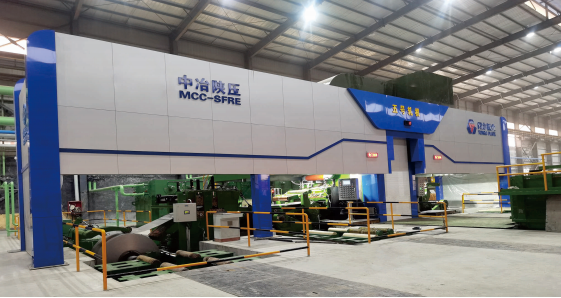

1050-1750mm Steel Strip Single-stand Reversible Cold Rolling Production Line
MCC-SFRE HEAVY INDUSTRY EQUIPMENT CO., LTD.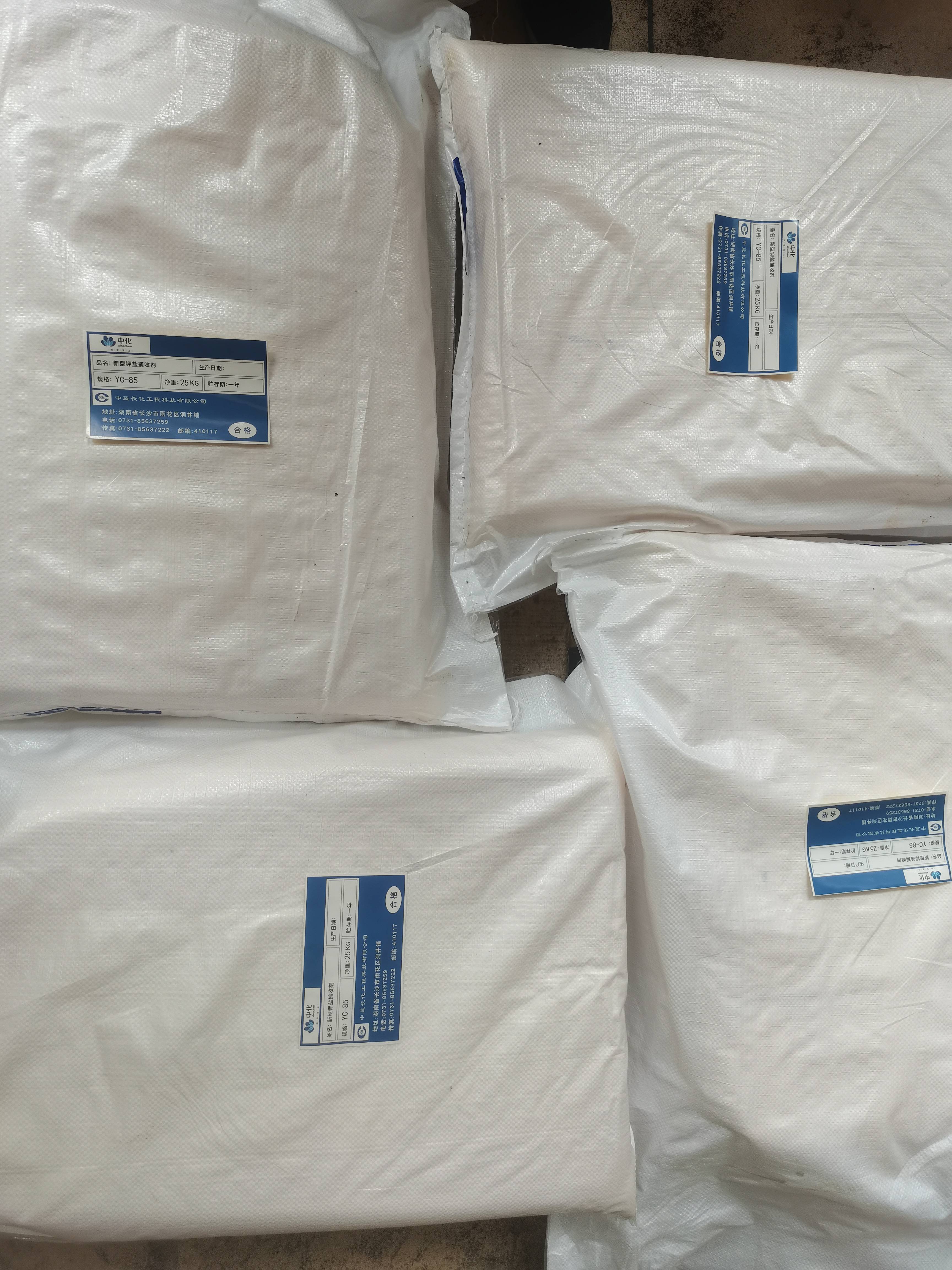
New Environmentally Friendly Green Potassium Salt Collector
Chonfar Engineering and Technology Co., Ltd.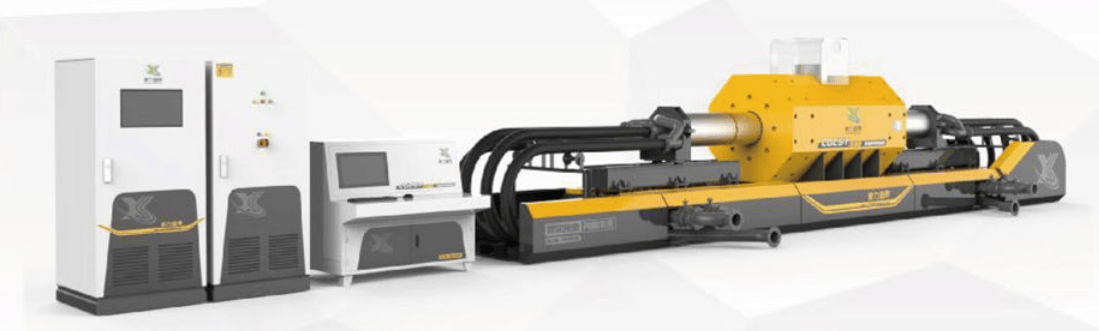
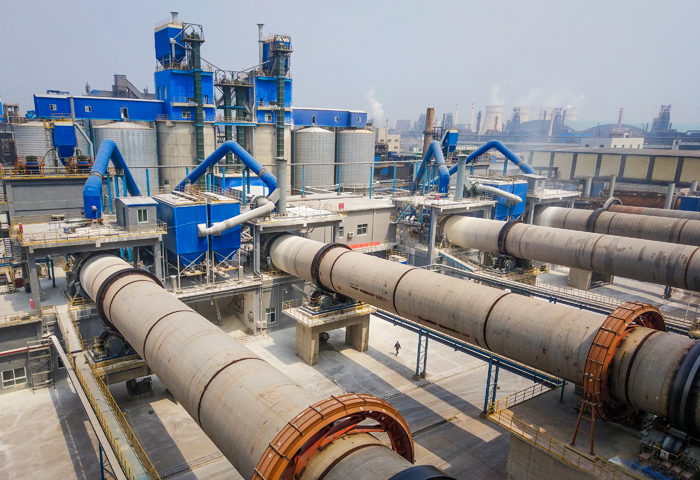
CITIC Heavy Industries Metallurgical Equipment Steel Smelting Engineering Equipment
CITIC Heavy Industries Co., Ltd.