New Zealand Launches Million-Dollar Ground-Based Microgravity Test for Space Biomaterials
en.Wedoany.com Reported - New Zealand's Ministry of Business, Innovation and Employment (MBIE) has funded a $1 million project under its "Smart Ideas Endeavour Fund" to produce bacterial nanocellulose (BNC) under low-gravity conditions using symbiotic microbial co-culture technology.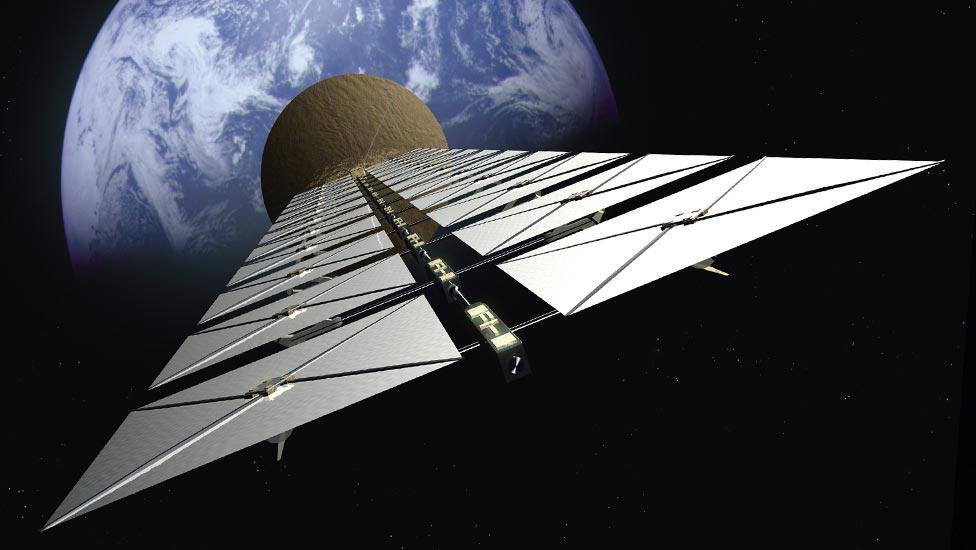
The experimental architecture employs a photosynthetic bioprocess rather than traditional sugar fermentation techniques. The symbiotic co-culture model combines BNC-producing bacteria with microalgae, relying on sunlight and carbon dioxide to generate the nutrients required for synthesizing the material. The research team uses a high aspect ratio vessel (HARV) bioreactor, a rotating wall vessel that enables self-contained biological samples to undergo continuous free fall, thereby simulating a microgravity environment during ground-based testing. BNC offers high structural strength, elasticity, chemical purity, and biocompatibility, making it suitable for high-performance applications.
Synthesizing biomaterials in a microgravity environment can alter the arrangement of structural polymers, potentially enabling the creation of ultra-lightweight composites, advanced filtration membranes, and medical implants that cannot be replicated under Earth's normal gravity. Furthermore, establishing a self-sustaining, solar-powered biomanufacturing method provides a benchmark for in-situ resource utilization (ISRU) in deep space exploration and orbital infrastructure development.
Shishir Bankapur, CEO of Helogen, stated that by combining the research leadership of the Bioeconomy Science Institute, Cawthron's expertise in algae, and Helogen's work at the intersection of biology and space, a new approach is being built to produce high-value materials in microgravity. This represents Helogen's effort to leverage the unique conditions of space to unlock breakthroughs with profound impacts on Earth.
Following the completion of ground-based bioreactor trials, researchers will integrate specialized sensing technologies to monitor BNC formation within a self-contained, autonomous miniature laboratory. The flight-ready payload is scheduled for launch by the end of 2027, marking the first orbital test of symbiotic microbial co-culture for materials manufacturing.
Related Products



CAP1400 main feedwater flow nozzle flowmeter.
Jiangsu Hongda Instrument Technology Co., LTD.


High-Speed Railway Lifting, Transporting, and Erecting Equipment: Integrated Transport and Erection Machine
Hanjiang Heavy Industry Co., Ltd. of China Railway 11th Bureau Group
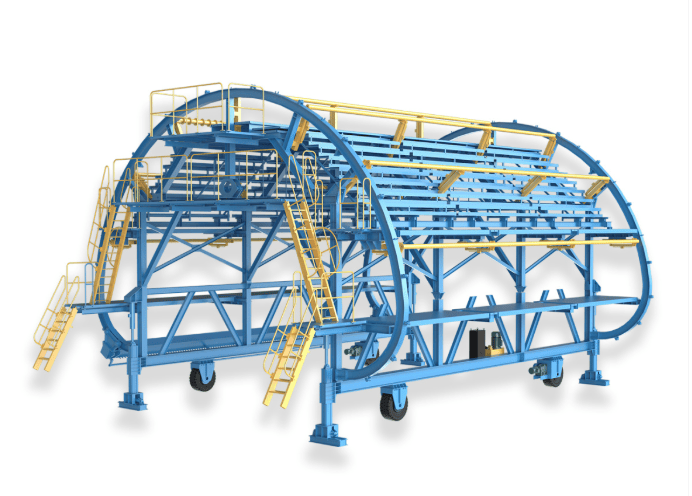
QLZNGJ Intelligent Steel Reinforcement Trolley
Luoyang China Railway Qiangli Machinery Co., Ltd.