Swiss Mimic Robotics Launches Robotic Hand Capable of Lifting 25 kg
en.Wedoany.com Reported - Swiss startup Mimic Robotics has launched a tendon-driven robotic hand, the Mimic Hand M1, capable of grasping loads exceeding 25 kg (55 lbs) and sensing forces as low as 0.1 Newtons, enabling it to perceive objects weighing approximately 50 grams. The company also unveiled a companion wearable data collection device, the Wearable U1.
The Mimic Hand M1 features 15 active degrees of freedom across 21 joints, including finger abduction and an opposable thumb. Its design draws from human anatomy, with actuators housed in the forearm rather than within the hand itself, driving finger movements via tendons. Fingertips are equipped with tactile sensors that measure normal force, shear force, and contact position, providing the system with additional feedback beyond computer vision.
Mimic Robotics states that creating a human-like mobile robotic hand is only part of the challenge. The company adopts a vertical integration strategy, delivering the robotic hand hardware, data collection tools, and AI models as a complete platform, rather than selling the hand separately. This approach aims to avoid the so-called "cross-embodiment gap"—the transfer difficulty encountered when AI models trained on human hand videos must perform tasks using vastly different tools, such as two-finger grippers.
The company claims that the Mimic Hand M1's architecture is optimized for force sensing, durability, and long-term reliability in industrial environments, designed to withstand repeated impacts and continuous operation.
The Mimic Wearable U1 is a passive exoskeleton device whose kinematic structure mechanically matches the motion of the M1 hand and replicates sensing configurations such as tactile sensors and a wrist-mounted camera. Users wearing this device can perform operations to collect data for training robot AI without directly operating a real robot. Mimic Robotics Chief Product Officer Stephan-Daniel Gravert stated that robotic teleoperation has fundamental limitations at scale, leading to the development of this wearable device.
Additionally, the company has independently developed the robot middleware mimic-ipc to reduce communication latency and improve synchronization between sensors and robot control. Chief Technology Officer Elvis Nava noted that building the entire technology stack in-house is a core strategy for Mimic, with each system component designed internally to maximize the performance of robot AI models.
In terms of industrial applications, tasks such as assembly, electronics handling, packaging, and sorting have long been difficult to automate due to the need for fine manipulation, changing grasp positions, and adapting to unpredictable objects. A robotic hand with strength, tactile sensing, and human-like motion capabilities has the potential to expand the range of tasks robots can perform without relying on highly specialized, dedicated equipment. This approach aligns with the industry trend of combining AI models with sensors and physical robots to build "physical AI" systems, an area in which companies including NVIDIA, Figure AI, and Sanctuary AI are investing.
Related Products
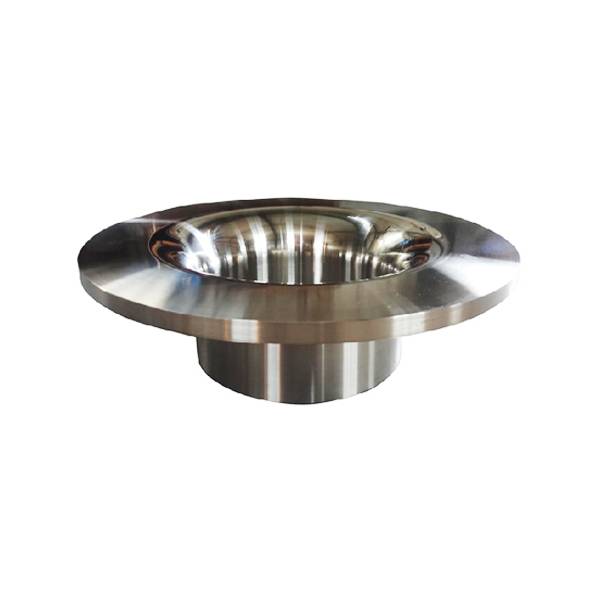

Standard Nozzle Flowmeter
Jinggong Automatic Control Instrument Complete Technology Development Company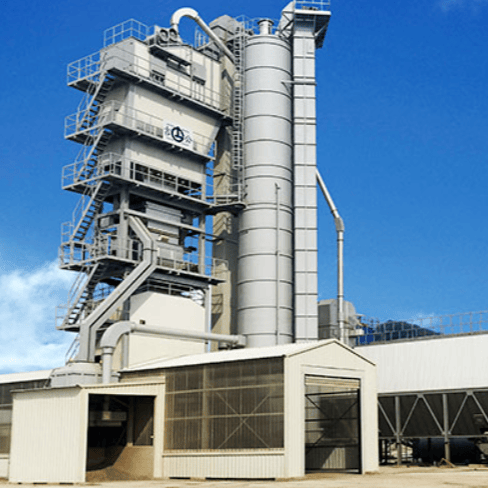
LBH4000 Batch Environmental Protection Asphalt Mixing Plant | Asphalt Batching Plant | Asphalt Mixing Plant
Jilin Province Road Construction Machinery Co., Ltd.
Industrial and Commercial Point-Type Gas Detector
Jinan Benan Technology Development Co., Ltd.
CAP1400 main feedwater flow nozzle flowmeter.
Jiangsu Hongda Instrument Technology Co., LTD.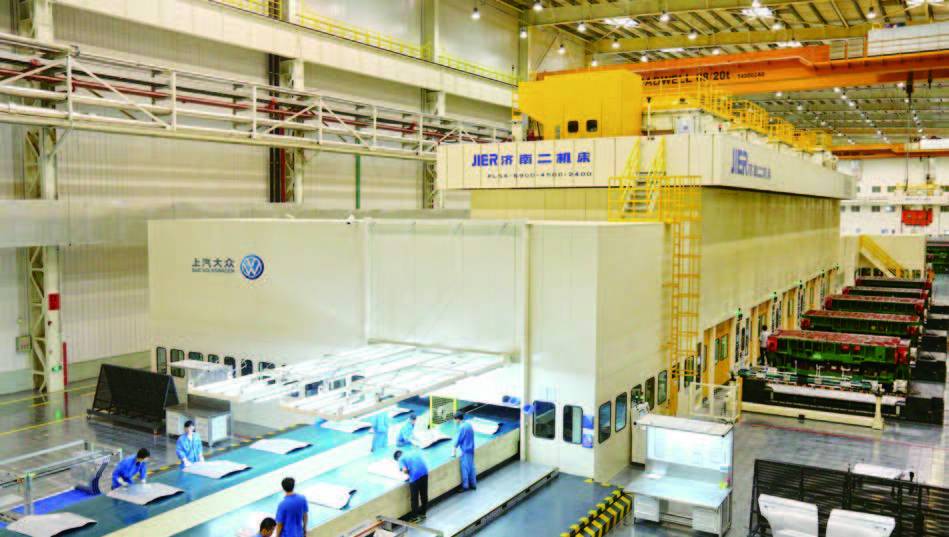
High-Speed Flexible Fully Automatic Stamping Production Line
JIER Machine-Tool Group Co., Ltd.
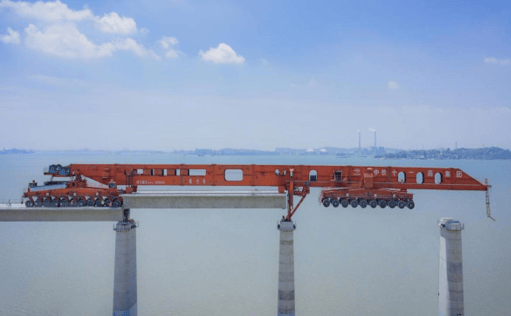
High-Speed Railway Lifting, Transporting, and Erecting Equipment: Integrated Transport and Erection Machine
Hanjiang Heavy Industry Co., Ltd. of China Railway 11th Bureau Group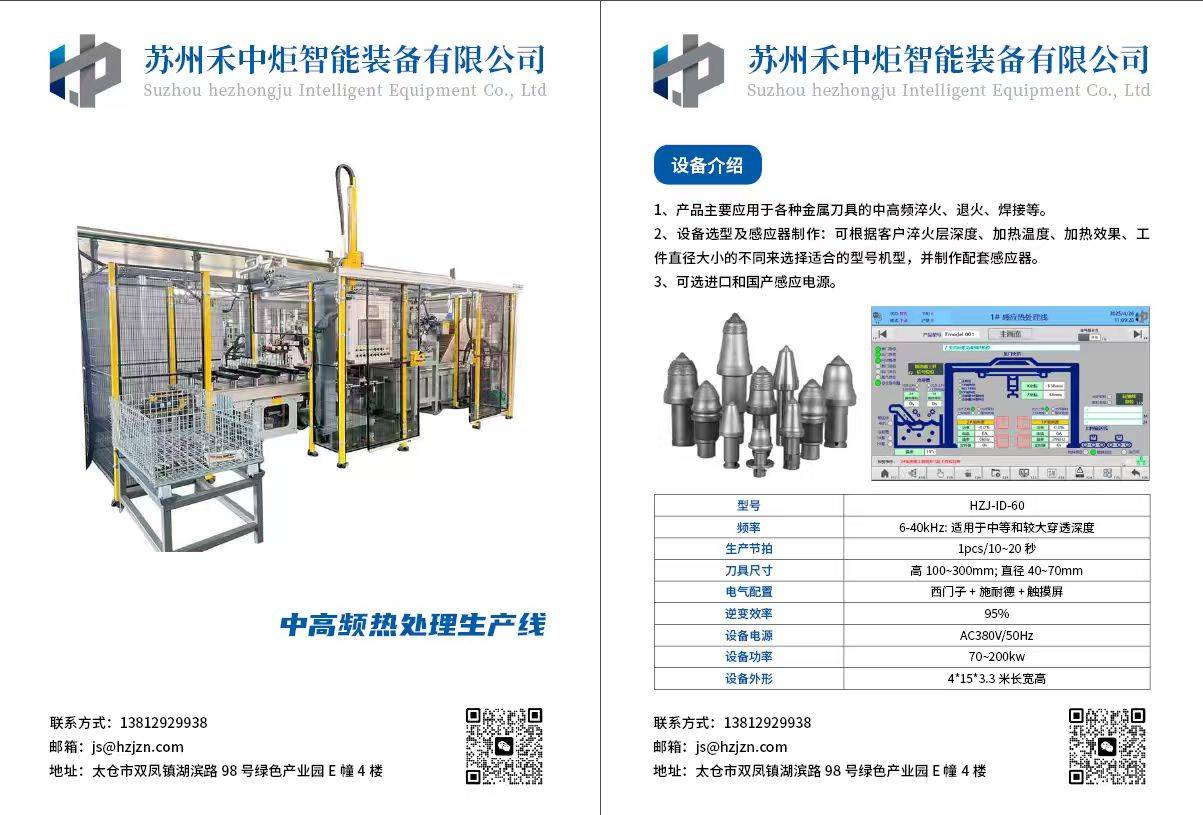
Excavator Bucket Teeth Heat Treatment Production Line
Suzhou Hezhongju Intelligent Equipment Co., Ltd.