Turkey Secures $1.5 Billion from AIIB for Bosphorus Railway Construction
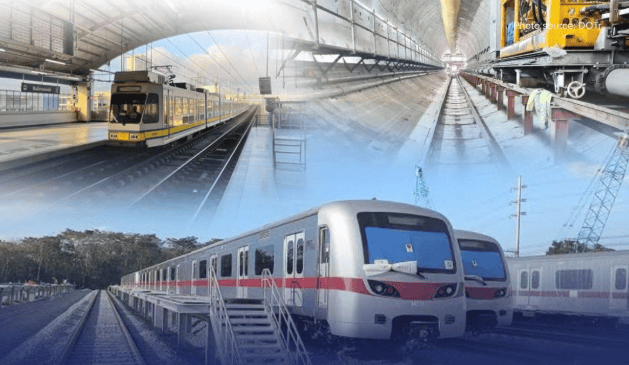
en.Wedoany.com Reported - The Asian Infrastructure Investment Bank (AIIB) will provide up to $1.5 billion in financing for the construction of a new railway line in Istanbul, which will cross the Bosphorus Strait and connect the city's two major airports.
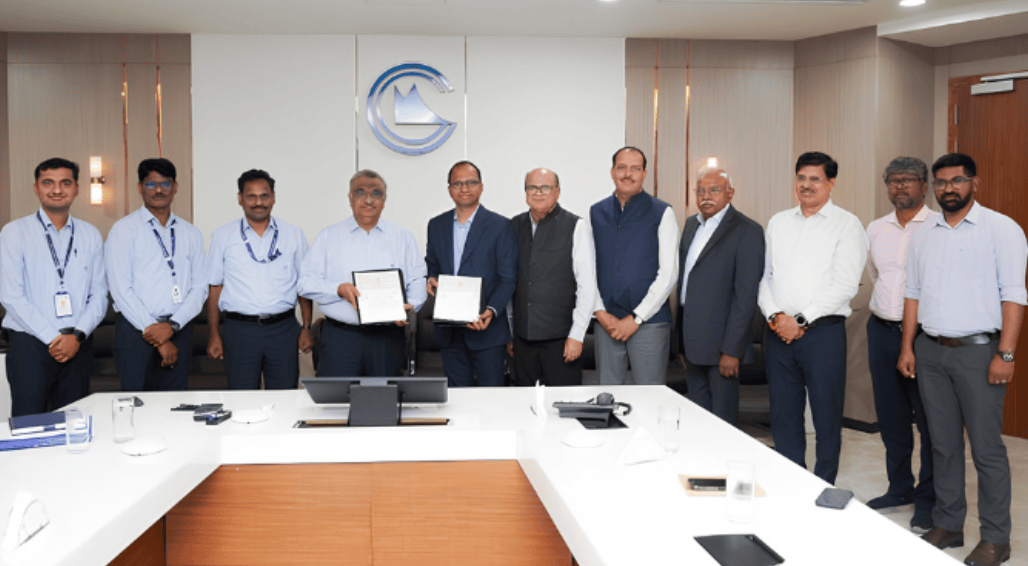
The AIIB and the Turkish government have signed a financing agreement for the first phase of the Istanbul Northern Railway Channel (INRAIL) project. The total project cost is estimated at approximately $8.27 billion, making it one of the largest railway projects currently under construction in Turkey.
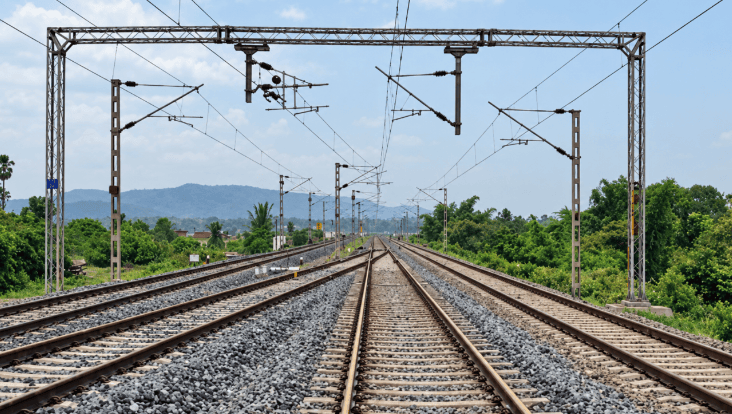
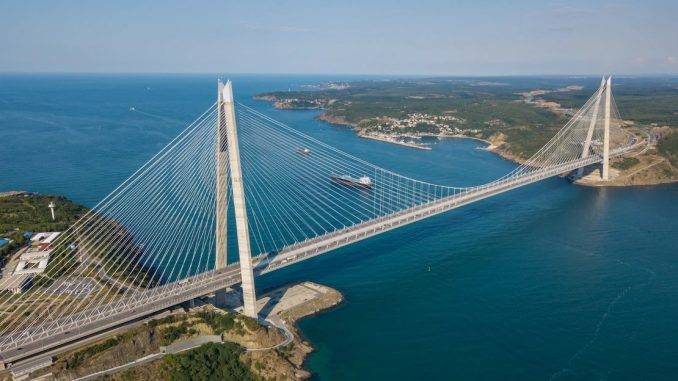
The new railway line is a double-track electrified railway equipped with a modern signaling system, connecting Çayırova on the Asian side with Çatalca on the European side. Trains will cross the Bosphorus Strait via the Yavuz Sultan Selim Bridge, which opened to road traffic in 2016 and has reserved space for railway use.
The railway line will be approximately 122 to 127 kilometers long, with passenger trains designed to operate at speeds of up to 160 km/h and freight trains at 80 to 120 km/h. The line will directly connect to Turkey's high-speed rail network, Istanbul Airport, Sabiha Gökçen International Airport, and major transportation corridors between Asia and Europe. The new line will bypass Istanbul's congested central areas, complementing the existing Marmaray railway corridor that runs through a tunnel beneath the Bosphorus Strait.
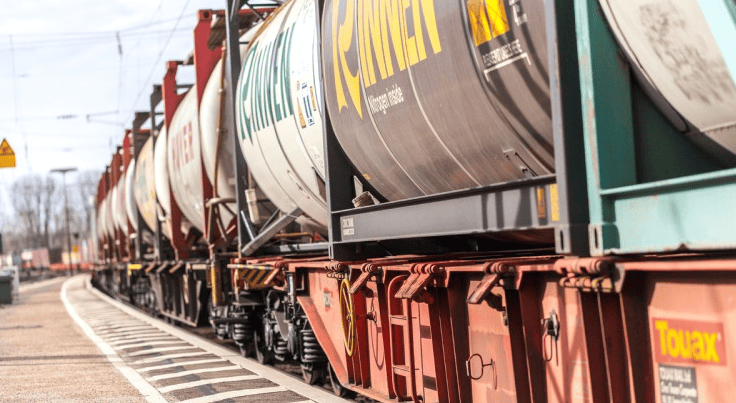
The project aims to eliminate railway transportation bottlenecks between the two parts of Istanbul. Currently, freight trains are limited by the capacity of the Marmaray corridor and must share infrastructure with busy passenger services. Once the new line is operational, travel time for freight trains on the Çayırova to Çatalca section is expected to decrease from approximately 13 hours to 3.6 hours. Separating some freight traffic from suburban and intercity services will help improve the capacity and reliability of Istanbul's railway network.
The new infrastructure will establish a direct railway connection between the two airports. Public transportation travel time from Istanbul Airport on the European side to Sabiha Gökçen Airport on the Asian side is expected to decrease from approximately 120 minutes to 65 minutes. The line will integrate the two airports into the national railway network, facilitating connections with intercity and high-speed trains.
The World Bank has classified the project as one with significant social and environmental risks. The corridor is located near the Sarıyer-Feneryolu Wildlife Reserve, the Ömerli Reservoir, and several nature reserves. Potential impacts include land acquisition, resettlement of some residents, vegetation loss, noise, and vibration. The project will affect 53 districts in Istanbul Province and Kocaeli Province, and authorities are required to develop compensation, resettlement, and protection plans.
Once the new Bosphorus railway corridor becomes operational, it is expected to reduce approximately 16 million tons of carbon dioxide equivalent emissions over the entire operational period analyzed by the funders. The AIIB will co-finance the project with the World Bank, the Asian Development Bank, the Islamic Development Bank, the European Bank for Reconstruction and Development, and the OPEC Fund for International Development. The project will be implemented using a design-build contract, with the winning contractor finalizing the technical plan and environmental documents. The line will primarily be laid along existing highway corridors, and the works include the construction of new tunnels, viaducts, and railway sections.
Related Products



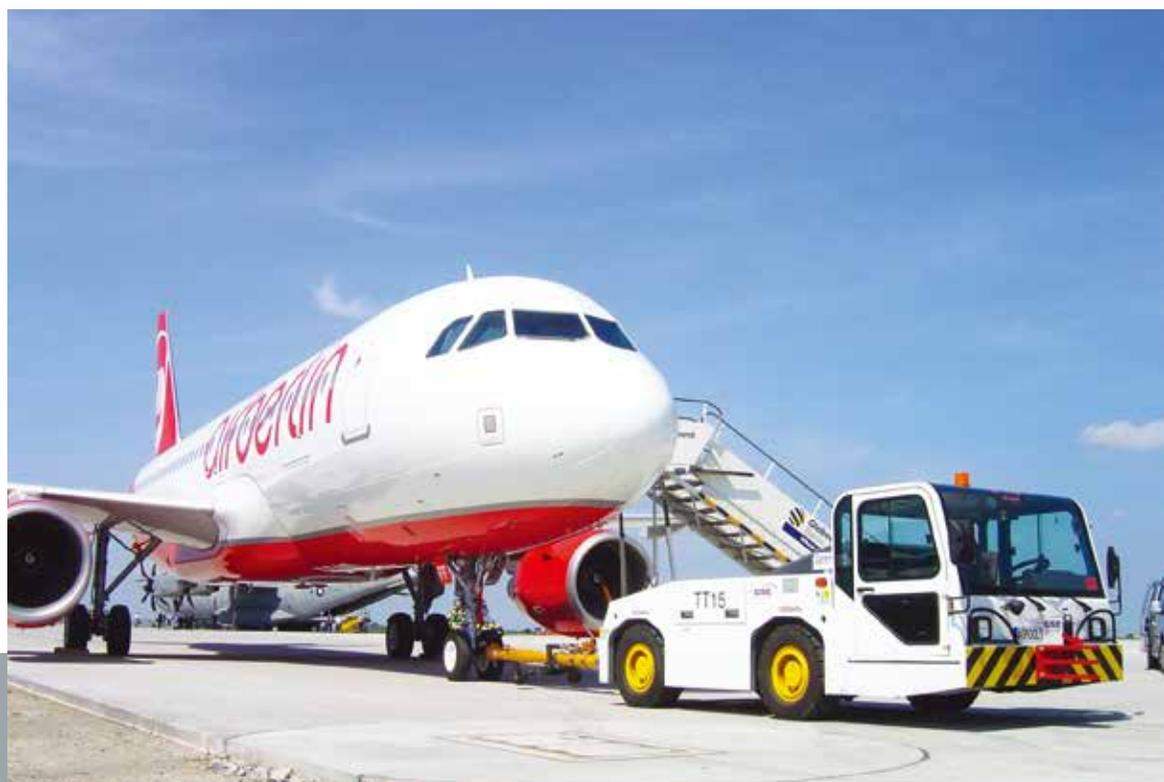
WGQY Series Aircraft Tow Tractor-WGQY15, WGQY27
Weihai Guangtai Airport Equipment Co., Ltd.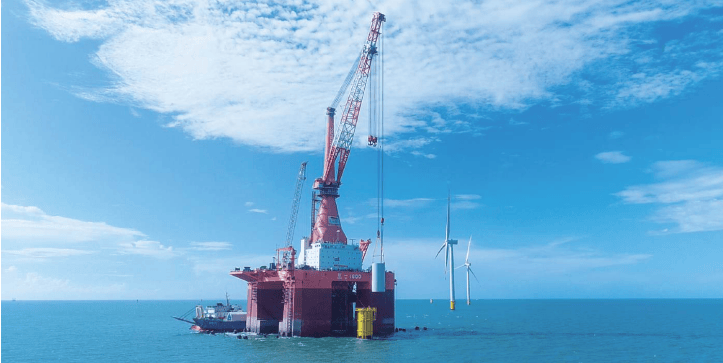
"Shunyi 1600" Deep-submerging Bottom-sitting Multi-functional Wind Power Engineering Vessel
Zhengli Offshore Engineering Co., Ltd.
Industrial and Commercial Point-Type Gas Detector
Jinan Benan Technology Development Co., Ltd.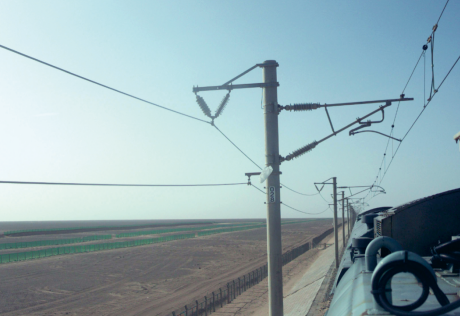
Pantograph-Catenary Comprehensive Detection Device (1C)
CHENGDU TANGYUAN ELECTRIC CO., LTD.
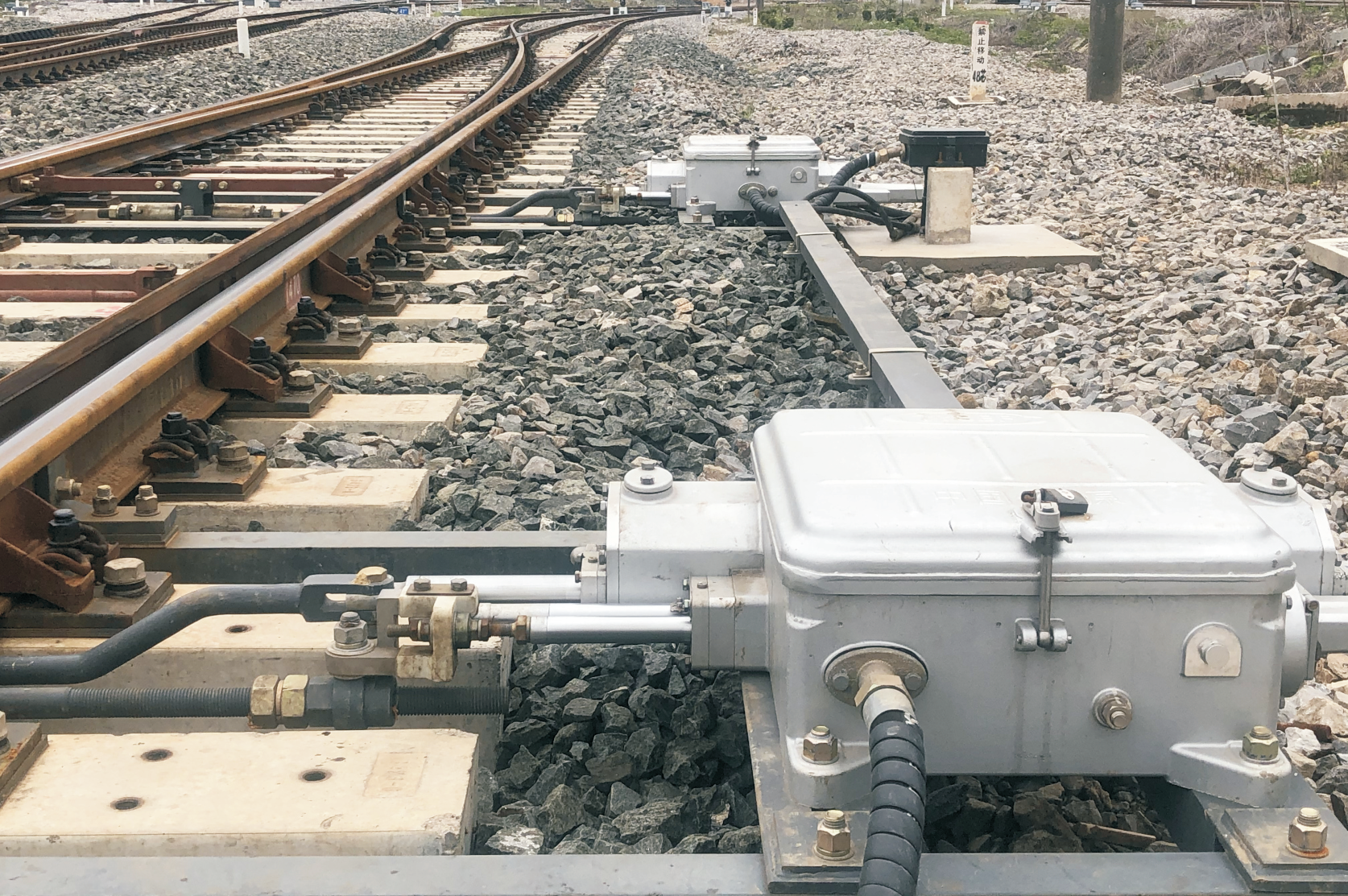
ZY(J)7(M) Sealed Type Electro-Hydraulic Turnout Machine
TAIYUAN CR JINGFENG EQUIPMENT TECHNOLOGY CO., LTD.