Huazhong Agricultural University in China Discovers Rice Drought Resistance Gene ROAD1
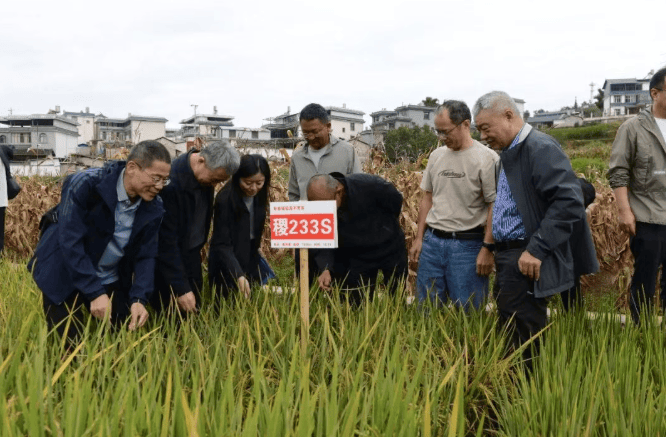
en.Wedoany.com Reported - On the evening of July 23, Beijing time, a research team led by Professor Xiong Lizhong at Huazhong Agricultural University published a latest research finding online in the journal Cell. The study identified a rice-specific orphan drought resistance gene named "ROAD1" and found that rice carrying its functional allele ROAD1C showed significantly higher yield under field drought conditions compared to the control.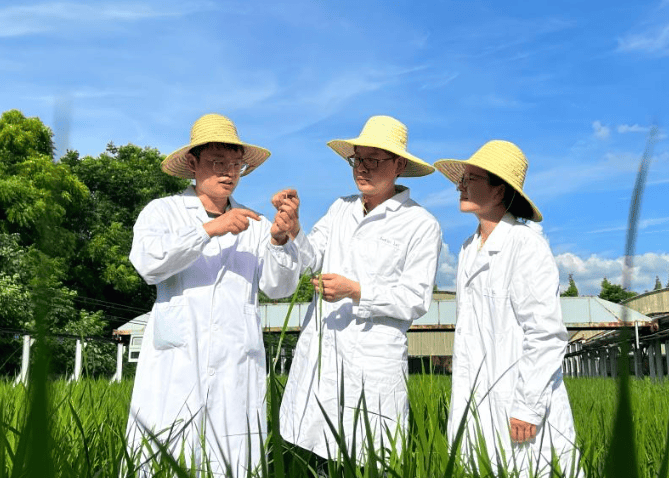
Additionally, ROAD1 demonstrated cross-species drought resistance application potential in various tested plants, including Arabidopsis thaliana, rapeseed, maize, wheat, and poplar.
Xiong Lizhong explained that plants possess a classic drought signaling system, whose core components are highly conserved across different species and widely involved in key processes such as plant growth, development, and environmental response.
However, directly intervening in these core components often leads to side effects such as growth inhibition and yield reduction. Therefore, how to precisely enhance drought resistance without affecting normal plant growth has become an important scientific issue that urgently needs to be addressed.
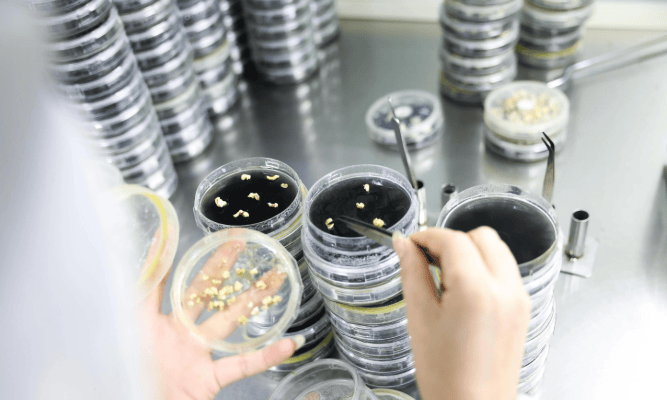
Using 240 rice germplasm resources, Xiong Lizhong's team successfully identified a rice-specific "orphan gene"—ROAD1. Such genes exist only in specific species and lack detectable distant homologous genes.
The study found that rice carrying the functional allele ROAD1C exhibited milder leaf curling under drought stress and smaller yield losses. Evolutionary analysis indicated that ROAD1 can be traced back to an ancestral sequence in wild rice (Oryza rufipogon). During subsequent evolution, the functional allele ROAD1C gradually formed. Population genetic analysis further revealed that ROAD1C was selected during the domestication of japonica rice and showed a higher frequency in japonica materials from regions with relatively low precipitation.
The study also found that in the rice drought signaling pathway, the OsPP2C68 protein acts as a "brake," inhibiting the drought response when plants grow under conditions with sufficient water supply. When drought occurs, the ROAD1 protein accumulates in large amounts and binds to OsPP2C68, releasing the "brake" effect of OsPP2C68, thereby enhancing the plant's drought response.
Xiong Lizhong stated that the ROAD1 protein acts like a "stress-dependent enhancer." When water is sufficient, its protein level is extremely low and does not affect normal growth; it only accumulates in large amounts and functions under drought stress. This "on-demand activation" mechanism perfectly balances drought resistance and stable yield in rice.
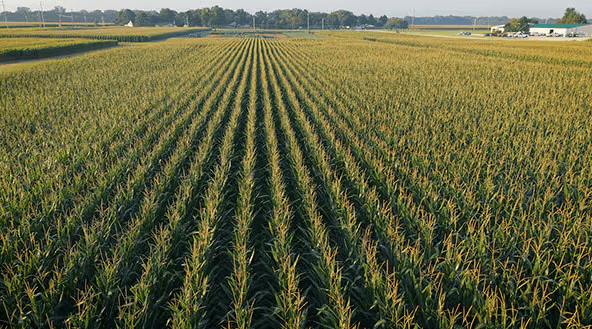
To verify the practical application value of ROAD1, the research team introduced the functional allele ROAD1C into elite rice varieties for field testing. The results showed that under drought conditions, the yield of near-isogenic lines carrying ROAD1C increased by approximately 21% to 35% compared to the control, while no significant adverse changes in growth or yield were observed under normal water supply conditions. Chong Kang, an academician of the Chinese Academy of Sciences and a researcher at the Institute of Botany, Chinese Academy of Sciences, believes that this study has established a complete evidence chain from evolutionary origin and molecular mechanisms to field evaluation and cross-species validation, deepening the understanding of orphan genes' involvement in plant environmental adaptation, and providing new ideas for exploring drought resistance gene resources and breeding drought-resistant, stable-yield crops.
Related Products




714CD Series C-Band Weather Radar
Chengdu Zhongdian Jinjiang Information Industry Co., Ltd.
4HS-8 High-efficiency Peanut Inverted-laying Harvester
Hebei Yongfa Hongtian Agricultural Machinery Manufacturing Co., Ltd.

Industrial and Commercial Point-Type Gas Detector
Jinan Benan Technology Development Co., Ltd.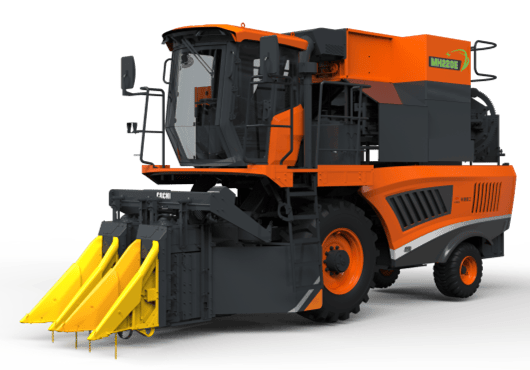
MH220E Two-Row Hybrid Packaged Cotton Picker
CHINA RAILWAY CONSTRUCTION HEAVY NDUSTRY XINJIANG CO., LTD.