China's Ji 233S hybrid rice passes extreme low-temperature test, seed-setting rate exceeds 80%
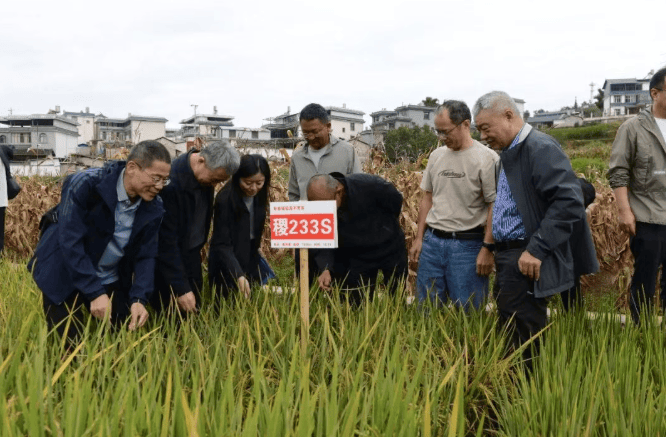
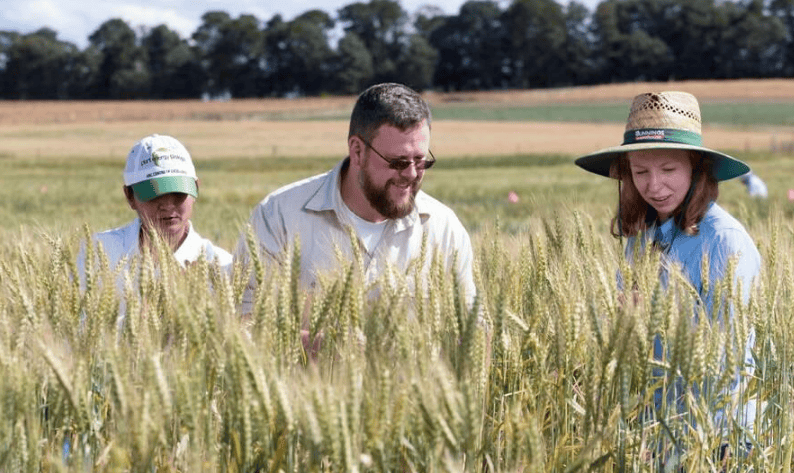
en.Wedoany.com Reported - The expert panel, composed of representatives from the Chinese Academy of Agricultural Sciences, China Agricultural University, the Chinese Academy of Sciences and other institutions, successively conducted on-site inspections of four trial bases located in Tengyue Town of Tengchong City, Shidian County of Baoshan City, Mingguang Town of Tengchong City, and Tuanshan Town of Lijiang City in Yunnan Province, with elevations ranging from 1,739 meters to 2,403 meters. According to field canopy meteorological data at the trial bases, extreme low-temperature weather persisted for 40 to 50 days at all four trial bases, meeting the conditions for extreme low-temperature climate.
The results showed that the seed-setting rate at the Shidian trial site in Baoshan City reached 76.4%–85.7%, significantly higher than that of the low-temperature-tolerant control varieties. Among them, Ji 233S and its series of combinations, nine restorer lines including "Huahui 1918," and six hybrid combinations including "Xinxiang Liangyou 1126" achieved a seed-setting rate of over 80% under extreme low-temperature conditions. The same trial protocol showed the same trend in results at the Tengchong and Lijiang trial bases.
It is reported that the Ji 233S male sterile line and its hybrid combinations demonstrated stable seed-setting ability under both extreme high-temperature and low-temperature dual stress. On August 6, the China Agricultural Society organized experts to conduct an on-site evaluation of the extreme high-temperature tolerance of nine hybrid combinations using Ji 233S as the parent. During the trial period, the trial area experienced two consecutive extreme climate stresses: low-temperature overcast rain with insufficient sunlight, and extreme high temperature and humidity. The expert panel's on-site investigation results were: the seed-setting rate of the nine Ji 233S series hybrid combinations reached 86.1%–94.2%, far higher than that of the high-temperature-tolerant control varieties and high-temperature-sensitive control varieties. The trial results were verified by five third-party appraisal institutions. The expert panel unanimously agreed that the Ji 233S series hybrid combinations exhibit outstanding extreme high-temperature tolerance from young panicle differentiation to heading and flowering stages, with broad application prospects.
On the basis of verified high-temperature tolerance, the project team further advanced the application of mechanized seed production. On September 23, the Hunan Agricultural Society organized experts to conduct an inspection and evaluation at the trial field of the Changde Academy of Agriculture and Forestry Sciences in the Dongting Lake Plain area, on the hybrid seed production site of Ji 233S and Qi 104S. During the 10 consecutive days of the trial pollination period, when the daily maximum temperature at the field canopy reached 35.7°C and the daily average maximum temperature was 31.2°C, yield was measured according to the rice yield measurement standards of the Ministry of Agriculture and Rural Affairs. Compared with the control, the hybrid seed production yield of the high-temperature-tolerant male sterile lines Ji 233S and Qi 104S increased by 50%. This means that Ji 233S and its series of hybrid combinations have withstood the test of extreme "severe cold and scorching heat."
Related Products


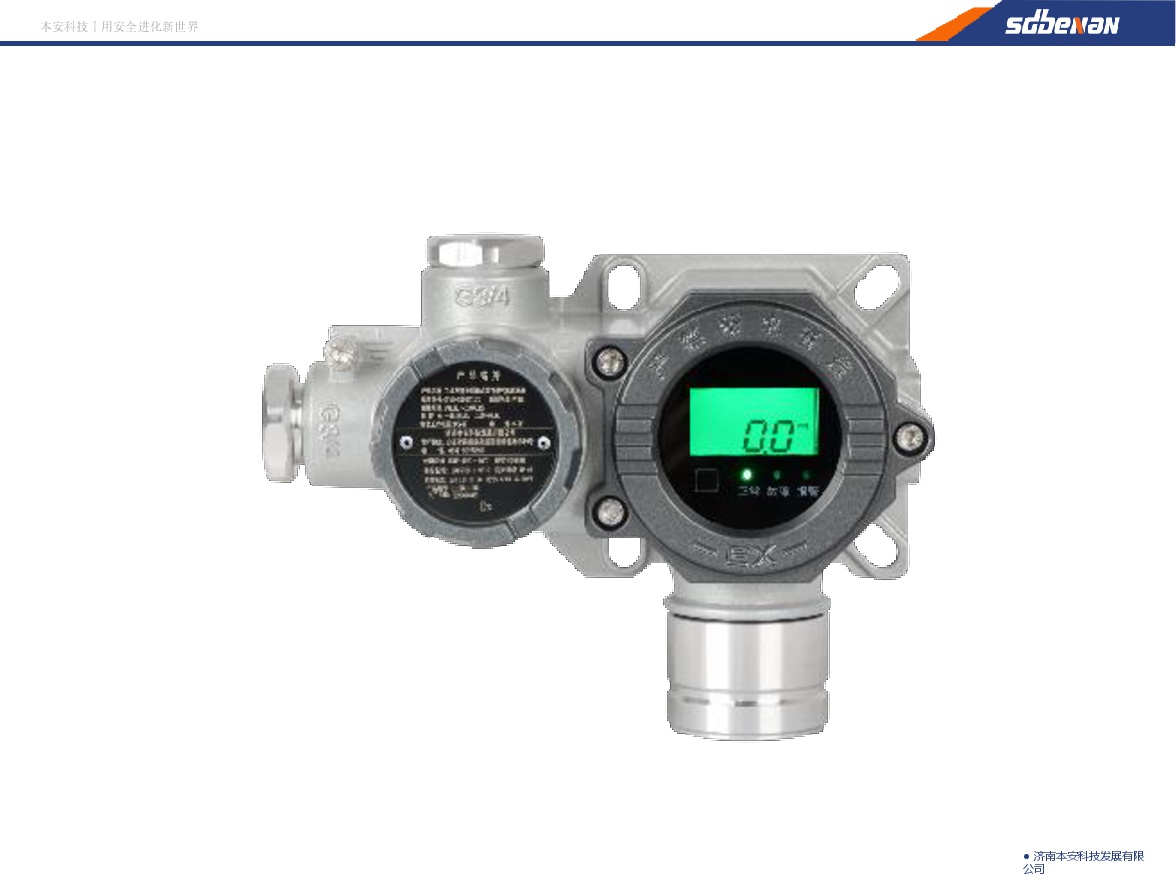
Industrial and Commercial Point-Type Gas Detector
Jinan Benan Technology Development Co., Ltd.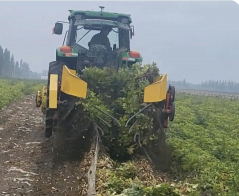
4HS-8 High-efficiency Peanut Inverted-laying Harvester
Hebei Yongfa Hongtian Agricultural Machinery Manufacturing Co., Ltd.

714CD Series C-Band Weather Radar
Chengdu Zhongdian Jinjiang Information Industry Co., Ltd.