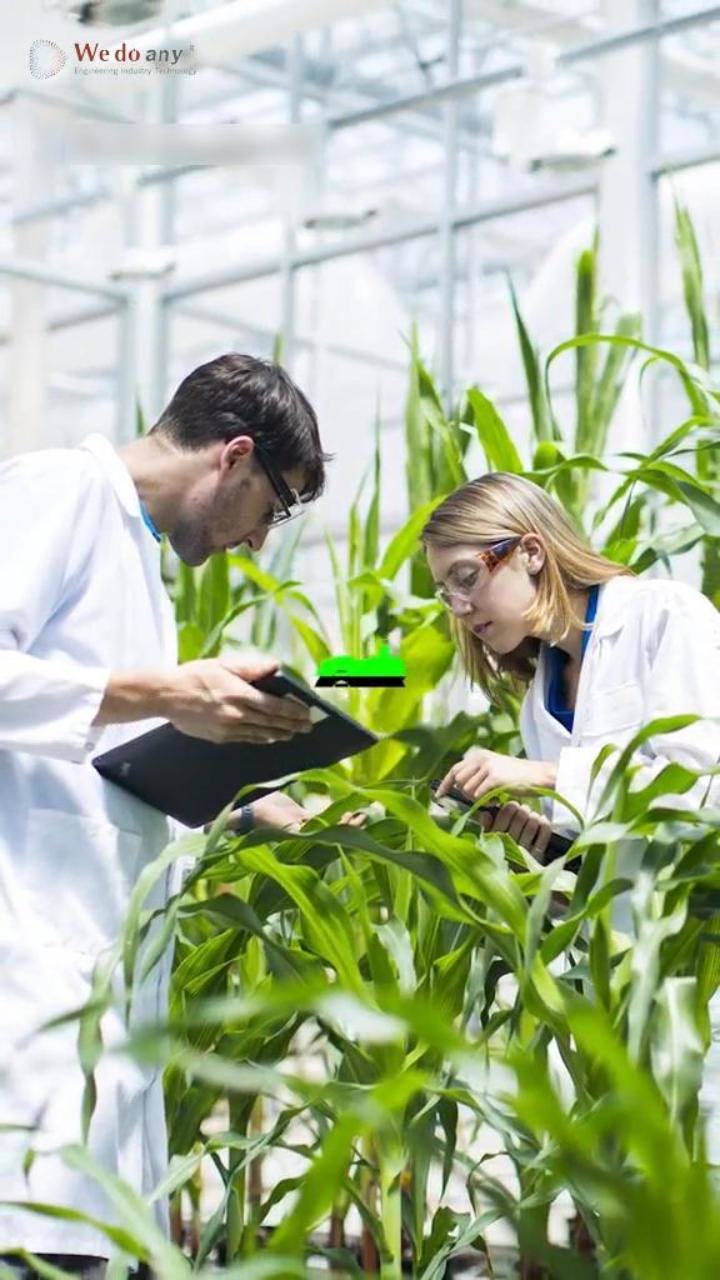
Laos Uses Nuclear Technology to Improve Rice Variety Saphart 1, Yielding About 20% Higher Production
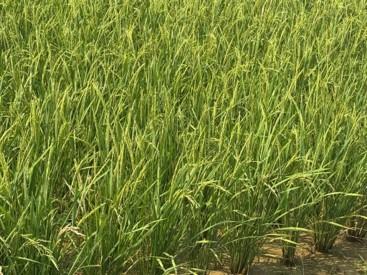
en.Wedoany.com Reported - Laos is improving rice varieties through nuclear technology to address increasingly severe cultivation challenges such as environmental changes, floods, and plant diseases, thereby enhancing food security. Farmers and scientists in the country are collaborating with the International Atomic Energy Agency (IAEA) and the Food and Agriculture Organization of the United Nations (FAO) on breeding efforts, and have so far developed improved varieties that mature early, yield highly, and possess certain stress tolerance.
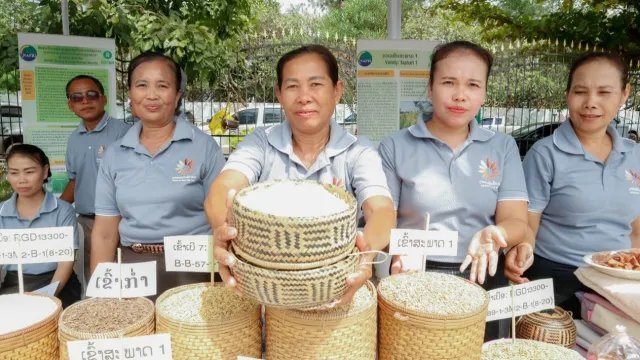
Rice is the staple food and primary source of income for rural households in Laos, directly linked to national food security. More than 80% of farmers in the country grow rice, which occupies about 60% of Laos's cultivated land. The country has set a target to increase agricultural production to 5.5 million tons of paddy rice. Achieving this goal requires both higher yields and more resilient production systems and stronger agricultural research capacity, while environmental changes, floods, plant diseases, and pressures on agricultural systems are making rice production increasingly difficult.
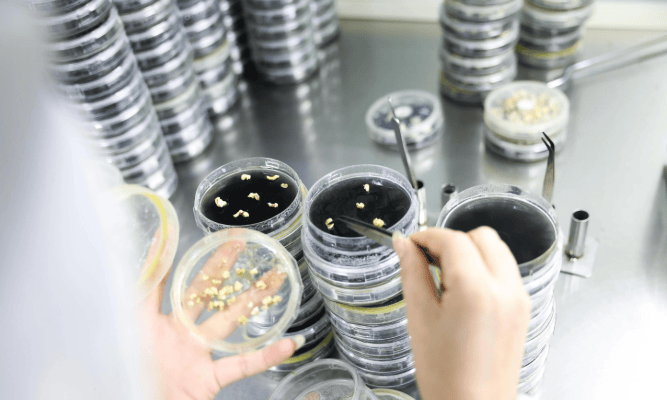
Against this backdrop, Laos is advancing the development of improved rice varieties through the Joint FAO/IAEA Centre of Nuclear Techniques in Food and Agriculture and the IAEA Technical Cooperation Programme. Scientists at the National Agriculture and Forestry Research Institute are using a combination of nuclear techniques and conventional breeding methods, focusing on improving rice yield, earlier maturity, and enhanced stress adaptation. One of the key technologies is mutation breeding, which helps breeders create and identify useful genetic variations not present in conventional varieties, combined with field evaluation and selection to develop rice varieties that meet the needs of farmers and markets.
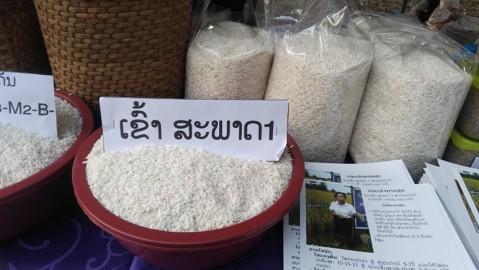
The resulting varieties include Saphart 1, which matures about 20 days earlier and yields about 20% higher than conventional varieties; and the improved variety Houykhod 2, which combines moderate resistance to rice blast disease and flooding, along with qualities suitable for rice noodle production and other value-added products. These new varieties provide farmers with more reliable production options while also creating new economic opportunities. Fatma Sarsu, a plant breeding and genetics technical officer at the Joint FAO/IAEA Centre, stated that nuclear techniques, including mutation breeding combined with modern breeding technologies, can accelerate the development of crop varieties adapted to climate and farmer preferences, contributing to food security and sustainable agriculture.
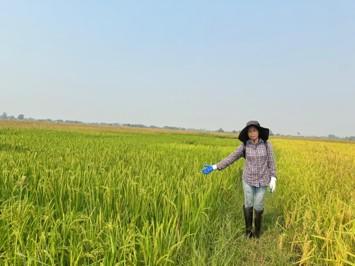
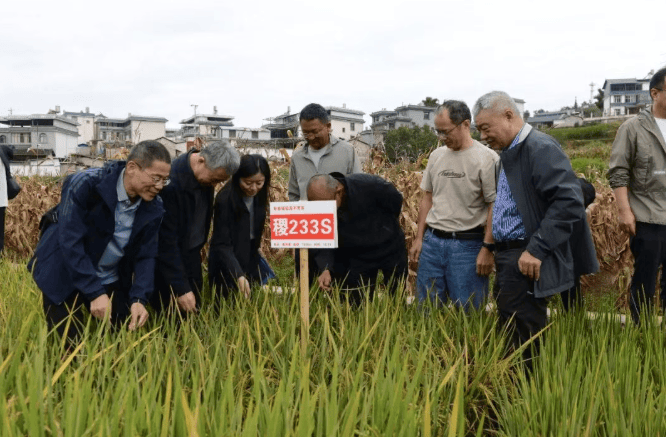
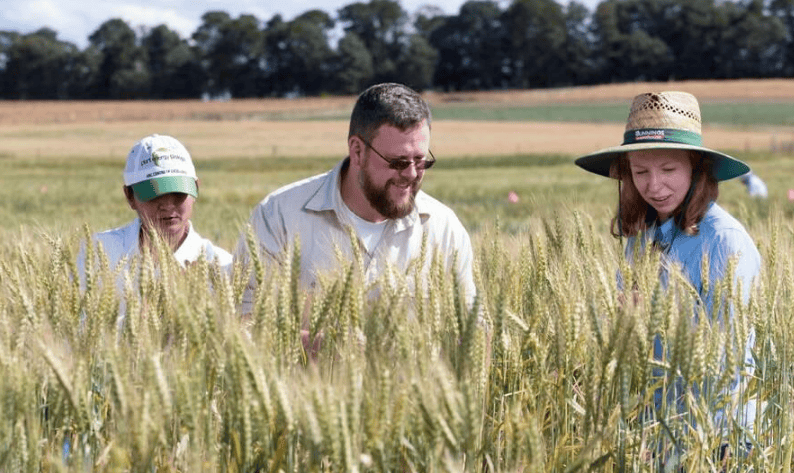
The success of the new varieties also owes much to the deep involvement of farming communities. Farmers and researchers jointly evaluate and select rice varieties under local conditions, identifying key field traits such as high yield, early maturity, and adaptability to environmental stress. Siviengkhek Phommalath, Director of the Rice and Cash Crop Research Center at the National Agriculture and Forestry Research Institute, noted that farmers do not simply accept new materials but are directly involved in selecting and testing varieties in their own environments, which helps ensure that the varieties suit local needs and promotes wider adoption across communities.
Since the release of the varieties, farmers have continued to play a key role in seed multiplication and distribution. Since 2022, farmer groups have led seed multiplication and distribution, helping improved varieties reach multiple communities nationwide. In Saphat village, Vapy District, Saravan Province, a group of 19 farmers took the lead in producing and selling Saphart 1 seeds, producing and selling 9.5 tons in the 2026 season. More than 300 farmers in Vapy District alone are growing Saphart 1 for household consumption and local markets. The variety covers approximately 350 hectares in the dry season, with an expected 450 hectares in the wet season. Since then, seeds produced by the group have spread to neighboring areas of Saravan Province.
Women have played an important driving role in the scaling-up process. Through community seed production groups, they have taken on key roles in multiplying, distributing, and promoting improved rice seeds, combining local knowledge with scientific innovation to bring tangible benefits to households across the province.
Early-maturing and high-yielding varieties help increase rice supply while reducing some of the risks posed by floods, diseases, and unpredictable weather. Stronger seed systems are helping more farmers access quality planting materials, supporting productivity and income generation. By combining scientific innovation with farmers' knowledge and experience, Laos is building a more resilient and sustainable rice industry to support long-term food security.
Related Products
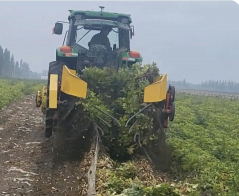

4HS-8 High-efficiency Peanut Inverted-laying Harvester
Hebei Yongfa Hongtian Agricultural Machinery Manufacturing Co., Ltd.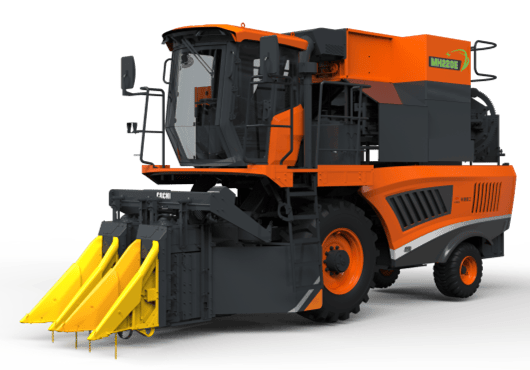
MH220E Two-Row Hybrid Packaged Cotton Picker
CHINA RAILWAY CONSTRUCTION HEAVY NDUSTRY XINJIANG CO., LTD.


Industrial and Commercial Point-Type Gas Detector
Jinan Benan Technology Development Co., Ltd.


714CD Series C-Band Weather Radar
Chengdu Zhongdian Jinjiang Information Industry Co., Ltd.