China's Tropical Crop Germplasm Resources to Surpass 100,000 Accessions by 2030
en.Wedoany.com Reported - On September 1, at the on-site observation event for the protection and utilization of elite germplasm resources of natural rubber and other tropical crops held in Danzhou, Hainan, Wedoany learned that by 2030, China will establish a systematic, well-laid-out, efficient, and openly shared system for the protection and utilization of tropical crop germplasm resources, with the total number of preserved tropical crop germplasm resources exceeding 100,000 accessions.
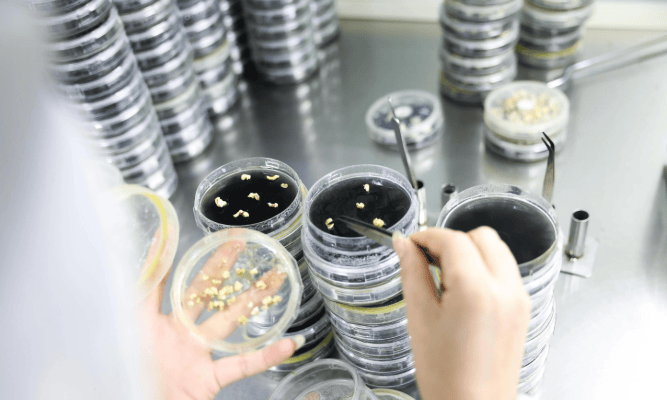
Themed "Pooling Efforts for Innovation and Utilization of Germplasm Resources, Empowering the Revitalization and Upgrading of the Tropical Crop Seed Industry," the event was co-hosted by the China Agricultural Reclamation Economic Development Center (South Asia and Tropical Crops Center of the Ministry of Agriculture and Rural Affairs) and the Tropical Crops Genetic Resources Institute of the Chinese Academy of Tropical Agricultural Sciences. More than 110 representatives from agricultural and rural management departments, research institutions, and enterprises across China's tropical regions attended.
What is the current state of China's tropical crop germplasm resources? Huang Hui, Deputy Director of the China Agricultural Reclamation Economic Development Center, noted that China has established over 110 national and provincial-level tropical crop germplasm nurseries (banks), with a total preservation volume exceeding 90,000 accessions. Among them, sugarcane, litchi, and longan rank first globally in preservation volume; rubber trees and mango rank second; and cassava, oil palm, pineapple, coconut, and other important tropical crop resources all rank among the top five worldwide. China has also taken the global lead in completing whole-genome sequencing and genetic map construction for 15 important tropical crops, including rubber trees and cassava, with related achievements accounting for approximately 70% of similar global research.
Huang Hui also pointed out that, in light of the new requirements for the large-scale application of new agricultural technologies, products, and scenarios, there remains a gap in the protection and utilization of tropical crop germplasm resources. He put forward five recommendations: focusing on category-based quality improvement to consolidate the foundation, seeking support to advance the transformation of achievements, upholding integrity and innovation to promote integrated development, deepening linkage and collaboration to smooth the transformation chain, and intensifying international cooperation to aggregate innovation factors.
At the event, several experts shared their latest progress. Li Jihua, Chief Scientist of the National Natural Rubber Industry Technology System, stated that during the "14th Five-Year Plan" period, 192 new rubber tree germplasm accessions were collected, bringing the total preserved to 6,462, with 12 independently bred varieties developed. The share of independently bred varieties in newly established rubber plantations increased from 80% to 85%, and the world's first factory with an annual output of one million rubber tissue-cultured seedlings was built. In addition, China has discovered and published 9 new taxonomic groups in remote areas, collected and preserved 452 accessions of southern medicine germplasm, developed over 40 late-maturing mango germplasm accessions, bred 23 new litchi varieties, and cultivated independent premium varieties of the Yunci series of coffee, among other achievements.
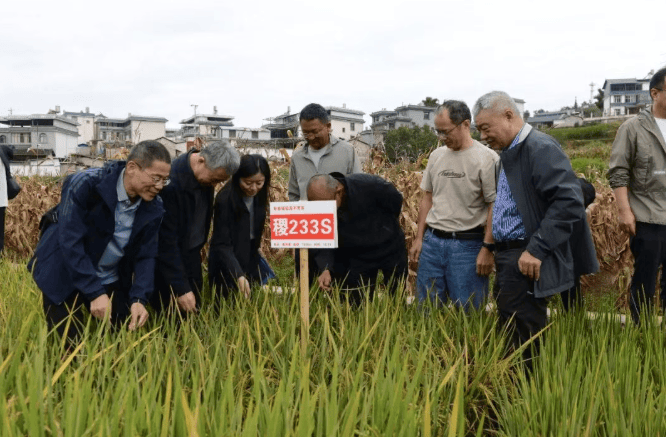
During the event, the Tropical Crops Genetic Resources Institute of the Chinese Academy of Tropical Agricultural Sciences signed a technology transfer cooperation agreement with Hainan Wantai Agricultural Technology Development Co., Ltd. on dwarfed, densely planted sugar apple cultivation. Participants also conducted on-site visits to the national-level tropical crop germplasm nurseries for natural rubber and mango under the Ministry of Agriculture and Rural Affairs, as well as the display of over 100 new tropical crop varieties and more than 50 new products.
Related Products


MH220E Two-Row Hybrid Packaged Cotton Picker
CHINA RAILWAY CONSTRUCTION HEAVY NDUSTRY XINJIANG CO., LTD.

Industrial and Commercial Point-Type Gas Detector
Jinan Benan Technology Development Co., Ltd.

714CD Series C-Band Weather Radar
Chengdu Zhongdian Jinjiang Information Industry Co., Ltd.
4HS-8 High-efficiency Peanut Inverted-laying Harvester
Hebei Yongfa Hongtian Agricultural Machinery Manufacturing Co., Ltd.