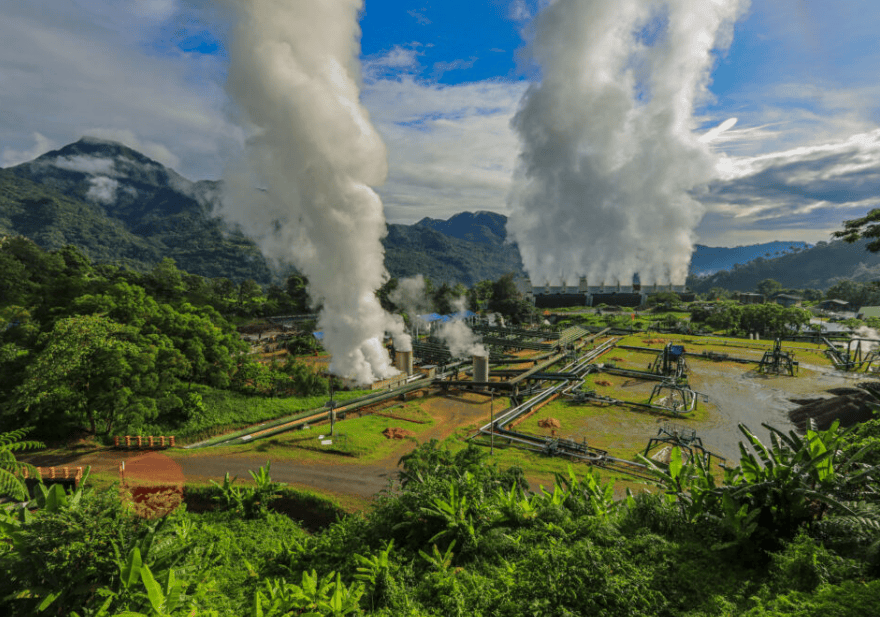
Two Heat Pumps Installed in Hamburg Wilhelmsburg Geothermal Project, ESP Testing Completed
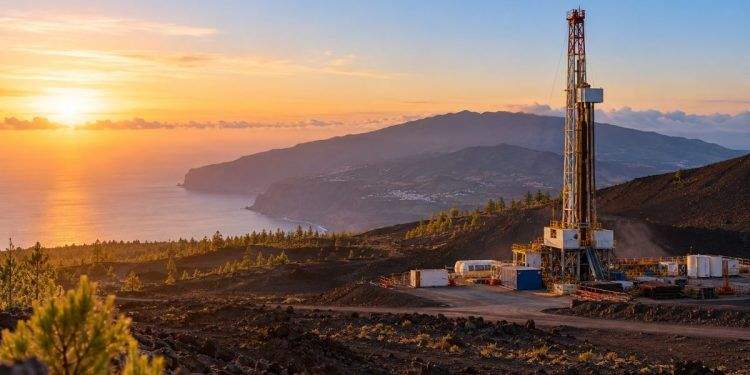
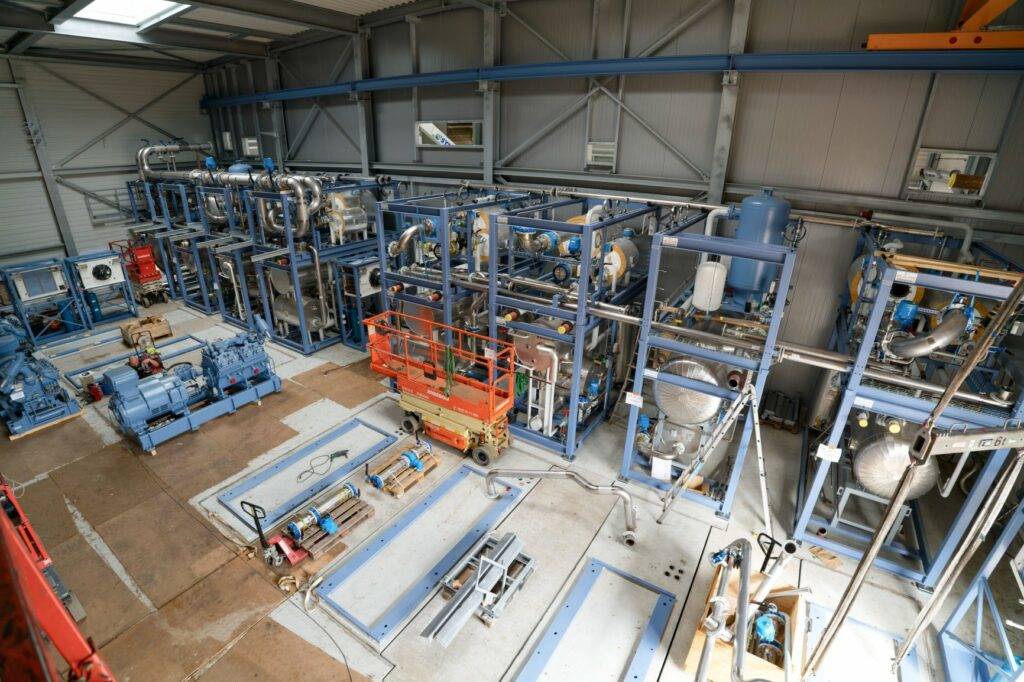
en.Wedoany.com Reported - Equipment installation progress has been made in the geothermal heating project in the Wilhelmsburg district of Hamburg, Germany: two four-stage cascade heat pumps have been delivered to the heating plant and installed; the electric submersible pump (ESP) system has completed hydraulic testing and will next be installed in the production well.
The project is being developed by the "Integrierte WärmeWende Wilhelmsburg" (IW3) consortium, whose members include Hamburger Energiewerke, its subsidiary Hamburg Energie Geothermie GmbH (HEGeo), CONSULAQUA, Hamburg Institut Research gGmbH (HIR), Hochschule für Angewandte Wissenschaften Hamburg (HAW), and Christian-Albrechts-Universität zu Kiel (CAU). The project was first announced in 2019, and two wells were drilled between 2021 and 2022. After successful production testing, work proceeded to the construction phase for the heating network and heating plant, which was topped out earlier this year.
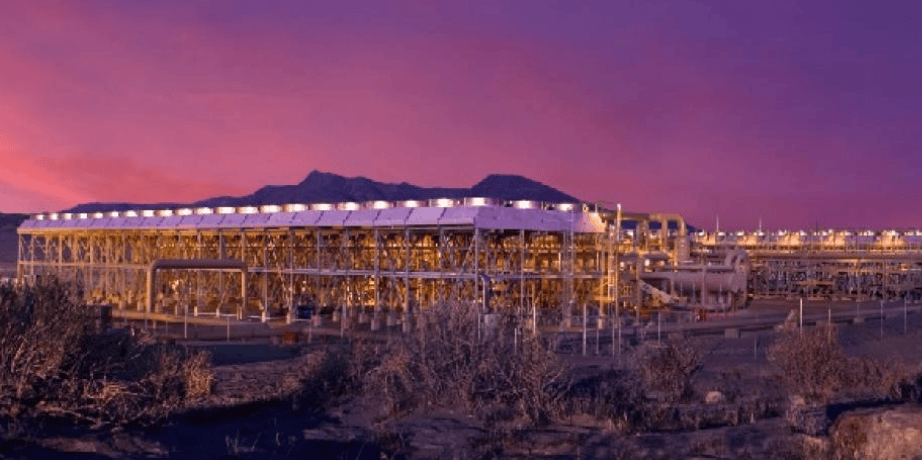
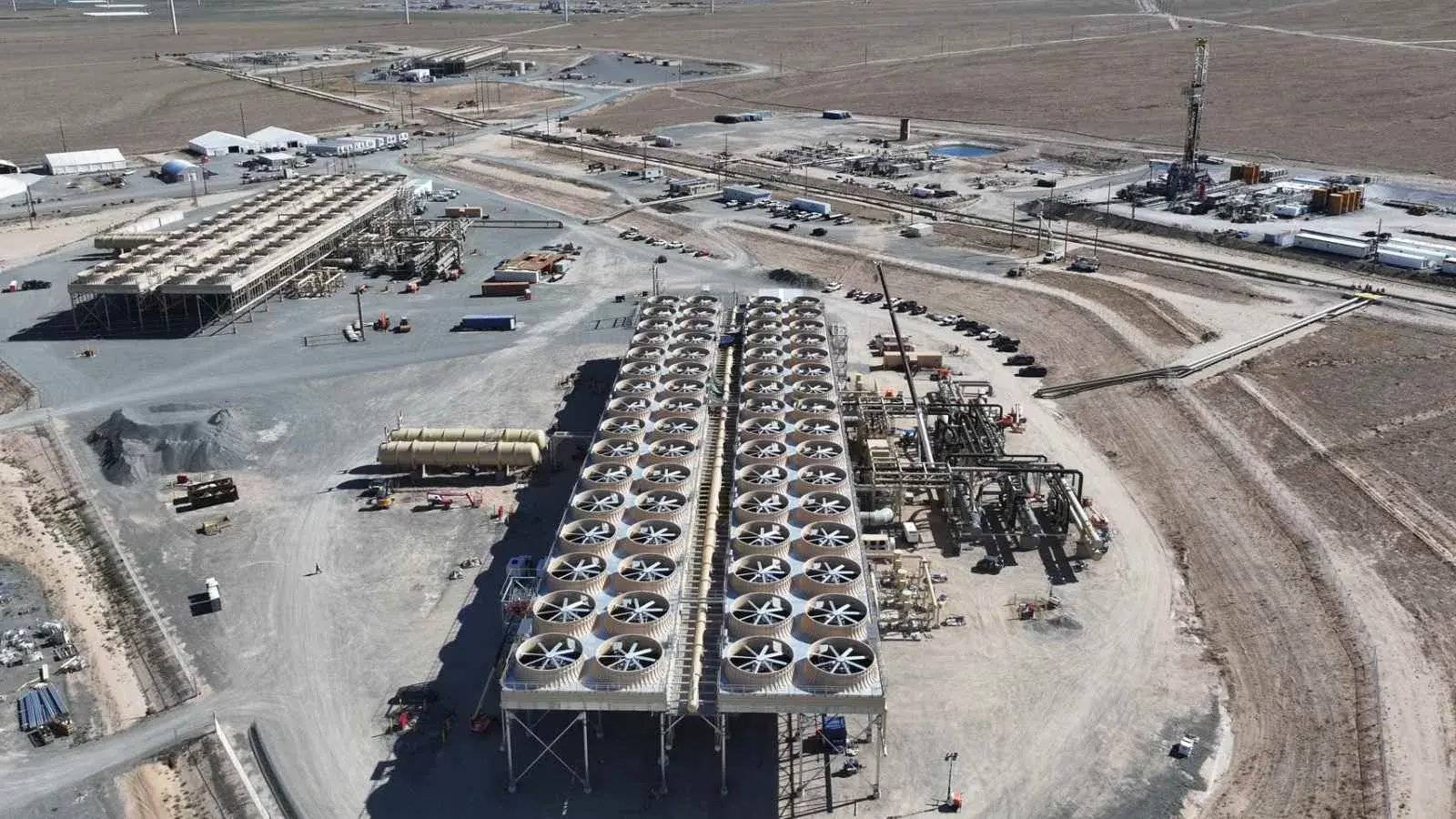
The core of the project's heating segment is the heat pump. The geothermal well water has a temperature of approximately 48°C and must be raised to 75–85°C before entering the heating network. To achieve this, the heat pump is designed as a four-stage cascade, with each stage handling a portion of the temperature rise; heating output can be adjusted according to actual demand, and even if one stage is shut down for maintenance, the remaining stages can continue to supply heat. The heat pump was designed and manufactured in Netzschkau, Saxony, and has now been delivered and installed in the heating plant, where final mechanical inspection and commissioning will follow.
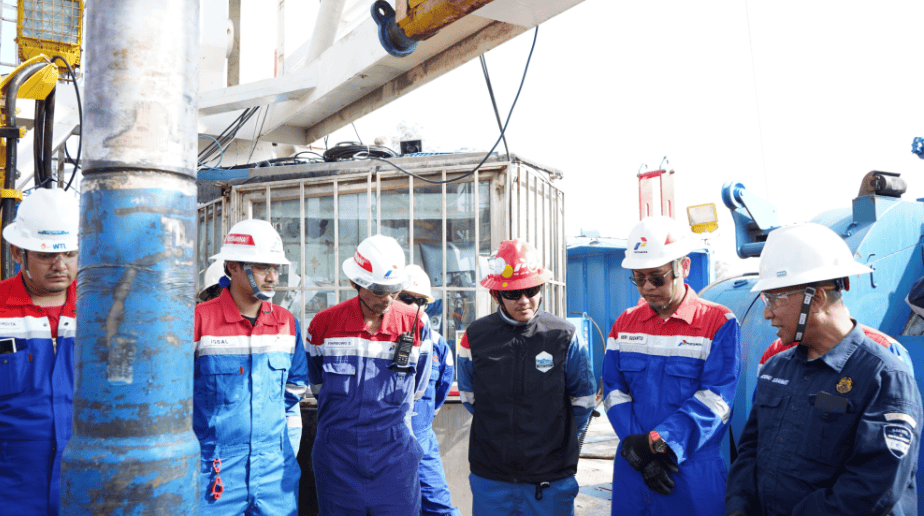
Testing of the electric submersible pump system was conducted at Halliburton's facility in Emmen, the Netherlands, with project team members present to witness the process. The tests evaluated hydraulic performance under various flow rates and pressure conditions, while other components such as digital sensors and remote monitoring capabilities were also tested and monitored. Sand control is a key focus of the system's design: the geothermal fluid in Wilhelmsburg is extracted from a fine-grained sandstone formation, and a design combining multi-stage filtration with a high-flow intake has therefore been adopted to prevent fine sand from entering the motor.
Following the tests, the ESP system will be prepared for transport, with delivery to the Wilhelmsburg facility expected in August or September, where it will be installed at a depth of 450 meters in the production well. Because natural underground pressure keeps the water level at 50 meters below the surface, the ESP requires very little head, keeping power consumption at a low level.
Related Products
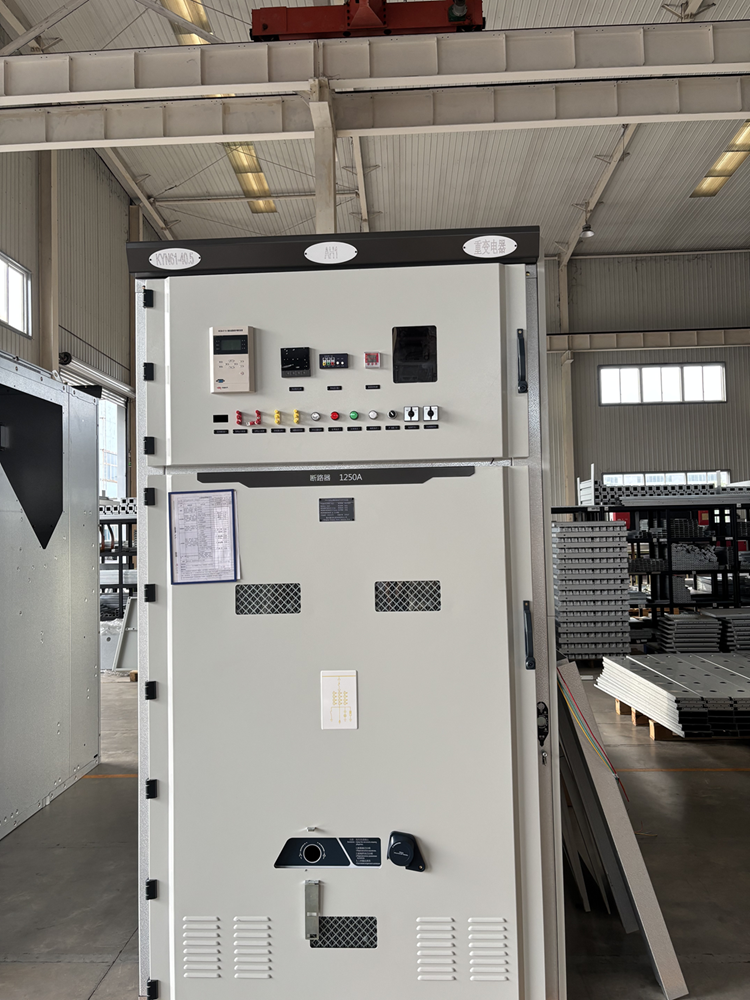

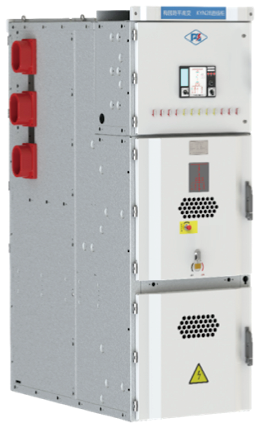
KYN61-40.5 Indoor AC Metal-clad Removable Switchgear
Chongqing Transformer Co., Ltd.
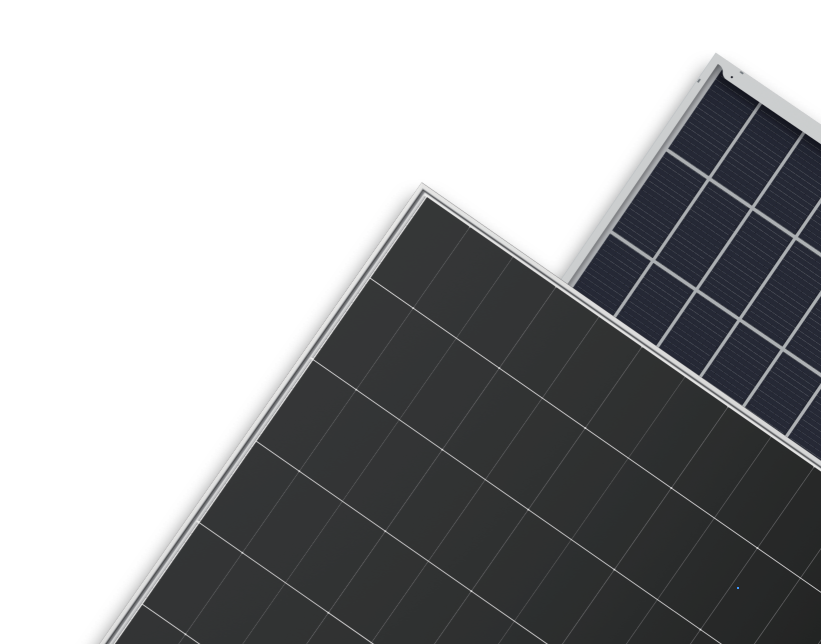
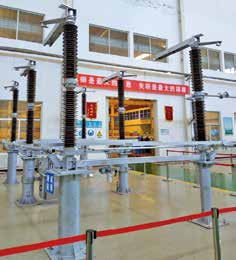
GW4-40.5/72.5/126/145/170/252/363/420 Series Double-column Horizontal Rotary High-voltage AC Disconnect Switch
SHANDONG TAIKAI DISCONNECTORS CO., LTD.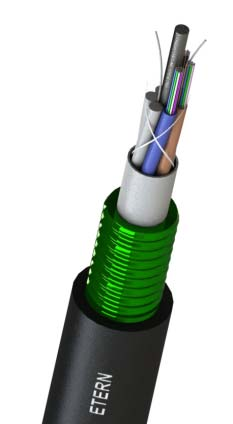
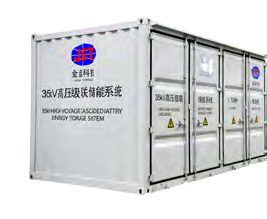
6kV-35kV Medium and High Voltage Direct-Connected Energy Storage System
Hainan Jinpan Smart Technology Co., Ltd.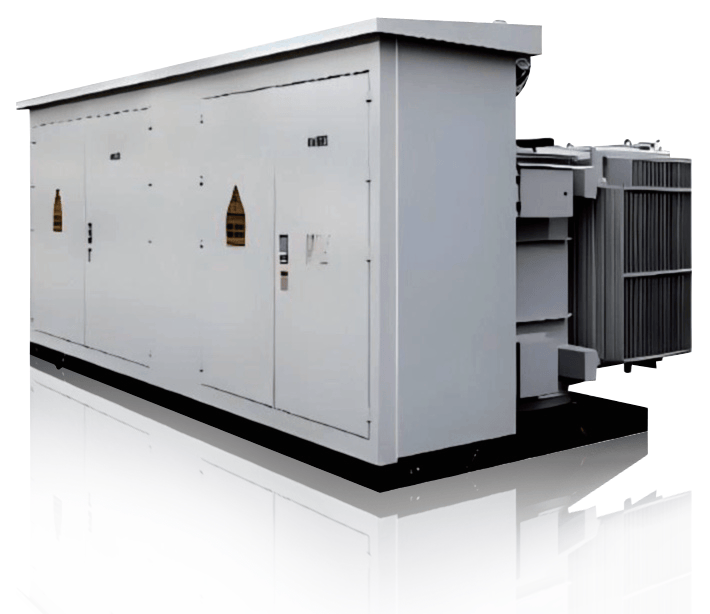
H-40.5/0.4~1.14kV New Energy Power Generation Dedicated High Voltage/Low Voltage Prefabricated Substation
XJ (Xiamen) Intelligent Power Equipment Co., Ltd.
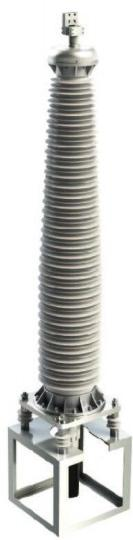
220kV Composite Outdoor Cable Terminal
Shenyang Guolian Cable Accessories Manufacture Co., Ltd.
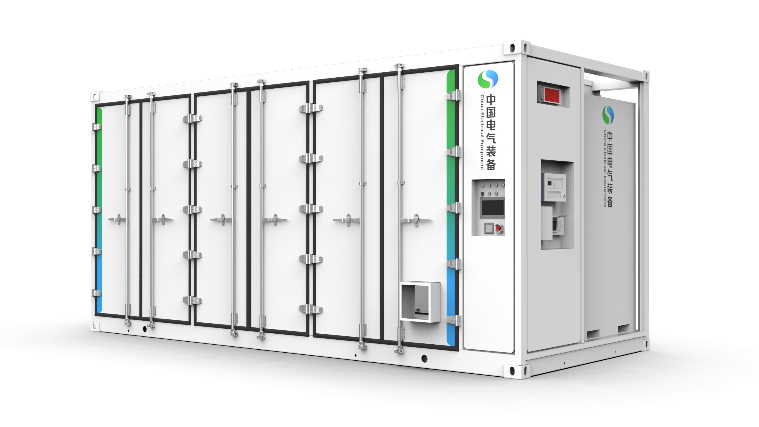
MESS8201-2507/5015-BN Prefabricated Liquid-cooled Energy Storage Battery Container
Xuchang Xuji Electric Science Energy Storage Technology Co., Ltd.