Full-line connection of "One-Container System" for water-to-water transshipment of dangerous goods by ship on the Yangtze River mainline and from Jiangsu coastal ports to Shanghai
en.Wedoany.com Reported - The "One-Container System" for water-to-water transshipment of dangerous goods by ship has been fully connected from the Yangtze River mainline and Jiangsu coastal ports to Shanghai.
On July 24, the Maritime Safety Administration of the Ministry of Transport, the Shanghai Municipal Commission of Commerce, the Shanghai Maritime Safety Administration, the Yangtze River Maritime Safety Administration, the Jiangsu Maritime Safety Administration, and the Lianyungang Maritime Safety Administration jointly held a press conference in Shanghai, officially announcing that the "One-Container System" for water-to-water transshipment of dangerous goods by ship has achieved full-line connection from the Yangtze River mainline and Jiangsu coastal ports to Shanghai. Representatives from enterprises related to the waterway transport of dangerous goods attended the press conference.
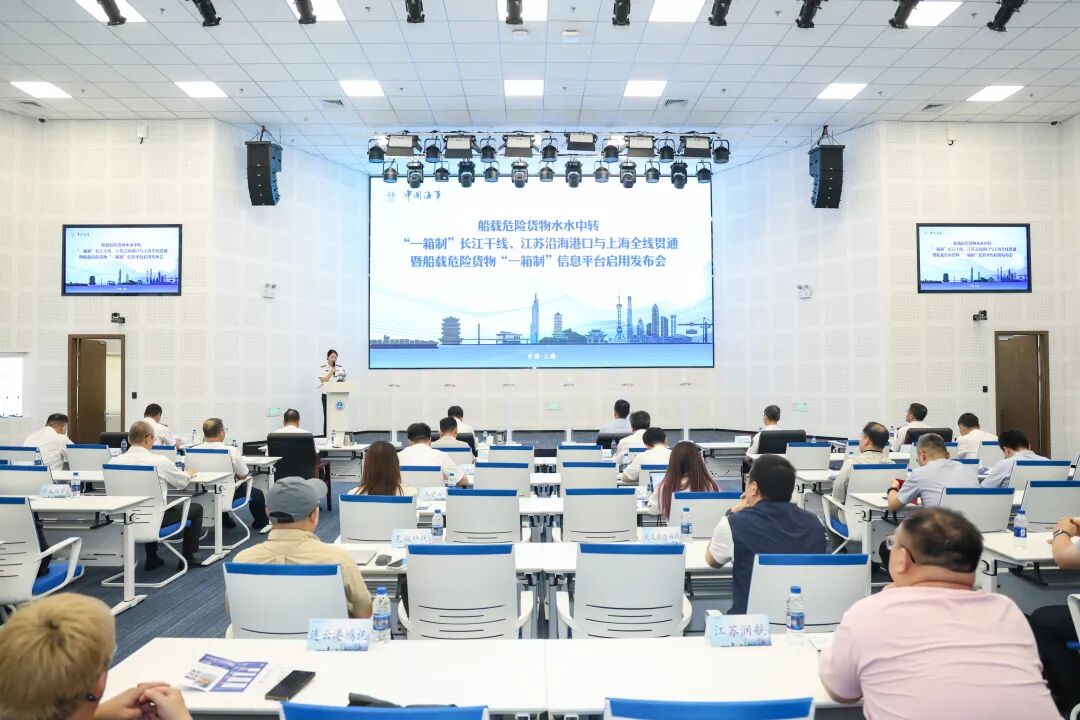
According to the introduction, this connection incorporates ports such as Lianyungang and those along the Yangtze River mainline, including Chongqing, Yichang, Jingzhou, Yueyang, and Jiujiang, into the "One-Container System" framework, marking a significant breakthrough in the facilitation reform of dangerous goods waterway transport in the Yangtze River Economic Belt.
On the same day, the vessel "Jinshun 88," loaded with dangerous goods transshipped from Shanghai Port to multiple global ports, departed from Yueyang Port for Shanghai Port.
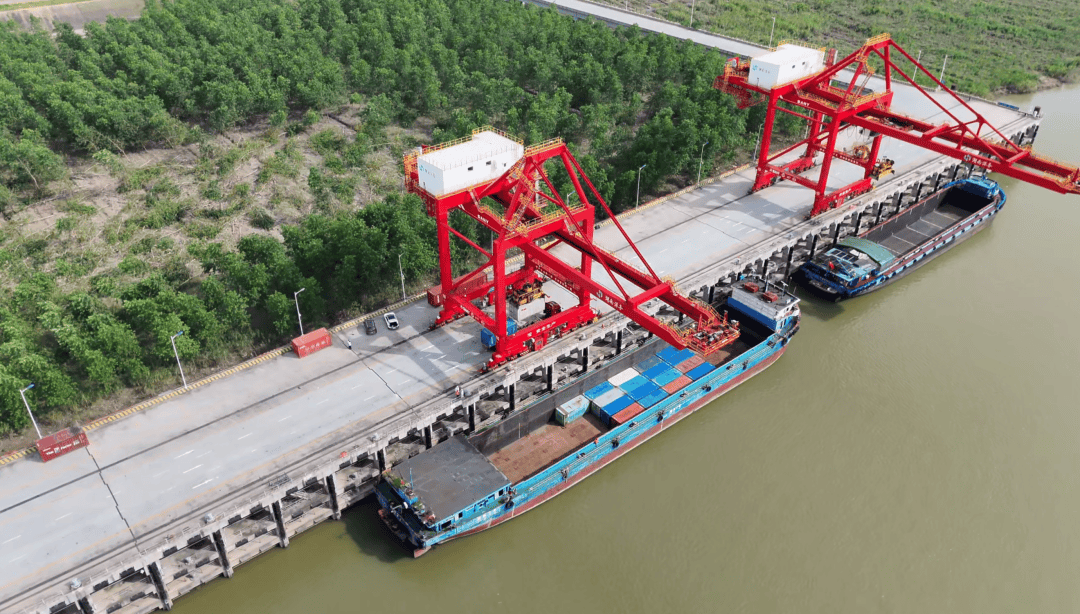
Before arriving at Shanghai Port, the vessel had completed the relevant declaration procedures for carrying dangerous goods into the port through the "One-Container System" transport mode for water-to-water transshipment of dangerous goods by ship. Upon arrival on July 26, it was able to directly berth at the Waigaoqiao Terminal for unloading operations.
This vessel is also the first feeder vessel on the Yueyang-Shanghai route to benefit from this facilitation measure after the full-line connection of the "One-Container System."
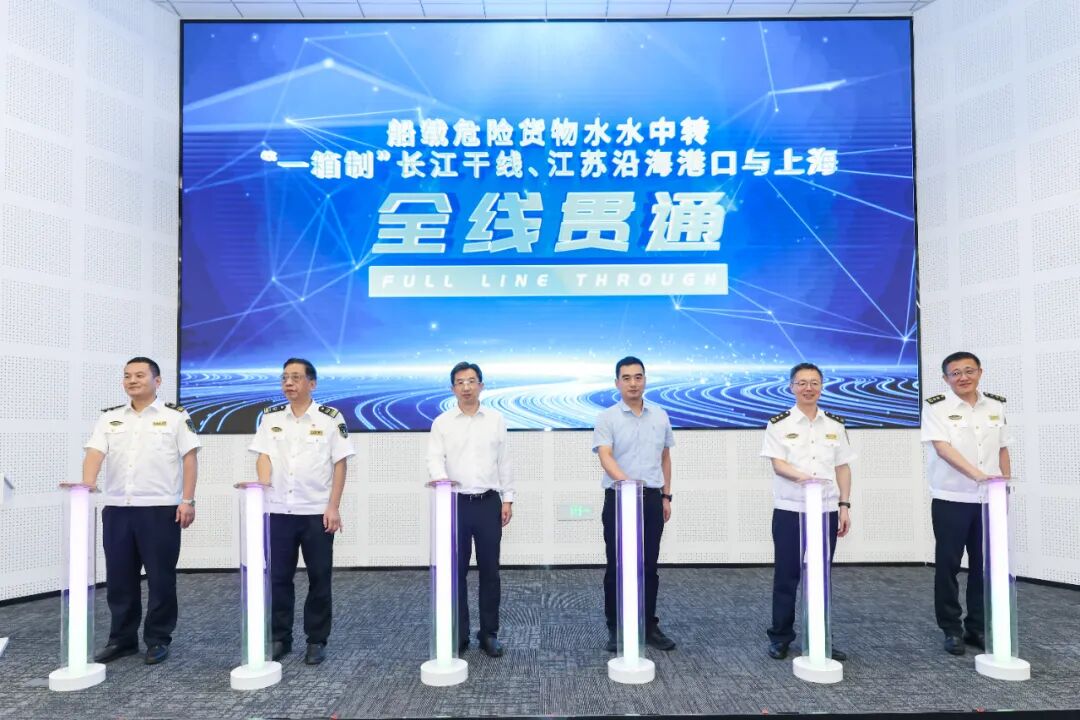
At the press conference site, a launching ceremony was also held for the information platform of the "One-Container System" for water-to-water transshipment of dangerous goods by ship.
It is understood that the development of the "One-Container System" for dangerous goods by ship began in July 2024, initially piloted on the Changzhou-Waigaoqiao route.
In September 2024, after practical verification, it was rapidly expanded to routes from six ports along the Yangtze River in Jiangsu Province, including Nanjing, Zhenjiang, Yangzhou, Zhangjiagang, and Taicang, to Shanghai's Yangshan Port and Waigaoqiao Port, achieving full-time regular operation in the Shanghai-Jiangsu waters.
In 2025, the Shanghai and Jiangsu maritime authorities continued to deepen cooperation with port and shipping enterprises, expanding the applicable cargo for the "One-Container System" from the "New Three" (lithium batteries, photovoltaic products, and new energy vehicles) to other packaged dangerous goods. They also included other ports along the Yangtze River in Jiangsu Province, such as Taizhou, Jiangyin, Nantong, and Changshu, into the scope of the "One-Container System" and promoted its pilot operation at Wuhan Port and Wuhu Port under the jurisdiction of the Yangtze River Maritime Safety Administration.
Since 2026, the maritime authorities have continued to promote the expansion and efficiency improvement of the "One-Container System," launching the "Lian-Shen Express Service" with Lianyungang, extending the "One-Container System" to Jiangsu's coastal ports, and incorporating ports such as Chongqing, Yichang, Jingzhou, Yueyang, and Jiujiang into the "One-Container System" network, achieving full-line connection along the Yangtze River mainline. This provides replicable and scalable practical experience for the high-quality development of the Yangtze River Economic Belt and the construction of a strong transportation nation.
According to the introduction, in the waterway transport of dangerous goods, the maritime authorities implement "one-port management," enabling "one-leg declaration" for water-to-water transshipment of dangerous goods through cross-domain data sharing and seamless system integration. The new model changes the process from "sequential" to "parallel," with automatic confirmation of transshipment declarations, reducing the cycle by at least 48 hours. Cargo turnover efficiency has significantly improved, greatly enhancing enterprise satisfaction and sense of gain.
The Shanghai Maritime Safety Administration stated that the concurrently launched "One-Container System" information platform has broken down regulatory data barriers across the four maritime jurisdictions of Shanghai, the Yangtze River, Jiangsu, and Lianyungang, establishing a unified, cross-regional data exchange and business coordination system.
For enterprises, the most direct benefit is full-process visualization and traceability. Through the platform, enterprises can query cargo declaration progress and vessel transport status in real time, monitor logistics dynamics at any time, and precisely control shipment and fulfillment schedules, completely resolving the industry's long-standing issues of information asymmetry and opaque progress.
Shanghai Port is an international comprehensive transportation hub in China's comprehensive three-dimensional transportation network and a core port in the Yangtze River Delta port cluster. According to statistics, Shanghai Port's annual container water-to-water transshipment volume is nearly 30 million TEUs, of which dangerous goods transported via the Yangtze River water-to-water transshipment account for nearly 200,000 TEUs annually, involving over 2,500 feeder vessel trips.
However, the traditional water-to-water transshipment mode for dangerous goods has some issues affecting transport efficiency and constraining economic development.
First, the declaration and approval cycle is relatively long. Due to administrative division restrictions, traditional declarations for vessels carrying dangerous goods entering and leaving ports are implemented independently and sequentially. For water-to-water transshipment cargo, from the declaration at the origin port to the shipment from the transshipment port, six declarations/reports are required, with the approval cycle potentially accumulating up to 144 hours.
Second, the procedures for modifying declarations are cumbersome. In transshipment operations, if a vessel needs to change its berthing terminal, requiring re-declaration, the procedures are complex, potentially affecting the vessel's schedule and reducing transport efficiency and terminal turnover rates.
Therefore, the concept of establishing a more efficient, convenient, and safer new transport mode for water-to-water transshipment of dangerous goods emerged.
Thus, after two years of pilot trials, through the collaborative efforts and model innovation of the maritime authorities in Shanghai, the Yangtze River, Jiangsu, and Lianyungang, the full-line connection of the "One-Container System" for water-to-water transshipment of dangerous goods by ship is injecting new, strong momentum into the development of the Yangtze River Economic Belt.
Related Products
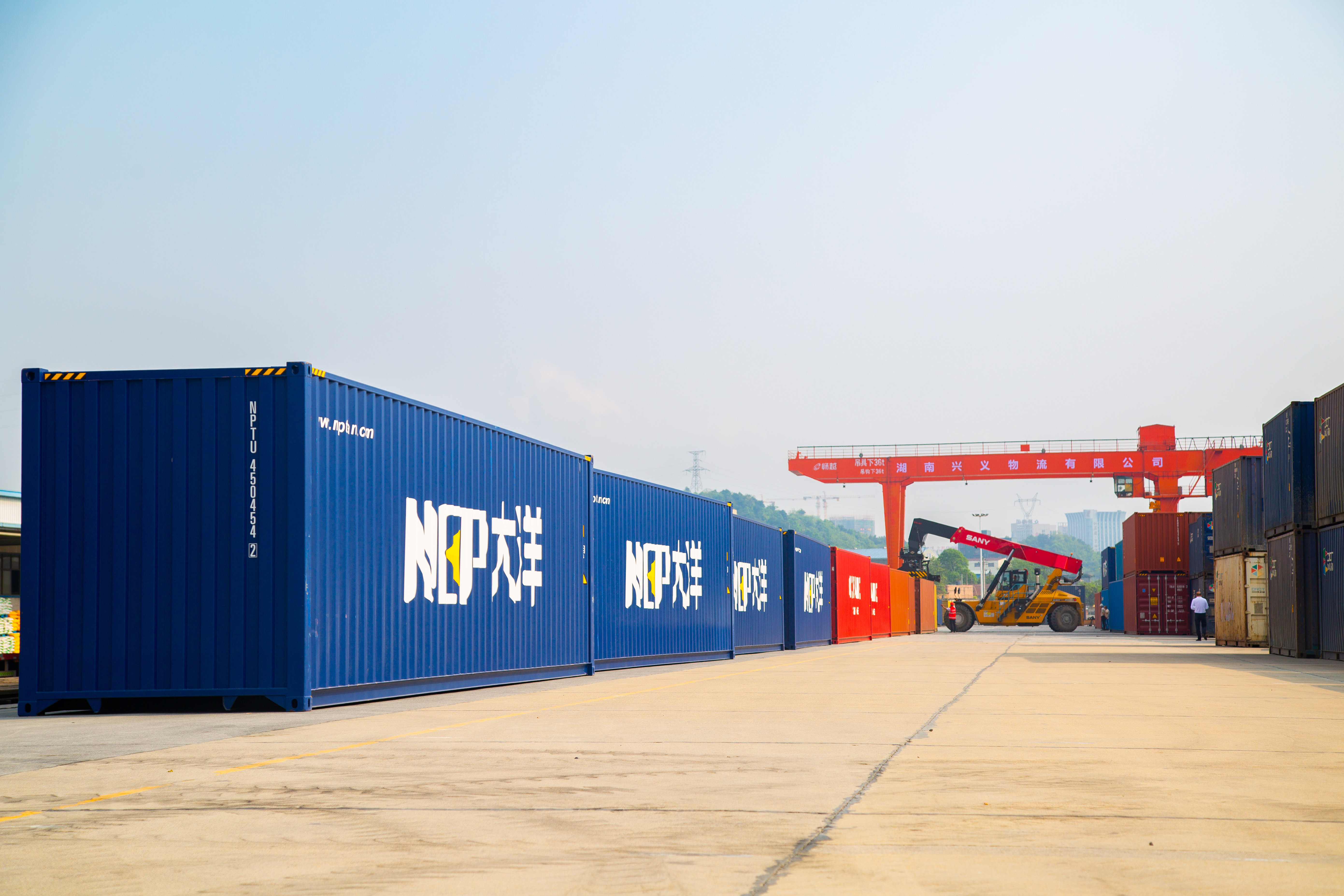

China - Alashankou/Khorgos - Europe Full Range Transportation (Mala/Hamburg/Duisburg/Budapest, etc.)
Shenzhen Neptune Logistics Co., Ltd.
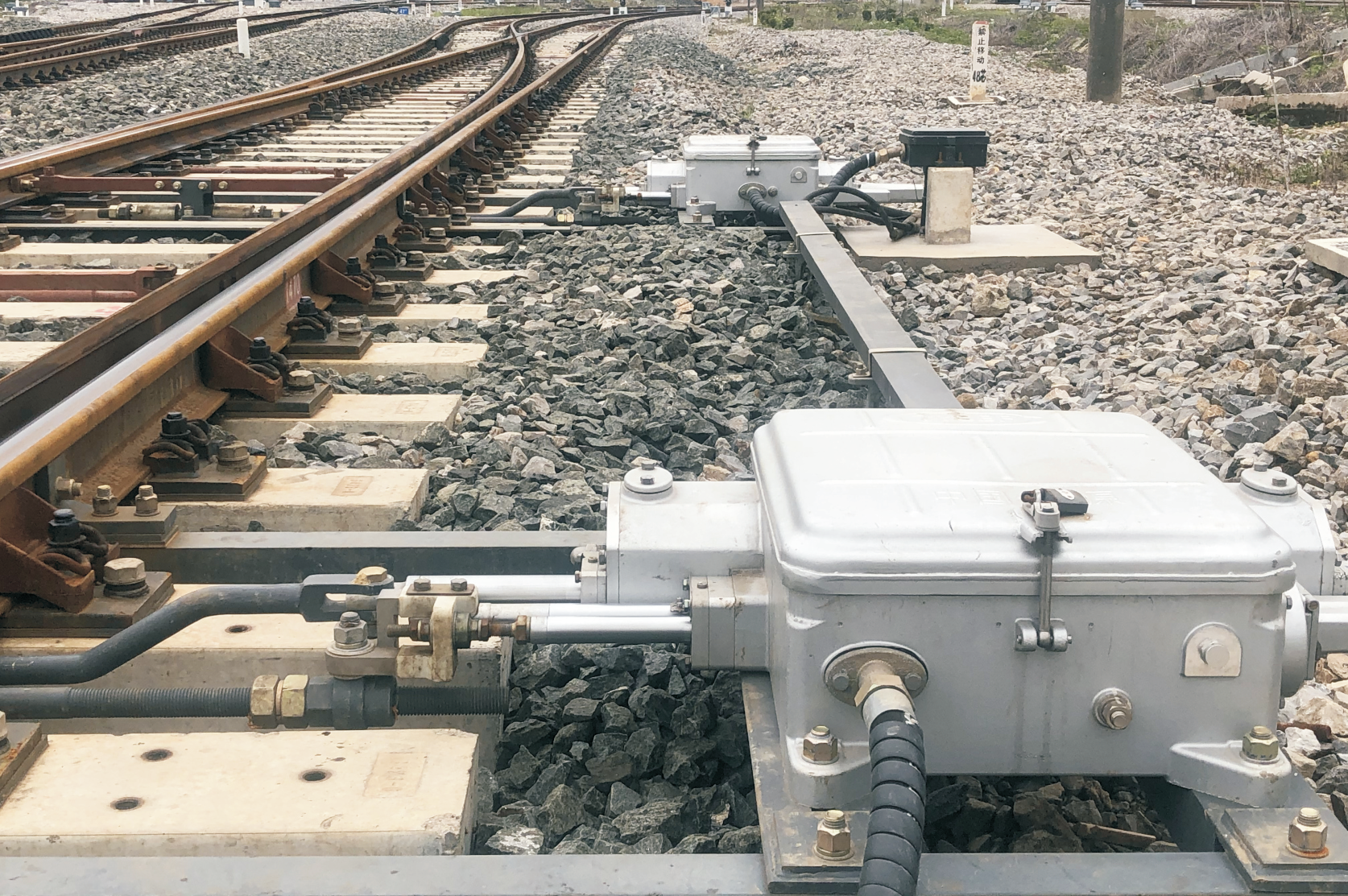
ZY(J)7(M) Sealed Type Electro-Hydraulic Turnout Machine
TAIYUAN CR JINGFENG EQUIPMENT TECHNOLOGY CO., LTD.

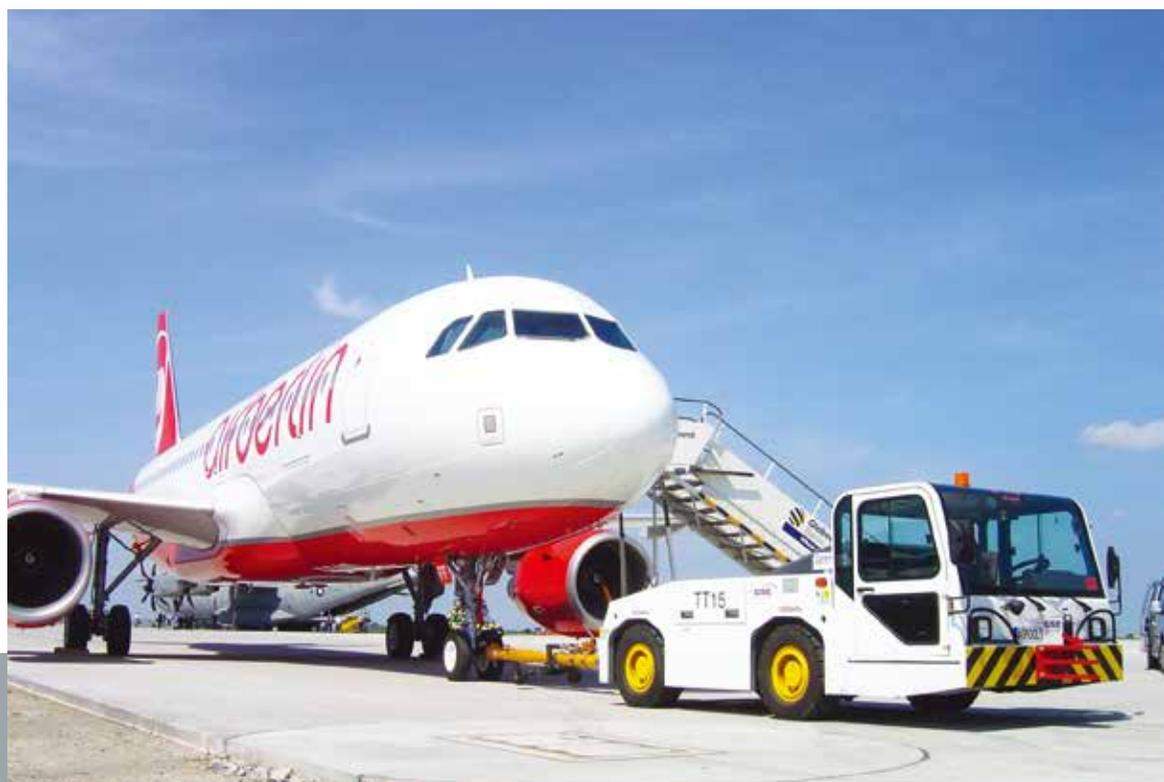
WGQY Series Aircraft Tow Tractor-WGQY15, WGQY27
Weihai Guangtai Airport Equipment Co., Ltd.