EU Plans 15% Tax on Aluminum Scrap Exports by 2026
en.Wedoany.com Reported - Global trade policies for aluminum and copper scrap are entering a tightening cycle. The UAE has imposed temporary export restrictions on certain scrap materials, Saudi Arabia is strengthening export approval oversight, and the EU plans to levy a 15% tax on aluminum scrap exports. These policy shifts across major exporting regions share a common goal: keeping recyclable metals for domestic processing.
Once regarded as industrial waste, aluminum and copper scrap are now recognized by many governments as strategic raw materials. Driving this shift in perception are decarbonization targets, resource security, and the need to expand domestic manufacturing. Recycling aluminum consumes about 95% less energy than smelting primary aluminum from bauxite, and recycling copper also requires far less energy than primary copper production. Securing domestic scrap supply has thus become part of industrial policy, linked to circular economy goals and downstream manufacturing.
Against this backdrop, multiple scrap-exporting regions are reshaping the global scrap trade landscape.
The UAE has taken concrete steps. In June 2026, it imposed a four-month temporary export restriction on certain aluminum, copper, and ferrous scrap, effective until October 8, 2026, aimed at boosting domestic recycling and downstream manufacturing. Although the temporary restriction has a defined timeframe, it has already impacted market activity. Jawed Ahmed, Founder and CEO of Al Qaryan International DMCC, stated that new export contracts are largely no longer being approved; existing contracts may still receive clearance, but incremental business is effectively at a standstill.
The temporary restriction is only part of the UAE's broader strategy. Ahmed noted that Emirates Global Aluminium's (EGA) recycling capacity now exceeds the country's domestic aluminum scrap generation, and in the long term, domestic scrap consumption will continue to grow, reducing export availability.
Similar developments in the Gulf region are evident in Saudi Arabia. According to Ahmed, Saudi Arabia has begun managing non-ferrous scrap exports through export approvals and quota mechanisms, encouraging domestic processing. Governments across the region are pushing companies to build secondary smelting capacity domestically rather than exporting scrap. While Saudi Arabia has not formally announced a ban or official restrictions, the use of approval and quota tools signals its intent to prioritize domestic recycling and downstream manufacturing.
The EU's discussions also point toward export controls. The European Commission is expected to submit a proposal in September 2026 to impose a 15% tax on aluminum scrap exports. This comes against the backdrop of record EU aluminum scrap exports of 1.27 million metric tons (mnt) in 2025, nearly 50% higher than 2019 levels. The proposal aims to secure secondary raw material supply, supporting domestic recycling, downstream manufacturing, and low-carbon aluminum production.
The proposal has sparked debate within the recycling industry. Supporters emphasize the importance of securing strategic raw materials; industry participants argue that open international trade allows different grades of aluminum scrap to flow to markets with the highest recycling efficiency, and that export restrictions may not necessarily boost domestic recycling rates—they could instead weaken collection incentives, dampen investment, and reduce overall circular economy efficiency. This debate highlights the policy trade-off Europe faces: balancing domestic resource security and industrial competitiveness against maintaining the economic viability of the recycling industry and the efficiency of global supply chains.
Ahmed characterizes these policy shifts as part of a broader trend—not just in the UAE, but across the region, governments are treating recyclable metals as strategic resources, encouraging domestic value-added processing rather than scrap exports.
For importing countries like India, these changes mean potentially higher procurement costs, intensified competition for available materials, and greater pressure to diversify supply channels. India's secondary aluminum industry remains heavily dependent on imported aluminum scrap, and tighter export policies in supplier countries will directly affect its raw material security. Conversely, these developments underscore the need for India to strengthen domestic scrap collection, recycling infrastructure, and circular economy systems to reduce long-term import dependence.
The global scrap market is entering a new phase where government policy influence carries as much weight as supply-demand fundamentals. Whether through temporary export restrictions, export taxes, or stricter regulations, countries are seeking to retain recyclable metals to support domestic recycling and improve resource security. As these policies evolve, trade flows of aluminum and copper scrap are likely to be reshaped, along with procurement strategies and the role of secondary metals in global manufacturing.
These topics are central to the "Secondary Aluminum: Scrap Supply, Policy Gaps & Alloy Market Outlook" session at the 2026 Global Commodity Conference (GCC). Set against India's push to transform its non-ferrous circular economy through policy reforms, recycling, and sustainable manufacturing, the conference will bring together policymakers, producers, recyclers, traders, downstream consumers, and senior executives from global commodity companies to discuss market trends, trade policies, technology, sustainability, business opportunities, and the future of India's non-ferrous and recycling ecosystem. Hosted by the Multi Commodity Exchange of India (MCX), with BigMint as the event partner, the conference is scheduled for August 12–14, 2026, at the Jio World Convention Centre in Mumbai.
Related Products
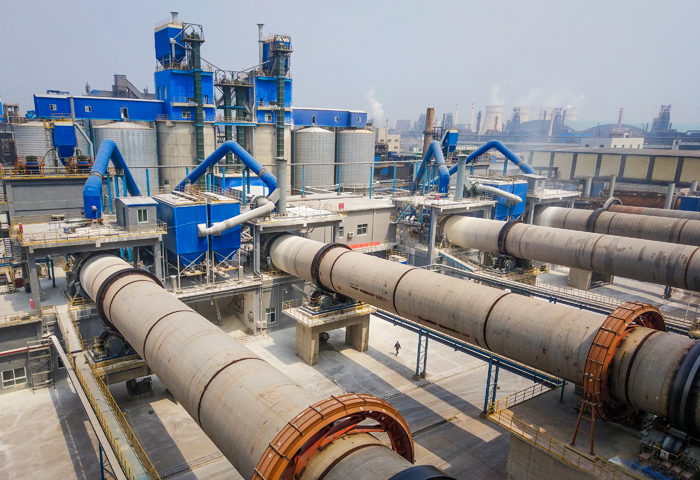

CITIC Heavy Industries Metallurgical Equipment Steel Smelting Engineering Equipment
CITIC Heavy Industries Co., Ltd.
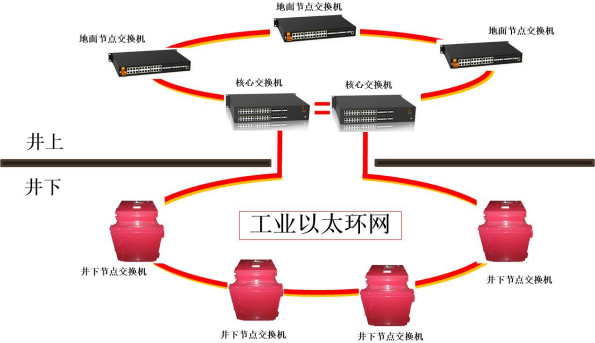
Mine Explosion-proof and Intrinsically Safe Industrial Ethernet Ring Network (10 Gigabit/Gigabit)
Chongqing Mas Sci&Tech Co., Ltd.
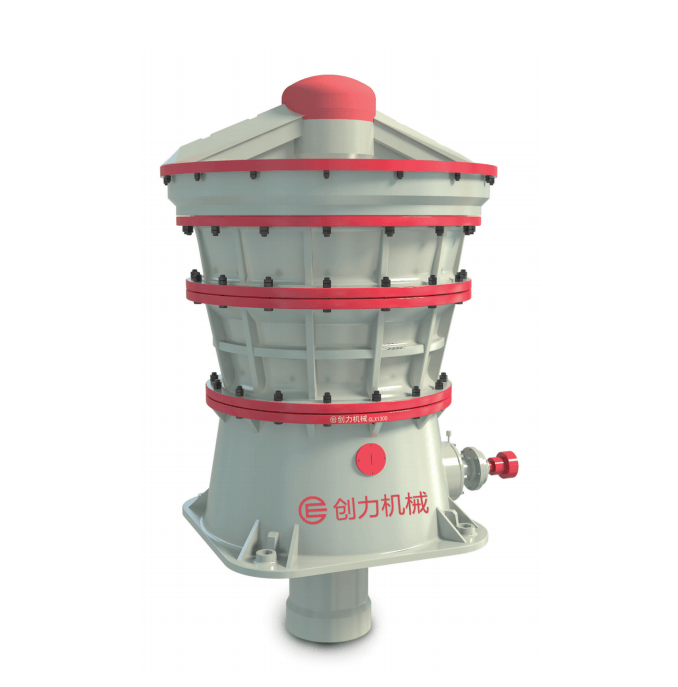
CLX Series Intelligent Hydraulic Gyratory Crusher
Guangdong CHUANGLI intelligent machinery Equipment Co., LTD