Italy's Leonardo Aeronautics Narrows First-Half 2026 Loss to €66 Million
en.Wedoany.com Reported - Leonardo's aerostructures business significantly narrowed its loss in the first half of 2026, benefiting from higher production rates on the Boeing 787 and ATR programs as well as ongoing restructuring activities. Revenue for the segment rose 44% year-over-year to €481 million ($553 million), with a loss of €66 million, compared with a loss of €96 million in the same period of 2025.
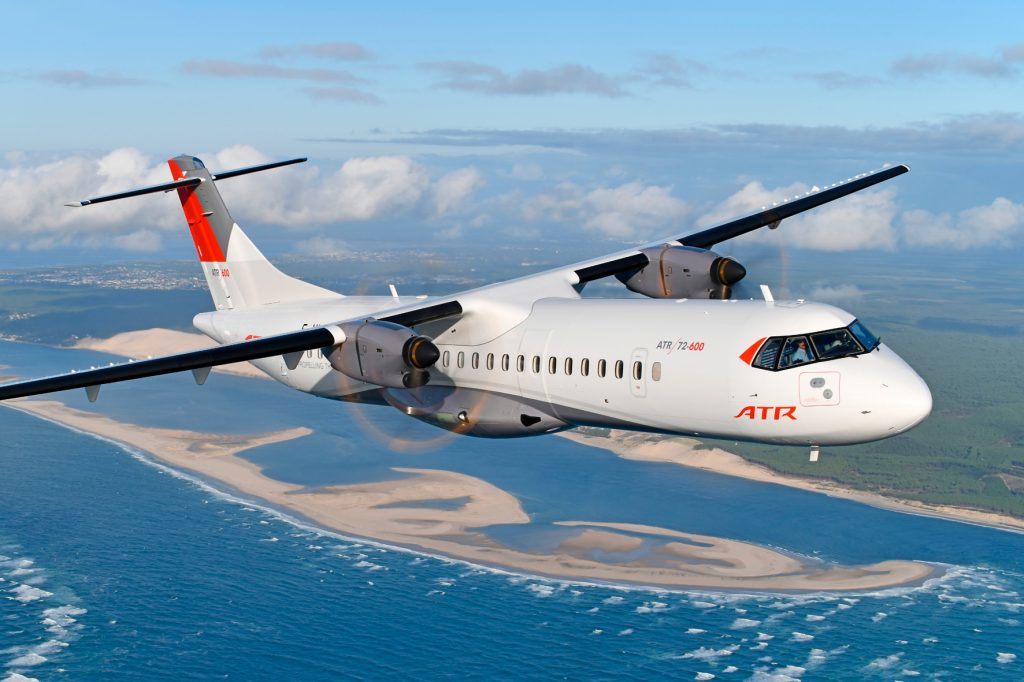
Chief Financial Officer Giuseppe Aurilio said during the July 31 earnings call that the improvement was mainly attributable to higher production on the Boeing 787 program. He noted that fuselage section deliveries for the program increased from four per month in early 2025 to seven during 2025, and further to eight this year, with a target of reaching ten per month by year-end. In the first half of this year, Leonardo delivered 39 fuselage sections and 39 horizontal stabilizers for the 787 program, compared with 30 and 20, respectively, in the same period of 2025.
Fuselage deliveries for the ATR turboprop regional aircraft program also ramped up, with 20 fuselages delivered in the first six months versus nine in the year-ago period. Aurilio said the 787 business reduced its loss by €30 million in the first half, while the ATR program cut its loss by €20 million. "Aerostructures is partially recovering its losses... there are still losses, but overall €50 million lower than in 2025," he said.
Lorenzo Mariani, who took over as chief executive earlier this year, said in his first quarterly results report that the business improvement would help advance the planned aerostructures joint venture. At the Farnborough Airshow earlier this month, Mariani said reaching an agreement with potential partners was taking longer than expected due to the current instability in the Middle East. He noted that the company was accelerating toward breakeven, with other initiatives including securing additional work packages, improving plant efficiency, and strengthening quality control. "We are more focused on reducing business losses, which has also benefited us. When we negotiate with businesses that have fewer problems, it is easier to reach an agreement." The joint venture plan remains to reach an agreement with potential partners and establish a presence in a second country, with the aerostructures business to be treated through deconsolidation rather than a sale.
Related Products


![IVECO Cash-in-Transit [DMT5048XYCL3-AM] - Chongqing Dima Industry Co., Ltd](https://img.wedoany.com/2026/0911/20260911030157582.png)
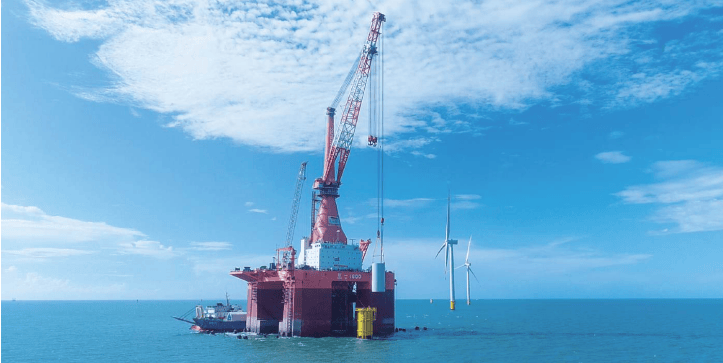
"Shunyi 1600" Deep-submerging Bottom-sitting Multi-functional Wind Power Engineering Vessel
Zhengli Offshore Engineering Co., Ltd.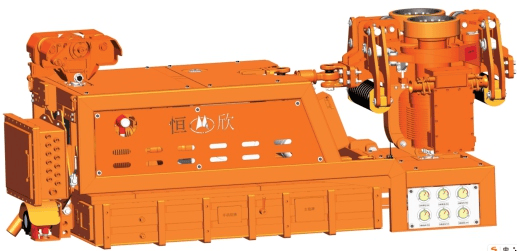
Explosion-proof lithium battery dispatching monorail crane locomotive (permanent magnet frequency conversion integrated machine)
Xiangtan Hengxin Industrial Co., Ltd.
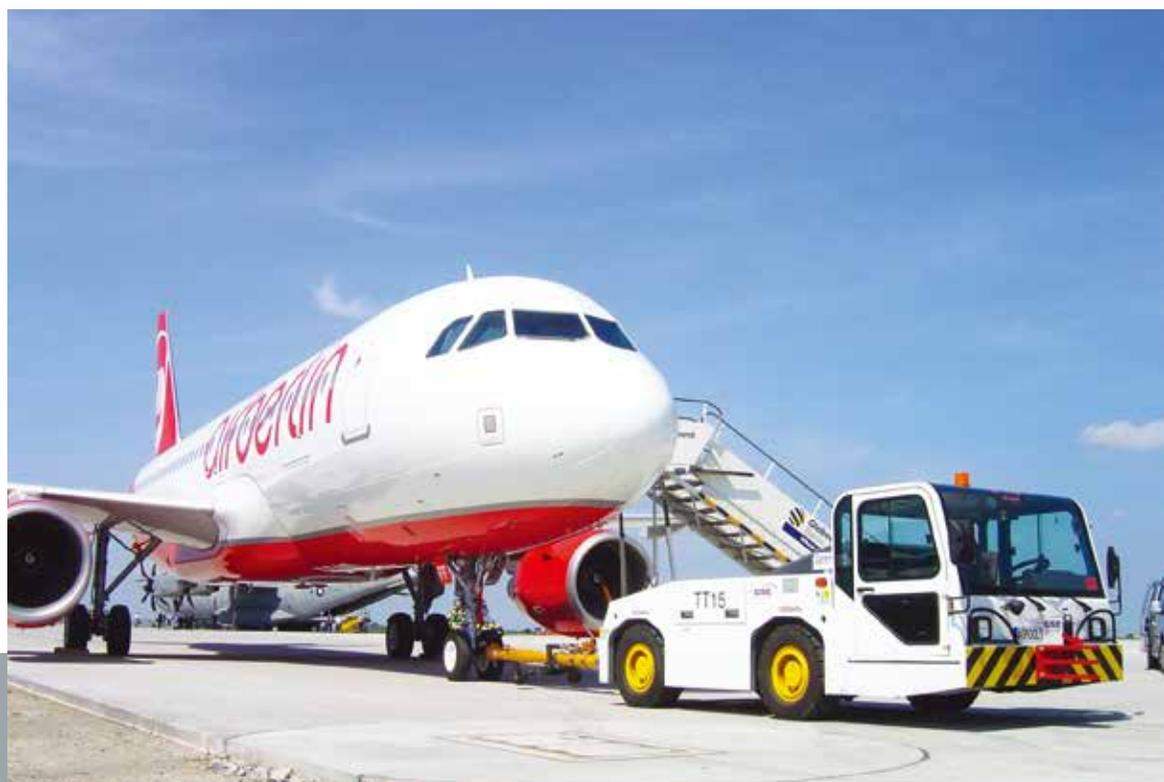
WGQY Series Aircraft Tow Tractor-WGQY15, WGQY27
Weihai Guangtai Airport Equipment Co., Ltd.
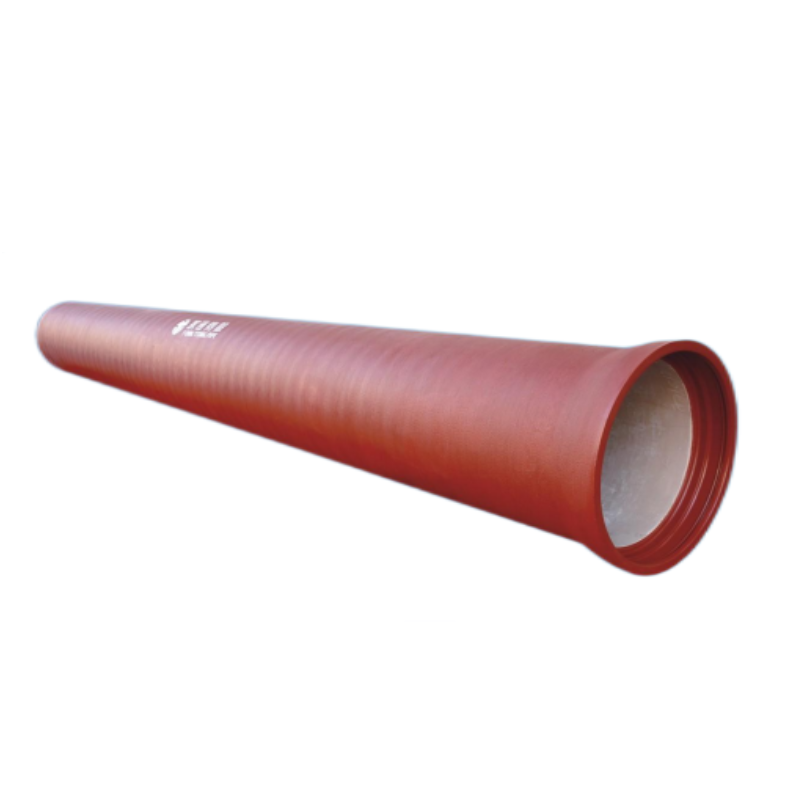

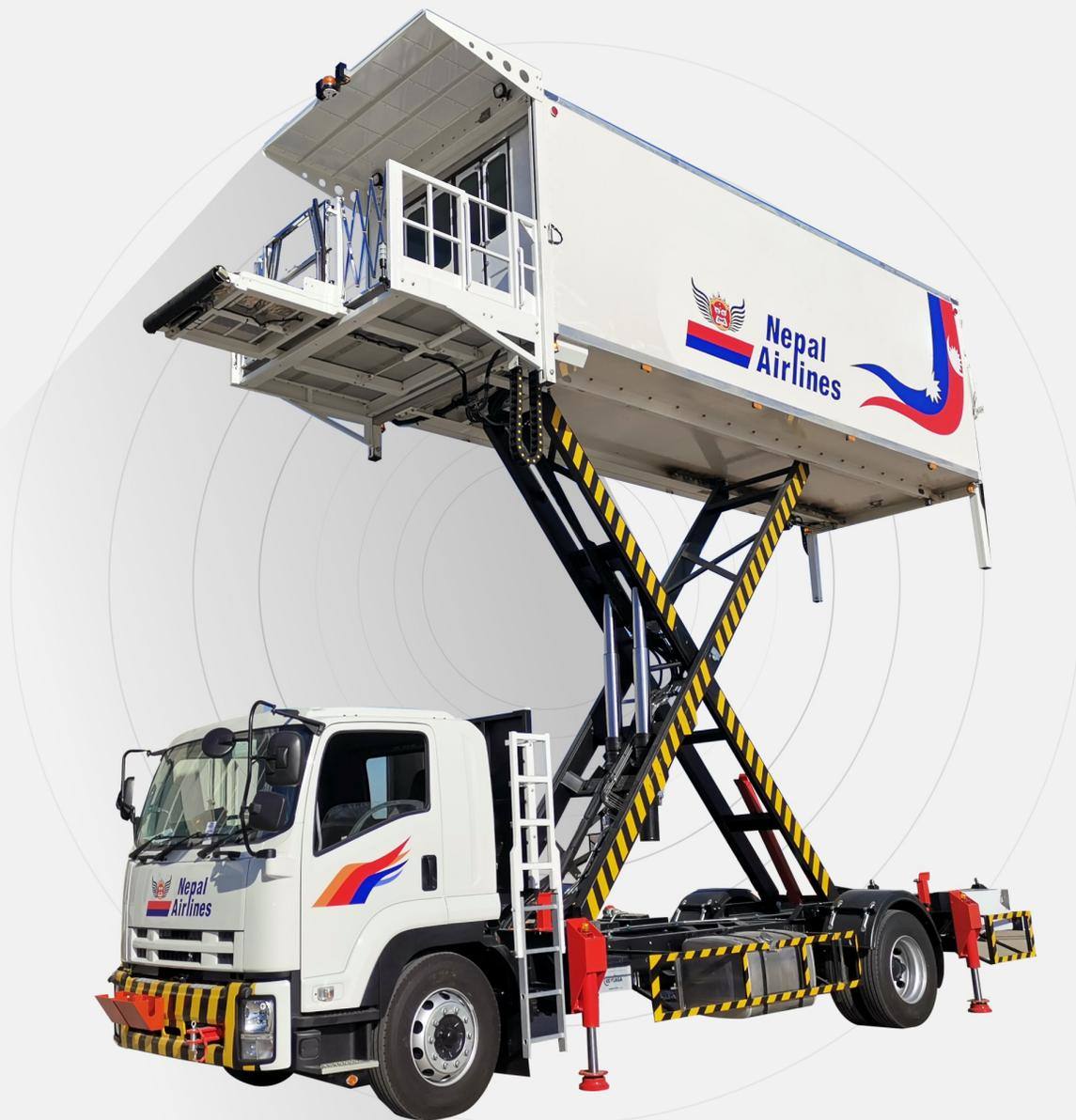
XC-6000e Type Aviation Catering Truck (Fuel Type)
Shenzhen CIMC-TianDa Airport Support Ltd.