Five Lockheed Martin Engineering Decisions That Became Standards for Modern Airliners
en.Wedoany.com Reported - Lockheed Martin has exited the design and manufacturing of commercial airliners, but its engineering decisions in areas such as inertial navigation, composite fuselages, and cockpit automation still influence modern airliners from Boeing, Airbus, and Embraer.
The company is the product of multiple mergers and acquisitions, including the 1995 merger of Lockheed Corporation with Martin Marietta and the 2015 acquisition of Sikorsky Aircraft. It should be noted that the Lockheed innovations mentioned here do not include the early F-16 "Fighting Falcon" fighter jet: the F-16 was the first fighter to feature fly-by-wire flight controls, and although it now belongs to Lockheed Martin, the aircraft was developed by General Dynamics, with Lockheed acquiring the F-16 program in 1993 without purchasing General Dynamics.
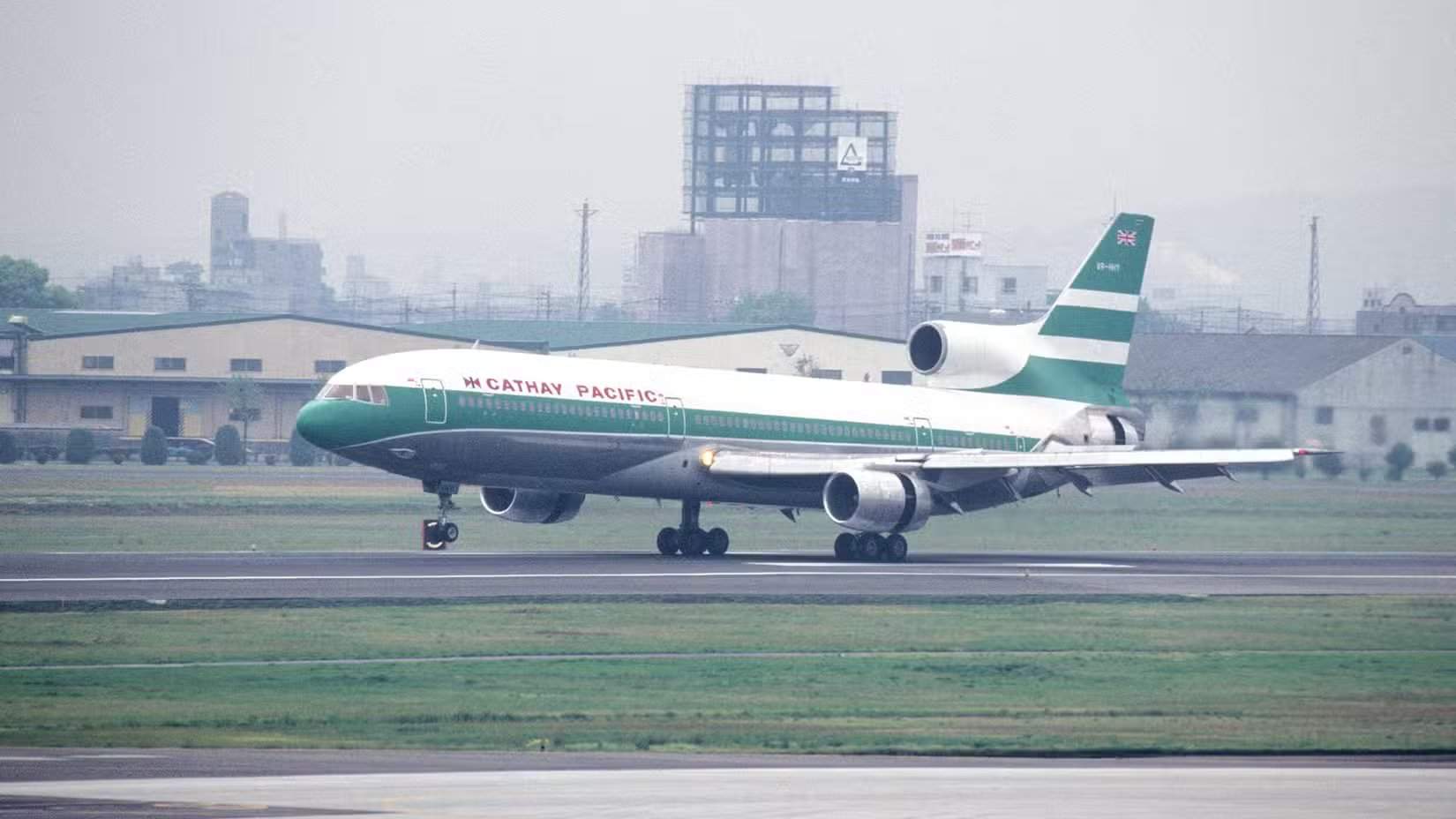
One of Martin Marietta's greatest contributions to modern aviation was the industrialization of the ring laser gyroscope. Developed for military aircraft and missiles in the 1970s and 1980s, it replaced older spinning mechanical gyroscopes. Martin Marietta did not invent it, but the company solved many of the manufacturing challenges associated with it. The ring laser gyroscope has no spinning rotor, is immune to gimbal lock, suffers virtually no mechanical wear, offers greater accuracy and reliability, and operates on the Sagnac effect. In contrast, older mechanical inertial navigation systems were bulky, expensive, required careful calibration, offered lower accuracy, and suffered from bearing wear. Ring laser gyroscope technology played a role in ETOPS operations, oceanic navigation, and reducing crew workload, and its systems were soon applied to commercial aircraft such as the Boeing 757, 767, 747-400, 777, MD-11, A320, A330, and A340, as well as military aircraft. After the merger with Lockheed, the company remained a leader in inertial navigation systems, inertial reference units, and inertial measurement units throughout the 1990s and 2000s. Today, Honeywell is regarded as the world leader in commercial inertial reference systems, alongside companies such as Collins, Safran, and Thales. Lockheed Martin no longer focuses on avionics, but its influence on the development of this field is evident.
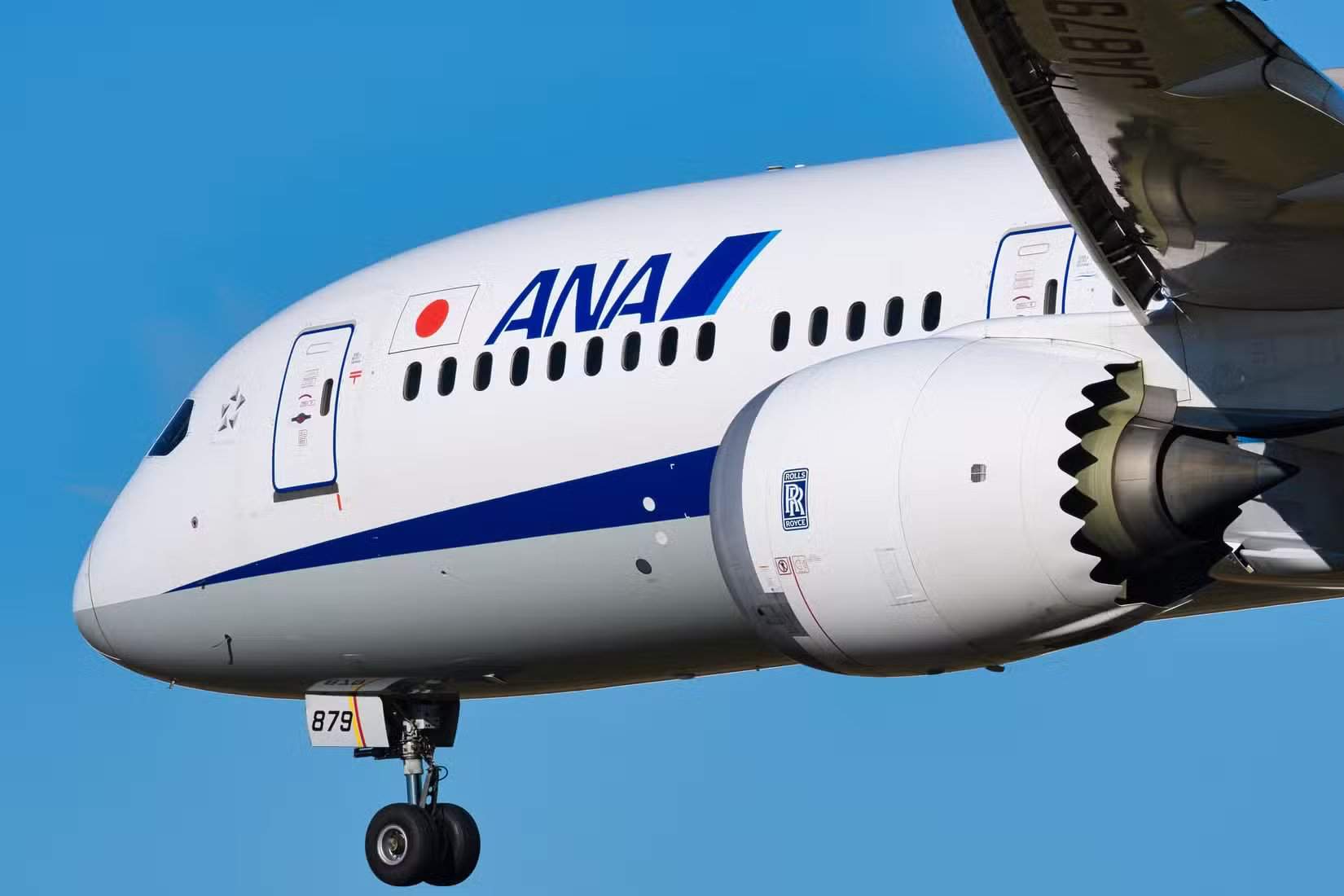
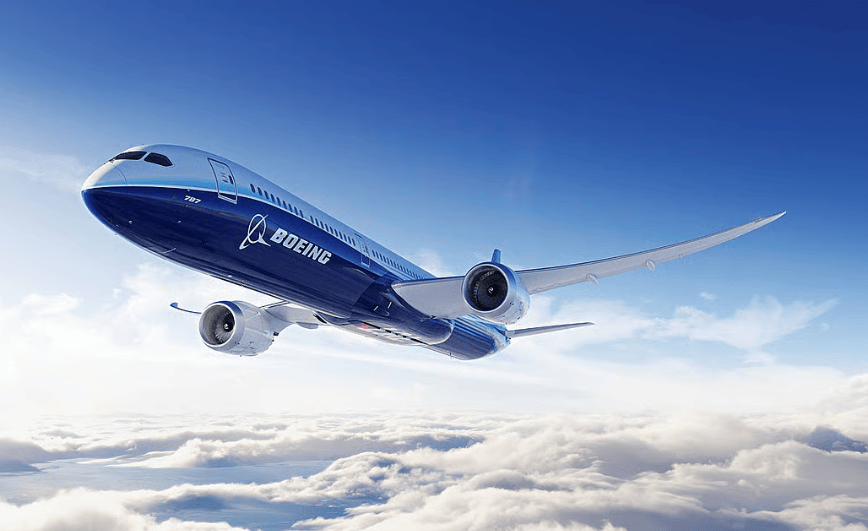
When Lockheed was developing the "Electra" and later the L-1011 Tristar, commercial airliner fuselages were almost entirely made of aluminum. Meanwhile, the U.S. Air Force was pushing for more advanced materials for next-generation military aircraft, including the "Have Blue" program, the Lockheed F-117 "Nighthawk," and later the F-22 "Raptor." In developing these stealth aircraft, Lockheed helped pioneer advanced composite fuselage structures for stealth aircraft. Today's F-22 is approximately 24% composite by weight, and the newer F-35 is more than 35% composite. Early military aircraft to make extensive use of composites included the AV-8B "Harrier," the F/A-18 "Hornet," the B-2 "Spirit" bomber, and the F-117. Commercial airliners followed, starting with the A310, Boeing 777, and A340. The Boeing 787 "Dreamliner," introduced in 2011, is approximately 50% composite by weight; the A350 followed closely with extensive composite use; and the A330neo and 777X have upgraded older generations with composites in as many areas as possible, including the wings. Advanced composites make aircraft lighter, improving fuel efficiency and range, while also being more durable, allowing cabins to withstand higher pressure and humidity, enhancing passenger comfort on long-haul flights.
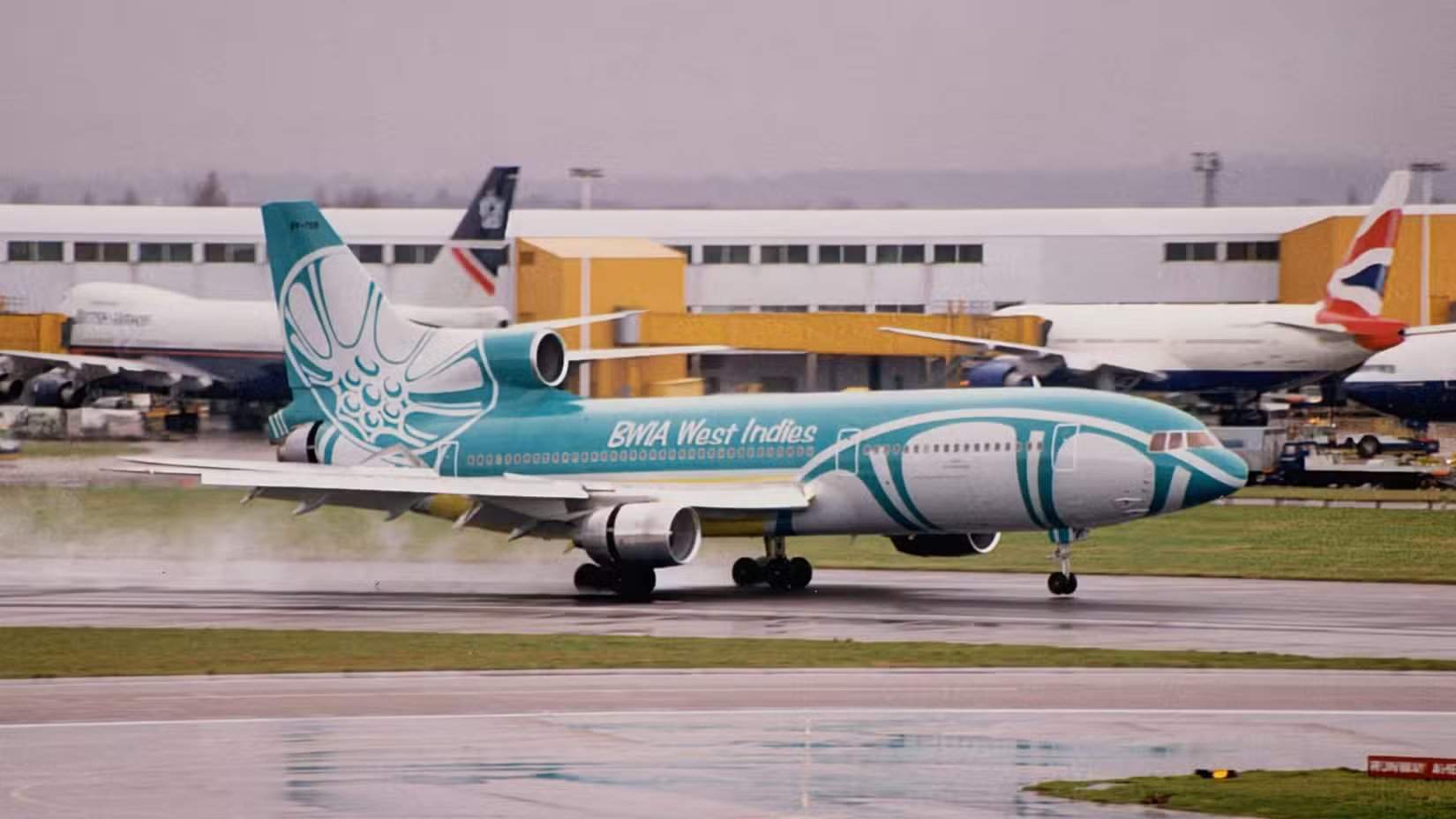
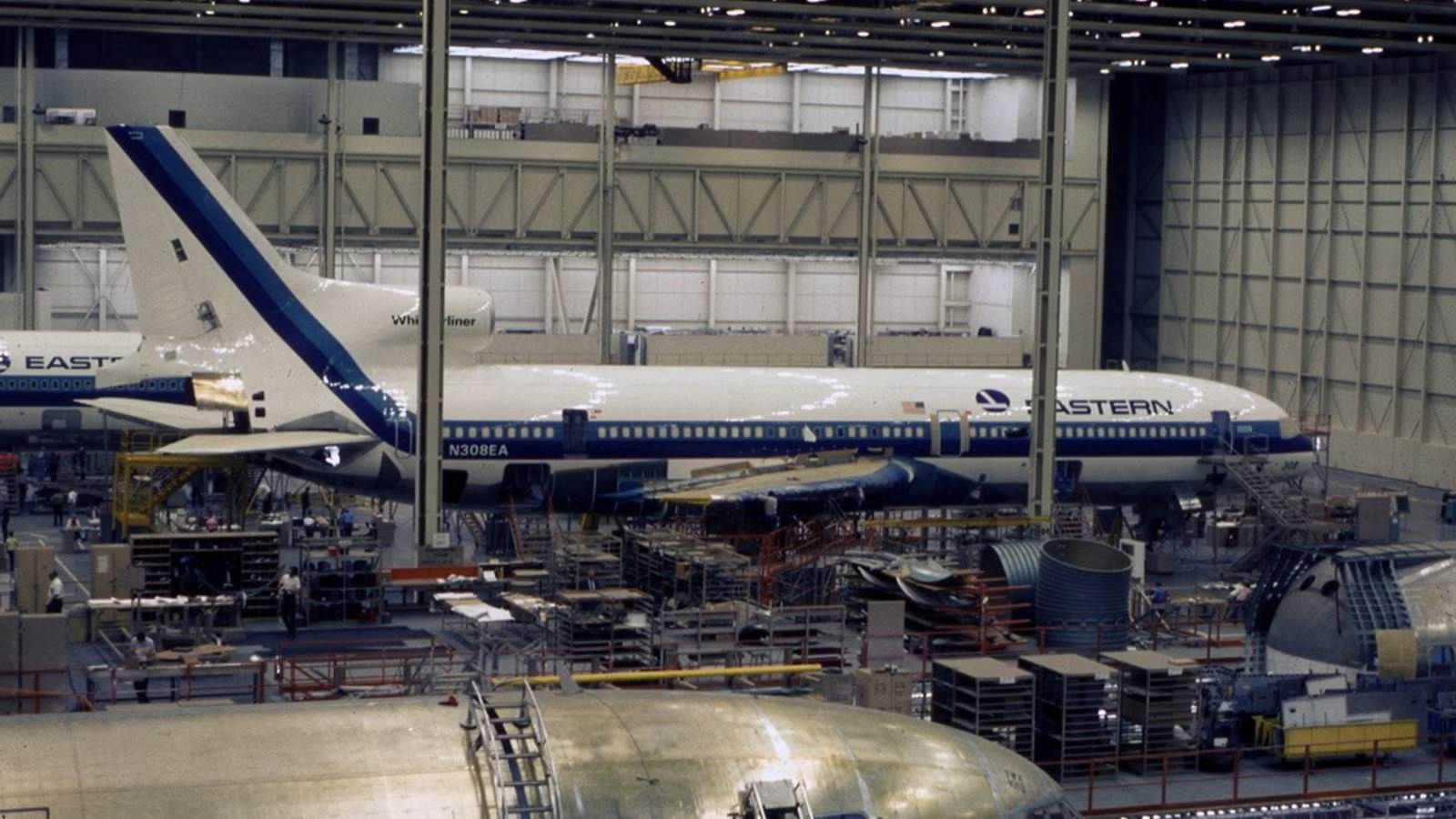
The influence of the Lockheed L-1011 Tristar on modern commercial aircraft is also evident in cockpit design. The cockpit was praised for pioneering new ground in multiple areas such as automation and integration, and for its ergonomic design, yet it still retained the traditional "steam gauge" analog instrument layout of the era. The Tristar was among the first widebody airliners to feature a sophisticated flight management system, offering Mach/indicated airspeed cruise control, automatic turbulence mode, and optimal descent profile calculation, improving fuel efficiency while reducing crew workload. Lockheed stated that the Tristar's most exciting feature was its advanced fly-by-wire automatic flight control system. In 1972, a Tristar flew from Palmdale, California, to Washington Dulles Airport with this system engaged from takeoff roll to landing. Lockheed called it the first transcontinental flight without human manual control, and fly-by-wire technology has been firmly established ever since. Many crew-centric cockpit features and automation have since become industry standards, evolving into today's glass cockpits, electronic checklists, and intuitive alerting systems. The influence of Lockheed's 1970s commercial airliner can be seen in the cockpit designs of the Boeing 787 and Airbus A350. The L-1011 Tristar was the only commercial jetliner Lockheed ever built; the company attempted to market a commercial derivative of the large military Lockheed C-5 "Galaxy" transport but was unsuccessful.
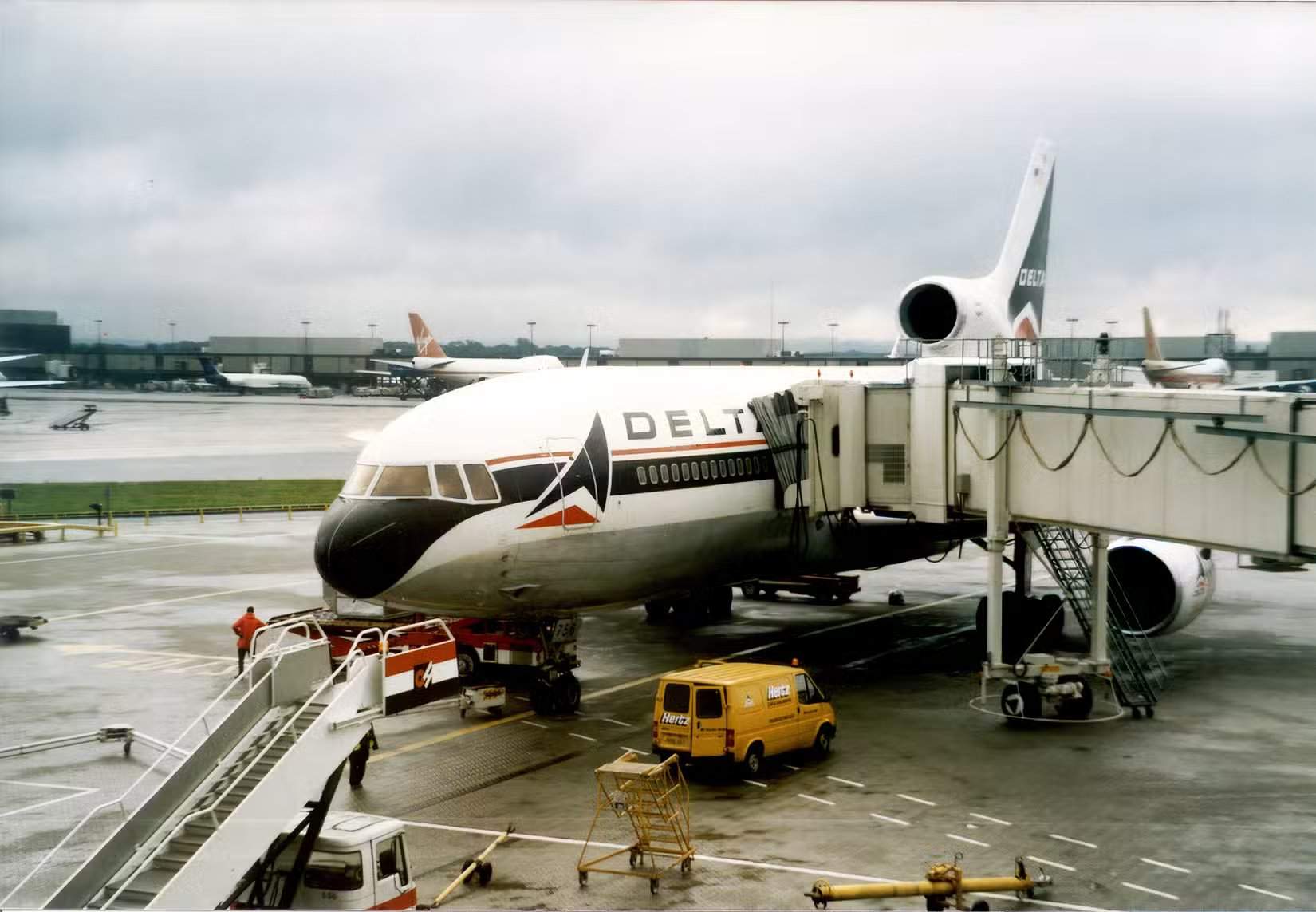
To compete with the Boeing 747 and McDonnell Douglas DC-10, the L-1011 Tristar made enhanced passenger comfort a key selling point. Lockheed said the aircraft featured unheard-of luxury touches, including anti-glare windows, full-size hidden wardrobes, and a lower-deck galley. Often, it is less about being "first" and more about modifying, improving, and making older ideas more practical on a new aircraft. The aircraft's unique engine layout helped reduce cabin noise, while crew enjoyed extra-wide aisles and overhead bins. The Tristar was among the first aircraft to feature anti-glare cabin windows and may have been the first production airliner to market this feature as a selling point. Today, the Boeing 787 is renowned as the first aircraft to take automatically dimming windows to a new level. Gentex Aerospace, the supplier of dimmable windows, originally developed auto-dimming rearview mirror technology for automobiles. The company says its electronically dimmable windows provide an "at your fingertips" experience for aircraft operators, designers, passengers, and crew. Following the 787, new production models of the A350 also offer dimmable windows, and the Boeing 777X will offer them once it enters service, currently expected in 2027.
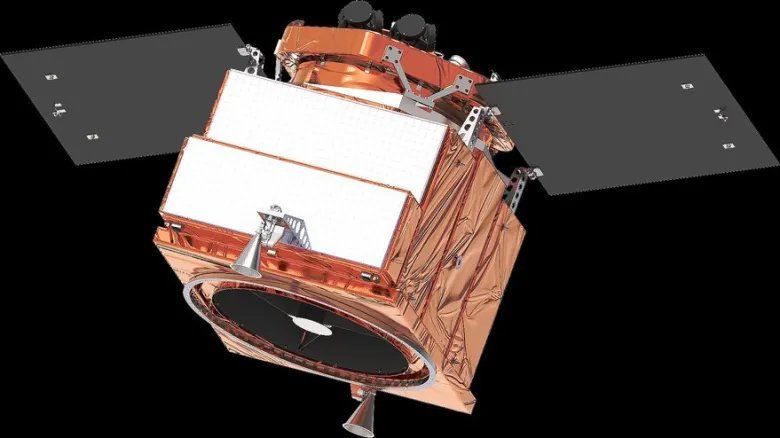
Since the outbreak of the conflict between Ukraine and Russia in 2022 and subsequent conflicts in the Middle East, incidents of commercial GPS (GNSS, Global Navigation Satellite System) jamming against civil airliners have become increasingly frequent. GPS was originally developed by the U.S. military for military purposes. In 1983, the Soviet Union shot down Korean Air Flight 007 after the aircraft strayed hundreds of miles off course and entered Soviet airspace. In response to that tragedy, the United States announced it would make previously restricted GPS freely available to civil aviation to prevent similar navigation errors. Martin Marietta played a significant role in the development and deployment of GPS, particularly in building the critical satellites that made it operational. The company did not invent GPS, but it was part of the U.S. military's massive development effort and was one of the primary contractors, manufacturing multiple generations of NAVSTAR satellites that helped bring the system into operation. Martin Marietta handled this work until 1993, and after the merger of Lockheed and Martin Marietta, Lockheed Martin continued to participate in building the space infrastructure that underpins modern aviation navigation. Meanwhile, commercial avionics manufacturers were integrating GPS receivers and flight management systems into aircraft such as the 777, 787, A320, and A350. Lockheed Martin remains one of the primary contractors for maintaining and upgrading GPS to this day. The company states that, as part of the U.S. Space Force's efforts to modernize the current GPS network with new technology and advanced capabilities, Lockheed Martin is building up to 32 next-generation GPS III/IIIF satellites.
Related Products