Peru Rejects German FlixBus Interprovincial Passenger Transport Operation Application
en.Wedoany.com Reported - German long-distance bus operator FlixBus sought to enter Peru's interprovincial passenger transport market through a digital platform model, but its application has been rejected by Peru's Ministry of Transport and Communications (MTC). The company had submitted an application last year to operate the Lima-Ica route. The MTC declared the application inadmissible, subsequently rejected its application to operate in Peru entirely, and dismissed the company's appeal.
In its resolution, the MTC noted that shared vehicles are only applicable to special personnel transport services, not to regular transport services. Under Article 26 of the National Transport Administration Regulations, approved by Supreme Decree No. 017-2009-MTC, vehicles used for public passenger or freight transport services must be owned by the transport operator, or acquired through financial leasing or operating leasing, with the relevant transactions conforming to models permitted by the financial system regulations. When a vehicle does not belong to the transport operator, its activation or registration in the transport administrative registry is only valid for the duration of the contract submitted by the transport company.

Martín Ojeda, general manager of the Association of Interprovincial Passenger Transport Enterprises (Cotrap-Apoip), told El Comercio that his objection is not directed at FlixBus's status as a foreign company, but rather at its attempt to change the existing operating model of interprovincial transport companies under the guise of a technology platform. Ojeda argued that FlixBus does not hold full ownership of the vehicles it plans to operate, and that in the event of an accident, liability would be difficult to determine, whereas companies authorized by the MTC must directly assume all responsibilities arising from the authorization. He explained that the "commission-franchise" model FlixBus seeks to promote merely allows the company to obtain operating authorization from interprovincial transport companies, while the buses belong to other companies or independent vehicle owners, with third parties being the actual providers of transport services and FlixBus acting as a platform or commercial intermediary. This practice would allow the party that obtains the authorization and sells tickets under its brand to not control day-to-day operations, thereby misleading users.
Ojeda noted that this model could weaken accountability to the state and users, bringing about unfair competition, deteriorating labor conditions, weakened quality control of services, tax evasion, and difficulties in regulating the responsible parties. He emphasized that regulations require authorized enterprises to maintain ownership and legal control over approved vehicles, and that the authorized party bears obligations that cannot be delegated to other companies—it cannot merely obtain authorization and manage a sales platform while other companies provide the transport services. As a guild, they are not opposed to digitalization, but they oppose attempts to circumvent existing regulations under the guise of technology platforms.
Lino de la Barrera Laca, a lawyer specializing in land transport, traffic, and road safety, told El Comercio that FlixBus's operating model is similar to that of taxi platforms operating in Peru. Peru's National Institute for the Defense of Competition and Protection of Intellectual Property (Indecopi) has previously issued opinions on these platforms, stating that they are not transport companies but rather technology platforms connecting those demanding mobility with those providing transport services. He stated that technology platform service providers can evade responsibility in the face of risks such as traffic accidents, and that the party providing the service can be anyone, making it difficult for users and the law to confirm whether they meet the basic legal requirements for transport operators. He argued that transport is a public service that must meet specific standards, and that Peru's transport regulation must be maintained because hundreds of people die in traffic accidents in Peru each year—this is precisely why land transport regulation is strict, and if standards were relaxed, who would bear the consequences.

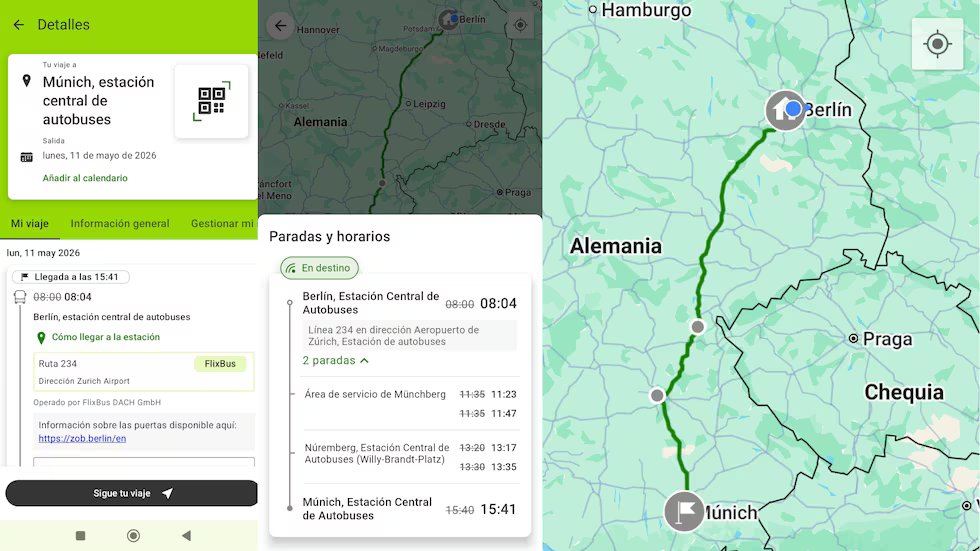
FlixBus responded in an official statement sent to El Comercio, saying that the 14-year-old German company operates in 45 countries and complies with the laws of each country, and Peru is no exception. Its model involves partnering with established local transport operators that fulfill labor and tax obligations and provide services using their own buses and professional drivers. FlixBus stated that it participates in daily operations, planning the route network and frequencies, setting fares, managing ticket sales on the digital platform and at station sales points, providing a traffic control center that tracks buses in transit, and offering support to drivers during journeys, with customer service teams handling passenger matters during and after trips. In the event of an emergency, an incident management team employing internationally validated protocols is activated. Partner companies provide the buses and drivers; FlixBus provides the rest. Each trip is monitored via GPS, and driving times for all buses are recorded by tachographs, with this traceable data available to authorities.
The company stated that it continues to work with authorities and local partners to provide formal, safe, and affordable mobility options for Peruvians and visitors to Peru. Regarding the guild's request for a meeting, FlixBus said it had requested a meeting with Cotrap-Apoip via an official letter in March of this year but had not yet received a response. El Comercio contacted the MTC regarding whether the denial of authorization is final and whether FlixBus still has appeal mechanisms. The agency stated that it is currently in a management transition process and will issue a statement to El Comercio once the new team becomes familiar with industry issues.
Related Products


One-Stop Steward Service for the Entire Logistics System Integration Chain
Zhongding Intelligent (Wuxi) Technology Co., Ltd.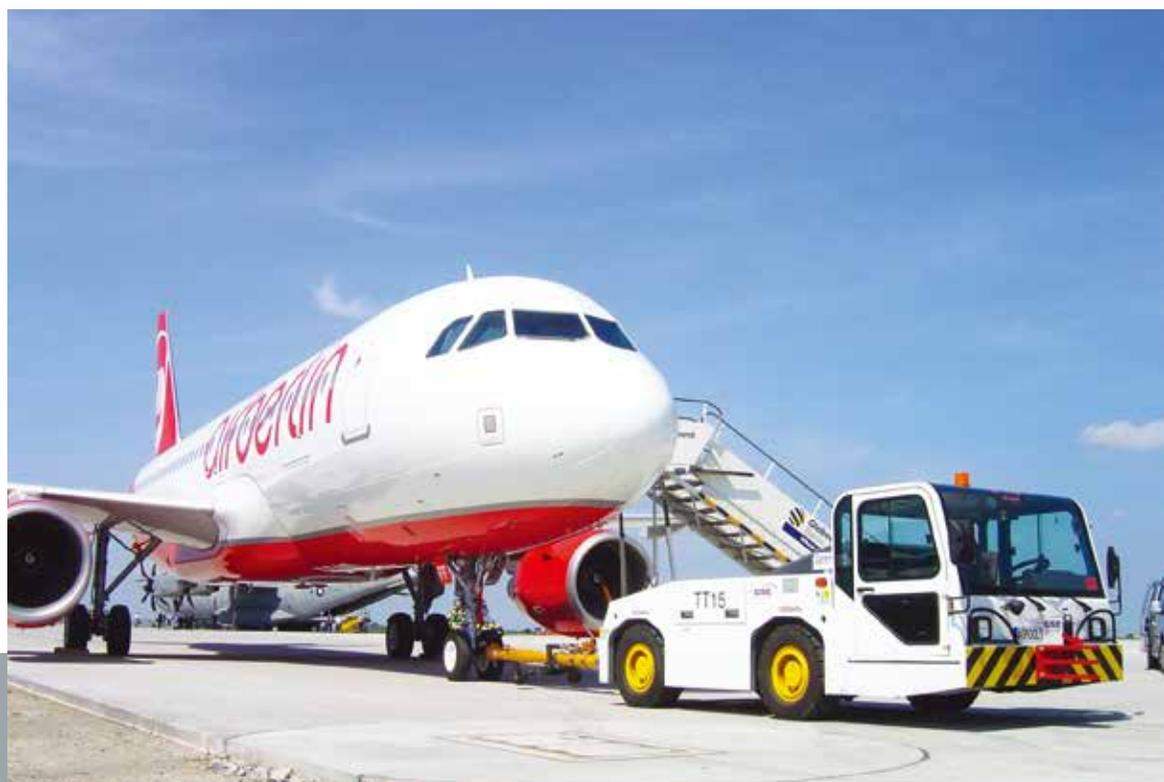
WGQY Series Aircraft Tow Tractor-WGQY15, WGQY27
Weihai Guangtai Airport Equipment Co., Ltd.
Industrial and Commercial Point-Type Gas Detector
Jinan Benan Technology Development Co., Ltd.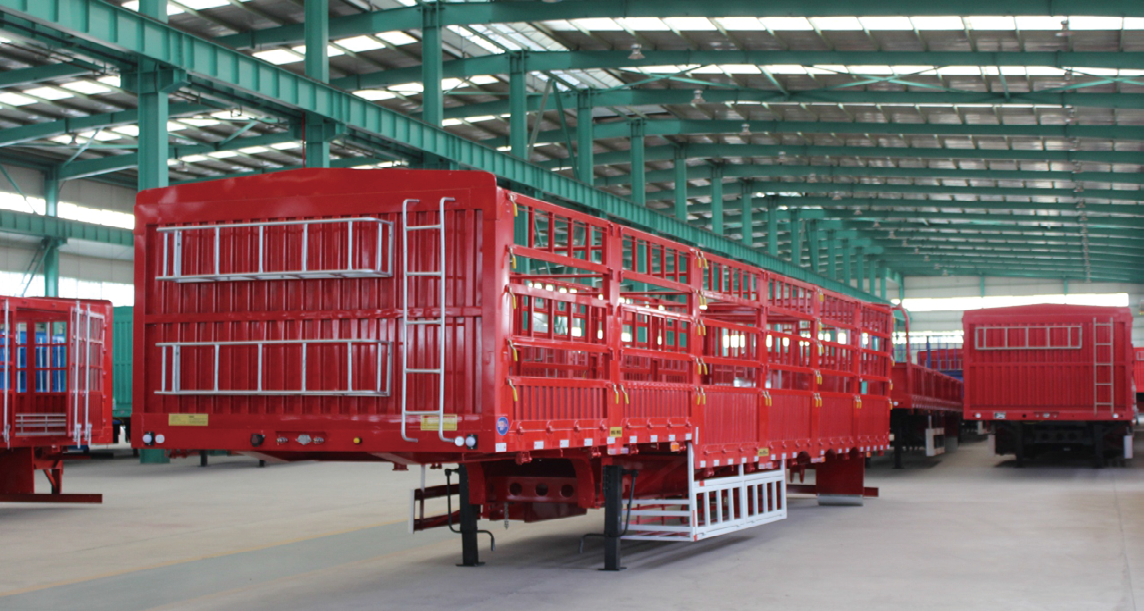

ERW Welded Pipe (Black Pipe and Hot-dip Galvanized Steel Pipe)
Handan Zhengda Steel Pipe Co., Ltd.


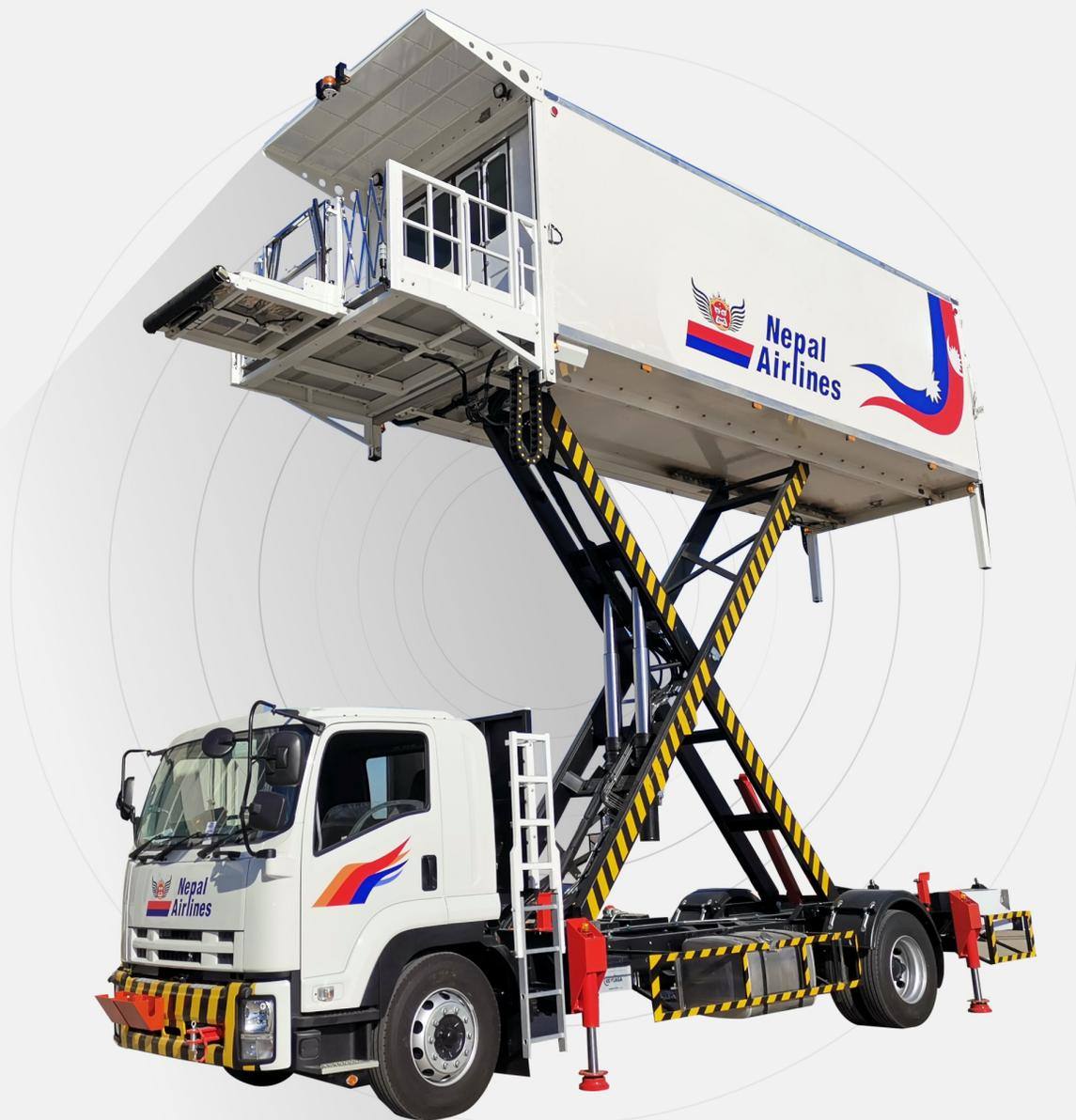
XC-6000e Type Aviation Catering Truck (Fuel Type)
Shenzhen CIMC-TianDa Airport Support Ltd.