en.Wedoany.com Reported - The 33rd GAIKINDO Indonesia International Auto Show opened at the Indonesia Convention Exhibition in BSD City, Jakarta, running until August 9, 2026. As a key barometer of the regional automotive industry, the event sends a clear signal that Southeast Asia is accelerating its transition to zero-emission transportation. Among the more than 65 participating automotive brands, pure electric models and performance-focused debuts drew the highest attention. Dedicated EV manufacturers, regional premieres, and commercial fleet operators are jointly reshaping a market long dominated by internal combustion engines. CleanTechnica arrived on the ground after media day and reports from the show floor.
Honda held the ASEAN premiere of its Super-One compact electric hot hatch at its booth. This lightweight model features a Boost mode button on the steering wheel that temporarily raises power output to 95 hp, paired with a simulated seven-speed paddle-shift transmission and an active sound synthesis system, designed to inject driving fun into urban EV experiences. The Super-One is initially planned for a production run of 100 units for the Indonesian market, sharing center stage with the Prelude sport hybrid concept.
BAIC officially launched the BAIC T1, expanding its Indonesian lineup from traditional rugged SUVs into the fiercely competitive compact crossover segment. Following a successful pre-sale campaign ahead of the launch, the company announced official Indonesian pricing during GIIAS. The T1 is positioned to attract young buyers seeking a modern urban SUV while broadening BAIC's appeal beyond its established off-road customer base. Beijing Automobile Works (BAW), meanwhile, formally entered the Indonesian market by showcasing the M8 electric premium MPV, the D5 new energy vehicle, and the T10 Pro new energy light commercial vehicle, while outlining plans for local CKD assembly.
BYD continues to lead the region's pure electric passenger vehicle segment. In Indonesia, the Shenzhen-based manufacturer is referred to by its full name, "Build Your Dreams." The company displayed its full lineup of consumer-grade EVs, including the Dolphin compact hatchback, the Atto 3 crossover, the Seal sedan, and the M6 electric MPV. The inclusion of the M6 underscores BYD's strategy of targeting Southeast Asian family mobility needs, where multi-seat vehicles remain a primary consideration for car buyers.
Changan made its Indonesian debut with the Deepal S05, launching both pure electric (BEV) and extended-range electric (REEV) versions. This dual-powertrain strategy reflects the company's flexible electrification path, with the range-extender variant using a small gasoline engine solely to generate electricity for the battery. The Deepal S05 also marks the arrival of Changan's premium new energy technology in Indonesia, offering buyers an alternative for those who want the benefits of electric drive while reducing concerns about charging infrastructure and long-distance travel. Changan also formally entered the Indonesian brand market, introducing right-hand-drive electric models to serve the growing local market.
Chery's centerpiece was the Chery Q, a compact pure electric hatchback targeting Indonesia's rapidly growing affordable EV segment. Available in Pure and Rizz trims, the car offers a NEDC range of up to 400 kilometers, DC fast charging from 30% to 80% in 16.5 minutes, and a suite of technology features rarely seen in its class, including 20 advanced driver assistance systems, six airbags, automatic parking assist, a 540-degree surround-view camera, a 6.6 kW V2L vehicle-to-load system, and an IP68-rated battery, with a body constructed from 82% high-strength steel. The Chery Q reflects the growing trend among Chinese automakers to compete through intelligent technology and safety features rather than price alone.
GAC Aion brought its dedicated urban electric platform to the show, focusing on efficient city hatchbacks and multi-passenger electric mobility. Meanwhile, Stellantis-backed Chinese brand Leapmotor celebrated its formal entry into the Indonesian market with the launch of the B10 and C10 electric crossovers, marking another milestone for internationally backed EV ventures entering Southeast Asia's right-hand-drive market.
Great Wall Motor expanded its new energy vehicle lineup at GIIAS 2026 with three significant models. The company unveiled the Ora 5 electric hatchback, along with two special-edition off-road SUVs: the Tank 500 Diesel Black Warrior Edition and the Tank 300 Sand Beige Edition. The showcase highlights GWM's multi-brand strategy, combining pure electric passenger vehicles with premium lifestyle SUVs while consolidating its position across multiple segments.
MG Motor presented a diversified electrification strategy, led by the launch of the ZS Hybrid+. This self-charging hybrid SUV pairs a 1.5-liter gasoline engine with a 136 PS electric motor, a 1.83 kWh battery, and a dedicated three-speed hybrid transmission. The company offered an introductory price of IDR 299.9 million for the first 1,000 buyers, before reverting to the regular price of IDR 329.9 million. MG also continued promoting the MGS5 EV, its rear-wheel-drive electric SUV with a 62.2 kWh battery and a NEDC range of up to 480 kilometers, while the Cyberster electric roadster returned with a new Iris Blue exterior finish and technical refinements, cementing MG's presence in both mainstream and premium electric mobility.
Vietnam-based VinFast showcased one of the most comprehensive pure electric portfolios on the show floor. The company displayed its core consumer crossovers and MPVs, including the VF 3, VF 6, and VF 7, as well as the VF MPV 7. Beyond retail passenger cars, VinFast also introduced commercial electric models designed for urban taxi and shuttle fleet operations, named Nerio Green, Herio Green, and Limo Green. These commercial fleet vehicles are directly tied to the expansion of the V-GREEN regional charging ecosystem, aimed at addressing charging availability along regional transport corridors.
Wuling launched the Aira EV as the successor to its successful Air EV, continuing the brand's focus on affordable urban electric mobility. The Aira EV retains the compact dimensions that made the Air EV popular in Indonesia but adopts a more practical four-door layout, improving passenger access and everyday usability. The model represents Wuling's next-generation entry-level EV strategy, targeting first-time buyers with an emphasis on practicality, convenience, and urban driving.
XPENG expanded its regional presence under the theme "Physical AI For All," focusing on intelligent software integration. The smart EV manufacturer showcased its flagship X9 luxury electric MPV, featuring rear-wheel steering and 800-volt fast charging, alongside the G6 Pro midsize crossover. Having made its Indonesian debut last year, the brand used interactive exhibits to highlight its localized production plans in Java and its autonomous driving software architecture, choosing to emphasize production-ready road mobility and software technology over futuristic flying concepts.
Zeekr, Geely's premium electric sub-brand, made its formal show debut with high-end pure electric crossovers and sedans. Positioned in the luxury EV segment, Zeekr's entry reflects growing confidence in consumer demand for premium electric mobility in Indonesia's major urban centers.
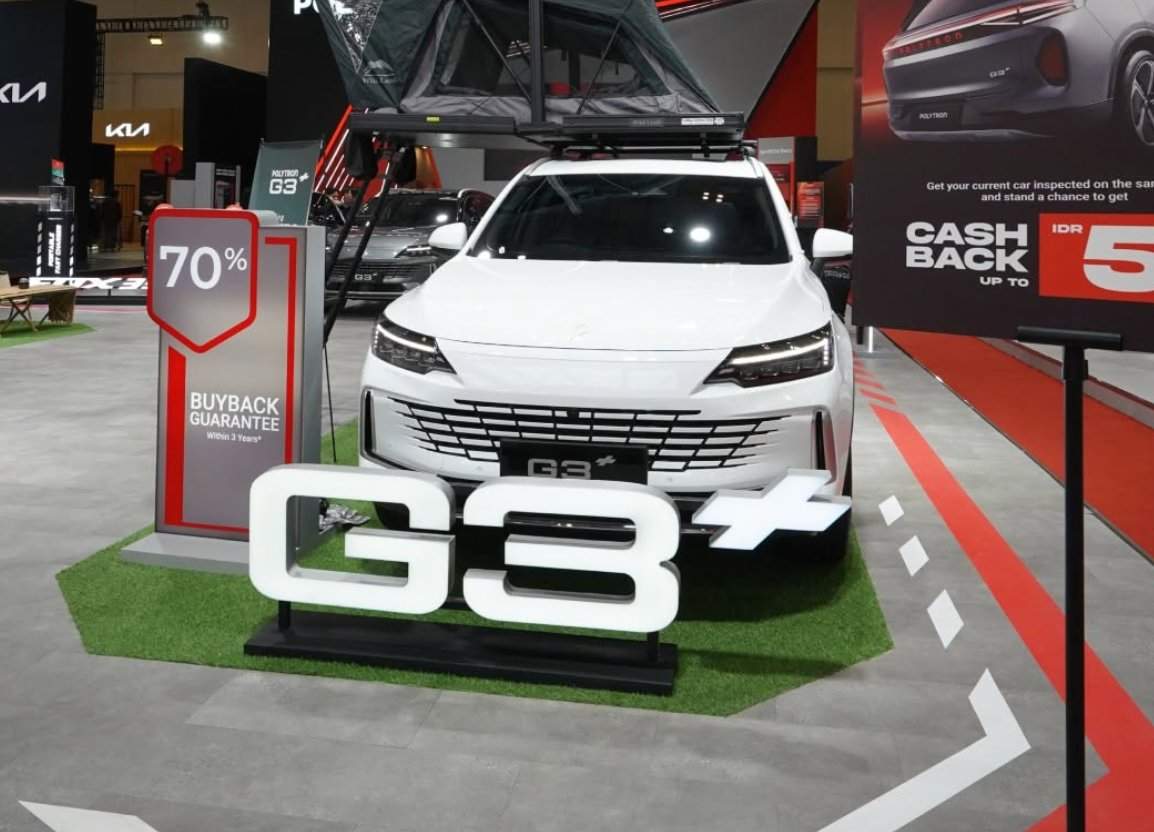
Indonesian electronics and mobility manufacturer Polytron showcased its ambitions on home turf with the launch of the Polytron G3+ Special Collaboration electric SUV. Known nationally for consumer electronics and a rapidly expanding electric motorcycle business, Polytron showcased its four-wheel electric offering with a custom two-tone exterior, carbon fiber trim, and integrated proprietary XBR subwoofer audio hardware. Polytron also highlighted its "Battery as a Service" subscription model, which promises a 70% resale value after three years, aimed at lowering adoption barriers for domestic EV buyers.
The Polytron electric SUV collaboration connects Chinese automotive engineering with Indonesian local manufacturing. The Polytron G3 and G3+ models are directly based on the Skyworth EV6 platform, a vehicle produced by Chinese automaker Skyworth Auto and sold internationally under names such as the Skywell ET5. Polytron's parent, the Indonesian conglomerate Djarum Group, partnered with Skyworth to rebadge, re-engineer, and adapt the vehicle specifically for Southeast Asian consumers. Under this arrangement, Polytron handles localized infotainment software, cabin interior optimization, service infrastructure, and custom audio integration leveraging its proprietary XBR subwoofer technology. Production avoids full vehicle imports through a localized manufacturing strategy. These electric SUVs are assembled in CKD form at the PT Handal Indonesia Motor plant in Purwakarta, West Java. The local supply chain plays a central role in assembly, with Gotion High-Tech Indonesia supplying the battery packs. This localization strategy enables the Polytron G3 and G3+ to meet national manufacturing standards with a localization level of approximately 40%.
New local market entrants and specialized multi-purpose brands also added depth to the pure electric lineup. Indonesian brand Aletra introduced a multi-passenger electric platform designed for local assembly and fleet deployment. Chery's pure electric off-road sub-brand iCAR showcased its V27 adventure crossover, targeting utility and outdoor markets. Solarky also made its show debut, presenting specialized new energy vehicle technology tailored for commercial applications.
The two-wheeler and micro-mobility segments also reflected this commercial and urban zero-emission momentum, with several specialized electric motorcycle manufacturers in attendance. Indonesian companies ALVA and Polytron displayed their latest electric scooters along with battery-swapping network updates. Specialized electric two-wheeler manufacturers including Pacific eBike, Exotic, Kupprum, and NUV brought urban commuter models aimed at the mass market, designed to reduce localized tailpipe emissions in dense metropolitan traffic.
Small-format mobility vehicles and equipment also added diversity to the show, including compact EVs, plug-in hybrids, and specialized light commercial trucks, showcasing the industry's exploration of multi-track transitions toward clean energy.
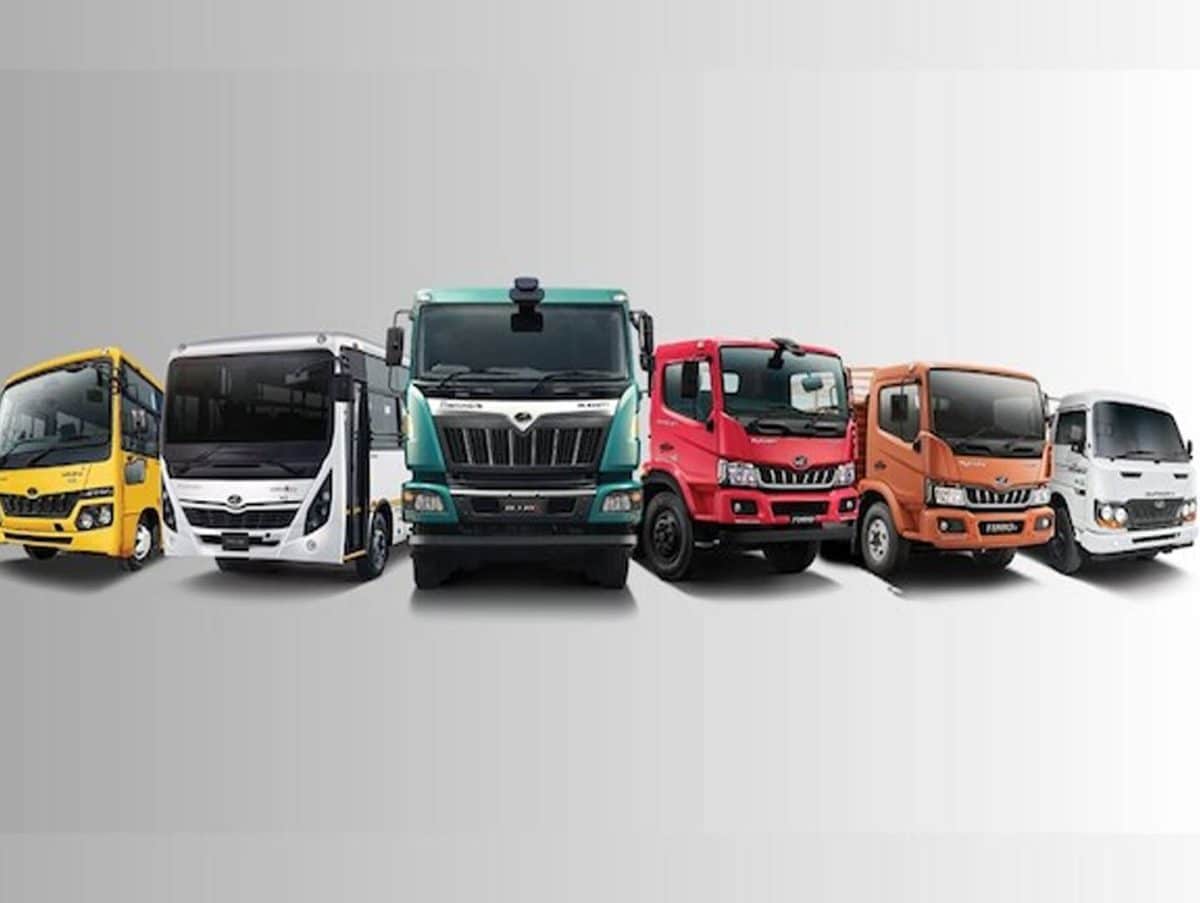
Zero-emission commercial vehicles and logistics fleets played a larger role at this year's show, reflecting broader market recognition that commercial vehicle electrification delivers immediate carbon reductions and operational efficiency gains. Commercial vehicle manufacturers showcased solutions ranging from light delivery vans to heavy-duty industrial electric trucks and municipal buses.
Farizon, Geely's commercial vehicle logistics division, showcased its Super Van electric platform along with light electric trucks and urban vans, highlighting its growing influence in Southeast Asia. Built on a dedicated steer-by-wire chassis architecture, Farizon's electric commercial vehicles are designed to reduce total cost of ownership by more than 50% compared to conventional diesel models in urban last-mile delivery scenarios.
Smart Automated Group (operating as SAG) presented heavy-duty commercial electric bus platforms for municipal transit systems and industrial campus shuttles, emphasizing energy efficiency and high-capacity route operations. Wuling expanded its commercial footprint with the Formo operator commercial platform, positioning its urban electric fleet as a cost-effective tool for inner-city logistics and sales mobility.
Established Japanese commercial vehicle manufacturers also demonstrated how commercial platforms are evolving to meet modern business needs, though none fully embraced electrification or even hybridization.
Despite the significant attention garnered by pure electric brands and commercial fleet operators, established multi-powertrain manufacturers and traditional automakers also presented their transition strategies, heavily emphasizing hybrid systems to bridge the limitations of current regional power grids. Hyundai Motor Group reaffirmed its commitment to local manufacturing with the premiere of its Neira electric multi-purpose vehicle prototype. Designed specifically for the Southeast Asian market, this three-row electric MPV targets high-density family mobility and serves as a cornerstone of Hyundai's broader EV lineup, which includes the IONIQ 5, IONIQ 6, and the large IONIQ 9 SUV. Sister brand Kia complemented the booth with its expanded electric crossover portfolio.
Mitsubishi Motors launched its first locally produced hybrid model in Indonesia, the Xforce HEV, pairing a 1.6-liter Atkinson-cycle gasoline engine with a front electric motor to enable pure electric, series hybrid, and parallel hybrid modes. Mitsubishi also displayed the Outlander plug-in hybrid alongside this new crossover.
Nissan highlighted its e-4ORCE all-wheel-drive X-Trail e-POWER series hybrid technology, along with the Serena e-POWER family MPV. In Nissan's design, the internal combustion engine functions strictly as an onboard generator to charge the battery, with the drive wheels powered entirely by electric motors. Many attendees and media center personnel had expected at least the pure electric Sakura mini EV (available only in right-hand drive, making it well-suited for the Indonesian market) and the Ariya crossover to be displayed, but neither vehicle was shown. CleanTechnica sources at Nissan headquarters indicated that the Sakura is now a Japan-domestic-only model, with domestic demand alone already being a "happy problem."
Toyota expanded its regional hybrid lineup with the official launch of the Land Cruiser HEV, which combines a twin-turbo V6 engine with an electric motor while maintaining full off-road capability. Toyota also showcased its pure electric Hilux BEV commercial multi-purpose prototype to gauge commercial fleet interest.