China Publishes First Catalogue of Essentially Derived Varieties, Marking a Key Step in Seed Industry Innovation Protection
en.Wedoany.com Reported - The seed industry has ushered in an important institutional innovation. With the approval of the State Council, China's Ministry of Agriculture and Rural Affairs recently published the first catalogue for the implementation of the Essentially Derived Variety (EDV) system for agricultural plants. This is a landmark achievement in the revitalization of the seed industry, as it will strengthen intellectual property protection in the sector, better incentivize original breeding innovation, and carry significant and far-reaching implications for the development of the seed industry.
The implementation of the system comes at an opportune time, as China's seed industry is calling for breakthrough varieties. At present, China's agricultural seed supply is self-sufficient with manageable risks. Although there is no shortage of new crop varieties, breakthrough varieties remain insufficient, and there is still a prevalence of cosmetic innovation—essentially "changing a headlight and calling it a new car." In the past, such cosmetic innovation played a certain role in agricultural production, but it also dampened the enthusiasm for original innovation. Today, faced with the pressures of ensuring domestic supply and participating in international competition, we must cultivate more "blockbuster" varieties with core competitiveness. The breeding of new varieties must accelerate its adaptation to the requirements of high-quality development, shifting from quantity growth to quality improvement.
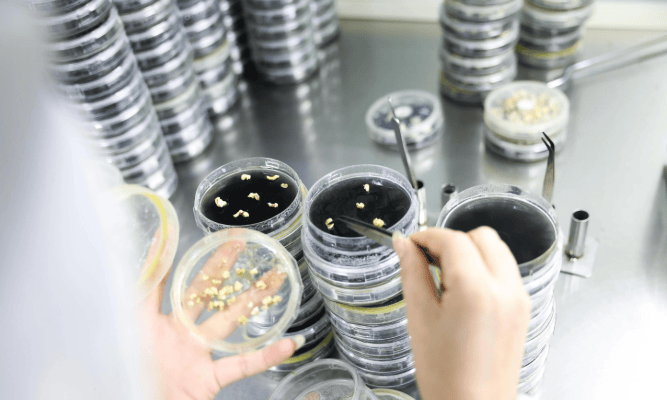
The revitalization of the seed industry hinges on innovation, and the key to innovation lies in protection. Crop breeding is arduous work; developing a new variety requires substantial financial investment and painstaking effort, typically taking 8 to 10 years. If others can take an original variety, make slight modifications or improvements, and commercialize it without acknowledging the contributions of the original breeder or sharing the corresponding benefits, then over time, who would be willing to devote themselves to original innovation? This has long been one of the chronic problems in China's seed industry, and it is an area that must be addressed in the revitalization of the sector.
The implementation of the Essentially Derived Variety system is a natural progression. An essentially derived variety refers to a new variety bred through the modification or improvement of an existing original variety, differing from the original only in a few traits. The establishment of the EDV system requires that, before an essentially derived variety is commercially promoted, permission must be obtained from the holder of the original variety rights, with an agreement to share a certain portion of the benefits. The purpose is to establish a legally protected benefit-sharing mechanism between breeders of modified varieties and holders of original variety rights, which also represents respect for the rights of original variety holders. The Seed Law, newly revised in 2021, established the EDV system. In 2025, the State Council comprehensively revised the Regulations on the Protection of New Plant Varieties, clarifying the implementation steps and methods of the EDV system. Now, the determination of essentially derived varieties requires professional technical appraisal, and with the publication of the implementation catalogue and appraisal guidelines, the framework is complete.

Good institutional innovation both respects market rules and unleashes the vitality of market players. Regarding the distribution of benefits between essentially derived varieties and original varieties, existing laws and regulations do not specify a fixed proportion; it is primarily determined through consultation between the owner of the essentially derived variety and the holder of the original variety rights in breeding practice, with both parties able to allocate benefits based on their respective contributions to the essentially derived variety. It is foreseeable that breeding entities primarily engaged in cosmetic breeding will face significant operational pressure and transitional pain in the short term, while those with original innovation capabilities will gain greater room for development. Overall and in the long run, the industry will benefit enduringly from this system.
The Essentially Derived Variety system is an important institutional design that the industry has anticipated for years and that aligns with international practices. The first EDV implementation catalogue covers 10 crops, and in the future, the scope of crops covered will be gradually expanded through legal procedures as appropriate, until all agricultural plant genera and species are included. Breeding researchers should seize the opportunity to make preparations in breeding directions, technical routes, and compliance management, and apply for new plant variety rights as soon as possible after achieving major breeding breakthroughs and developing original innovative varieties. This system provides stable expectations for all parties, facilitating the sharing and cooperation of breeding materials among breeders and promoting joint breeding and collaborative innovation.
A historic step has been taken, and the industry will change accordingly. On the journey of the 15th Five-Year Plan that has already begun, China will accelerate the full-chain, full-process supervision of the seed industry, employing legal, economic, technical, and administrative means, and focusing on synchronized efforts in legislation, judiciary, law enforcement, and management. By strengthening intellectual property protection and effectively purifying the market environment of the seed industry, breeders will gain greater confidence, thereby cultivating more breakthrough varieties.
Related Products


714CD Series C-Band Weather Radar
Chengdu Zhongdian Jinjiang Information Industry Co., Ltd.
Industrial and Commercial Point-Type Gas Detector
Jinan Benan Technology Development Co., Ltd.
4HS-8 High-efficiency Peanut Inverted-laying Harvester
Hebei Yongfa Hongtian Agricultural Machinery Manufacturing Co., Ltd.