Iran Threat Escalates, Oil Tanker Traffic Through Strait of Hormuz Falls to Two-Month Low
en.Wedoany.com Reported - Ship traffic through the Strait of Hormuz remains at its lowest level in more than two months, as a rise in attacks on vessels in the region continues to threaten shipping safety. According to ship tracking data, traffic through this critical waterway remained sluggish as of Tuesday this week.
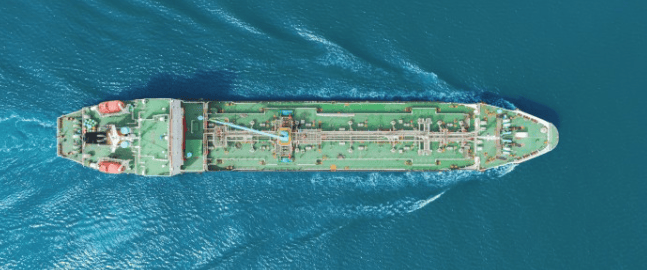
From mid-June to early July this year, traffic through the Strait of Hormuz saw a brief rebound as a preliminary memorandum of understanding between the U.S. and Iran, which failed to hold, temporarily opened the chokepoint. Traffic of various vessels, including bulk commodity carriers, fell back to a two-month low by the end of July. Despite U.S. efforts to ease tensions by lowering oil prices and announcing the resumption of negotiations with Iran, traffic has yet to recover.
Over the past two weeks, the security situation in the region has further deteriorated. Iran has sought to strengthen its control over vessels transiting the Strait of Hormuz, while the Iran-backed Houthi militants have simultaneously threatened shipping linked to Saudi Arabia in the Red Sea and the Bab el-Mandeb Strait leading to the Arabian Sea. Ship tracking data monitored by Bloomberg shows that current transit conditions leave tanker owners facing a difficult choice: passing through the waterway in so-called "dark mode" with their Automatic Identification Systems switched off, or abandoning the transit altogether, or even refusing to risk entering the area.
Over the weekend, the very large crude carrier (VLCC) "Egypt Prosperity" abandoned its attempt to exit the Persian Gulf after receiving a direct radio threat. The vessel's crew also reported hearing explosions near the ship. The relevant security alert was issued by a security consultancy, and Bloomberg News obtained the contents of the alert.
Analysts at security and ship tracking firms told the BBC this week that threats to shipping in the Gulf and Red Sea have escalated to the most severe level since the start of the Iran war. Matthew Wright, an analyst at ship tracking firm Kpler, told the BBC: "In terms of the threat to crude oil trade, we are in the worst period since the outbreak of this crisis."
Related Products
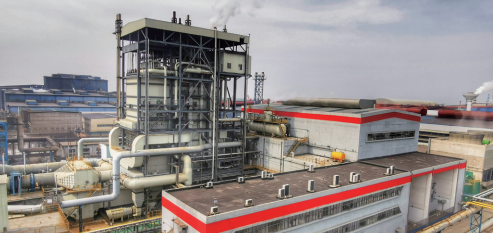

Jiujiang Pinggang 125MW Subcritical Gas Power Generation Project
Capital Engineering & Research Incorporation Limited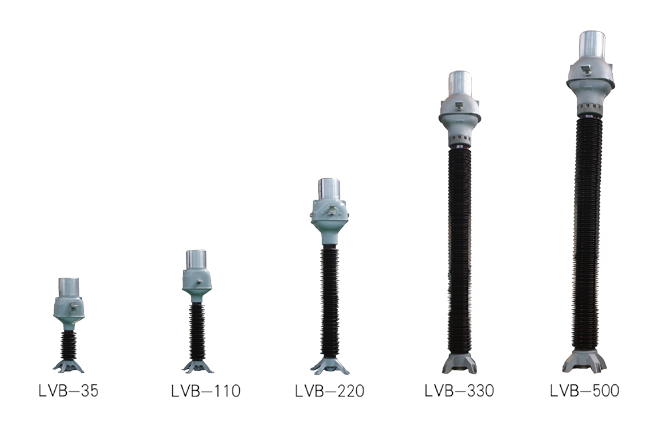
LVB Series 35-500kV Oil-immersed Inverted Current Transformer
Shandong TaiKai Instrument Transformer Co., Ltd.
TAI Slew-drive Single-axis Independent 1P Tracking Bracket System
ANTAI TECHNOLOGY CO., LTD.
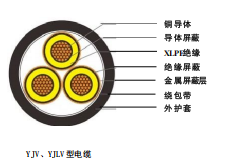
Rated Voltage 6-35kV Cross-linked Polyethylene Insulated Power Cable
TONGDING INTERCONNECTION INFORMATION CO., LTD.
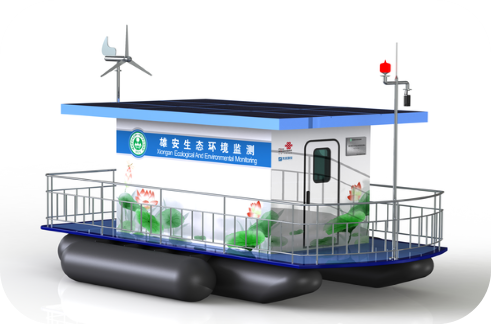
Floating Boat Water Quality Automatic Monitoring System
Hebei Sailhero Environmental Protection High-tech Co., Ltd.