TotalEnergies and BluEnergies Accelerate Exploration of Liberia's Harper Basin, with 17.9 Billion Barrels of Resources
en.Wedoany.com Reported - TotalEnergies and BluEnergies are accelerating pre-exploration work in Liberia's Harper Basin, where unrisked potential resources are estimated at 17.9 billion barrels of oil and 28.8 trillion cubic feet of natural gas, with technical assessments having reached interim milestones.

The Harper Basin encompasses blocks LB-26, LB-30, and LB-31, falling under Exploration License RL-003, located offshore Liberia, covering a total area of approximately 8,924 square kilometers. TotalEnergies, as operator, holds a 65% interest, while BluEnergies holds a 35% interest. The two parties signed a joint study and application agreement in January 2026, following BluEnergies' acquisition of early-stage interests in the basin in 2023 and its completion of an independent prospectivity assessment.
The basin remains undrilled to date, but its location shares common geological characteristics with some of Africa's newest deepwater hydrocarbon systems. An independent prospective resources assessment completed in March 2025 indicated unrisked potential resources of approximately 17.9 billion barrels of oil and 28.8 trillion cubic feet of natural gas across seven mapped basin-floor fan systems.
Current technical work is focused on two fronts. First, utilizing energy data and intelligence company TGS to reprocess 6,167 square kilometers of legacy 3D seismic data—a program approximately 50% complete—aimed at improving subsurface imaging and enhancing amplitude-versus-offset analysis to identify potential hydrocarbon-bearing reservoirs. Second, offshore operations commenced on June 19, 2026, with subsurface specialists GeoPartners deploying the research vessel R/V GYRE, operated by TDI-Brooks, to survey approximately 4,045 square kilometers across water depths ranging from 500 to 3,500 meters. Operations include multibeam echo sounder mapping, water-column imaging, piston coring, and heat-flow measurements, used to identify seepage pathways and characterize source rock maturity.
Once economically viable anomalies are confirmed, TotalEnergies and BluEnergies plan to exercise their rights by the end of 2026 or in 2027 to convert the exploration license into a long-term production sharing contract (PSC). This step would legally secure drilling rights, with subsequent advancement still subject to prospect maturity, regulatory approvals, and investment decisions.
Geologically, the Harper Basin differs from Liberia's historically explored offshore basins. It lies within a structurally constrained transform margin embayment, bounded by major fracture zones, where sediment delivery is concentrated to form thick basin-floor fan complexes. These Cretaceous Cenomanian and Turonian fan systems are regarded as direct geological analogs to discovered deepwater hydrocarbon systems along the West African transform margin. BluEnergies has identified seven discrete basin-floor fan complexes from seismic data, and the current technical program aims to validate reservoir quality.
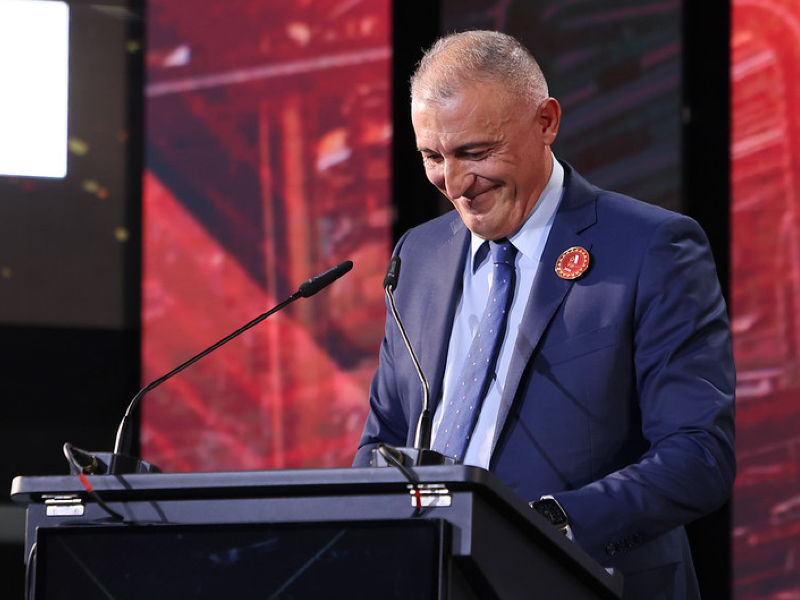
BluEnergies' Vice President of Exploration, Sergio Laura, stated that recent licensing activity along the West African margin validates the company's early positioning in the Harper Basin. In a press release, he noted that discoveries at Ghana's Jubilee field, Namibia's Venus field, and offshore Côte d'Ivoire all underscore the importance of basin-floor fan hydrocarbon systems along the African margin. Unlike Liberia's earlier exploration approach, which focused primarily on structural traps, the Harper Basin targets stratigraphic pinch-out reservoirs beneath regional marine shales, reducing reliance on fault-dependent trapping mechanisms.
If the current technical program confirms reservoir quality, the Harper Basin could transform Liberia from one of West Africa's least-explored offshore jurisdictions into a frontier hydrocarbon province of significant interest. The next phase of focus is no longer trap identification, but rather determining whether these prospects warrant drilling Liberia's first deepwater exploration wells.
Related Products


Industrial and Commercial Point-Type Gas Detector
Jinan Benan Technology Development Co., Ltd.
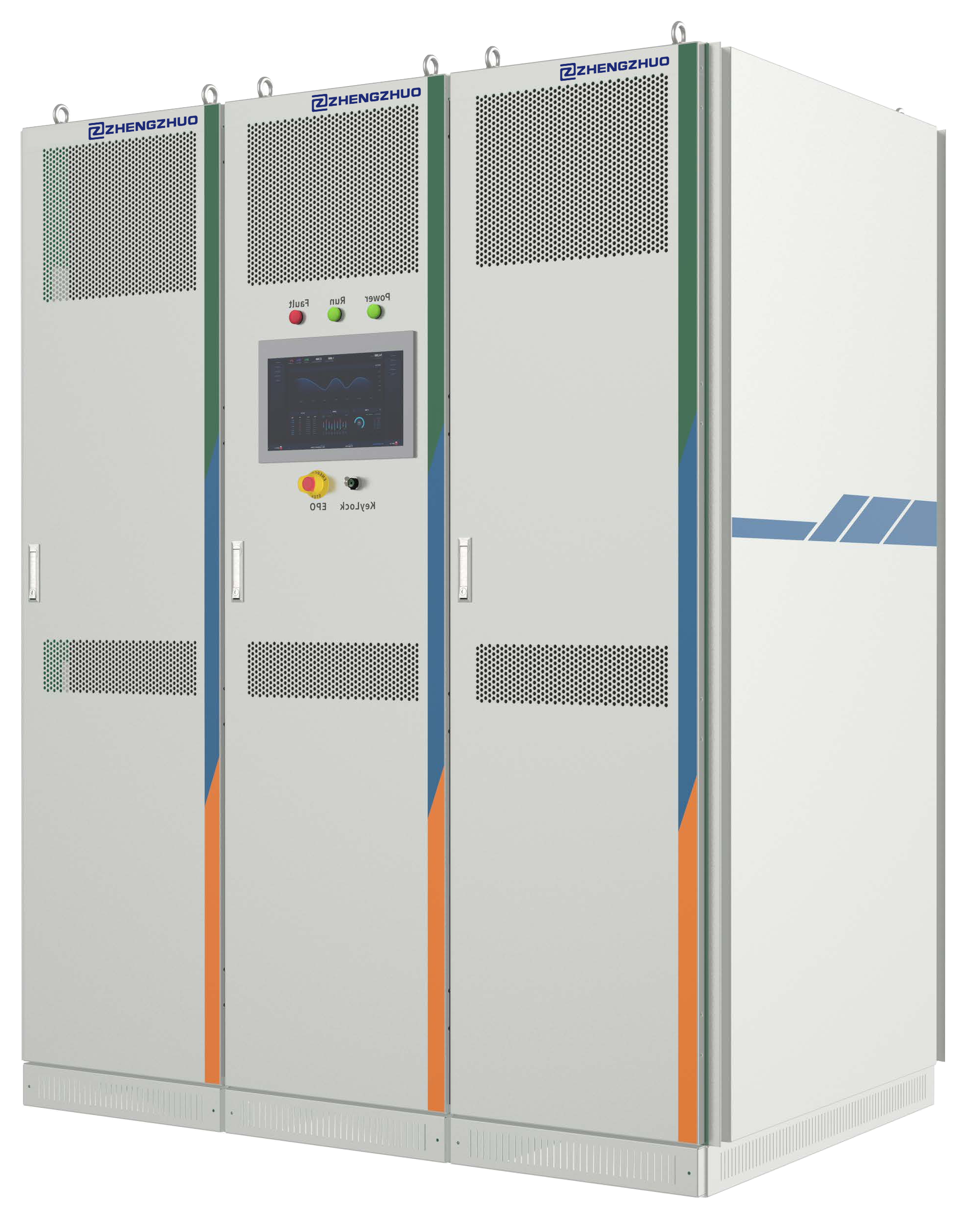
IGBT Hydrogen Production Power Supply - High Power Air Cooling
Beijing Zhengzhuo Engineering Technology Co., Ltd.
KYN28A-12 Metal Armored Removable Switchgear
Tianjin Ping Gao Intelligent Electric Co., Ltd.
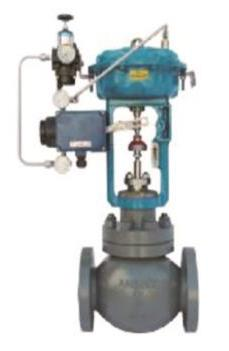
Quick-Change Single-Seat Control Valve / Quick-Change High-Pressure Single-Seat Control Valve
Beijing Consen Automation Technology Co., Ltd.
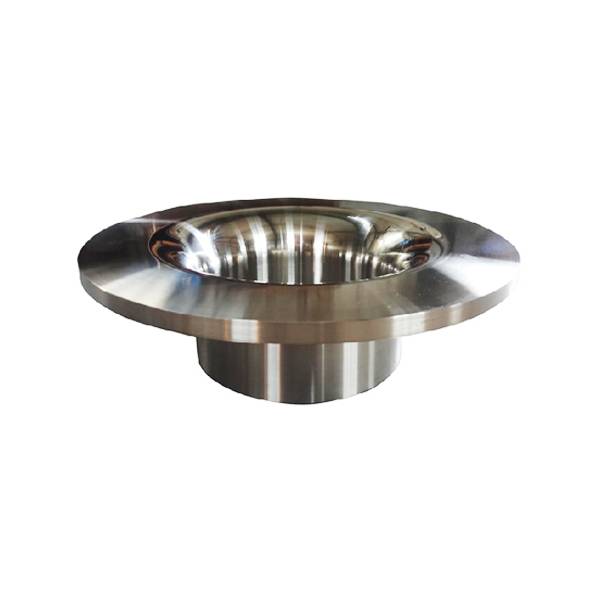
Standard Nozzle Flowmeter
Jinggong Automatic Control Instrument Complete Technology Development Company