Bifacial Solar Panels Deliver 5%-30% Generation Gains in Australia, Additional Costs Need Assessment
en.Wedoany.com Reported - Bifacial solar panels, which generate electricity from both the front and rear sides, are gaining attention in Australia's residential photovoltaic market. According to statistics from the Clean Energy Council, more than 4 million households and businesses in Australia have already installed rooftop solar systems. As one of the sunniest countries in the world, Australia regards solar energy as a relatively attractive investment direction, and the market continues to see demand for higher-performance solar technologies.
Unlike traditional monofacial panels that generate power only from the front, bifacial panels replace the opaque backsheet with transparent glass, allowing rear-side cells to capture sunlight reflected from surrounding surfaces such as white roofs, concrete, sand, or gravel. The additional power output mainly depends on installation height, ground reflectivity, panel tilt angle, mounting system, and shading levels. The Clean Energy Council's industry guidelines indicate that the performance gain of bifacial panels depends largely on installation design rather than merely on panel selection differences.
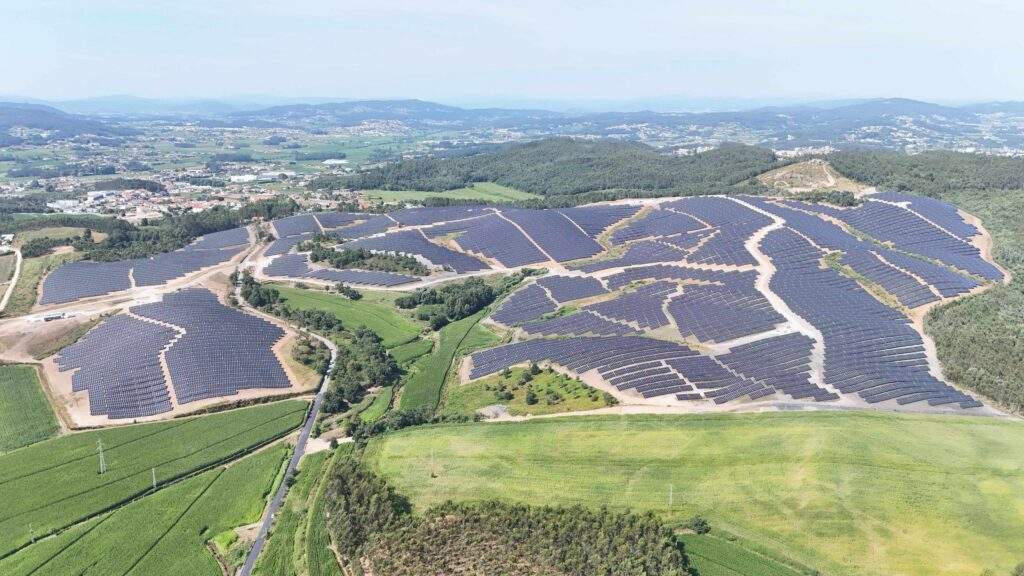
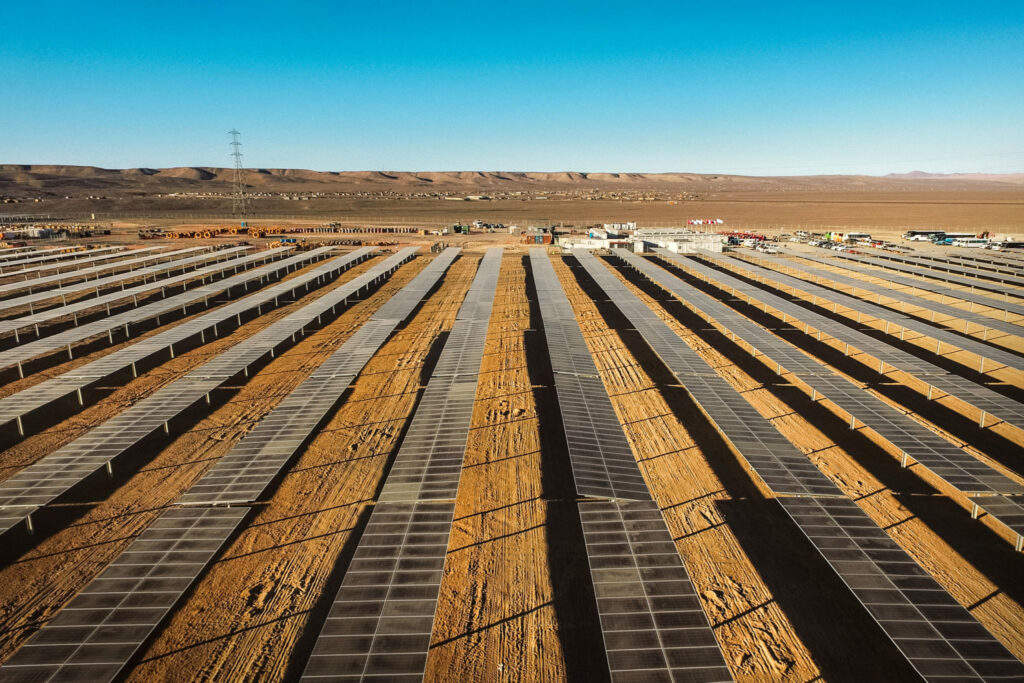
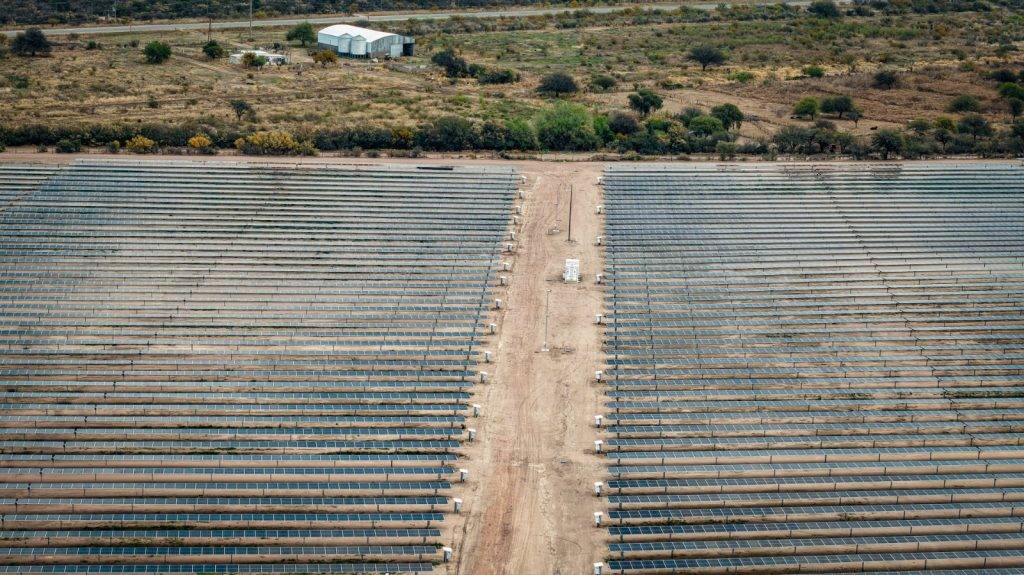
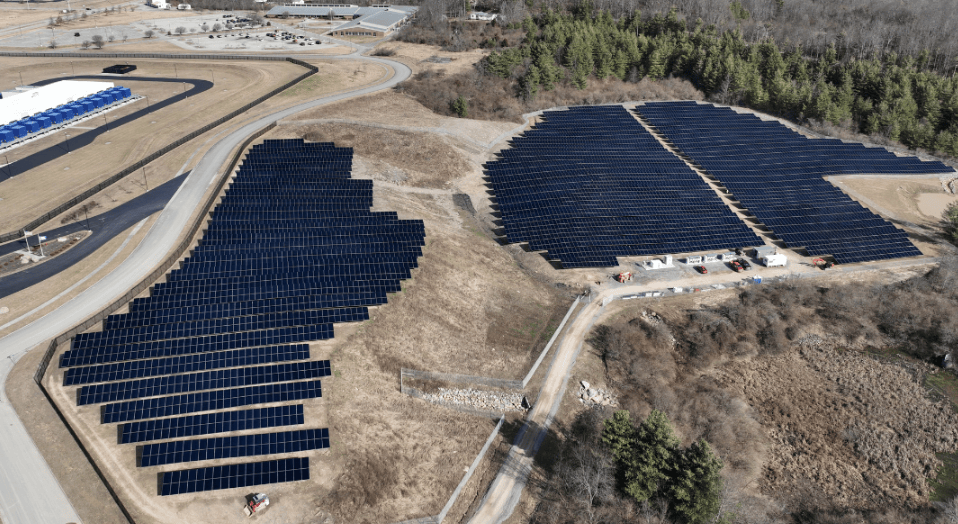
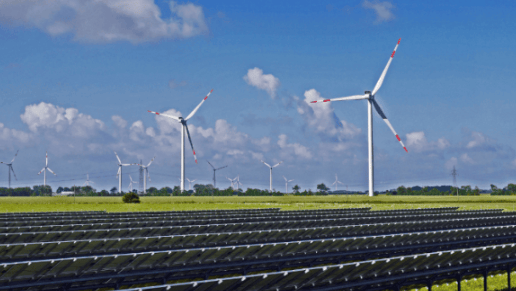
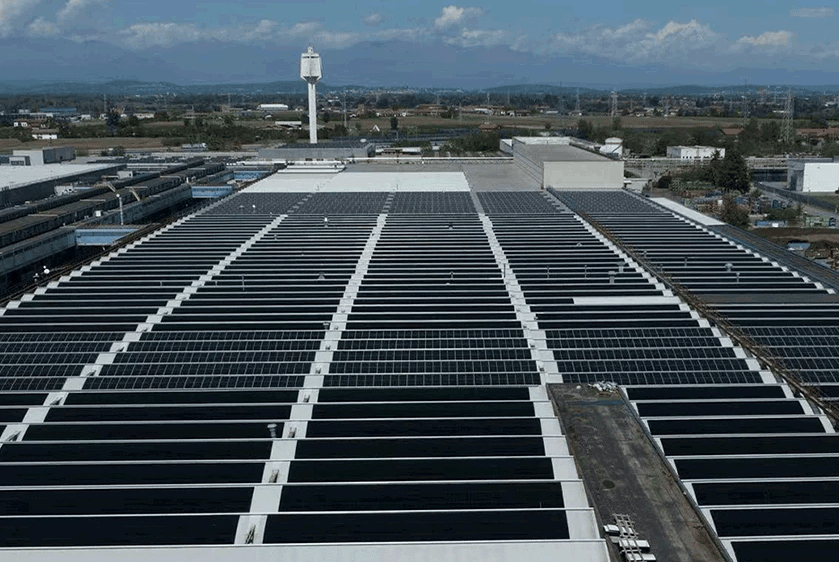
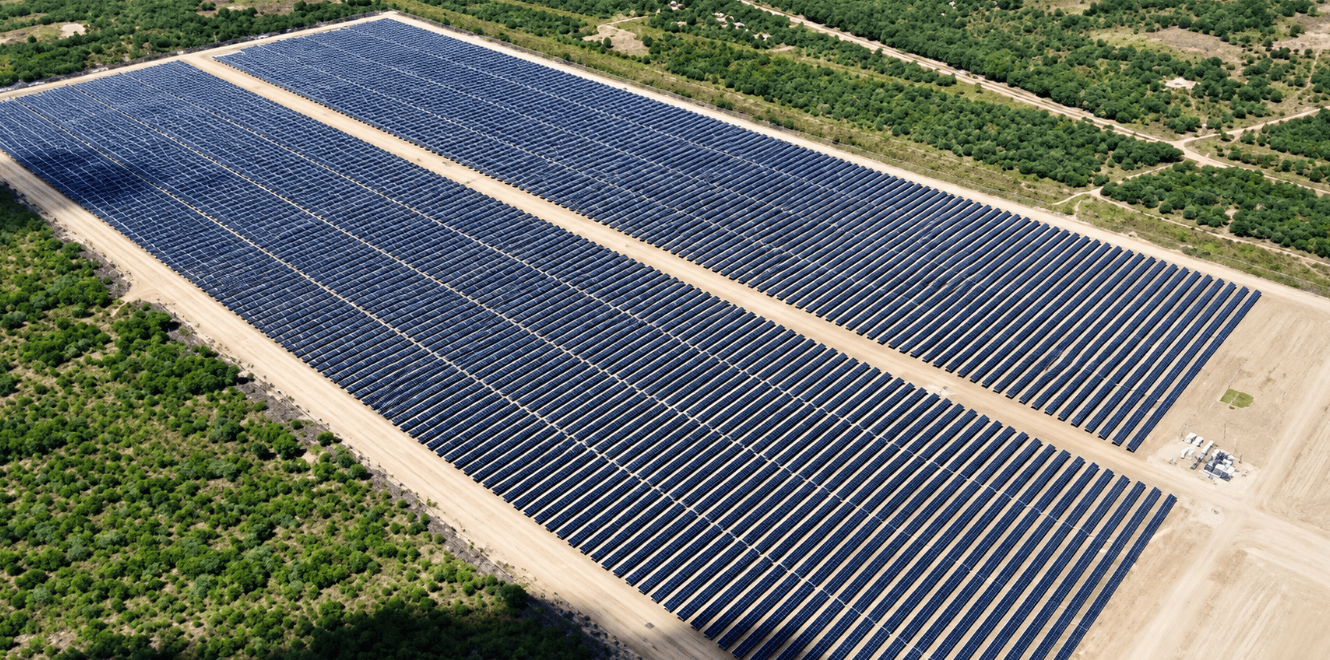
Under ideal installation conditions, bifacial panels can increase power generation by 5% to 30% compared with monofacial panels. Most residential rooftop systems achieve gains near the lower end of this range, while commercial ground-mounted systems typically see larger improvements. Elevated installations, light-colored roofs, or sites with reflective surfaces nearby are more likely to benefit. Carports, pergolas, flat roofs, ground-mounted systems, commercial PV arrays, and solar farms are all typical application scenarios; for traditional pitched-roof homes, the rear-side gain is relatively limited due to restricted sunlight reaching the back of the panel.
In terms of cost, bifacial panels are generally priced higher than monofacial products due to their dual-glass structure and more advanced manufacturing processes. Actual expenses are influenced by factors such as cell technology, brand, system size, and installation complexity. Evaluating such investments should involve comparing total lifetime power generation rather than panel prices alone. Installers can simulate expected gains based on roof orientation, shading, and installation design, and some installers recommend requesting quotes for both monofacial and bifacial options to compare projected annual output. The dual-glass structure also provides better moisture resistance, corrosion resistance, and protection against environmental damage, which helps extend panel service life.
Whether to choose bifacial panels ultimately depends on specific installation conditions. Reflective ground surfaces, elevated mounting systems, a goal of maximizing long-term power generation, and commercial properties are scenarios better suited to bifacial solutions; where severe roof shading, panels mounted flush against dark roofing materials, or budget constraints are priorities, high-quality monofacial panels remain a reasonable choice.
Related Products


G.652.D Wavelength-extended Non-dispersion Shifted Single-mode Optical Fiber
HONGAN GROUP CO., LTD.
IGBT Hydrogen Production Power Supply - High Power Air Cooling
Beijing Zhengzhuo Engineering Technology Co., Ltd.
72.5kV 1250A 31.5kA SF6 free Gas-insulated Metal-enclosed Switchgear
Zhejiang Juhonkia Intelligent Electric Co., Ltd.
220kV and Below Voltage Level Energy-saving Oil-immersed Power Transformers
FuZhou TianYu Electric Co., Ltd.
Off-Grid Fuel Cell Supercharging Station (180kW Configuration)
Shanghai REFIRE Group Limited