Morocco invests €1.3 billion in Casablanca waste-to-energy project
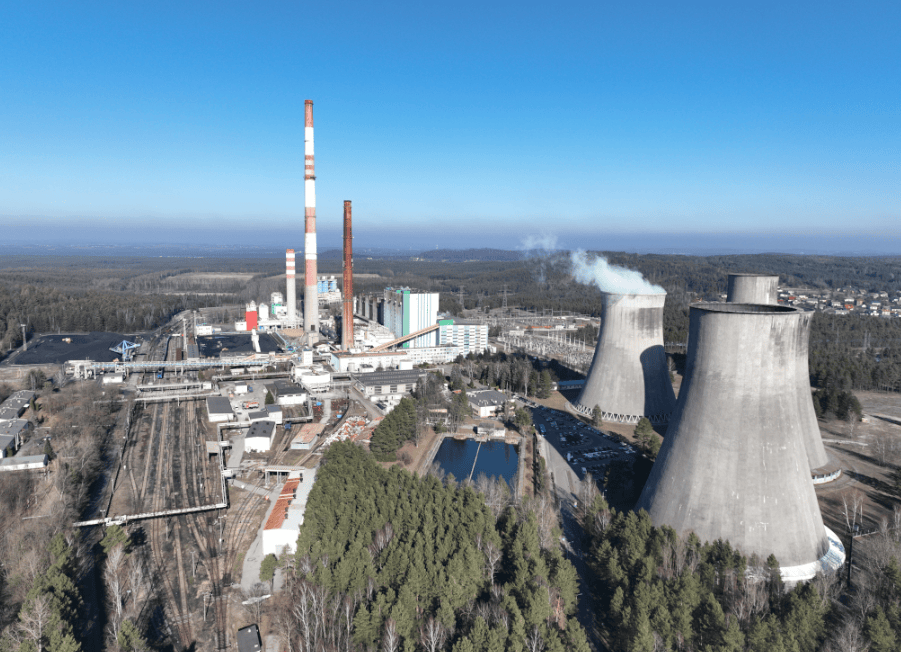
en.Wedoany.com Reported - Morocco will build its first integrated waste-to-energy facility in Casablanca, with a project investment of approximately €1.3 billion. Once completed, it will process 1.5 million tonnes of municipal waste annually and generate around 1 terawatt-hour of electricity. This infrastructure is ranked among Africa's largest waste-to-energy projects, aiming to reduce reliance on landfill disposal and support Morocco's energy transition.
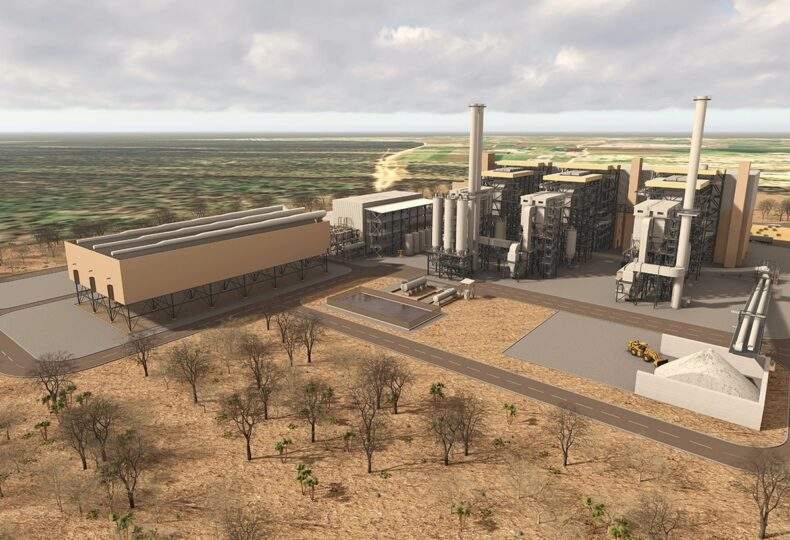
The project is being developed in partnership between Swiss company Kanadevia Inova, Moroccan company Nareva, and Japanese company Itochu. The partners have signed a concession contract with the Casablanca municipal government, as well as power sales agreements with SRM Casablanca-Settat and the National Office of Electricity and Drinking Water (Office National de l'Électricité et de l'Eau Potable). The facility will be built near the Médiouna landfill, which is considered one of Africa's largest methane emission sites, and the project will transform municipal waste management for more than 4.2 million people in the Greater Casablanca region.
The facility has a concession period of 33.5 years and is designed to process approximately 1.5 million tonnes of waste annually, increasing the waste recycling rate to around 80% while reducing reliance on landfill disposal. The power plant will have an installed capacity of approximately 126 megawatts, supplemented by a 50-megawatt-peak solar photovoltaic installation and a 4-megawatt landfill gas recovery system, generating enough energy to power nearly 1 million residents.
The project launch comes at a time of growing electricity demand in Morocco, which is expected to increase by approximately 3% per year through 2030. Diverting waste from landfills to energy recovery will reduce greenhouse gas emissions, particularly through lower methane emissions and electricity production.
Kanadevia Inova, citing research from the Intergovernmental Panel on Climate Change (IPCC) and the European Commission, notes that diverting waste from landfills to waste-to-energy facilities avoids 0.5 to 1 tonne of CO2-equivalent emissions per tonne of waste processed, thanks to methane reduction, energy production, and material recovery.
Beyond environmental benefits, this infrastructure will also contribute to the local economy. The operational phase will create approximately 140 permanent technical jobs; the expected 3.5-year construction period will involve around 1,240 workers, with an additional 300 or so jobs related to supporting infrastructure. The project will also be prepared for future integration of carbon capture and storage (CCS) technology, in line with Morocco's long-term decarbonization goals.
Related Products


Industrial and Commercial Point-Type Gas Detector
Jinan Benan Technology Development Co., Ltd.
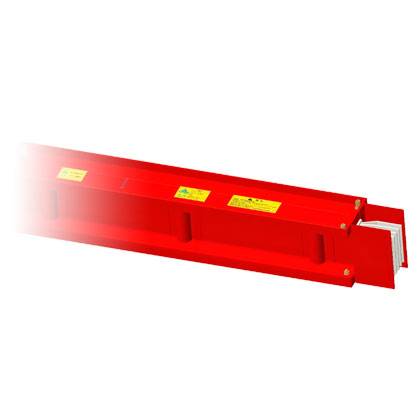
Mineral-insulated Compact Busway (Fire-resistant Busduct)
Zhuhai Guangle Electric Busway Co., Ltd.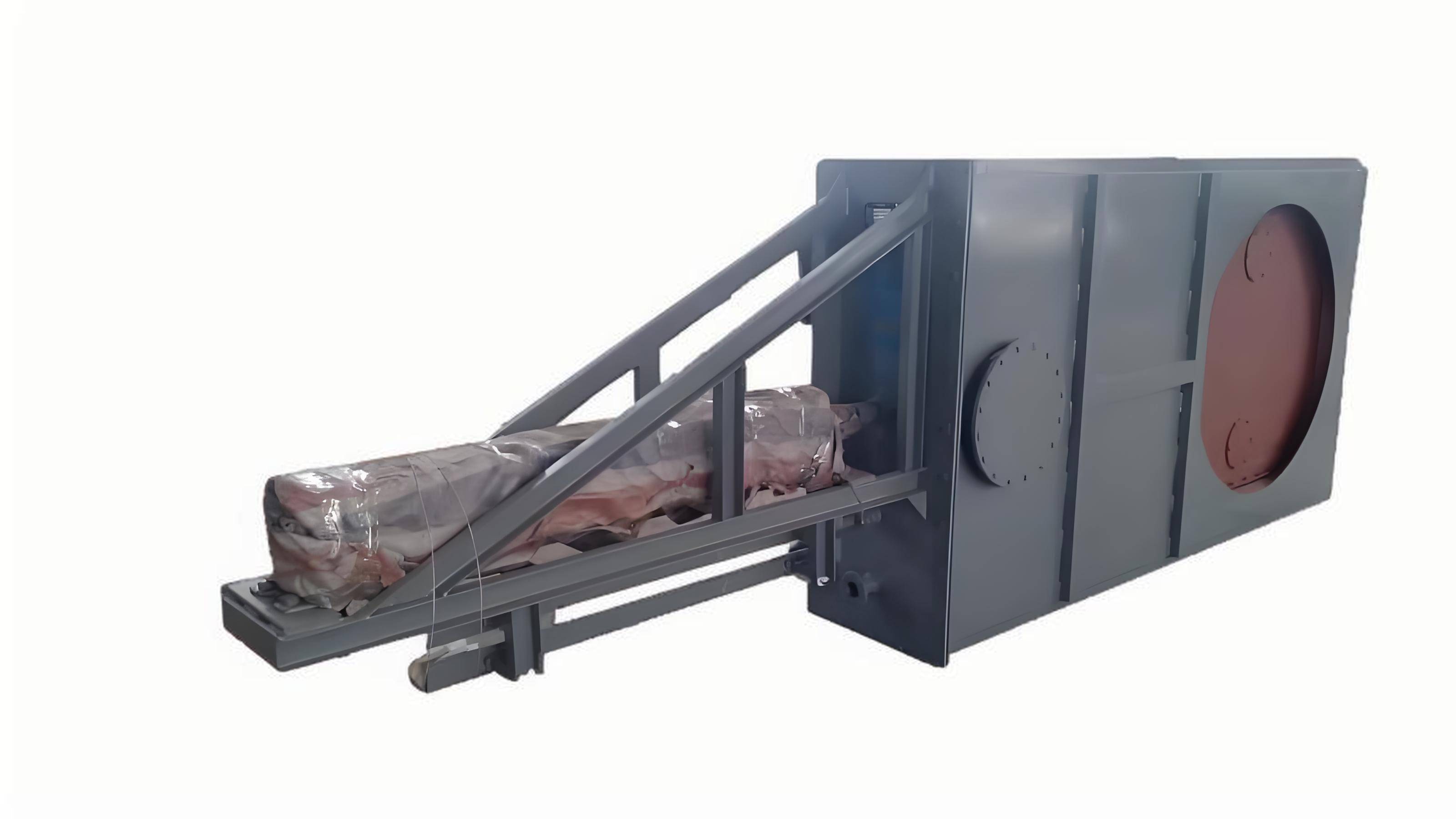
Double-slide Triple-sealed Hot Air Isolation Door
Xi'an Yingchuan Electric Power Equipment Co., Ltd.
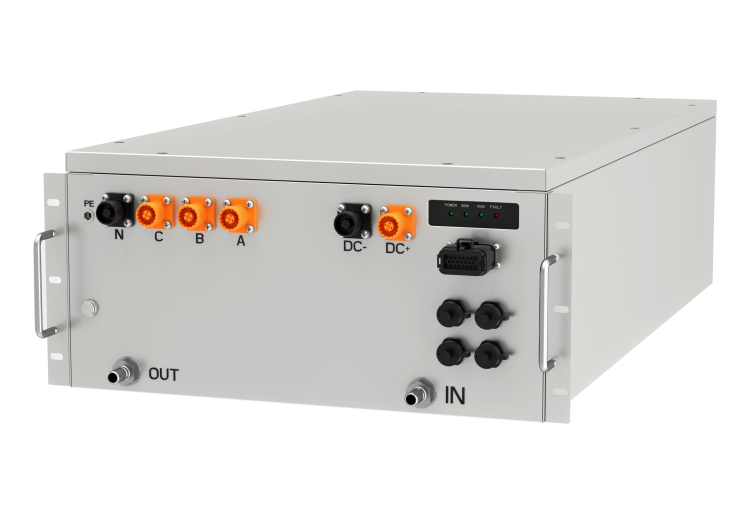
Mars (Liquid Cooling) Series Industrial and Commercial Energy Storage Converter High Protection Module
Shenzhen Winline Technology Co., Ltd.