Nigeria Advances West African Fuel Pricing and Trading Hub
en.Wedoany.com Reported - On August 11, the Nigerian Midstream and Downstream Petroleum Regulatory Authority proposed accelerating the development of a regional fuel pricing benchmark and trading hub at the West African refined products market conference. The system will leverage new refining capacity, such as the Dangote Refinery, as a supply base to expand price discovery and regional trading volumes for refined products in West Africa.
The conference was held in Nigeria from August 11 to 12, co-organized by the Nigerian Midstream and Downstream Petroleum Regulatory Authority and S&P Global, with agenda items covering infrastructure financing for refined product markets, regional price benchmarks, regulatory collaboration, and market transparency. Over the past year, the two parties have collaborated on price assessments and regional trading markets for refined products in West Africa.
The Dangote Refinery, with a daily capacity of 650,000 barrels, began operations in 2024, and its gasoline, diesel, aviation fuel, and other refined products have entered markets including Nigeria, Togo, Côte d'Ivoire, and Ghana. Lekki, where the refinery is located, is gradually becoming a pricing hub for refined products in Nigeria, while the ship-to-ship trading market offshore Lomé, Togo, has also attracted more buyers and sellers.
Among the 16 countries in West Africa, only Côte d'Ivoire, Ghana, Niger, Nigeria, and Senegal previously had refining capacity. In 2023, the region's nominal refinery capacity was approximately 620,000 barrels per day, with actual refined product output of about 200,000 barrels per day; during the same period, demand approached nearly 1 million barrels per day, leaving a supply-demand gap of close to 800,000 barrels per day, largely supplied by markets in Northwest Europe, Russia, India, and Spain.
Platts, a division of S&P Global, launched multiple price assessments for West African refined products in early 2025, covering offshore gasoline and low-sulfur diesel in Lagos and Lekki, as well as ship-to-ship gasoline and diesel trades offshore Lomé. West African refined product trade previously referenced Amsterdam–Rotterdam–Antwerp and Mediterranean market prices, while the new assessments have begun tracking actual waterborne transactions within the Gulf of Guinea region.
The regional trading hub will subsequently require additional pipelines, storage tanks, port and offshore logistics facilities, as well as the development of digital trading systems. West African countries also need to harmonize refined product quality standards, operating licenses, and cross-border trade rules to reduce regional transportation and transaction costs arising from regulatory disparities.
Related Products

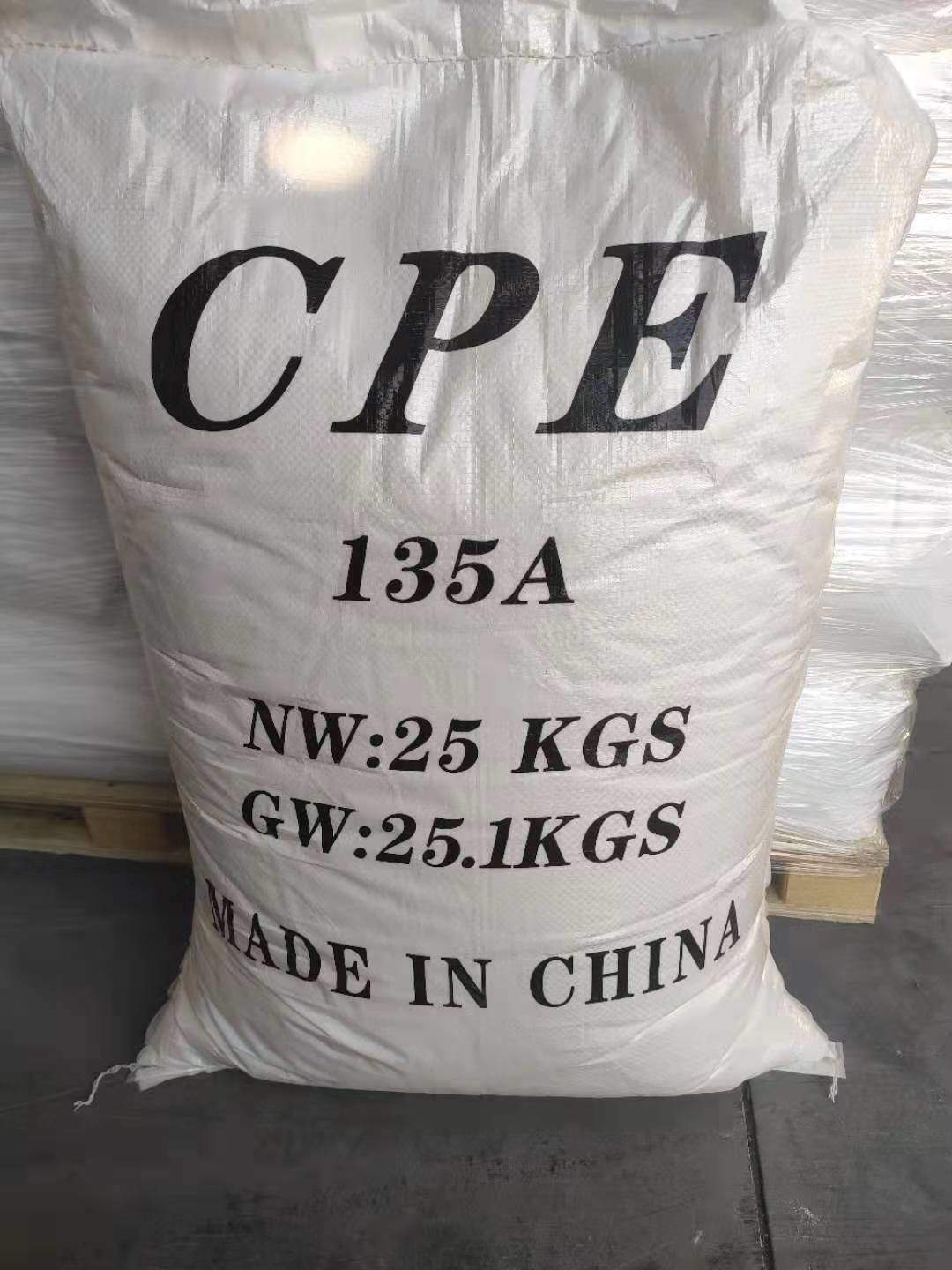
PVC Impact-Modified Chlorinated Polyethylene
Gansu Jinchuan Hengxin Polymer Technology Co., Ltd.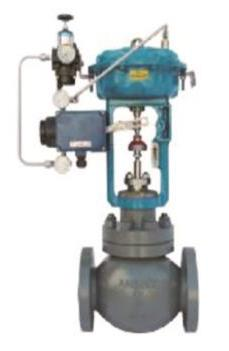
Quick-Change Single-Seat Control Valve / Quick-Change High-Pressure Single-Seat Control Valve
Beijing Consen Automation Technology Co., Ltd.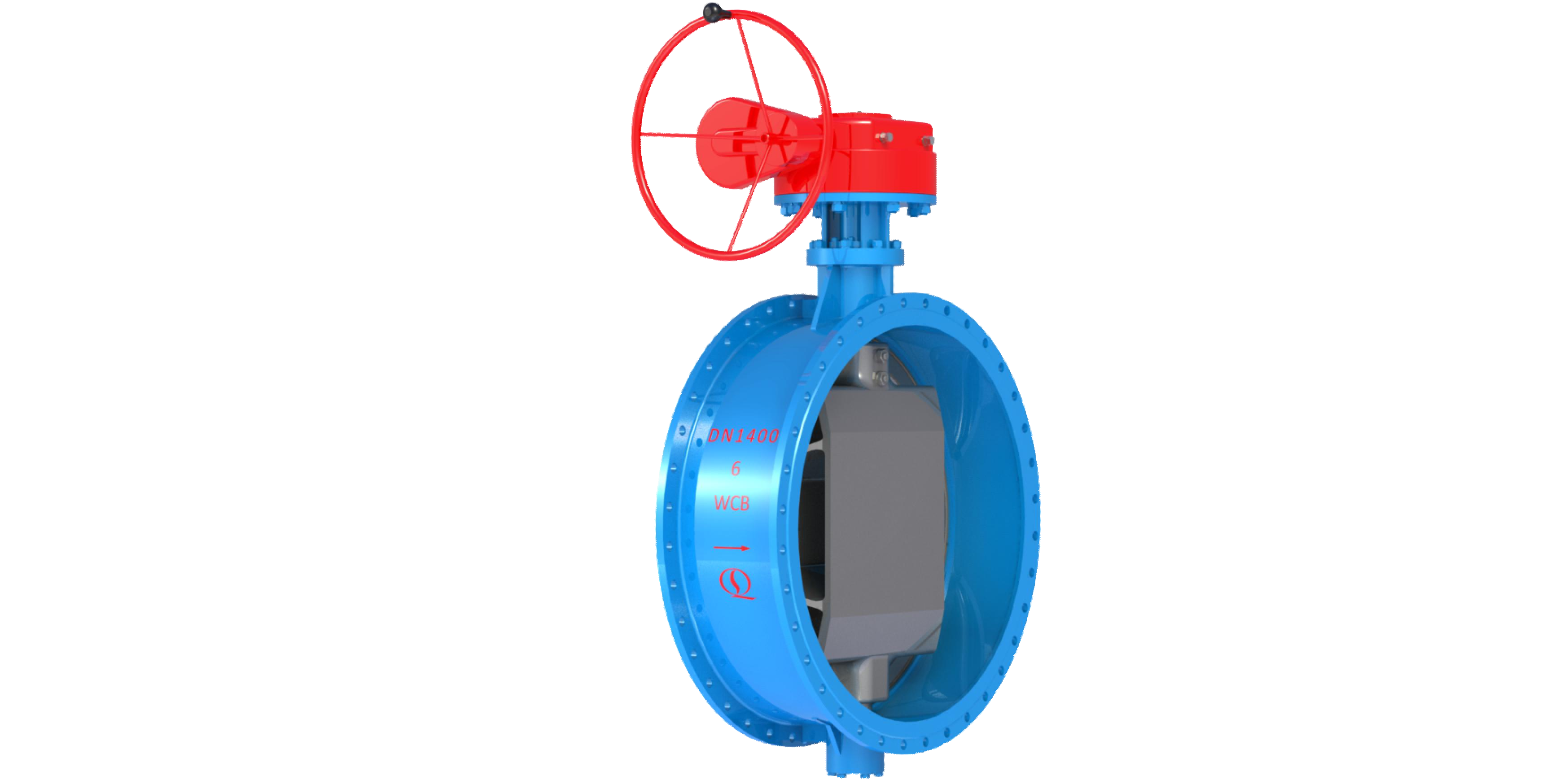
Bidirectional Metal Hard Sealed Seawater Butterfly Valve
Henan Quanshun Flow Control Science & Technology Co., Ltd.
CAP1400 main feedwater flow nozzle flowmeter.
Jiangsu Hongda Instrument Technology Co., LTD.