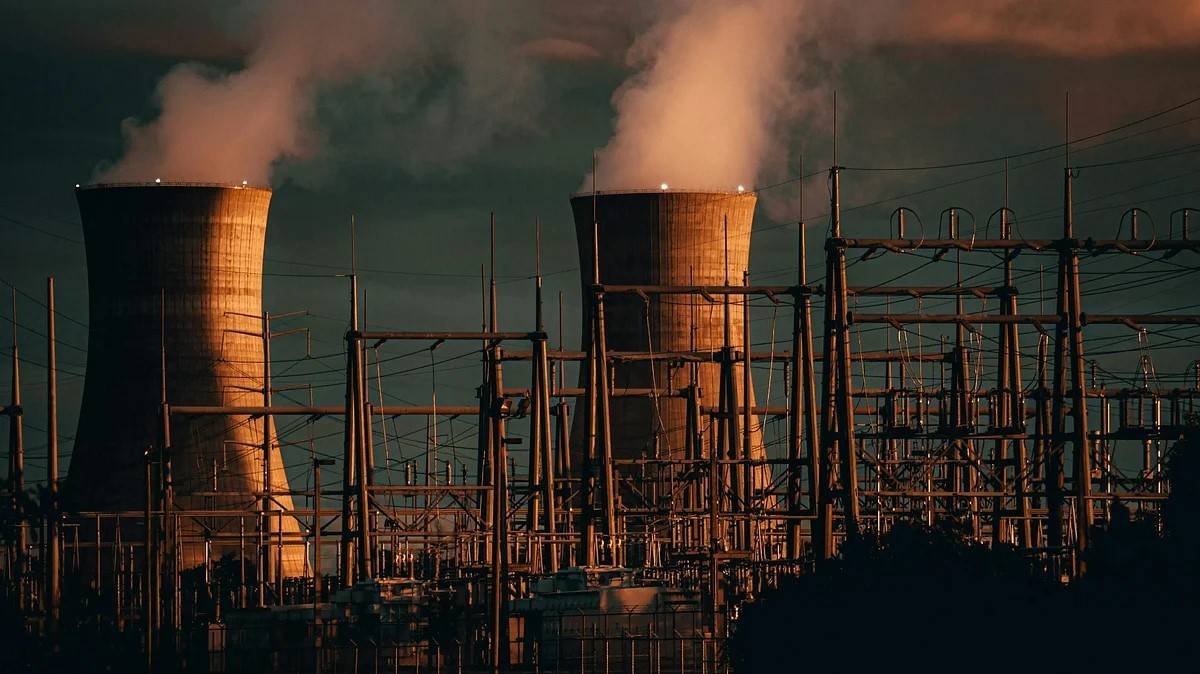
Danube Water Levels Plummet, Romania Shuts Down Both Nuclear Units
en.Wedoany.com Reported - At 10:53 on August 13, Romania's National Nuclear Power Company conducted a controlled shutdown of Unit 2 at the Cernavodă Nuclear Power Plant and disconnected it from the grid. This unit was the only nuclear unit still in operation in Romania at the time, and the shutdown was due to the continuous decline in the Danube River's water level and flow rate, which could no longer meet the cooling water conditions required for the safe operation of the nuclear power plant.
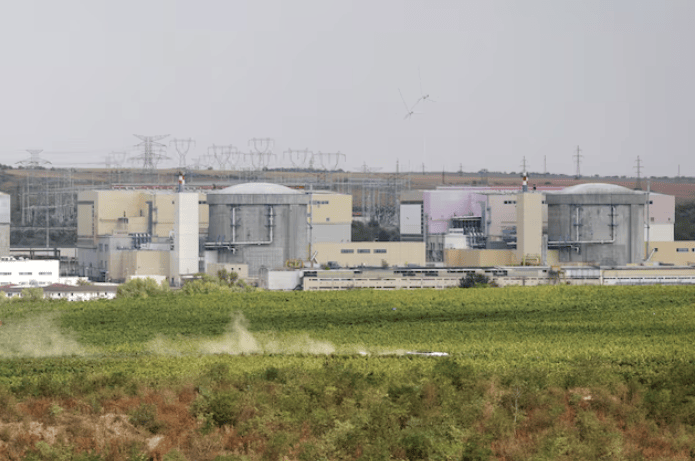
The Cernavodă Nuclear Power Plant has two units in service, each with a capacity of approximately 700 megawatts, both employing Canadian CANDU heavy water reactor technology, using natural uranium as fuel and heavy water as moderator and coolant. Unit 1 was already placed under controlled shutdown on July 28 due to low Danube flow rates. Following the shutdown of Unit 2, the plant's total generating capacity of approximately 1,400 megawatts has been completely removed from the grid. When both units are operating normally, they can provide about 20% of Romania's electricity.
Romania's National Institute of Hydrology and Water Management forecasts that from August 12 to 19, the Danube's flow rate at the Baziaș entry section will remain between 1,350 and 1,400 cubic meters per second, equivalent to only about one-third of the multi-year average August flow of 3,900 cubic meters per second. The National Nuclear Power Company stated that both units are in a safe shutdown state, and the shutdown does not affect nuclear safety parameters, nor does it impact workers, the public, or the environment. The timeline for reconnecting the units to the grid will be determined based on changes in the Danube's water level.
To maintain the operation of Unit 2, Romania had previously implemented measures such as dredging, blasting rock obstacles in the riverbed, and sinking barges loaded with stone to divert more river water toward the plant's water intake area. As water levels continued to drop, these temporary measures failed to prevent the unit's shutdown.
Romania's Ministry of Energy has activated Unit 4 of the Rovinari lignite power plant operated by Oltenia Energy, adding approximately 330 megawatts of generating capacity, and has increased hydroelectric and wind power output based on reservoir storage conditions. The country's grid has approximately 4,000 megawatts of cross-border transmission capacity, allowing for expanded imports through the regional electricity market. The ministry has also prepared a plan for phased restrictions on industrial user consumption and has called on businesses and residents to voluntarily reduce load during evening peak hours.
The Romanian government has declared a state of energy emergency for the entire month of August. Following the shutdown of Unit 2, the Ministry of Energy stated that the national power system remains stable, and existing generation resources and cross-border transmission capacity can maintain power supply, but the ongoing drought will increase the country's reliance on electricity imports and fossil fuel backup units.
In 2024, Romania approved an investment of 1.02 billion lei for the hydraulic rehabilitation of the Bala branch, which involves adjusting the confluence point between the Old Danube branch and the Bala branch and raising the riverbed of the deeper channel to control water flow. The project was originally planned to provide long-term cooling water security for the existing units at the Cernavodă Nuclear Power Plant as well as the planned Units 3 and 4, but construction progress has already been delayed.
Related Products
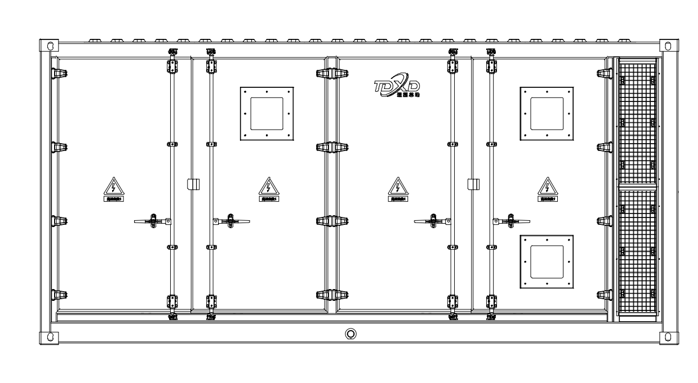

5012kWh DC Energy Storage System TD-EES-5012kWh
Suzhou Tongding Xindong Energy Storage Technology Co., Ltd.
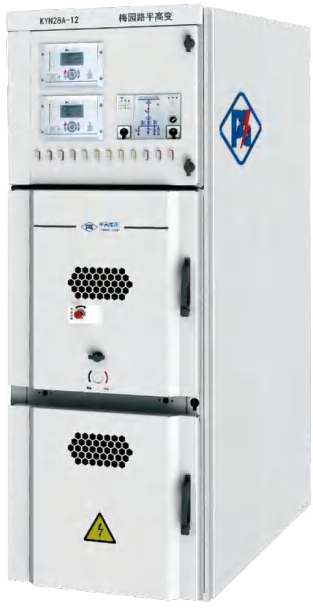
KYN28A-12 Metal Armored Removable Switchgear
Tianjin Ping Gao Intelligent Electric Co., Ltd.

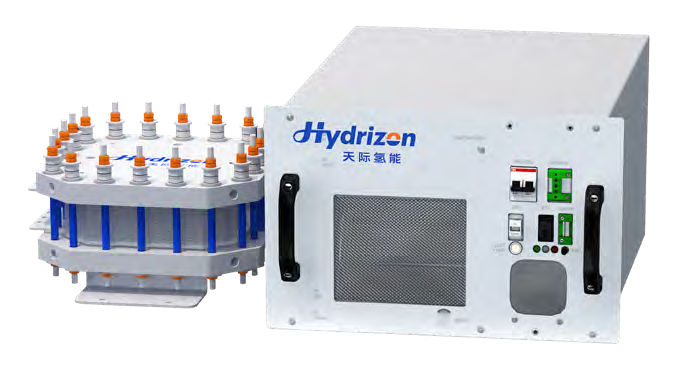
HI-Pro Green Hydrogen High-efficiency Production System-HI-PRO-AEM
Hydrizon Technology (Beijing) Co., Ltd.
Smart Photovoltaic Prefabricated Substation
Shanghai Jinyou Jinhong Intelligent Electric Co., Ltd.
Quick-Change Single-Seat Control Valve / Quick-Change High-Pressure Single-Seat Control Valve
Beijing Consen Automation Technology Co., Ltd.