Global Energy Monitor: India's Planned Coal Mining Capacity Rises to 638 Million Tonnes/Year
en.Wedoany.com Reported - On August 13, the latest coal mine tracking data released by Global Energy Monitor showed that the annual capacity of coal mine projects in the planning and development stage in India in 2025 increased from 329 million tonnes in the previous year to 638 million tonnes, a surge of approximately 94%, making it the main source of growth in global planned coal mining capacity.
Global Energy Monitor currently tracks a total of 835 proposed or under-construction coal mine projects, with a combined planned annual capacity of 2.521 billion tonnes, an increase of approximately 11% compared to 2024. Among them, China ranks first with 1.321 billion tonnes, followed by India in second place. China, India, Australia, Russia, and South Africa together account for more than 90% of global planned coal mining capacity.
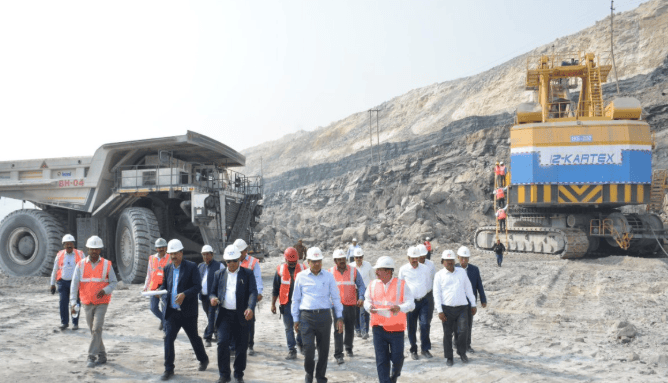
India's newly added planned capacity is mainly concentrated in Jharkhand and Odisha, consistent with India's policy direction of expanding domestic coal supply and reducing import dependence. The Indian government plans to increase coal production to nearly 1.15 billion tonnes in the 2025–2026 fiscal year and reach 1.5 billion tonnes by 2030.
Data from India's Ministry of Coal shows that the country's coal production in the 2024–2025 fiscal year reached 1.0475 billion tonnes, a year-on-year increase of 4.98%; production in the 2025 calendar year stood at 1.0429 billion tonnes. Among this, production from captive and commercial mines reached 203.7 million tonnes, a year-on-year increase of 12.75%. In 2025, India issued allocation orders for 33 coal mines, with approved peak annual capacity totaling 49.54 million tonnes, expected to attract investment of more than 74.3 billion rupees.
An expansion in planned scale does not equate to coal mines already being built and operational. Data from Global Energy Monitor shows that the annual capacity of coal mine projects under construction or in trial operation globally is approximately 781 million tonnes, while the newly added coal mining capacity actually put into operation in 2025 was only 113 million tonnes, a year-on-year decline of nearly 40%, mainly affected by the slowdown in the commissioning of new mines in China and Australia. Approximately 70% of global planned projects are thermal coal capacity serving the power generation market.
The International Energy Agency expects India's electricity demand to grow at an average annual rate of 6.4% from 2026 to 2030, with coal consumption for coal-fired power growing at an average annual rate of about 2.5% over the same period. With the simultaneous expansion of solar, wind, and nuclear power, coal's share in India's power generation mix is expected to decline from approximately 70% in 2025 to 60% by 2030, but coal will remain India's largest single source of electricity.
Global Energy Monitor believes that if global coal demand declines faster than expected, a large number of coal mine projects still in the planning and approval stage may face risks of delay, cancellation, or stranded assets. If all globally planned coal mines were fully developed, they could also generate approximately 16.8 million tonnes of coal mine methane emissions annually.
Related Products

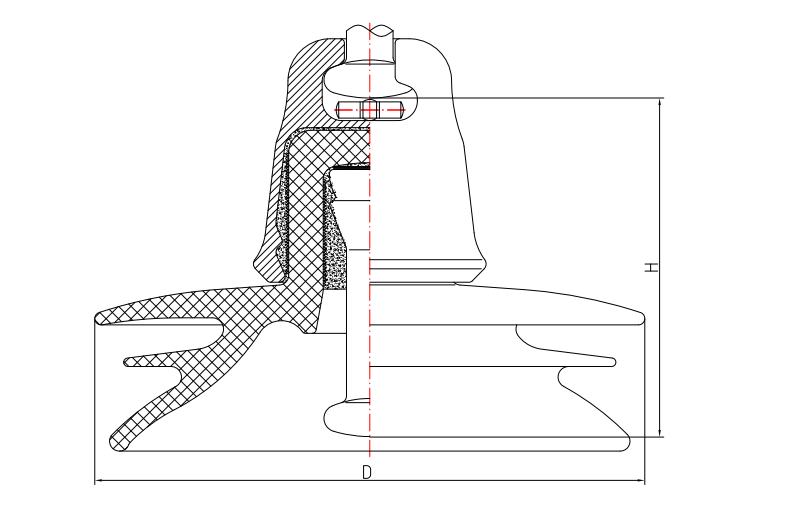
Post-type AC Pollution-resistant Disc Suspension Porcelain Insulator (Triple Umbrella Type)
Shandong High Voltage Insulator Co., Ltd.
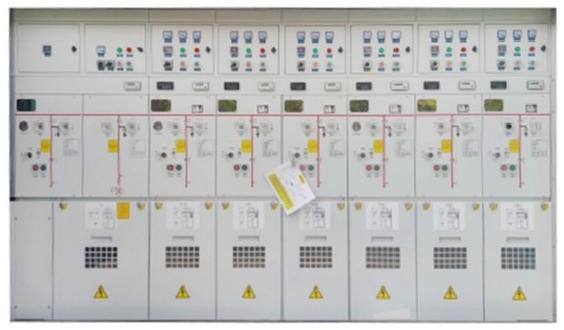
NISELA Series Environmentally Friendly Gas-Insulated Ring Main Unit
XJ DELISHIER ELECTRIC CO., LTD.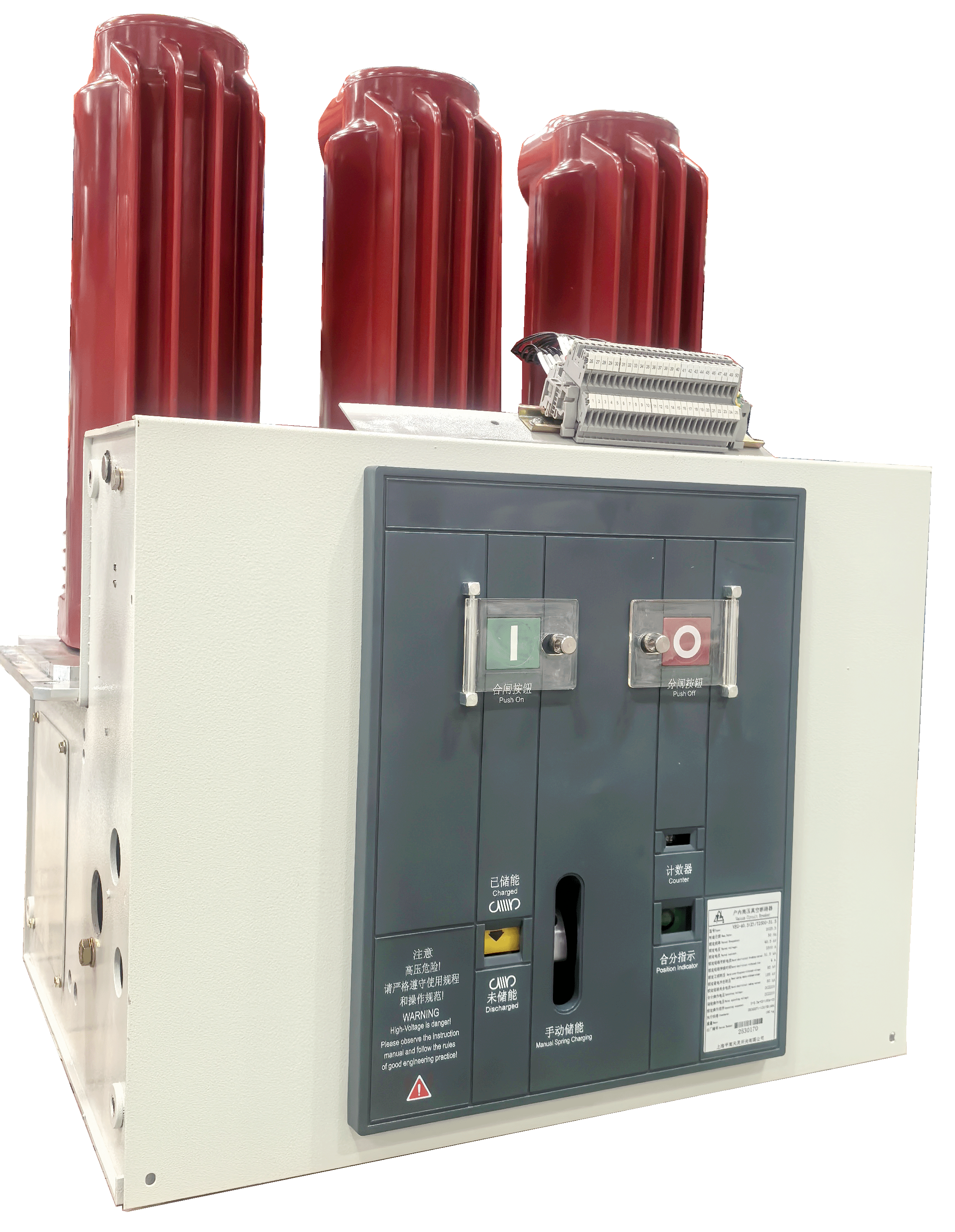
VEG-12/24/40.5 Series Vacuum Circuit Breaker
SHANGHAI PINGGAO TIANLING SWITCHGEAR CO., LTD.
Perfluorinated Ionic Membrane-CM-10N Series Membrane
Guizhou Juneng Century Technology Co., Ltd

Forest and Grassland Heat Source Infrared Monitor
China Huayun Meteorological Technology Group Co., Ltd.