Dutch CAPE and GBM Collaborate to Advance Commercialization of Vibrojet for Offshore Wind
en.Wedoany.com Reported - CAPE Holland and GBM Works have signed a memorandum of understanding to jointly develop and commercialize the Vibrojet technology, which combines vibratory pile driving with controlled water jetting for the installation of monopile foundations in offshore wind.
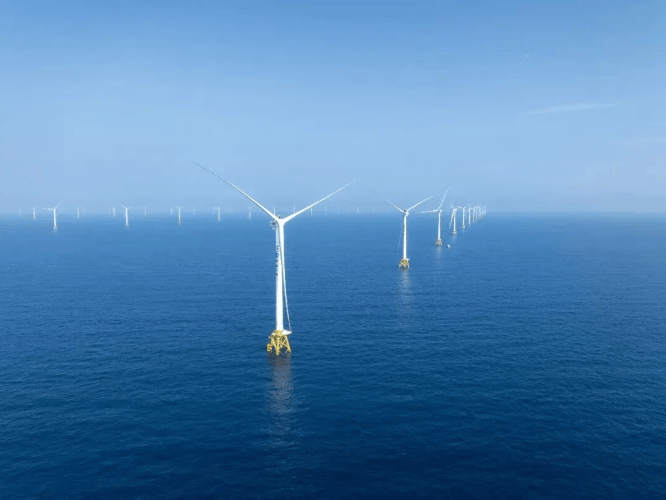
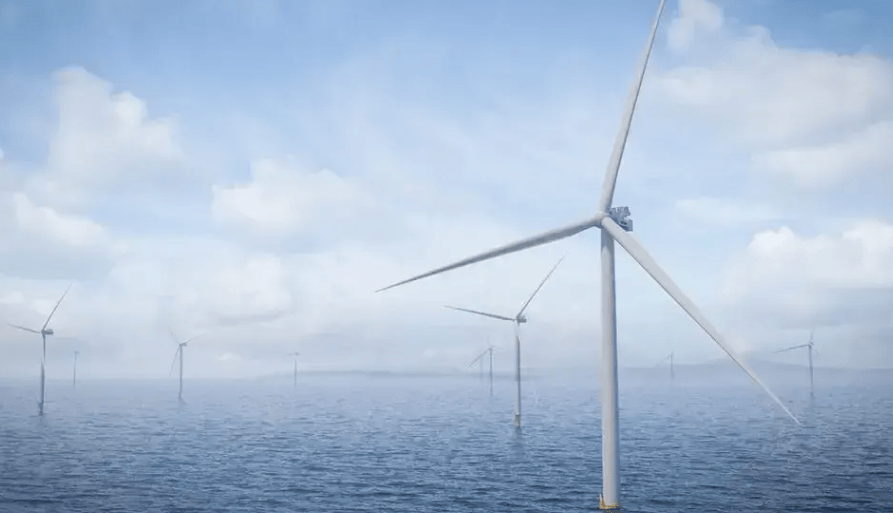
The two companies plan to bring Vibrojet to market as an integrated solution for offshore wind projects starting in 2027. Earlier this year, the technology was used to install three monopile foundations at the Hollandse Kust West offshore wind farm in the Dutch North Sea, validating its ability to combine vibratory installation with water jetting under offshore conditions.
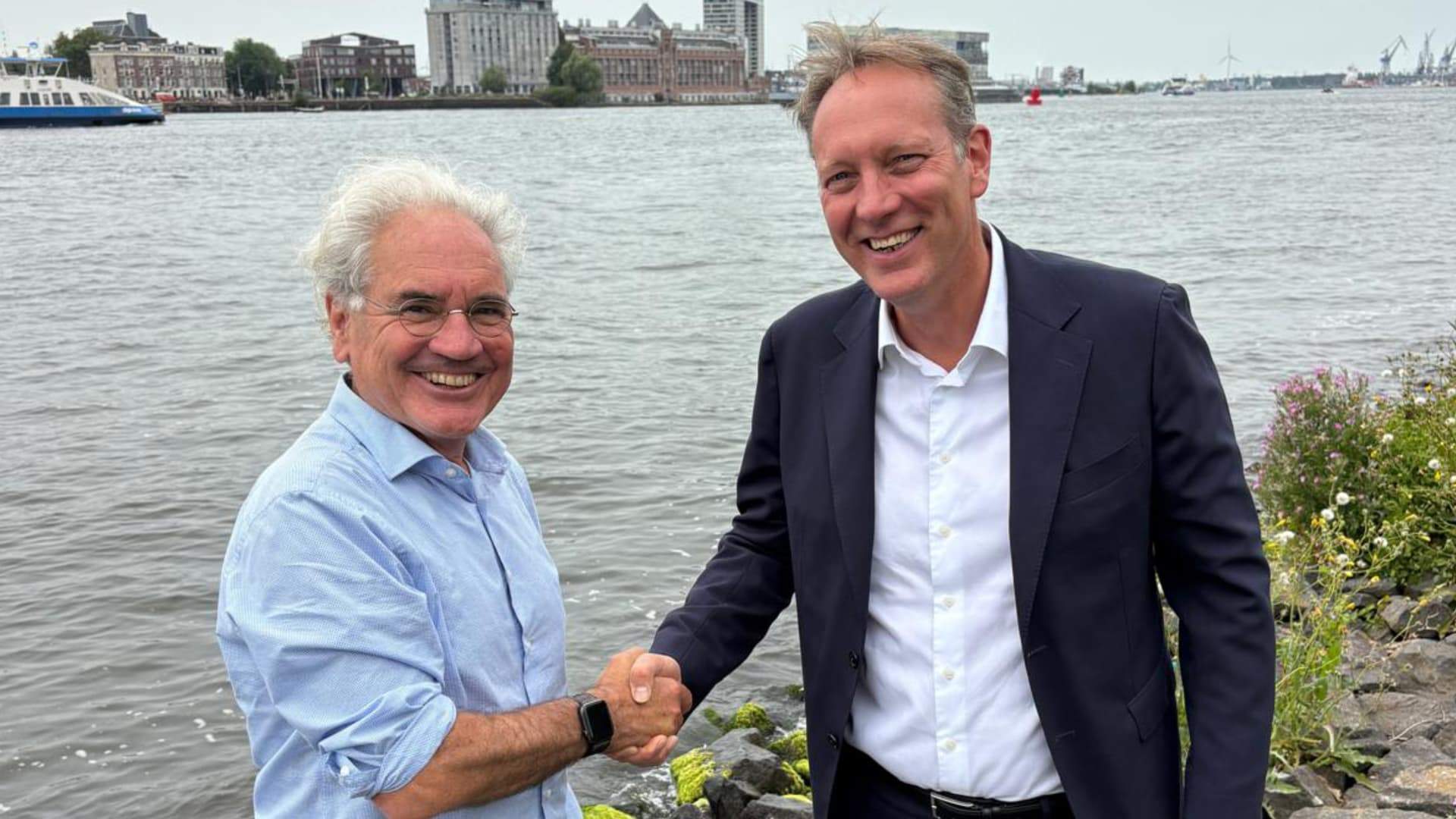
Govert Meijer, CEO of GBM Works, stated that the successful installation of the three monopile foundations at Hollandse Kust West marks a significant milestone in the development of Vibrojet, and that combining the expertise of both organizations can accelerate the global deployment of this mature technology in the offshore wind industry.
According to the two companies, compared to conventional monopile installation methods, Vibrojet aims to reduce installation time and underwater noise, while potentially lowering installation costs and the levelized cost of energy.
Under the collaboration plan, GBM Works will lead the further development, feasibility studies, and marketing activities of the Vibrojet technology, while CAPE Holland will be responsible for the development of Vibro Lifting Technology, system integration, and offshore project execution. The two parties plan to develop a fully integrated product covering design, engineering, installation, and optimization, which can be adapted to specific geological conditions.
Frank Koopman, Managing Director of CAPE Holland, a Venterra company, stated that combining GBM Works' Vibrojet technology with CAPE Holland's offshore vibratory installation expertise enables the delivery of integrated installation solutions to customers, meeting the growing market demand for quieter, more efficient, and more sustainable foundation installation methods.
The two parties plan to formalize this collaboration through licensing agreements and long-term cooperation agreements in the coming months.
Related Products

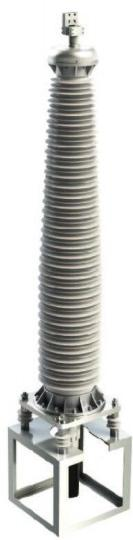
220kV Composite Outdoor Cable Terminal
Shenyang Guolian Cable Accessories Manufacture Co., Ltd.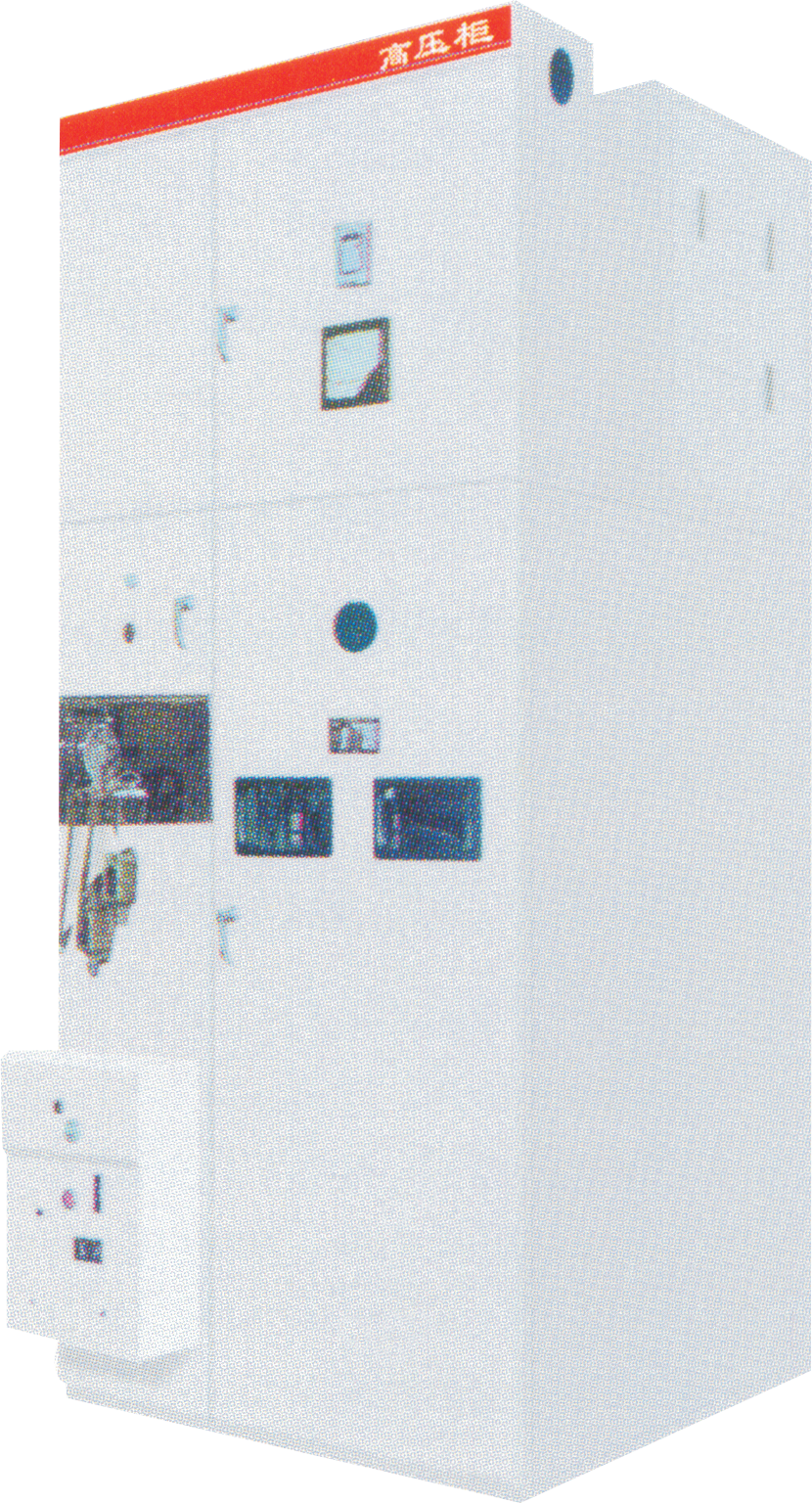
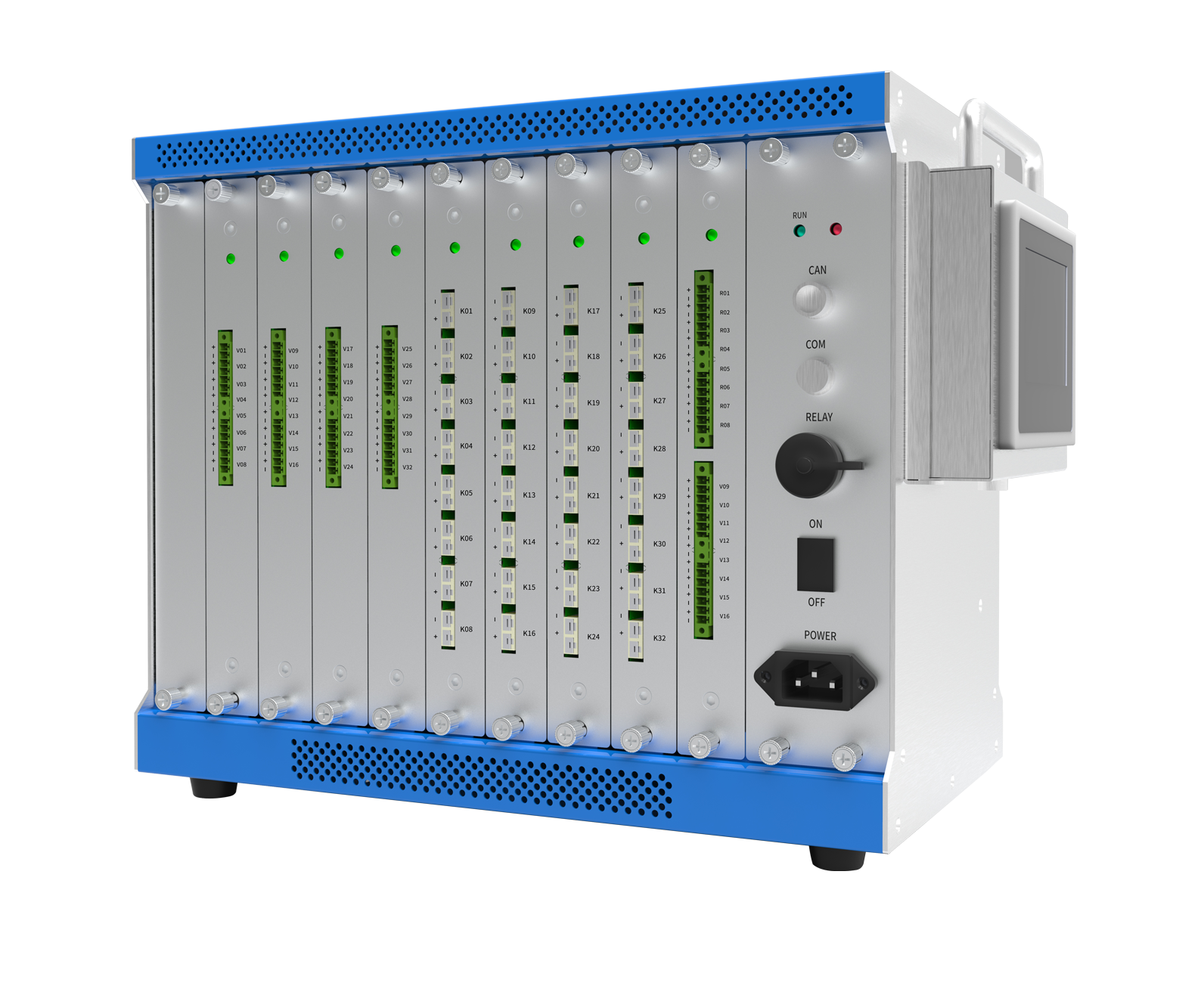
Optional Accessory - Auxiliary Sampling Module
Beijing Soaring Electric Technology Co., Ltd.
Quick-Change Single-Seat Control Valve / Quick-Change High-Pressure Single-Seat Control Valve
Beijing Consen Automation Technology Co., Ltd.
IS(B)□-M·RL Series Oil-immersed 3D Transformer (Planar / 3D Wound Core)
Guangdong Kehua Electric Power Technology Co., Ltd.