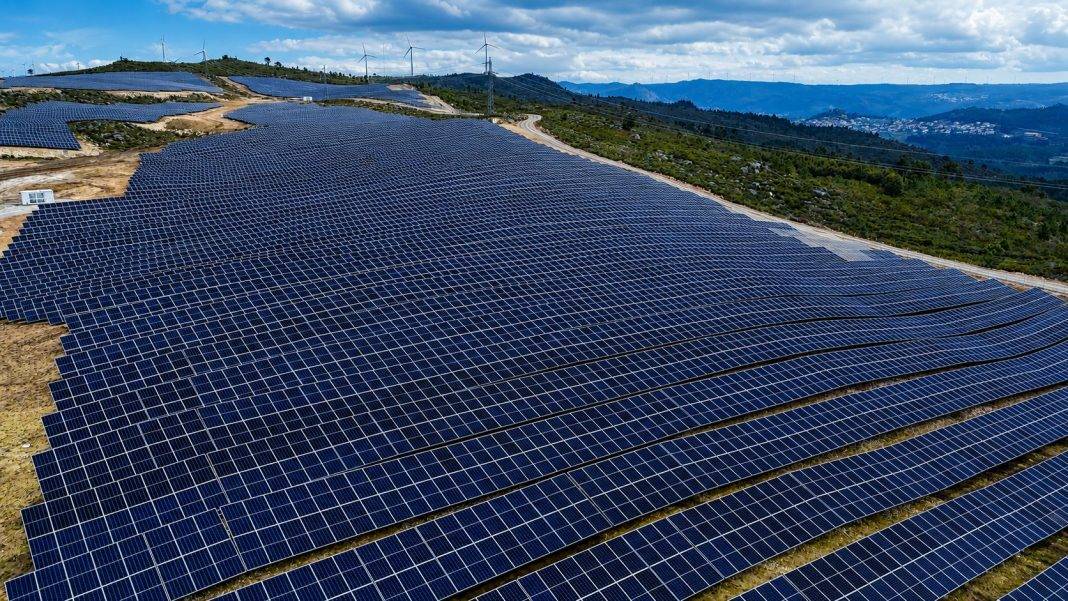
University of A Coruña in Spain reveals silver contact layer causes degradation of perovskite solar cells during early manufacturing stages
en.Wedoany.com Reported - An international study involving the udcsolids group at the Interdisciplinary Center for Chemistry and Biology (CICA) of the University of A Coruña (Universidade da Coruña) in Spain has revealed that during the manufacturing of perovskite solar cells, chemical reactions and ionic movement occur between the internal layers, and some commonly used metal contact materials may trigger cell degradation as early as the initial stages of production.
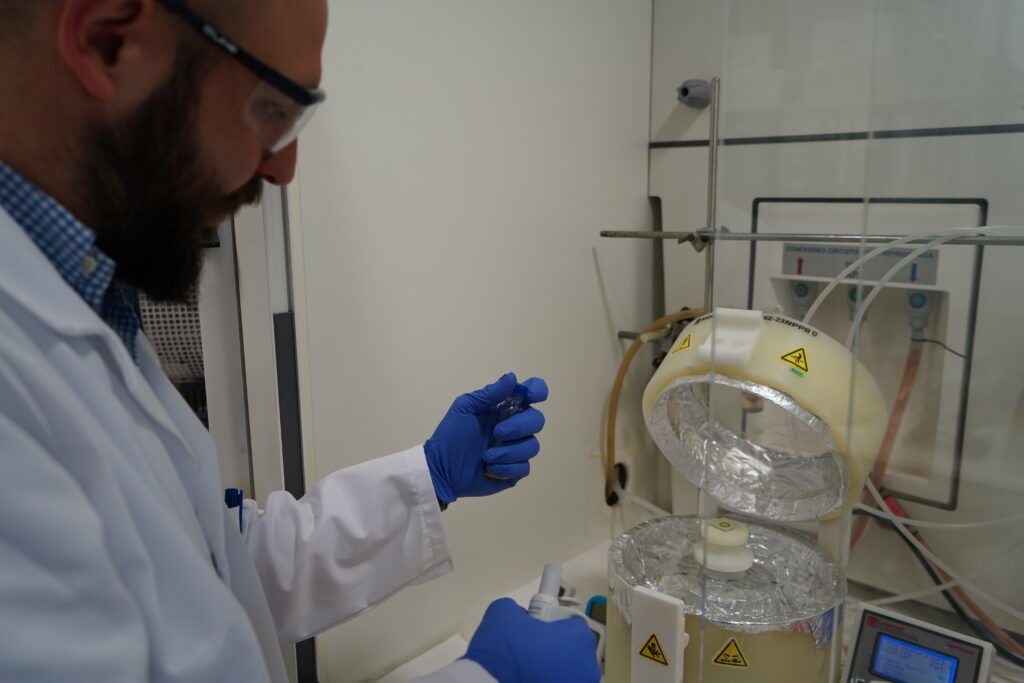
The study addresses an obstacle to the commercialization of perovskite solar cells. The research team reproduced the internal interfaces of the cells under highly controlled conditions and analyzed the physicochemical changes layer by layer during the assembly process. The results revealed ionic movement within the device, as well as chemical reactions capable of altering the perovskite structure. Perovskite is the key material responsible for absorbing light and generating electricity.
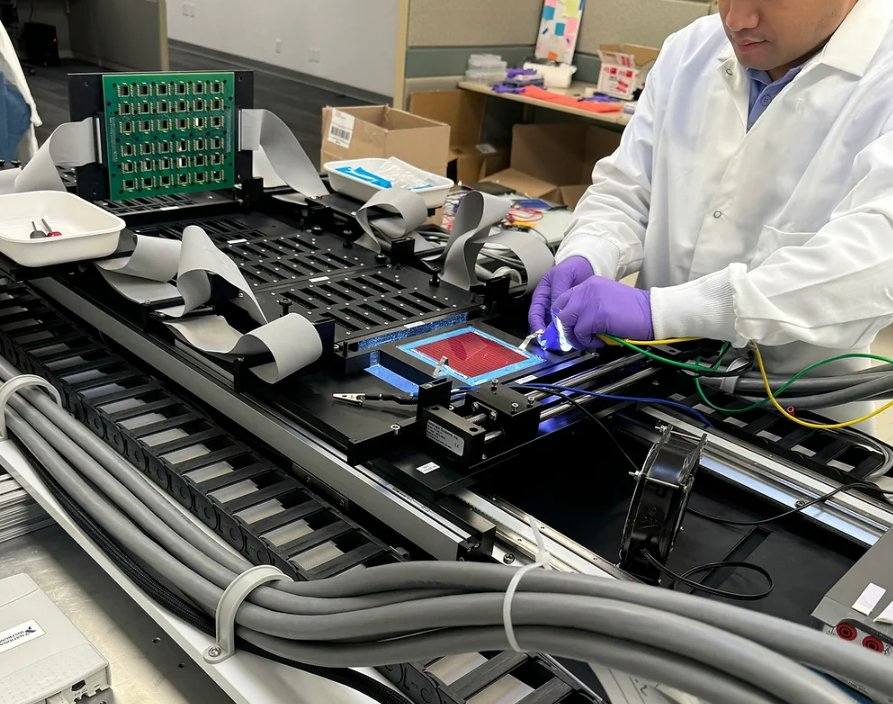
The research team built a model device on a lead iodide perovskite single crystal, sequentially depositing commonly used functional layers via thermal evaporation: an organic electron transport layer, an organic layer acting as a barrier, and a silver layer serving as the metal contact. Spectroscopic measurements showed that these layers readjust their energy levels upon contact, a process that facilitates charge transport.
In terms of stability, the organic layers form chemically stable interfaces, but silver degrades the perovskite and generates metallic lead. The study confirmed that a sufficiently thick organic barrier can mitigate this degradation, as it acts as a protective layer and retains some of the silver. However, the transport material still allows lead and iodide ions to pass through, migrating from the perovskite to the metal contact, where they accumulate.
The use of single crystals allowed the team to study the intrinsic stability of the perovskite, thereby minimizing the influence of defects and grain boundaries present in thin films. The study also emphasized that degradation occurs during the assembly process, without requiring environmental exposure, and also affects other similar perovskites.
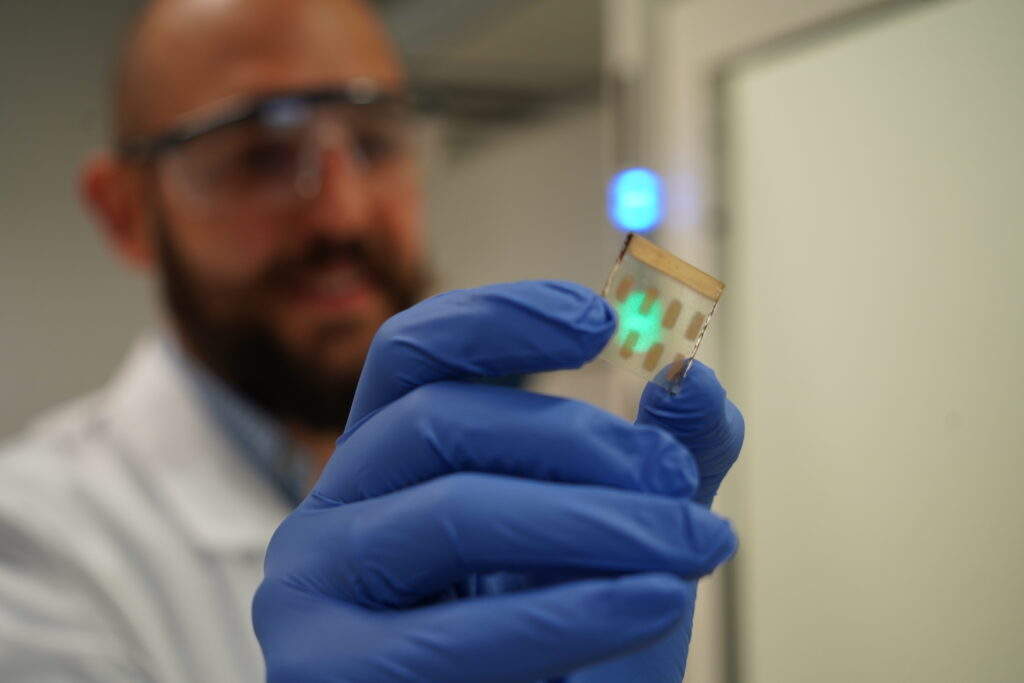
The study highlights the need for strategies to protect the absorber layer, prevent ionic migration, and maintain favorable energy level alignment. The research confirmed that certain protective layers can reduce some of these degradation processes, providing useful information for designing more stable and durable devices.
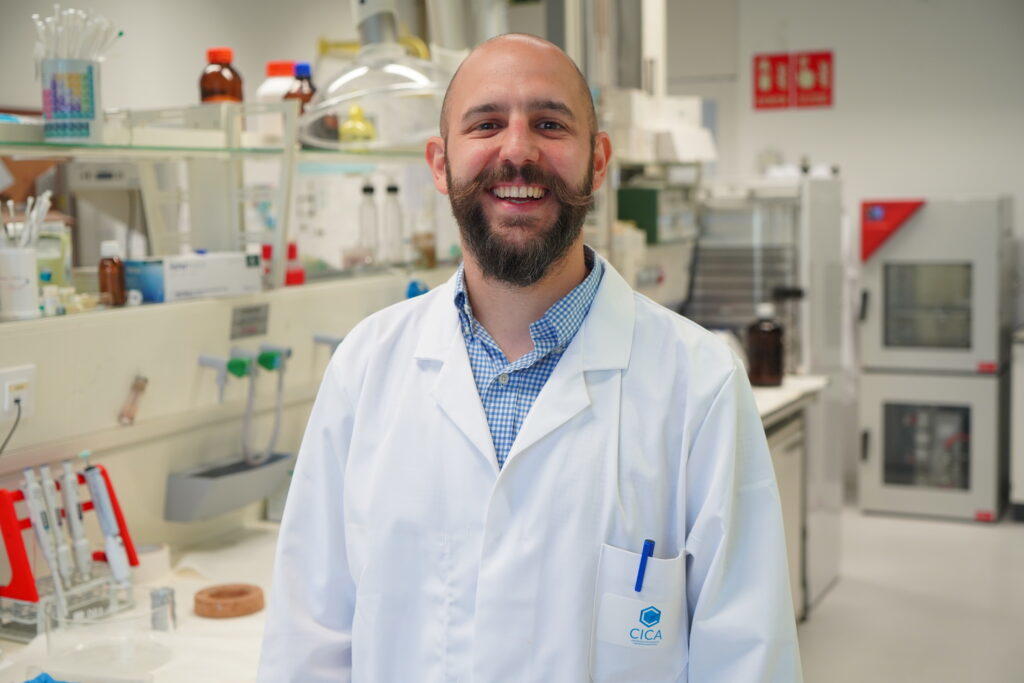
Alberto García noted that to apply these results to the photovoltaic industry, the manufacturing of p-i-n perovskite solar panels should prioritize the optimization of layer thickness, as the study has proven this to be crucial for preventing degradation. He also recommended that manufacturers develop transport layers with lower permeability to mitigate ionic migration, a degradation process that begins even during the assembly of the top layers.
García stated that industrial design will move toward stricter interface control to maximize favorable energy level realignment between contact materials, thereby improving efficiency and long-term operational stability. He is currently unaware of any industry companies that have contacted the university to explore the industrial application of these findings.
García concluded that these results demonstrate that the way a device is manufactured has a direct impact on its performance and lifespan. In the future, optimizing the layers that make up the device, better controlling the interfaces between different materials, and developing more stable structures to reduce degradation processes will be of great importance, all of which will contribute to achieving more efficient, durable, and reliable devices.
The study was conducted by the University of A Coruña in collaboration with Uppsala University in Sweden, and was published in the scientific journal ESS Solar under the title "Energetics and chemistry at electron selective interfaces for p-i-n perovskite solar cells: an in situ investigation."
Related Products

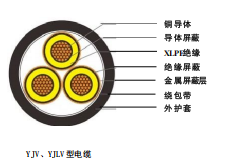
Rated Voltage 6-35kV Cross-linked Polyethylene Insulated Power Cable
TONGDING INTERCONNECTION INFORMATION CO., LTD.
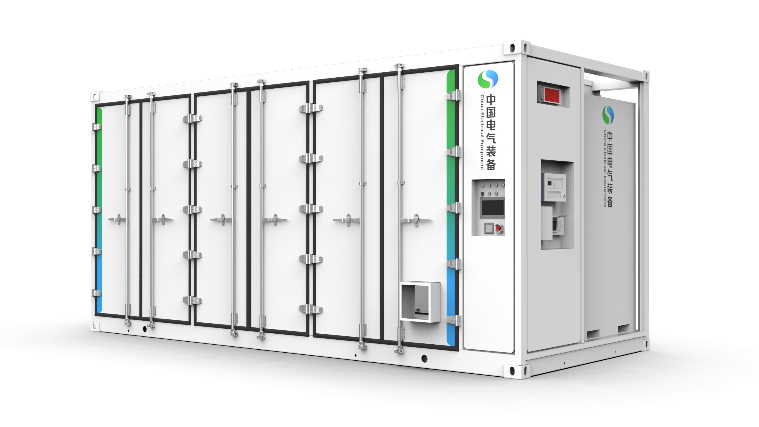
MESS8201-2507/5015-BN Prefabricated Liquid-cooled Energy Storage Battery Container
Xuchang Xuji Electric Science Energy Storage Technology Co., Ltd.
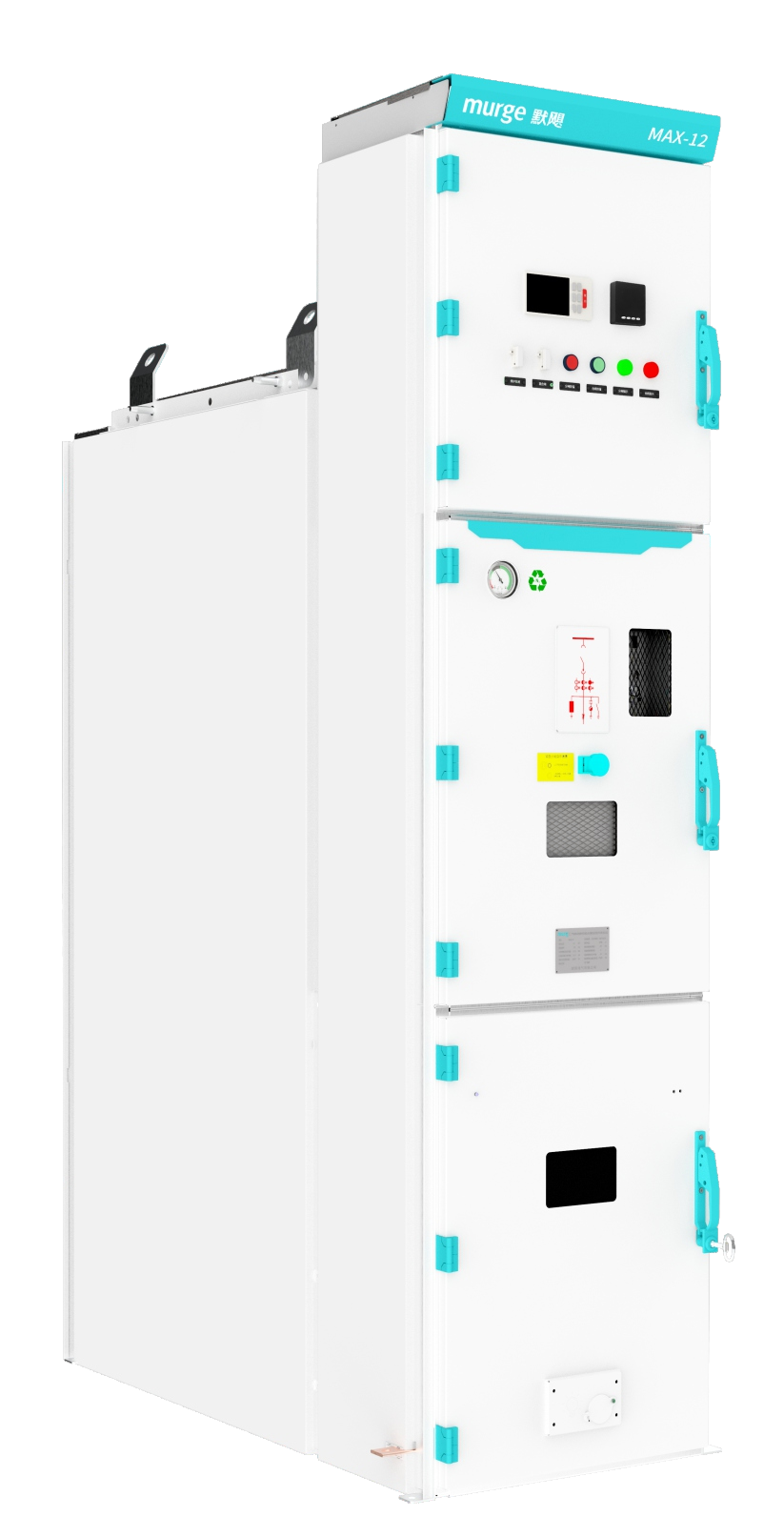
MAX-12 series Environmental Protection/SF6 gas insulated switchgear (C-GIS)
Murge Electric Co.,Ltd.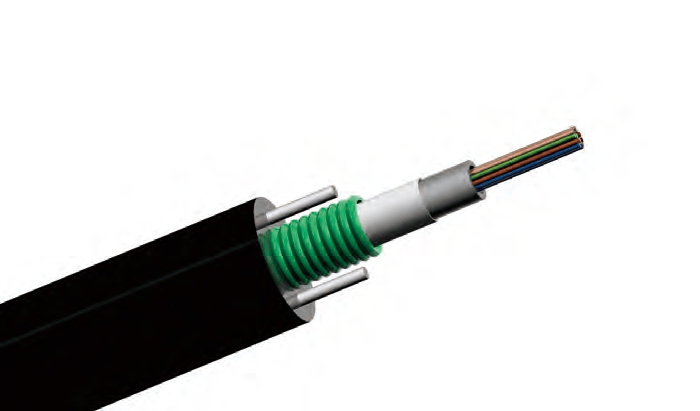
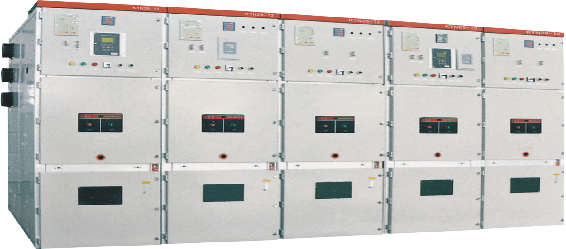
KYN28-12/24 Indoor High-Voltage Metal-Clad Removable Switchgear
Shenzhen Zhaoyang Hui Technology Co., Ltd.
Industrial and Commercial Point-Type Gas Detector
Jinan Benan Technology Development Co., Ltd.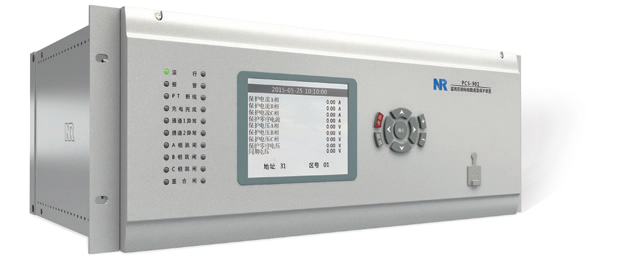
PCS-901 Series Ultra (Extra) High-voltage Transmission Line Complete Protection Device
Nanjing NR Electric Co., Ltd.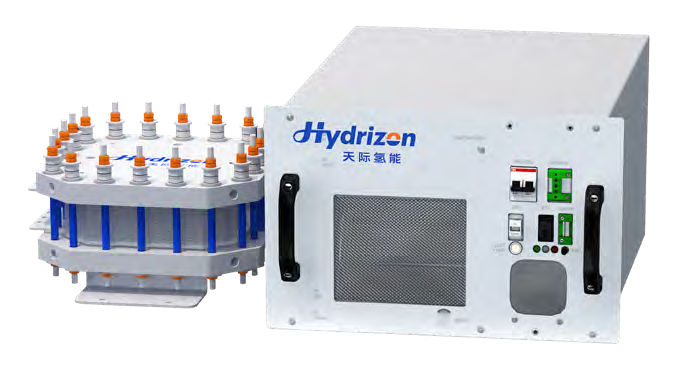
HI-Pro Green Hydrogen High-efficiency Production System-HI-PRO-AEM
Hydrizon Technology (Beijing) Co., Ltd.