Ember: 459GWh of New Storage in 2026 Enables Round-the-Clock Solar Power
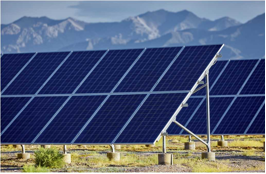
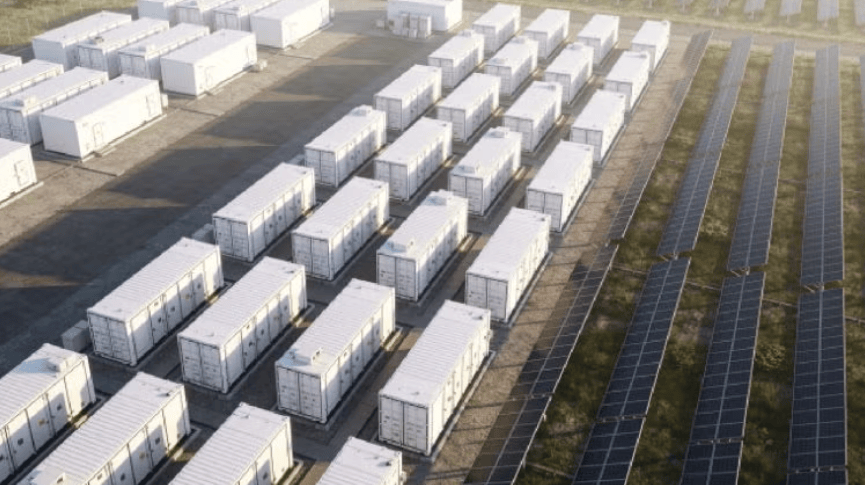
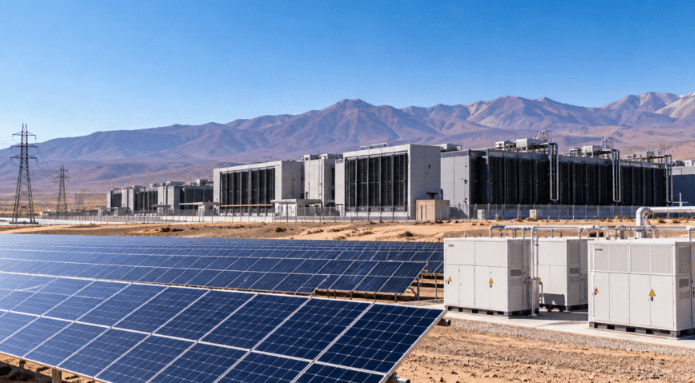
en.Wedoany.com Reported - Climate consultancy Ember released its report "Batteries Unlock the Always-On Solar Era" on August 12. The report argues that battery energy storage systems (BESS) are transforming solar power from a daytime-only resource into round-the-clock electricity.
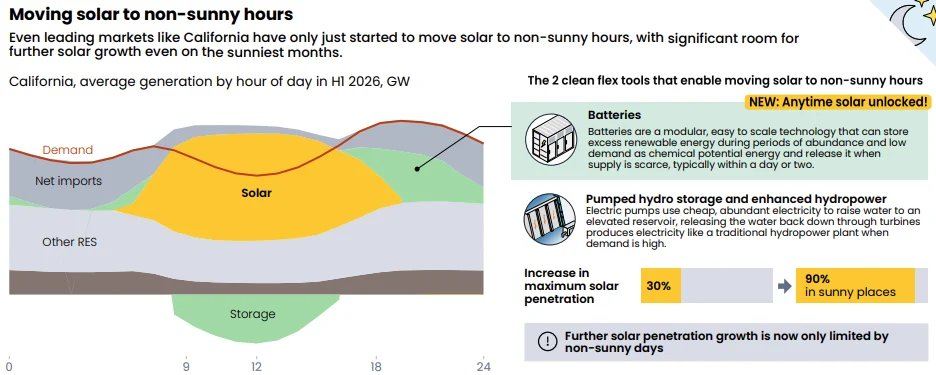
Based on hourly electricity data, the report reveals how solar's record-breaking global share in the first half of 2026 is reshaping around-the-clock power systems, and compares BESS deployment and solar growth across countries. The data shows that solar met 10% of global electricity demand in the first half of the year; however, even in markets with the highest solar penetration, generation during non-sunlight hours remains dominated by fossil fuels. For solar to advance further, it needs to supply power during non-sunlight hours as well.
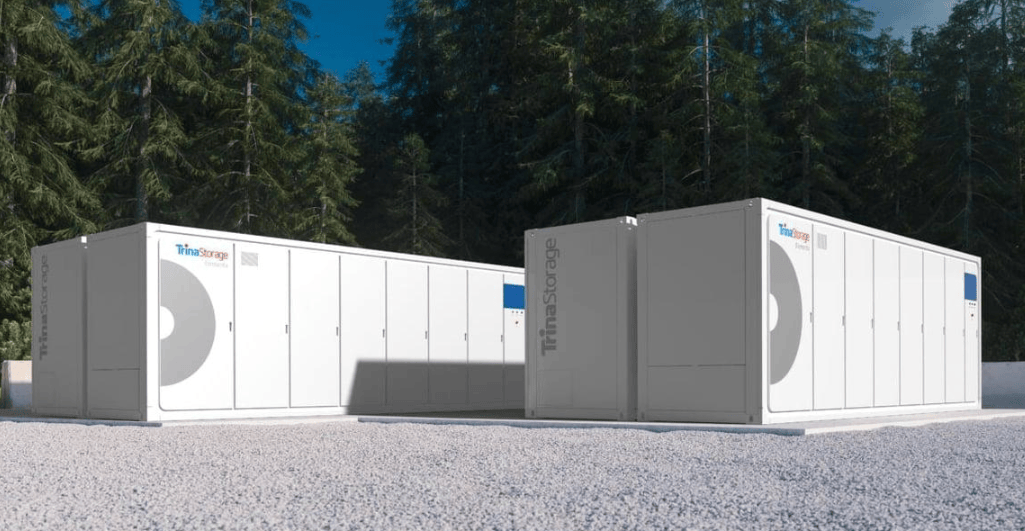
BESS co-located with solar is driving this transition. Citing a levelized cost of storage (LCOS) of $65/MWh from its 2025 report, Ember argues that this cost level enables BESS to help solar expand its supply hours further.
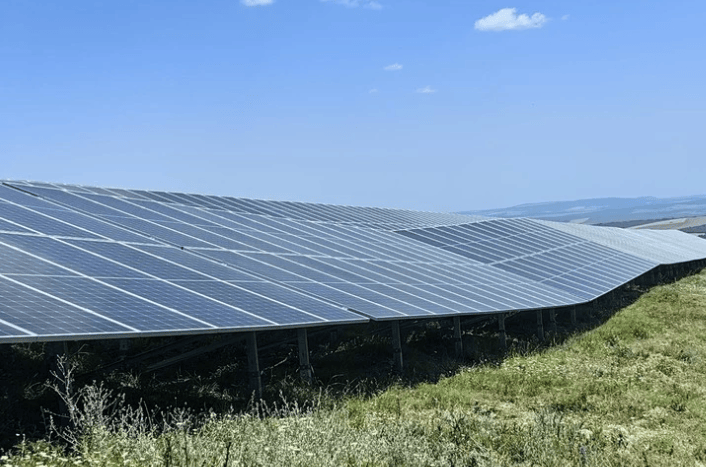
In the first half of 2026, solar met an average of over 25% of global electricity demand, concentrated between 11 a.m. and 2 p.m., exceeding 50% in mature markets; while dropping to nearly zero between 8 p.m. and 5 a.m. This diurnal variation highlights why fossil fuels continue to dominate non-sunlight hours in the absence of storage.
The report projects that 459GWh of new BESS capacity in 2026 could theoretically shift 34% of daytime solar generation to non-sunlight hours, up from 18% in 2025. But this is a theoretical ceiling—not all batteries are dedicated to solar shifting, and many operate below their rated capacity. Improving market design and optimizing operational strategies are key to unlocking battery potential.
In 2025, Bulgaria and Chile were the leading global markets, with installed BESS sufficient to shift 77% and 76% of their new daytime solar generation, respectively, followed by Australia at 60%. Bulgaria's transformation is particularly notable: the country's battery capacity grew from nearly zero in 2023 to 3GWh in 2025, then more than doubled to 8.6GWh by May 2026, demonstrating the possibility of rapid market transformation.
By the first half of 2026, solar-plus-storage met over 25% of California's evening peak demand (7 p.m. to 9 p.m.). The changes in Chile and Bulgaria are even more striking: in the first half of 2023, solar's evening contribution in both countries was nearly zero; by the first half of 2026, batteries met over 10% of evening demand in Chile and reached 24% in Bulgaria.
The report notes that the next phase of solar growth depends not only on installing more batteries, but also on ensuring batteries fully participate in electricity markets, allowing them to be used where they create the greatest value; in markets where deployment is matched with effective market design, batteries can enhance the utilization of cheap solar generation, reduce evening reliance on fossil fuels, and strengthen the economic viability of solar's continued expansion. Ember concludes that "the always-on solar era has begun," but its development depends on solar costs and the speed of BESS deployment and grid connection.