IAEA assessment confirms enhanced safety at Philippine research reactor
en.Wedoany.com Reported - At the request of the Philippine Nuclear Research Institute (PNRI), the International Atomic Energy Agency (IAEA) conducted an Integrated Safety Assessment of Research Reactors (INSARR) follow-up mission from August 10 to 12 at the PRR-1 Subcritical Assembly for Training, Education and Research (SATER) facility in Quezon City, 10 kilometers northeast of Manila, to review the implementation of recommendations from the 2023 assessment.
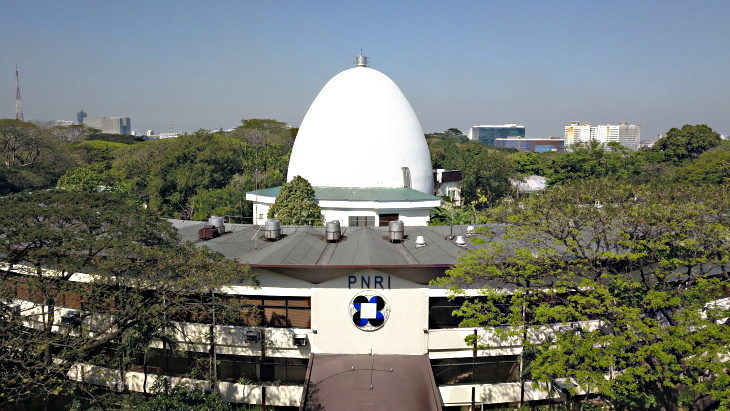
INSARR is a peer review service conducted by the IAEA at the request of member states, evaluating the safety of research reactors against IAEA safety standards. This follow-up mission was carried out by a team comprising two experts from Romania and the United States, along with one IAEA official. Team members visited the facility, reviewed documentation, and held discussions with management, operators, and technical staff on areas including management, training, operations, safety analysis, decommissioning, and other related fields.
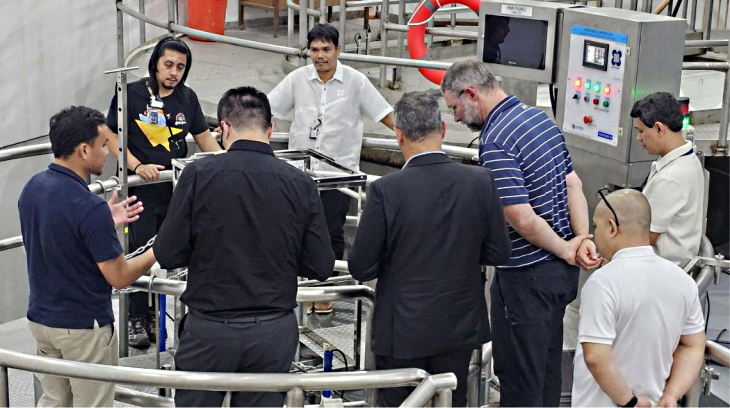
The team noted improvements in organizational effectiveness at PRR-1 SATER, such as the clarification of roles, functions, and responsibilities of key operating personnel; progress was also made in the development of safety documentation, including the completion of the commissioning report and supplementary investigations into alternative fuel loading configurations. Kaichao Sun, team leader and Head of the IAEA Research Reactor Safety Section, stated that the progress in implementing recommendations to enhance safety in line with IAEA safety standards is encouraging, with organizational arrangements and safety documentation already showing results, but further work is still needed on the PRR-1 SATER operating program.
Areas requiring improvement include the function and effectiveness of the safety committee, as well as maintenance procedures for safety-related systems and components. The team also made a new recommendation requiring that operators receive adequate retraining necessary for the safe operation of PRR-1 SATER. Ryan Olivares, Director of the PNRI Nuclear Services Division, stated that the 2026 INSARR follow-up mission will provide an opportunity to objectively assess progress, learn from international experience, and further strengthen PRR-1 SATER, making it a safe and sustainable platform for advancing nuclear science and technology in the Philippines.
PRR-1 is a 1 MW open-pool type general-purpose research reactor that achieved criticality in August 1963. In 1984, the PNRI decided to convert it into a 3 MW TRIGA Mark III reactor, which was shut down in 1988, leaving the Philippines without an operating nuclear facility for 34 years. In 2014, a proposal to utilize PRR-1 fuel rods for training and education was approved. The fuel is made of uranium-zirconium hydride alloy manufactured by General Atomics of the United States, which was the builder of PRR-1. The IAEA has supported the project through a series of technical cooperation programs. The first project, launched in 2016, covered capacity building in reactor design, neutron dosimetry, and reactor-related regulatory matters; a second project launched in 2020 further strengthened capacity building, focusing on reactor engineering and operations, reactor utilization, and the development of a reactor training program to sustain local capacity-building activities.
In June 2022, the PNRI, which is under the Philippine Department of Science and Technology, began loading 44 TRIGA nuclear fuel rods into the PRR-1 SATER core, marking the start of the nuclear commissioning phase. In March 2023, the PNRI announced that the facility had achieved full operation. PRR-1 SATER is primarily used for training and education, supporting the national nuclear engineering program, and conducting nuclear applications research supporting medical, agricultural, and industrial development.
In March 2022, then-President Rodrigo Duterte signed an executive order to include nuclear energy in the Philippine energy mix, balancing economic, political, social, and environmental objectives. The Philippines plans to bring its first nuclear power plants online by 2032, with an initial installed capacity of 1,200 MW, expanding to 2,400 MW by 2035, and reaching 4,800 MW by 2050.
Related Products


Modular Multifunctional Water Supply and Drainage Vehicle (18T)
Changsha Dewater Machinery Technology Co., Ltd.
IS(B)□-M·RL Series Oil-immersed 3D Transformer (Planar / 3D Wound Core)
Guangdong Kehua Electric Power Technology Co., Ltd.
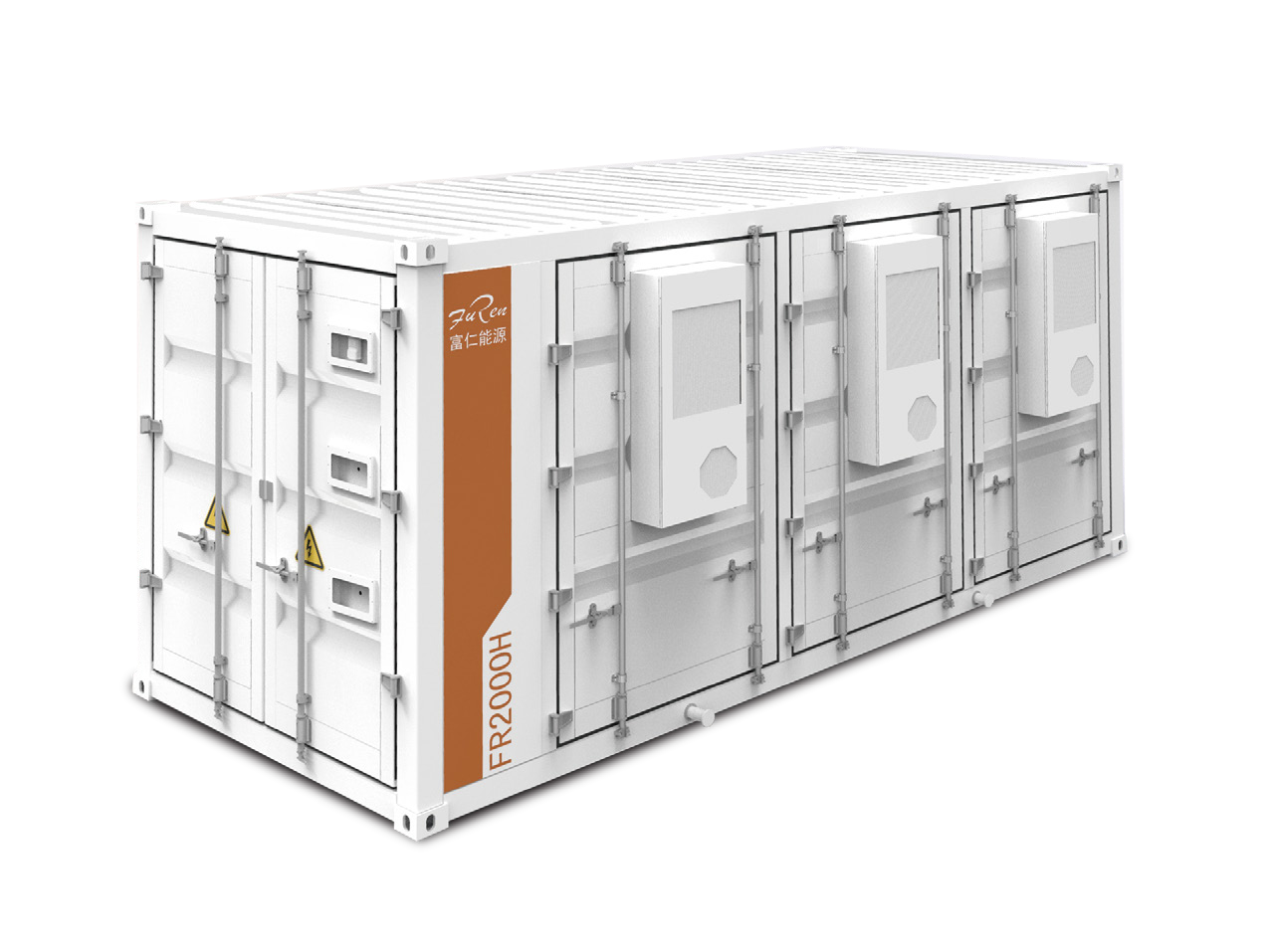
FR2000H 2.15MWh (Air-cooled) 20-foot Containerized Energy Storage System
Jiangyin Furen High-tech Co., Ltd.
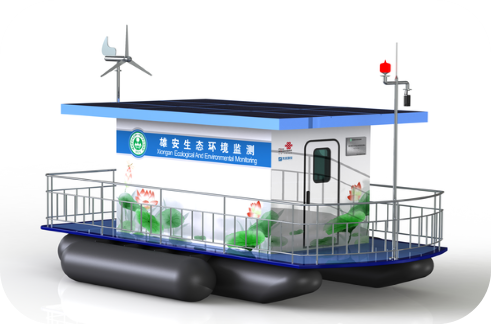
Floating Boat Water Quality Automatic Monitoring System
Hebei Sailhero Environmental Protection High-tech Co., Ltd.
Perfluorinated Ionic Membrane-CM-10N Series Membrane
Guizhou Juneng Century Technology Co., Ltd
Double-slide Triple-sealed Hot Air Isolation Door
Xi'an Yingchuan Electric Power Equipment Co., Ltd.