Tandem PV Signs Letter of Intent for Approximately $1 Billion in Perovskite Panel Sales
en.Wedoany.com Reported - Scott Wharton, CEO of perovskite solar company Tandem PV, said the company shipped its first production-grade panel two weeks ago and expects to recognize sales revenue later this year.
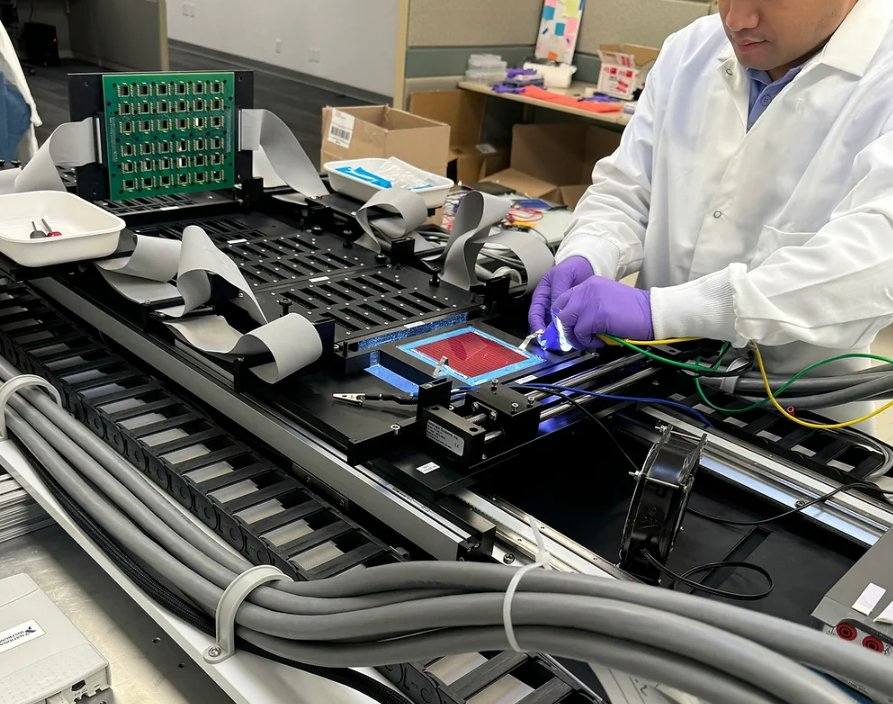
According to Wharton, the company will deploy paid pilot projects with independent power producers (IPPs) later this year to accumulate the outdoor testing data needed to achieve bankability, a process expected to take approximately 6 to 12 months. Tandem PV anticipates reaching large-scale gigawatt-level manufacturing by 2028; if the technology curve remains stable, it could launch solar panels with 34% efficiency by then. The current demonstration product is roughly the same size as First Solar's Series 4 module, with the demonstration module released in June measuring 100 square centimeters; mass-produced products will be designed around the industry-standard 1-meter by 2-meter and 2-meter by 3-meter module formats. Discussing the transition to commercial sales between now and later this year, Wharton said the team is overcoming the engineering hurdles of scaling the process from an R&D lab to panels 60 times larger in area, and can now "clearly see the finish line."
Degradation has long been a major shortcoming of perovskite technology. Tandem PV's solution is to offer a 30-year warranty with annual module degradation not exceeding 1%. Wharton said the latest bifacial glass-glass modules showed no measurable degradation after one year of outdoor operation, with a temperature coefficient of approximately -0.15%/°C, roughly half that of the best silicon modules. The product uses a 4-terminal (4T) mechanically stacked structure, with the perovskite layer deposited on the top panel glass rather than directly on the bottom silicon cell. By Wharton's estimate, an 80-pound panel requires only about 5 grams of perovskite liquid, roughly the volume of a blueberry; this added cost is lower than the power gain it delivers.
Because the design is cell-agnostic, the bottom silicon cell is treated as a pass-through cost—Wharton compares the model to a "base salad with protein" when dining. Tandem PV's record 30.4% efficiency module was manufactured using Maxeon IBC cells and has been tested on PERC, TOPCon, and HJT cells. Customers can specify their preferred silicon technology, or even source it domestically. In the record module, approximately 22% of total efficiency comes from the silicon cell and about 8% from the perovskite glass layer.
In a recent interview with Roth Capital, Tandem PV stated that without major scientific breakthroughs, the company has a clear path to improve efficiency by approximately 2 percentage points per year, reaching 37% module efficiency by 2030 on that trajectory. The company also noted that the theoretical peak efficiency for stacking two perovskite layers on a silicon cell is 45%, and 50% for three layers, while current mass-produced panels operate at around 23% efficiency. Wharton said there remains substantial room for engineering-driven improvements in the core perovskite layer, and the synergy between silicon cells and the perovskite layer can also continue to improve, with the focus shifting from scientific exploration to engineering implementation. The company is also targeting a 1,000-watt panel goal—achieving that would require 32.3% efficiency based on the utility-scale module dimensions of 2384 mm × 1303 mm.
The most efficient ground-mounted silicon solar panels currently on sale globally achieve approximately 25% efficiency, from LONGi or Aiko, with most commercial panels ranging from 22% to 24% efficiency. Wharton believes that once panels with 30% to 32% efficiency appear on the market, manufacturers still producing only 23% efficiency products will find themselves at a disadvantage. He cited Li Zhenguo, founder and president of LONGi Green Energy, who noted that for every 1 percentage point increase in cell efficiency, system costs can decline by more than 5%. Tandem PV management disclosed in the Roth interview that the company has signed letters of intent for approximately $1 billion in solar panel sales, equivalent to roughly 2.5 GW of capacity at an average price of $0.40 per watt. Wharton said a key reason for selling to IPPs is that these customers can intuitively understand the 15% to 25% improvement in levelized cost of energy delivered by higher efficiency.
The company's initial go-to-market strategy targets utility-scale IPPs, which account for approximately 80% of the U.S. market; simultaneously, Tandem is in discussions with standard module manufacturers to split the product and sell the perovskite-coated top glass separately. Wharton noted that Section 232 tariffs will push up prices for standard silicon modules but will have virtually no impact on Tandem's products, though final selling prices will still be elevated. Tandem's manufacturing facilities are positioned to meet domestic content and manufacturing tax credit requirements; because the design is cell-agnostic, customers can pair domestically sourced silicon cells with Tandem's domestically manufactured perovskite glass. Roth Capital's research report notes that this allows stacking of 45X tax credits across the wafer, cell, and module segments, totaling approximately $0.14 per watt in value.
Capital expenditure for manufacturing perovskite glass is estimated at $100 million per gigawatt of capacity. Responding to the hypothetical of "50 GW of orders," Wharton said that with off-the-shelf equipment from the semiconductor industry, production facilities can scale smoothly to that level. To date, Tandem PV has raised approximately $100 million through equity, debt, and grants, with investors including Eclipse Ventures, Constellation Energy, Planetary Technologies, Trellis Climate, and 8090 Industries. When asked by pv magazine USA what has humbled him during development, Wharton acknowledged that fundraising has been extremely challenging, compounded by shifting political winds in Washington; however, he emphasized his confidence in the progress of perovskite technology and said the team simply needs to stay grounded and do what needs to be done—the results will follow.
Related Products


CAP1400 main feedwater flow nozzle flowmeter.
Jiangsu Hongda Instrument Technology Co., LTD.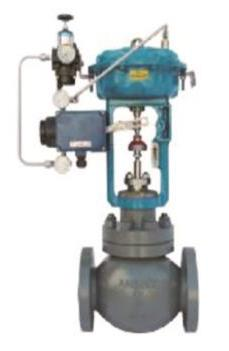
Quick-Change Single-Seat Control Valve / Quick-Change High-Pressure Single-Seat Control Valve
Beijing Consen Automation Technology Co., Ltd.
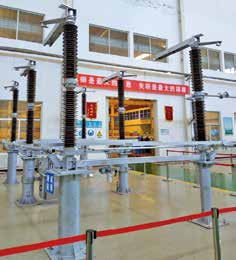
GW4-40.5/72.5/126/145/170/252/363/420 Series Double-column Horizontal Rotary High-voltage AC Disconnect Switch
SHANDONG TAIKAI DISCONNECTORS CO., LTD.
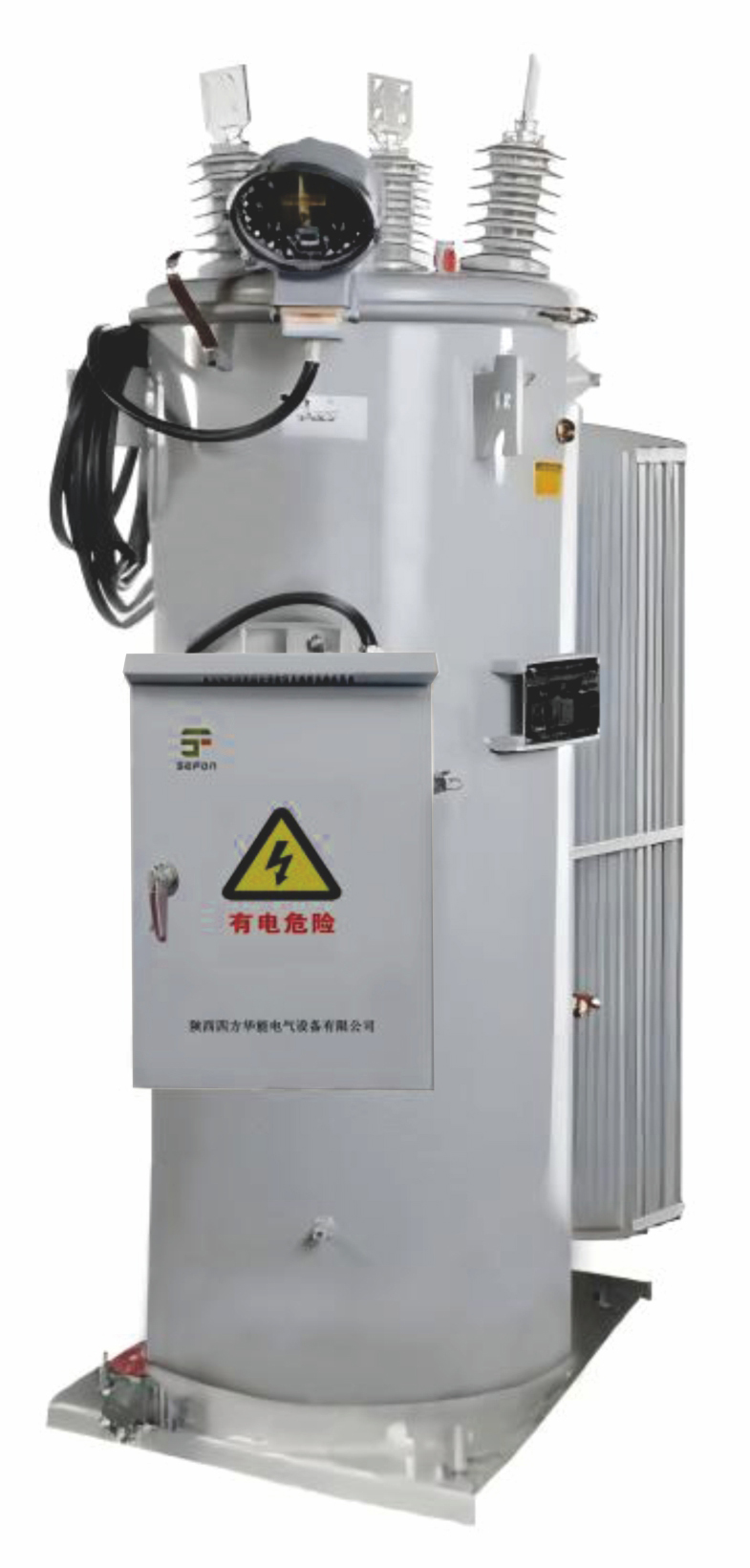
Single-Phase Automatic Voltage Regulator(AVR)
Shaanxi Sefon Electrical Equipment Co.,Ltd.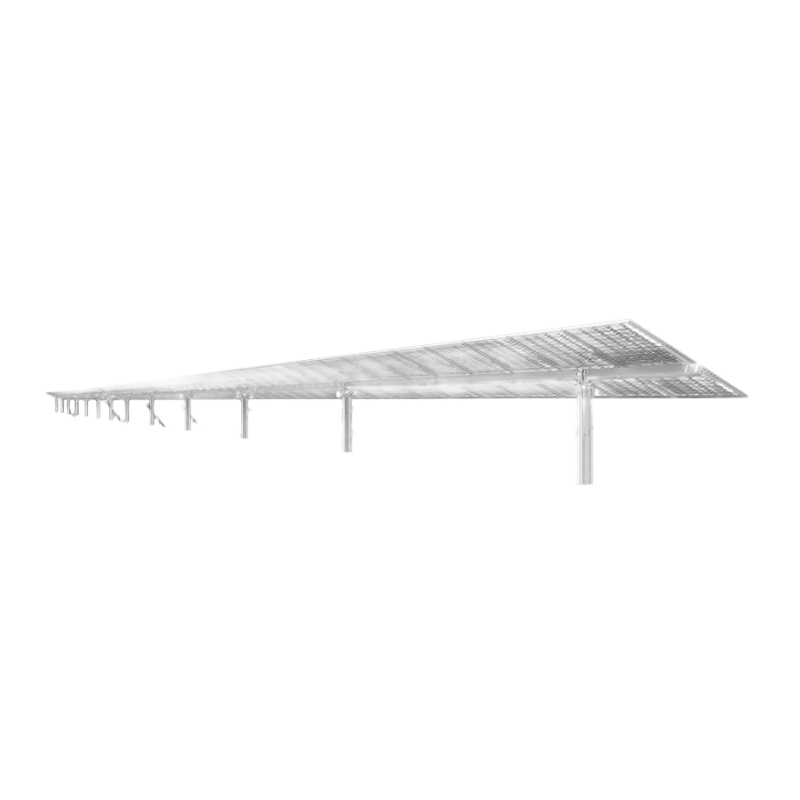
TAI Slew-drive Single-axis Independent 1P Tracking Bracket System
ANTAI TECHNOLOGY CO., LTD.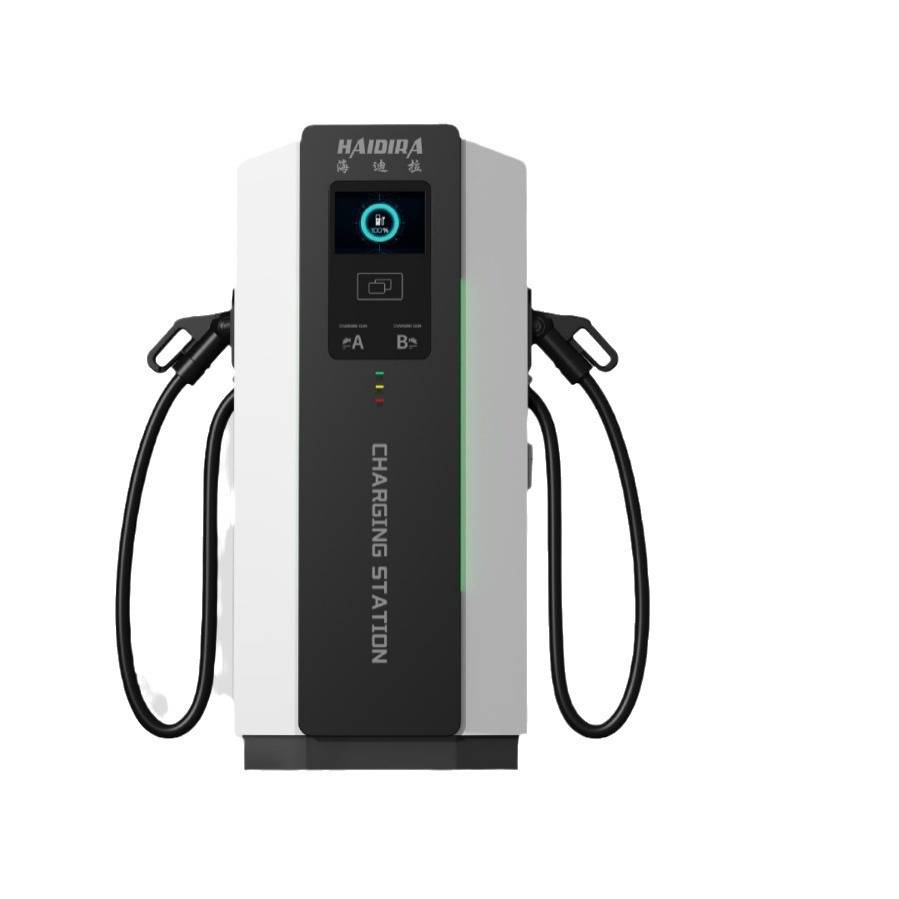
Manufacturer Direct Sales Tesla New Energy Electric Vehicle Universal DC 180kW Dual-gun Charging Pile Commercial Fast Charger
Anhui Haidira Electric Technology Co., Ltd.
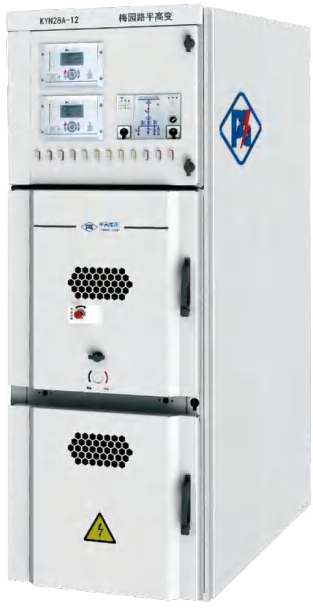
KYN28A-12 Metal Armored Removable Switchgear
Tianjin Ping Gao Intelligent Electric Co., Ltd.